Retractable leashes offer dogs a greater sense of freedom during walks, allowing them to explore a wider area while still remaining safely connected to their owners. However, this increased freedom comes with increased responsibility. Improper use of a retractable leash can lead to injuries for both you and your dog. Therefore, understanding the nuances of how to use them correctly is paramount for a safe and enjoyable walking experience.
This guide provides expert insights on the proper techniques for using a retractable leash, focusing on safety and injury prevention. By following these guidelines, you can maximize the benefits of a retractable leash while minimizing potential risks. We’ll cover everything from choosing the right leash for your dog to mastering control and avoiding common pitfalls.
Whether you're a seasoned dog owner or new to the world of canine companionship, this guide will equip you with the knowledge and skills necessary to use a retractable leash responsibly. Let's delve into the details and ensure both you and your furry friend have safe and happy walks.
Step 1: Choosing the Right Retractable Leash
Selecting the appropriate retractable leash for your dog is the first crucial step towards ensuring safe walks. Consider your dog's weight and temperament when making your selection. Retractable leashes are typically categorized by weight limits, and it's essential to choose one that exceeds your dog's weight. A leash that's too weak could snap, leading to a runaway dog and potential hazards. Also, assess your dog's pulling behavior. If your dog is a strong puller, opt for a leash with a more robust retraction mechanism and a comfortable handle that provides a secure grip. Consider the leash tape or cord material – wider, thicker materials are generally more durable. Finally, check the locking mechanism; it should be easy to operate and reliable.
Step 2: Understanding the Locking Mechanism
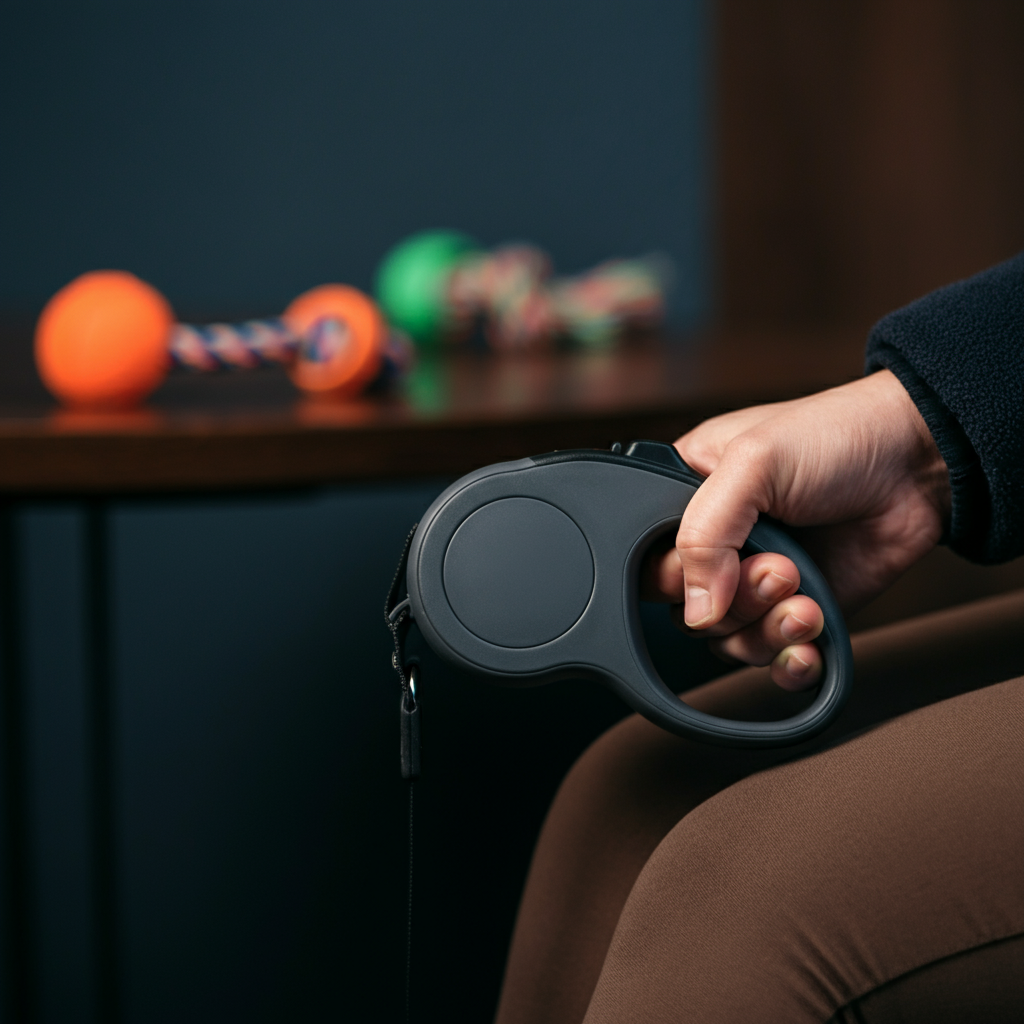
Mastering the locking mechanism is fundamental to safe retractable leash use. Almost all retractable leashes have a button or lever that controls the leash's extension and retraction. Familiarize yourself with this mechanism before your first walk. Practice locking and unlocking the leash in a safe, controlled environment to get a feel for how it works. The lock button allows you to maintain your dog at a set distance, preventing them from running too far ahead or into dangerous situations. Some leashes have a temporary "pause" button, while others have a permanent lock. Understanding the difference is key. A common mistake is not locking the leash when approaching a busy street or other potential hazard. Always be prepared to lock the leash quickly and effectively.

Step 3: Maintaining Control and Avoiding Tangling
Maintaining control of the leash and preventing tangling requires attentiveness and proactive measures. Keep a loose but aware grip on the handle. Avoid wrapping the leash around your hand or wrist, as this can cause serious injuries if your dog suddenly pulls. Always keep an eye on the leash's path to prevent it from tangling around trees, poles, or other obstacles. If you're walking in a crowded area, keep the leash shorter to maintain better control. Be mindful of other pedestrians and dogs, and adjust the leash length accordingly to avoid unwanted interactions or collisions. If the leash does become tangled, stop immediately and carefully untangle it, avoiding sudden movements that could startle your dog. Practice good leash management, and you can reduce the risk of accidents.
Step 4: Teaching Your Dog Leash Manners
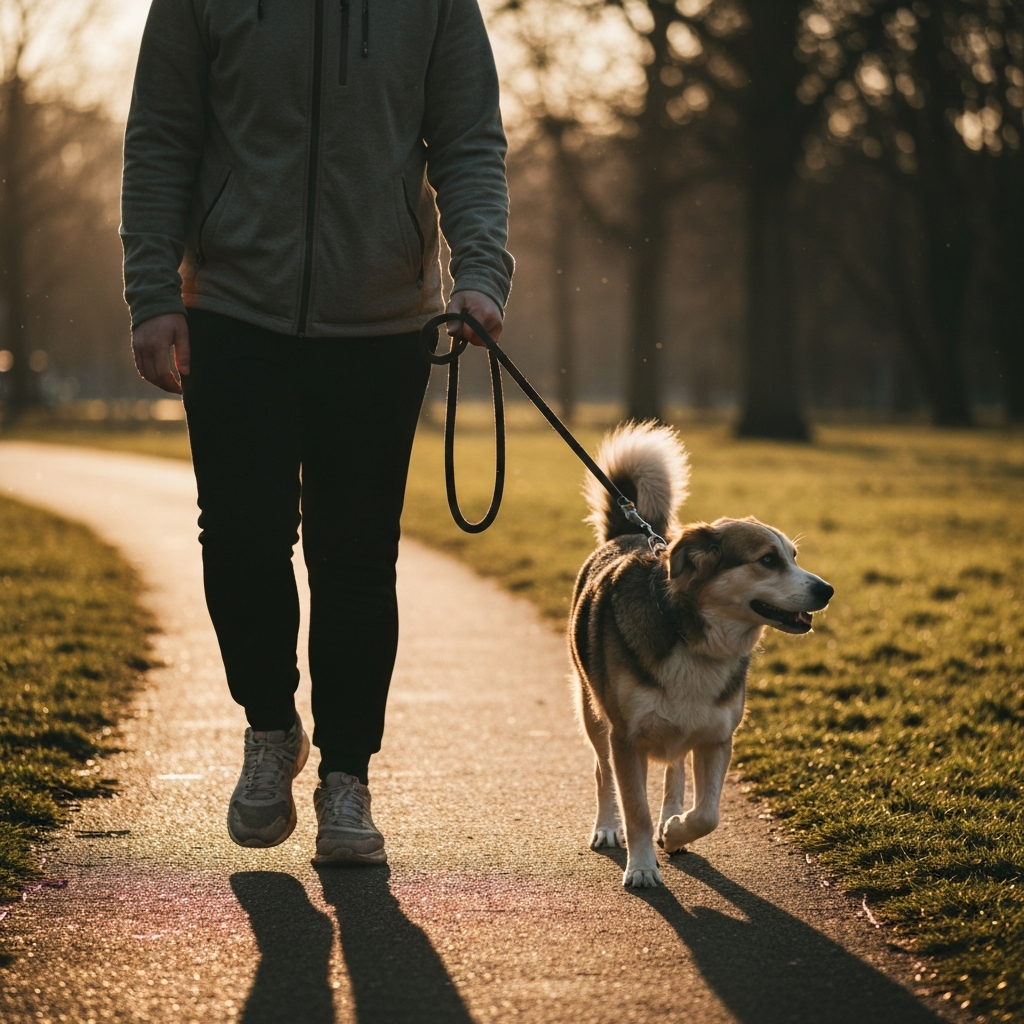
Effective leash manners are essential for a safe and enjoyable walking experience with a retractable leash. Before using the leash in a public setting, train your dog to walk politely on a loose leash. Use positive reinforcement techniques, such as treats and praise, to reward your dog for walking calmly by your side. If your dog starts to pull, stop walking and wait for them to return to your side before continuing. Consistency is key in leash training. Avoid allowing your dog to pull you, as this can reinforce the behavior and increase the risk of accidents. Consider using a harness instead of a collar, especially if your dog tends to pull, as harnesses distribute the pressure more evenly and reduce the risk of neck injuries. Remember that training takes time and patience, but the results are well worth the effort.
Step 5: Being Aware of Your Surroundings
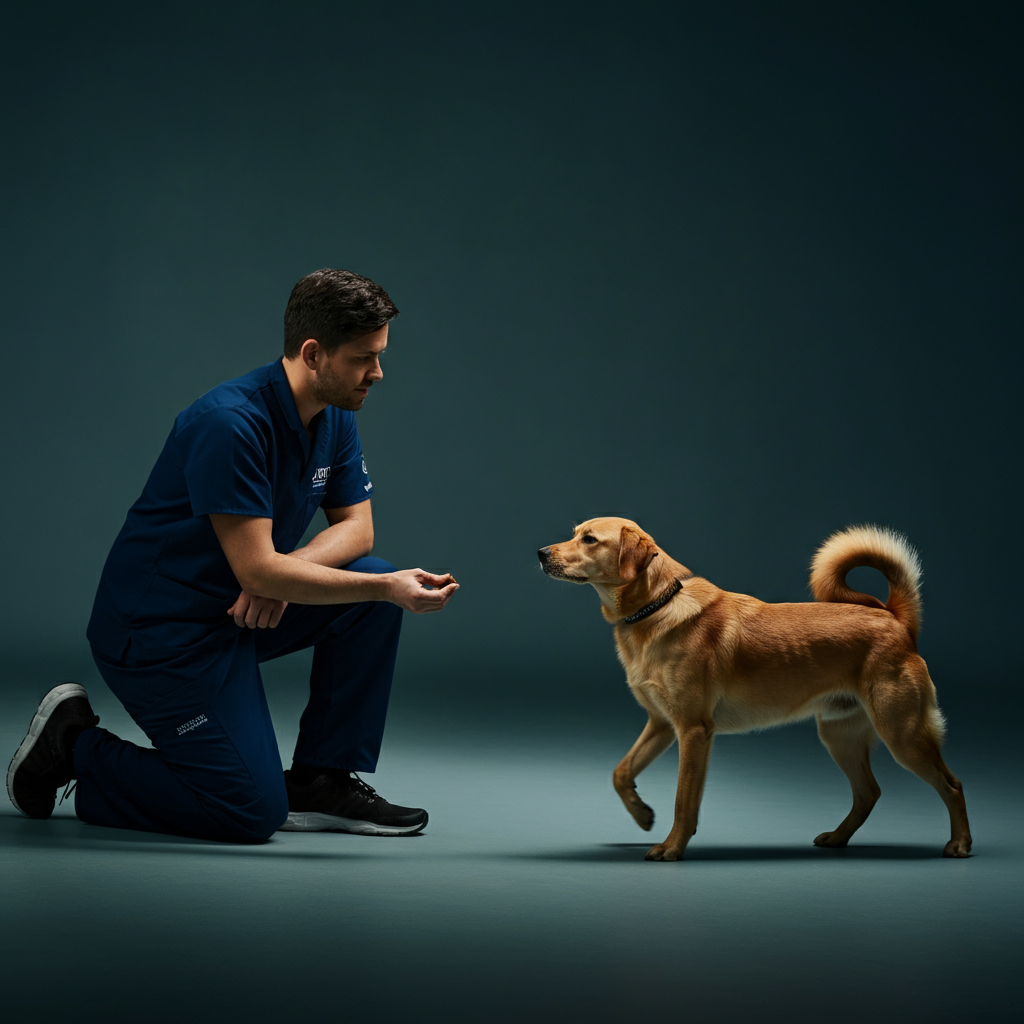
Situational awareness is crucial when using a retractable leash. Pay close attention to your surroundings, including other pedestrians, dogs, cyclists, and potential hazards such as traffic or broken glass. Anticipate potential problems and adjust the leash length accordingly. For example, shorten the leash when approaching a busy street or a group of people. Be particularly vigilant when walking near children, as they may be less predictable and more likely to approach your dog without warning. Always be prepared to react quickly to unexpected situations. Avoid distractions such as using your phone while walking your dog, as this can impair your ability to anticipate and respond to potential hazards. Being aware and proactive can significantly reduce the risk of accidents and injuries.
Safety Considerations
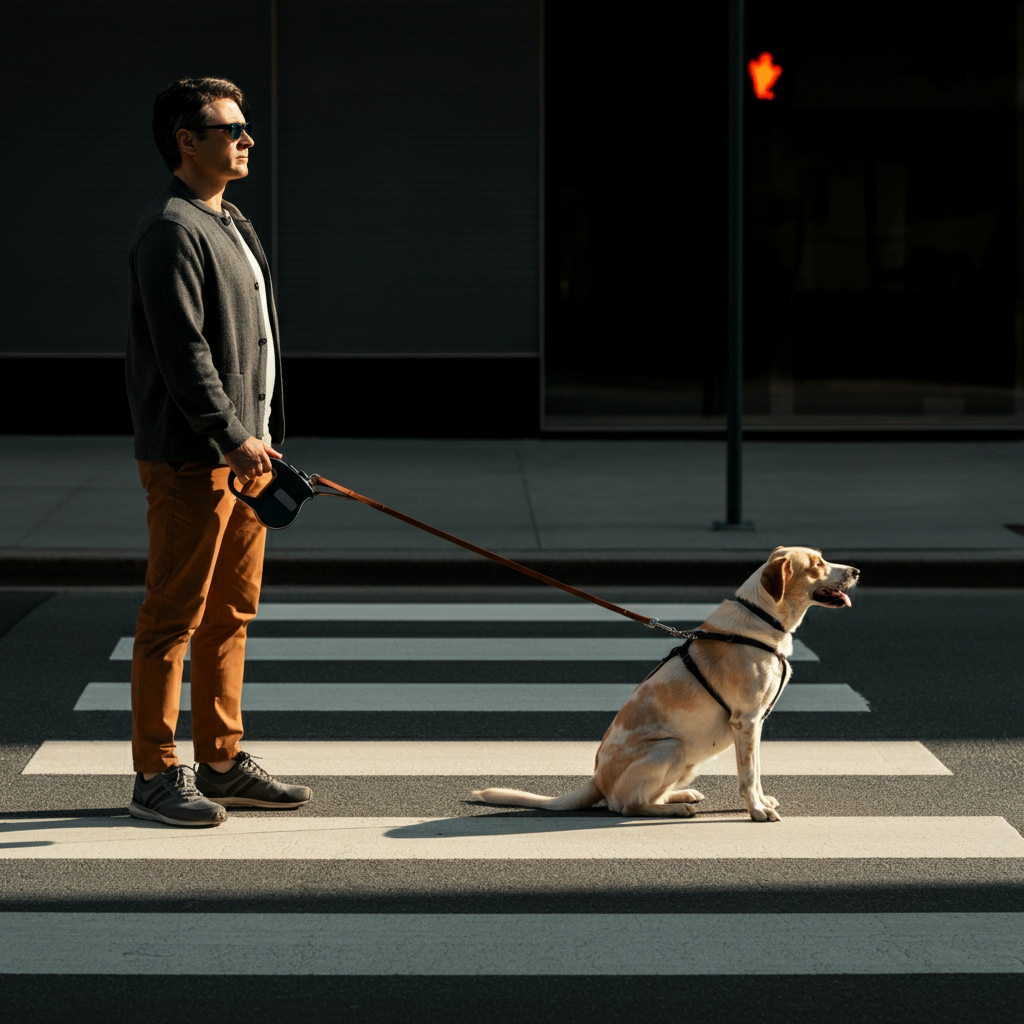
Retractable leashes, while convenient, do carry inherent risks. Burns from the leash line are a common injury. Never grab the leash line directly with your bare hands if your dog is pulling, as the rapid movement can cause friction burns. Another common hazard is entanglement. Keep the leash away from your legs and be mindful of potential obstacles that the leash could wrap around. Never allow children to use retractable leashes. The potential for injury is too high. Finally, always inspect the leash for wear and tear before each use. Look for frayed cords, damaged handles, or malfunctioning locking mechanisms. Replace the leash immediately if you notice any signs of damage.
Common Mistakes to Avoid
Several common mistakes can lead to accidents when using a retractable leash. One frequent error is not paying attention to the leash length, allowing the dog to wander too far away. Another mistake is using a retractable leash with a dog that has a history of pulling or lunging. Retractable leashes are not suitable for dogs with these behavioral issues. Overextending the leash in crowded areas or near traffic is another common mistake. It's also crucial to avoid using a retractable leash in situations where close control is necessary, such as during training sessions or in vet clinics. Lastly, failing to maintain the leash properly can lead to malfunctions and accidents.
Pro Tips
- Use a harness: Distributes pressure more evenly and reduces the risk of neck injuries.
- Practice in a controlled environment: Before venturing out, practice using the leash in a safe, enclosed area.
- Regularly inspect the leash: Check for signs of wear and tear before each use.
- Keep the leash clean: Wipe down the leash regularly to prevent dirt and grime from damaging the mechanism.
FAQ Section
- Are retractable leashes safe for all dogs?
- No, retractable leashes are not suitable for all dogs, particularly those that pull excessively or have unpredictable temperaments.
- How long should a retractable leash be?
- The ideal length depends on the environment. Shorter lengths are better for crowded areas, while longer lengths are suitable for open spaces.
- How do I clean a retractable leash?
- Wipe down the leash with a damp cloth and mild soap. Avoid immersing the handle in water.
Conclusion
Using a retractable leash responsibly requires knowledge, attentiveness, and a commitment to safety. By choosing the right leash, understanding the locking mechanism, maintaining control, teaching your dog leash manners, and being aware of your surroundings, you can minimize the risks and maximize the benefits of this type of leash. Always prioritize safety and be prepared to adapt your approach based on the situation. With proper use, a retractable leash can provide your dog with a greater sense of freedom while keeping them safely connected to you.