Unstable Unicorns is a strategic card game where players compete to build a stable of seven unicorns. Don't be fooled by the cute artwork; this game is filled with backstabbing, sabotage, and hilarious card combinations. The goal is simple: be the first player to collect seven Unicorn cards in your stable. But achieving that goal requires cunning, strategy, and a willingness to betray your friends.
This guide will walk you through everything you need to know to play and master Unstable Unicorns, from setting up the game to employing advanced strategies. We'll cover the different card types, game mechanics, and provide expert tips to help you outmaneuver your opponents and claim victory.
Whether you're a beginner looking to learn the ropes or an experienced player aiming to refine your skills, this guide has something for everyone. So, gather your friends, prepare for some magical mayhem, and let's dive into the world of Unstable Unicorns!
Step 1: Game Setup
1.1 Gathering Players and Components
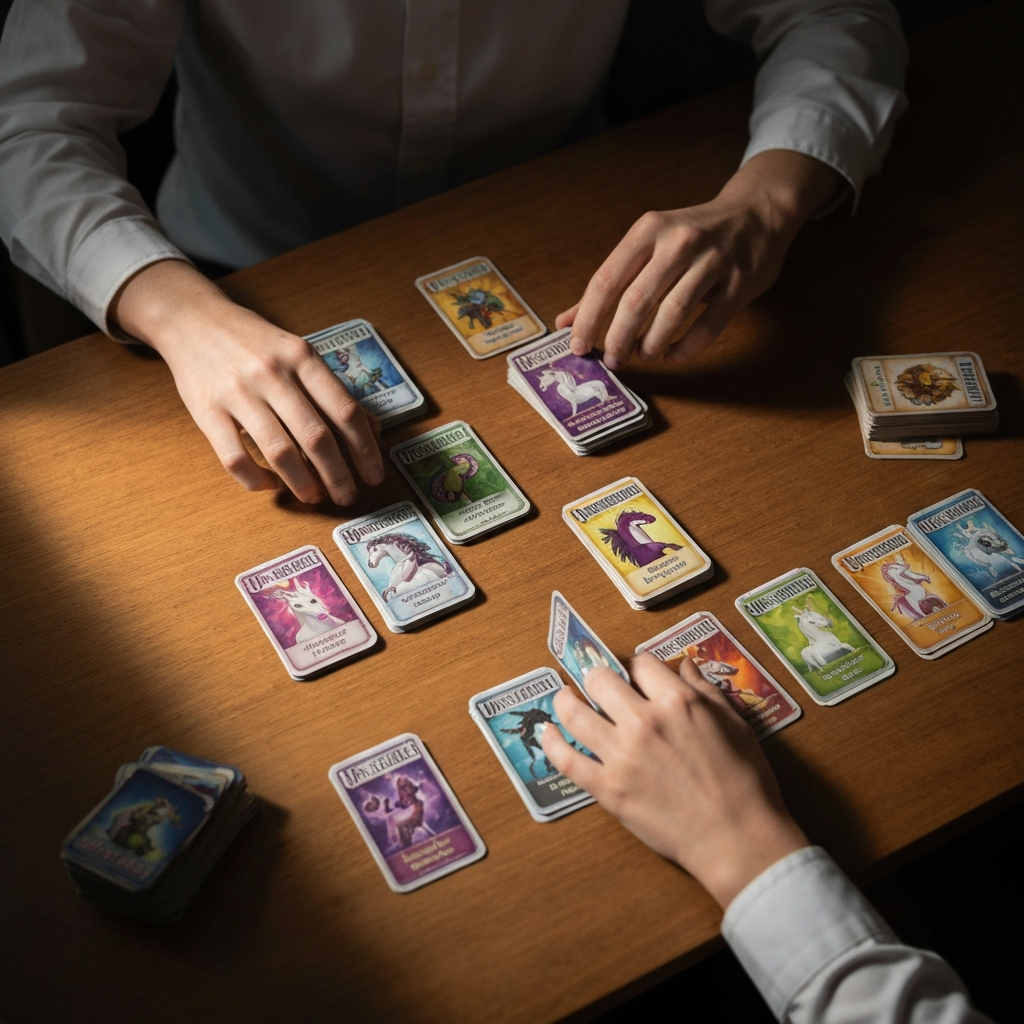
Unstable Unicorns supports 2-8 players, aged 8 and up. The game is best with more players, as it utilizes more of the deck's powerful card combinations and intensifies the strategic elements. Ensure you have the full deck of cards, including Unicorns, Magic, Upgrades, Downgrades, and Instant cards (Neigh cards). A stable playing surface is essential for organizing your cards and the central deck.
1.2 Distributing Starting Cards
Each player receives a Baby Unicorn card and a reference card. These Baby Unicorn cards are identical and form the initial unicorn in each player's stable. The reference card is crucial for new players, providing a quick overview of the card types and actions available during the game. Shuffle the remaining deck thoroughly and deal five cards face-down to each player. Players should keep their hands concealed from others. Place the remaining deck face-down in the center of the table as the draw pile.

1.3 Determining the First Player
Traditionally, the player wearing the most colors goes first, reflecting their "unicorn-like" qualities. However, you can choose any method to determine the starting player, such as random selection or the youngest player. The first player has a slight advantage, so consider rotating the starting player each game. The first player initiates gameplay in a clockwise direction.

Step 2: Playing a Turn
2.1 Beginning-of-Turn Effects
At the beginning of each turn (except the first), check for any cards in your stable with effects that activate "at the beginning of your turn." These effects can range from drawing extra cards to stealing unicorns from other players. The order in which you resolve these effects can be crucial, so plan carefully. If an effect states "may," it's optional; otherwise, it's mandatory.
2.2 Drawing a Card
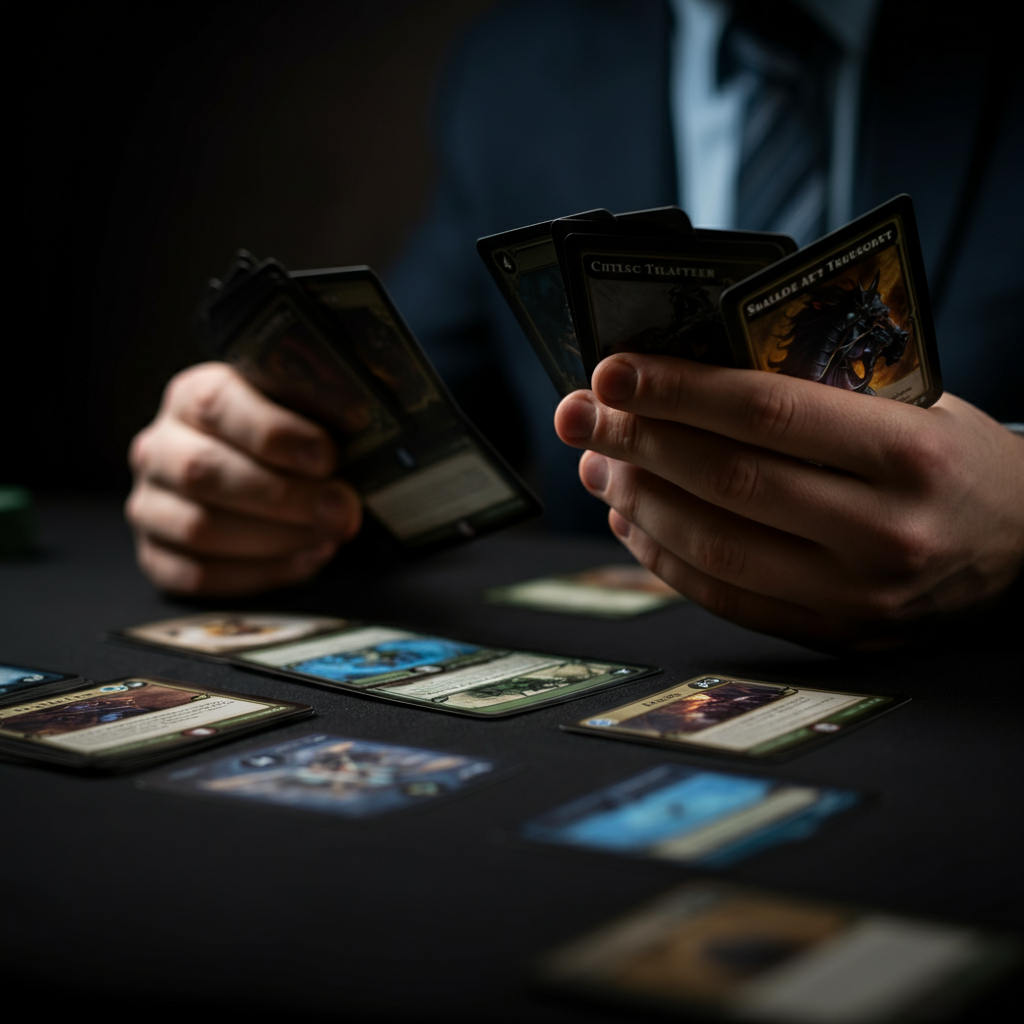
Draw one card from the top of the draw pile and add it to your hand. Keep the card hidden from other players. This card provides you with new options for playing actions or defending against attacks. Always be mindful of the remaining cards in the draw pile, as running out of cards triggers a different win condition.

2.3 Taking an Action
You can perform only one action per turn, unless a card effect grants you additional actions. Your action can be playing a Unicorn card (purple, blue, or indigo), playing a Magic card (green), playing a Downgrade card (yellow), playing an Upgrade card (orange), or drawing an additional card. Choosing the right action is key to advancing your strategy and hindering your opponents. Consider all available options before committing to an action.

2.4 Discarding Down to Seven Cards
At the end of your turn, if you have more than seven cards in your hand, you must discard cards until you have exactly seven. Discarded cards are placed face-up in the discard pile. Carefully consider which cards to discard, as they may be useful later or prevent future attacks. Don't discard essential defense cards unless absolutely necessary.

Step 3: Card Types and Their Effects
3.1 Unicorn Cards
Unicorn cards are the core of the game. Playing these cards into your stable is how you win. There are three types: Baby Unicorns (purple), which you start with and are sometimes added from the Nursery; Basic Unicorns (indigo), which have no special abilities but count towards your win condition; and Magical Unicorns (light blue), which have special abilities that trigger when played or at the beginning of your turn.
3.2 Magic Cards
Magic cards (green) have a variety of effects, ranging from destroying other players' unicorns to forcing them to discard cards. When you play a Magic card, resolve its effect immediately and then discard it. Strategic use of Magic cards is essential for disrupting your opponents' plans.
3.3 Downgrade Cards
Downgrade cards (yellow) have negative effects on other players. When you play a Downgrade card, you target another player, and the Downgrade remains in their stable until it is destroyed or sacrificed. Downgrades are a powerful tool for slowing down opponents who are close to winning.
3.4 Upgrade Cards
Upgrade cards (orange) provide bonuses to your stable or strategy. These cards remain in your stable until destroyed or sacrificed. Upgrades can significantly accelerate your progress towards victory. Some can also affect other players.
3.5 Instant Cards
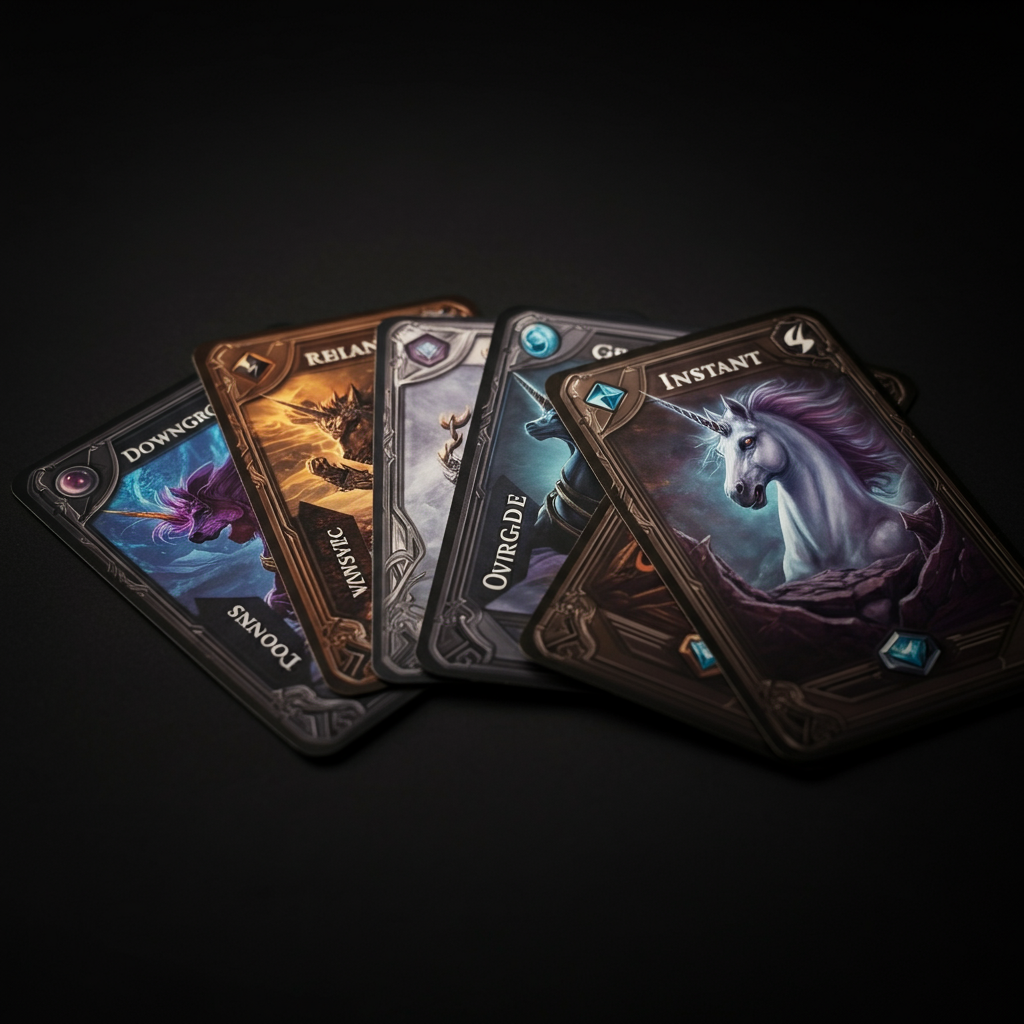
Instant cards (red exclamation point), most notably the "Neigh" card, can be played at any time, even during another player's turn. These cards are used to cancel the effects of other cards, such as preventing a player from playing a Unicorn or using a Magic card. Holding onto Instant cards is crucial for defending against attacks and sabotaging opponents.
Step 4: Key Game Terms
4.1 Draw
Drawing a card means taking the top card from the draw pile and adding it to your hand without showing it to other players.
4.2 Discard
Discarding a card means choosing a card from your hand and placing it face-up in the discard pile.
4.3 Sacrifice
Sacrificing a card means choosing a card from your stable and placing it in the discard pile. Sacrificing is often necessary to remove Downgrades or fulfill the requirements of certain card effects.
4.4 Destroy
Destroying a card means choosing a card from another player's stable and placing it in the discard pile. Destroying is a powerful way to eliminate threats and hinder your opponents' progress.
4.5 Steal
Stealing a card means taking a card from another player's stable and adding it directly to your own stable. Stealing Unicorns is a direct path to victory, but it can also make you a target for retaliation.
Step 5: Winning the Game
5.1 Achieving Seven Unicorns
The first player to have seven Unicorn cards in their stable wins the game. Remember that all Unicorn cards count towards this total, including Baby Unicorns, Basic Unicorns, and Magical Unicorns. In games with 6-8 players, the win condition is reduced to six Unicorns.
5.2 Running Out of Cards
If the draw pile runs out of cards, the game ends immediately. In this case, the player with the most Unicorn cards in their stable wins. If there is a tie, the player with the most letters in the names of all Unicorn cards in their stable wins. If there is still a tie, then no one wins!
FAQ Section
Q: What happens if I can't perform an action listed on a card?
A: If you cannot perform an action listed on a card, you cannot play that card. If another player's card forces you to do an action you cannot perform, simply ignore it.
Q: Can I play a Neigh card on my own turn?
A: No, Neigh cards can only be played during another player's turn to cancel their action.
Q: What does "any player" mean when targeting with a card effect?
A: "Any player" means you can target any player, including yourself.
Pro Tips
- Conserve Instant cards ("Neigh") for critical moments, such as when another player is about to play their seventh Unicorn.
- Pay attention to the discard pile. It can give you clues about what cards other players are holding or looking for.
- Don't be afraid to sacrifice your own Unicorns if it means removing a particularly harmful Downgrade.
- Form alliances with other players to take down a common threat, but be prepared to betray them when the time is right.
Common Mistakes to Avoid
- Forgetting to activate beginning-of-turn effects.
- Playing Upgrade cards on opponents by accident.
- Discarding valuable cards too early in the game.
- Not paying attention to the number of Unicorns in other players' stables.
Conclusion
Unstable Unicorns is a game of strategy, cunning, and a little bit of luck. By understanding the different card types, mastering the game mechanics, and employing the pro tips outlined in this guide, you'll be well on your way to building the ultimate stable and claiming victory. Remember to adapt your strategy based on the actions of your opponents and don't be afraid to take risks. Now go forth, embrace the chaos, and have fun!