The Nubian nose, a distinctive feature characterized by its long bridge, wider nostrils, and softly rounded tip, is a source of pride and cultural identity for many. Predominantly found among people of African descent, especially those with heritage tracing back to the Nubian region of modern-day Egypt and Sudan, it's more than just a physical attribute. The Nubian nose is often seen as a symbol of strength, beauty, authenticity, and a connection to one's African heritage.
In recent years, there has been a growing appreciation for diverse beauty standards, and the Nubian nose has been at the forefront of this movement. It’s a celebration of natural features and a rejection of Eurocentric ideals that have historically dominated beauty perceptions. This guide explores the defining characteristics of the Nubian nose, its historical context, and ways to celebrate and appreciate this unique and beautiful feature.
Whether you possess a Nubian nose yourself or simply want to learn more about its significance, this comprehensive guide provides valuable insights and practical tips. From understanding its origins to embracing it through makeup and hairstyle choices, we'll delve into everything you need to know about the Nubian nose.
Step 1: Identifying the Key Characteristics
Understanding the Anatomy of a Nubian Nose
The Nubian nose is distinguished by several key characteristics. Typically, it features a long nasal bridge, which gives it a prominent profile. The nostrils are wider and more flared compared to other nose shapes, and the tip is generally soft and rounded, lacking sharp definition. The skin of the nose may also be thicker and have a tendency to be slightly oily. While the bridge is long, the nose often appears narrower towards the top, broadening out in the middle and towards the base. Understanding these characteristics will help you identify and appreciate the unique beauty of the Nubian nose. Potential mistakes include confusing it with other broad nose types; the key is the combination of length and width along with the rounded tip.

Step 2: Exploring the Origins and Cultural Significance
Tracing the Nubian Nose to Its Roots
The prevalence of the Nubian nose can be traced back to the Nubian region of Africa, encompassing parts of present-day Egypt and Sudan. This area is characterized by a warm and humid climate. Scientists theorize that the wider nostrils and larger nasal cavity of the Nubian nose are evolutionary adaptations to these climatic conditions. These features allow for more efficient intake of warm, moist air, reducing the need for the body to expend energy humidifying and warming the air before it reaches the lungs. This biological adaptation has become a defining characteristic of people from this region and their descendants, carrying with it a rich cultural heritage.
Step 3: Celebrating Your Nubian Nose Through Makeup
Highlighting Your Natural Beauty
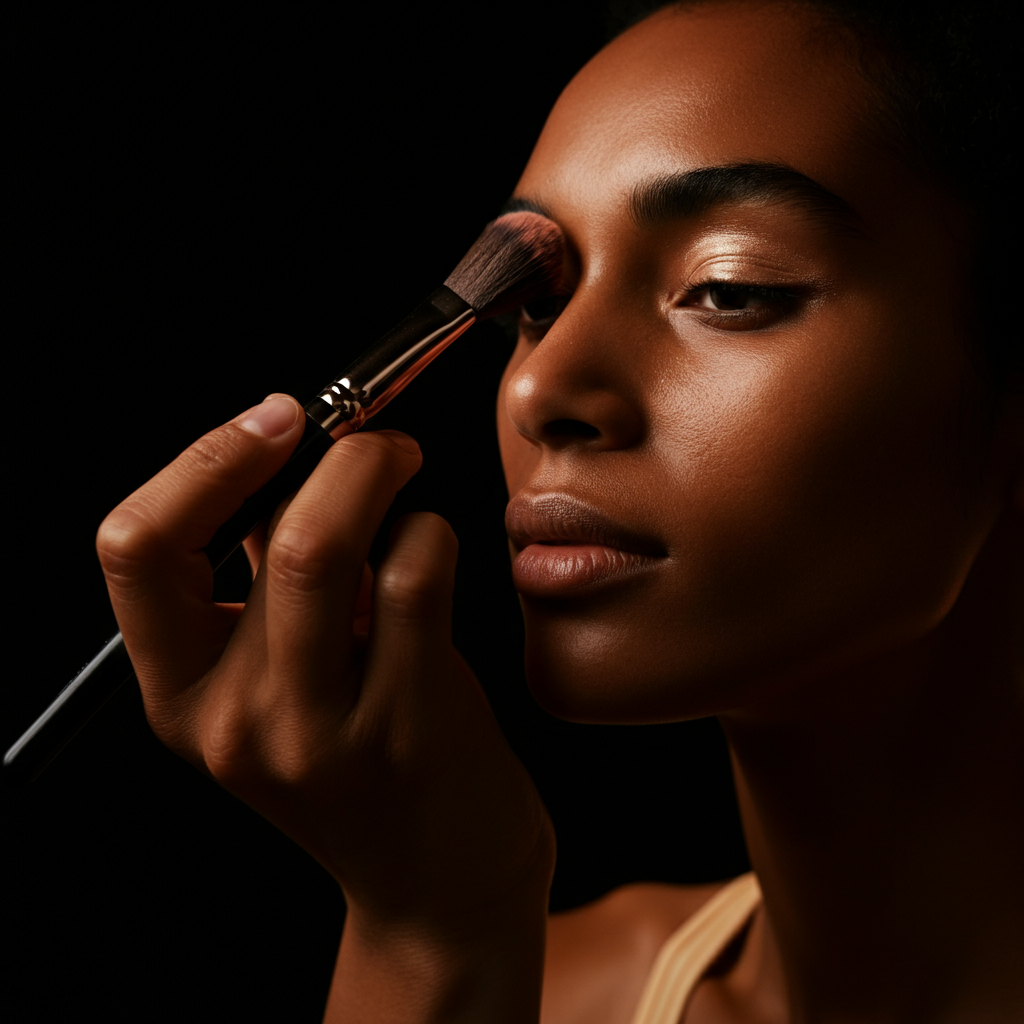
Makeup can be a powerful tool for celebrating and accentuating your Nubian nose. Instead of trying to minimize its appearance, embrace its unique features by using highlighting techniques. Apply a subtle highlighter down the bridge of your nose to draw attention to its length and shape. You can also use a touch of contour on the sides to add definition without making it appear smaller. Remember, the goal is to enhance your natural beauty and showcase your pride in your heritage. Avoid heavy contouring, which can create an unnatural and overly sculpted look.
Step 4: Choosing Hairstyles that Flatter Your Features
Framing Your Face with Confidence
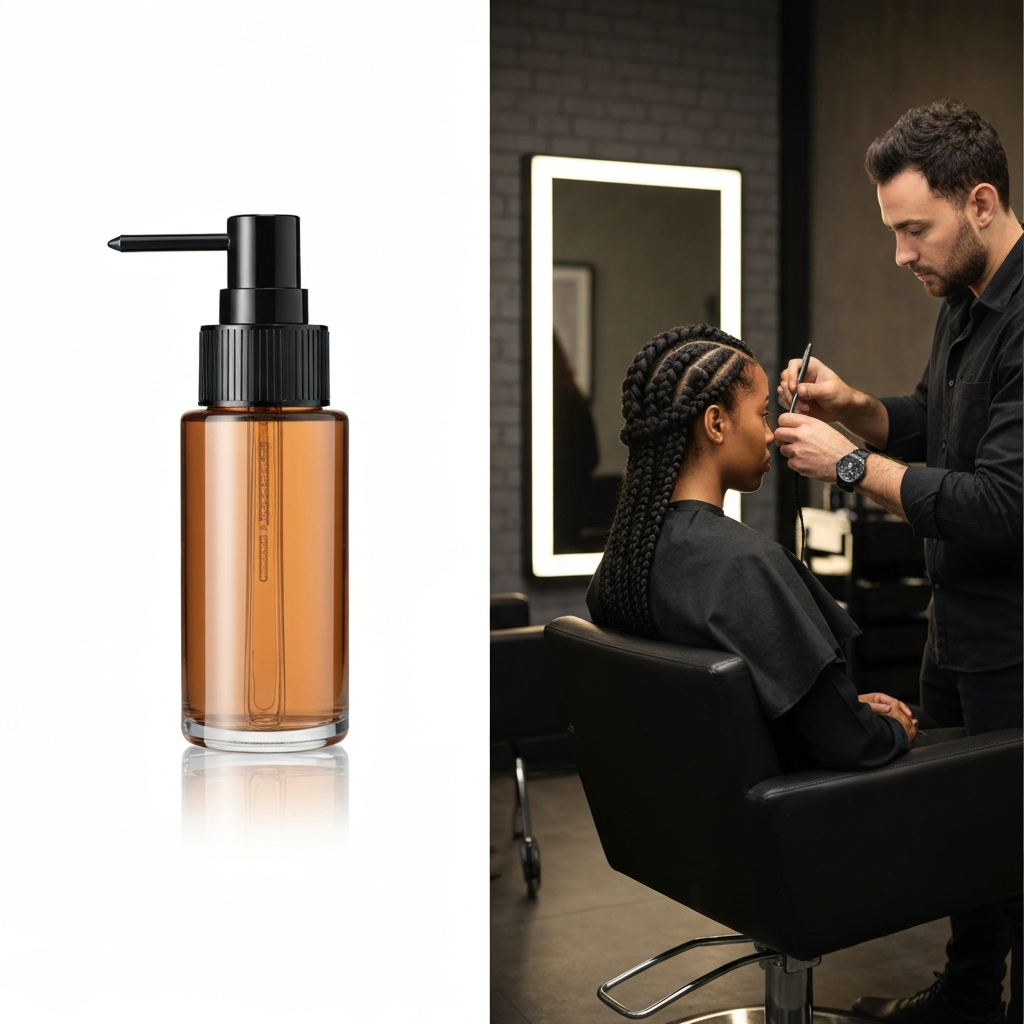
The right hairstyle can complement your Nubian nose and enhance your overall appearance. Hairstyles that draw attention to the face, such as ponytails, updos, and styles that keep hair away from the forehead, can beautifully showcase your features. Consider Afro-centric hairstyles like braids, afros, or cornrows to celebrate your heritage and create a striking look. Soft, layered haircuts can also frame your face and highlight your nose without overpowering it. Experiment with different styles to find what best suits your face shape and personality.
Step 5: Embracing Self-Love and Pride
Owning Your Unique Beauty
Ultimately, the most important step in celebrating your Nubian nose is to embrace self-love and pride. Recognize that your nose is a symbol of your heritage, strength, and resilience. Acknowledge its uniqueness and appreciate the beauty it brings to your face. Reject societal pressures to conform to Eurocentric beauty standards and instead, celebrate your individuality. Look in the mirror each day and remind yourself that your Nubian nose is a beautiful and integral part of who you are.

FAQ Section
- Is the Nubian nose more common in men or women? The Nubian nose is equally common in men and women, though men often have more prominent features.
- What are some common misconceptions about the Nubian nose? The false belief that it's less beautiful than other nose shapes or signifies "impurity."
Tools or Materials Required
- Highlighter
- Contour powder/cream
- Makeup brushes
- Hair styling tools
- Mirror
Common Mistakes to Avoid
- Attempting to completely reshape your nose with contouring.
- Choosing hairstyles that hide your face.
- Internalizing negative stereotypes about the Nubian nose.
Safety Considerations
- Ensure all makeup products are hypoallergenic and non-comedogenic.
- Avoid using harsh chemicals on your hair.
- Prioritize self-acceptance over striving for unrealistic beauty standards.
Pro Tips
- Consult with a makeup artist who specializes in highlighting and contouring diverse facial features.
- Experiment with different hairstyles to find what suits you best.
- Surround yourself with positive influences that celebrate diversity and self-love.
Conclusion
The Nubian nose is a beautiful and significant feature that represents heritage, strength, and authenticity. By understanding its characteristics, embracing self-love, and utilizing makeup and hairstyle techniques to enhance your natural beauty, you can celebrate your Nubian nose with pride and confidence. Remember, true beauty lies in embracing your individuality and rejecting societal pressures to conform to narrow beauty standards. Your Nubian nose is a unique and valuable part of what makes you, you.