Finding your signature style isn't about blindly following trends; it's about discovering and expressing your authentic self through your appearance. It's a journey of self-discovery that combines understanding your personality, lifestyle, and body type with careful experimentation and thoughtful curation. This guide will provide you with the tools and steps necessary to unlock a style that feels genuinely you, boosting your confidence and reflecting your unique identity.
Developing a signature style is more than just aesthetics. It's about creating a cohesive and recognizable image that communicates who you are without saying a word. Think of it as your personal brand, influencing how others perceive you and, more importantly, how you feel about yourself. This process is iterative, allowing you to refine and evolve your style as you grow and change.
This guide will walk you through the crucial steps, from self-assessment to practical implementation, to help you cultivate a signature style that is both authentic and achievable. Get ready to embark on a journey of self-expression and style empowerment!
Step 1: Introspection and Self-Assessment
Understanding Your Values, Lifestyle, and Personality
The foundation of a signature style lies in understanding yourself. Take some time to reflect on your core values, your daily lifestyle, and your dominant personality traits. Are you practical and down-to-earth? Creative and expressive? Sophisticated and refined? Your style should align with these aspects of your being. For example, if you value comfort and practicality, a minimalist, functional wardrobe might be a good fit. If you're artistic and expressive, you might lean towards bolder colors, unique textures, and statement pieces. Consider how you spend your time – are you often in formal settings, or do you prioritize outdoor activities? Your clothing should be appropriate for your daily activities.

Step 2: Define Your Style Inspirations
Gathering Visual References and Identifying Key Elements
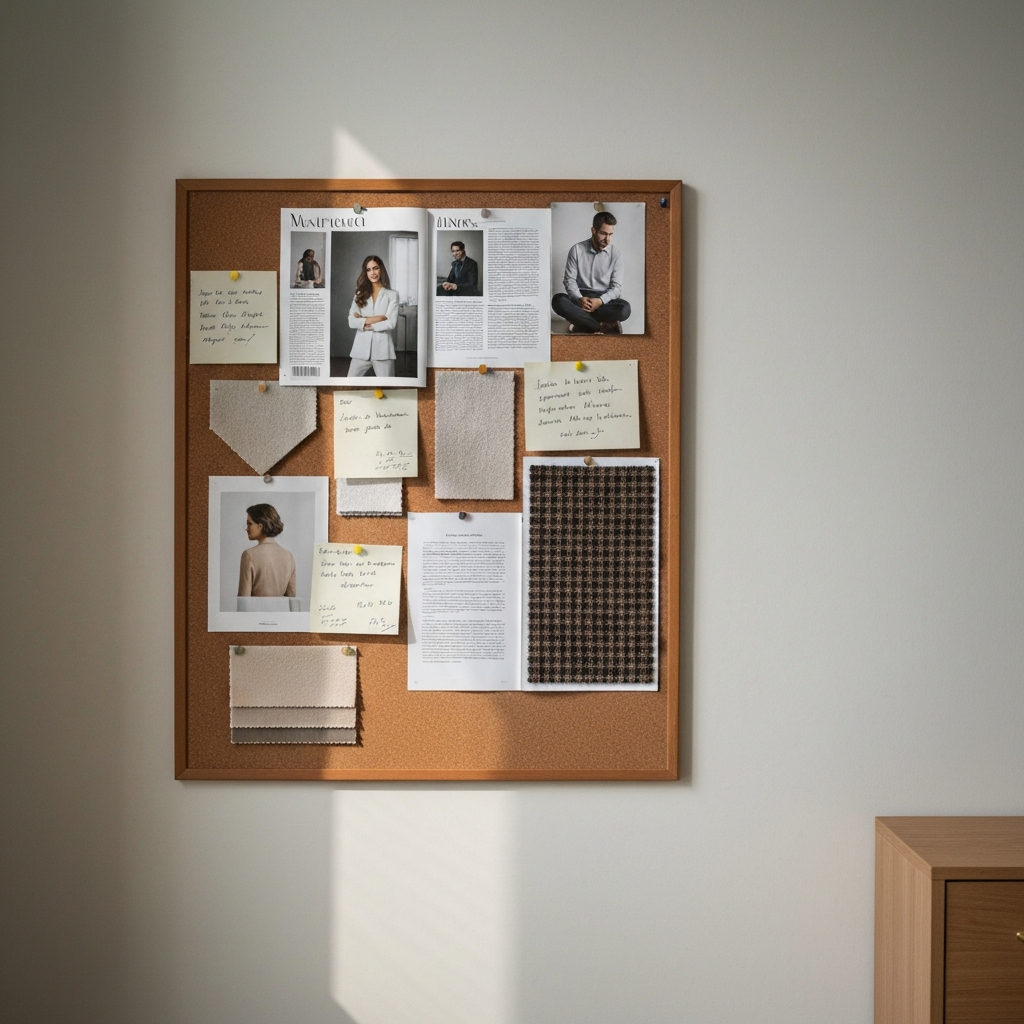
Look for inspiration everywhere – magazines, blogs, movies, social media, or even people you admire in your daily life. Create a mood board or a digital collection of images that resonate with you. Don't just focus on entire outfits; pay attention to details like color palettes, textures, silhouettes, and accessories. Once you have a collection of images, analyze them to identify common threads. What specific elements do you consistently gravitate towards? Is it a particular color, a certain fabric, or a recurring silhouette? These elements will become the building blocks of your signature style. It's important to remember that inspiration is a starting point, not a direct copy. Adapt and personalize these ideas to make them your own.
Step 3: Understand Your Body Type and Coloring
Choosing Flattering Silhouettes and Colors
Understanding your body type and coloring is crucial for selecting clothes that flatter your figure and enhance your natural beauty. Experiment with different silhouettes to see what works best for your body shape. Don't be afraid to try things on that you wouldn't normally consider. In terms of coloring, determine whether you have warm or cool undertones. Warm undertones tend to suit gold jewelry and earthy colors, while cool undertones often look best in silver jewelry and cooler shades. Consider your hair and eye color as well. This knowledge will help you create a wardrobe that complements your features and makes you feel confident.

Step 4: Curate Your Wardrobe
Building a Foundation of Versatile Basics and Statement Pieces
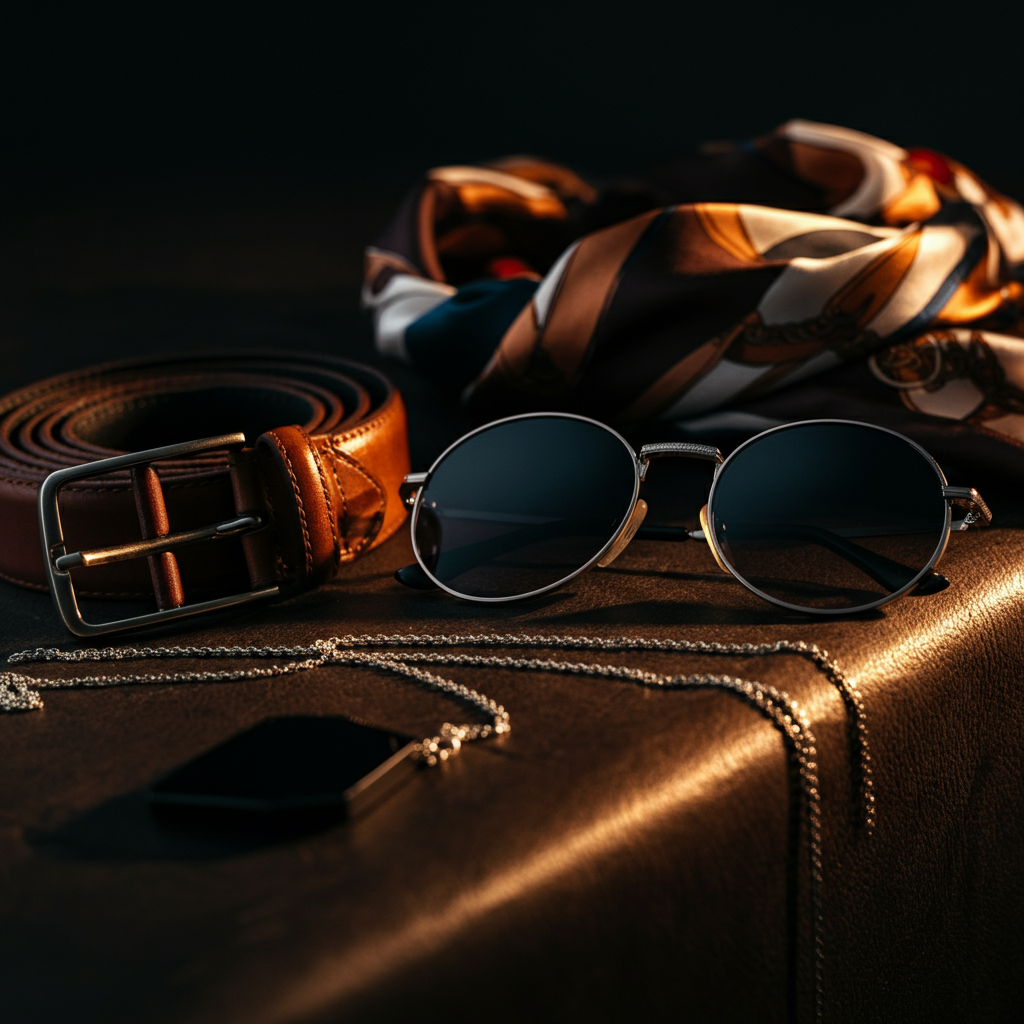
Start by creating a capsule wardrobe of versatile basics in neutral colors that can be mixed and matched easily. These are your building blocks – classic jeans, a well-fitting blazer, a white button-down shirt, a little black dress, etc. Invest in high-quality pieces that will last for years. Once you have your basics in place, add statement pieces that reflect your personality and style inspirations. These can be anything from a bold patterned scarf to a unique piece of jewelry to a brightly colored coat. Be mindful of how these pieces integrate with your core basics. The goal is to create a wardrobe that is both functional and expressive.

Step 5: Experiment with Accessories
Adding Personal Touches and Finishing Details
Accessories are the finishing touches that can elevate your look and truly make it your own. Don't underestimate the power of a well-chosen scarf, necklace, pair of earrings, or handbag. These small details can add personality, color, and interest to even the simplest outfits. Consider investing in a few high-quality, timeless accessories that you can wear with a variety of outfits. Experiment with different styles to find what complements your overall look. Pay attention to scale and proportion – a delicate necklace might get lost on a bold patterned dress, while a chunky statement necklace can add drama to a simple top.
Step 6: Refine and Evolve
Regularly Evaluating and Adjusting Your Style
Developing a signature style is an ongoing process, not a one-time event. Regularly evaluate your wardrobe, your style inspirations, and your personal preferences. As you grow and change, your style should evolve with you. Don't be afraid to experiment with new trends or try new things, but always stay true to your core values and personality. Regularly declutter your closet, donating or selling items that no longer fit your style or your body. Keep a journal of your outfits, noting what worked well and what didn't. This will help you identify patterns and refine your style over time.
Common Mistakes to Avoid
- Following trends blindly without considering your personal style.
- Wearing clothes that don't fit properly.
- Being afraid to experiment and step outside of your comfort zone.
- Over-accessorizing or wearing too many conflicting patterns.
- Holding onto clothes that you no longer wear or that don't make you feel good.
Conclusion
Unlocking your signature style is a journey of self-discovery and creative expression. By understanding your values, lifestyle, and body type, gathering inspiration, curating your wardrobe, and experimenting with accessories, you can cultivate a style that is both authentic and empowering. Remember to regularly refine and evolve your style as you grow and change, and don't be afraid to embrace your unique personality. The most important thing is to feel confident and comfortable in your own skin.