Losing a pet is an incredibly painful experience. They become members of our families, providing unconditional love and companionship. Once the initial shock and grief subside, the practical matter of laying your beloved friend to rest arises. This guide aims to provide you with a comprehensive, step-by-step approach to burying your pet with dignity and respect.
Whether you choose to bury your pet at home, in a pet cemetery, or opt for cremation, understanding the legal considerations, practical steps, and emotional aspects of the process is crucial. We'll walk you through everything from checking local regulations to selecting a suitable burial site and creating a meaningful farewell.
Remember to take your time and allow yourself to grieve. This guide is intended to help you navigate the practicalities, allowing you to focus on honoring the memory of your cherished companion. Let's begin.
Step 1: Confirm Your Pet Has Passed
Before proceeding with any burial arrangements, it is essential to confirm that your pet has indeed passed away. While this may seem obvious, shock and grief can sometimes cloud judgment. Check for vital signs such as a pulse and breathing. If you are unsure, contact your veterinarian immediately for guidance. A veterinarian can provide a professional assessment and ensure that your pet is no longer suffering.

Step 2: Immediate Care of the Body
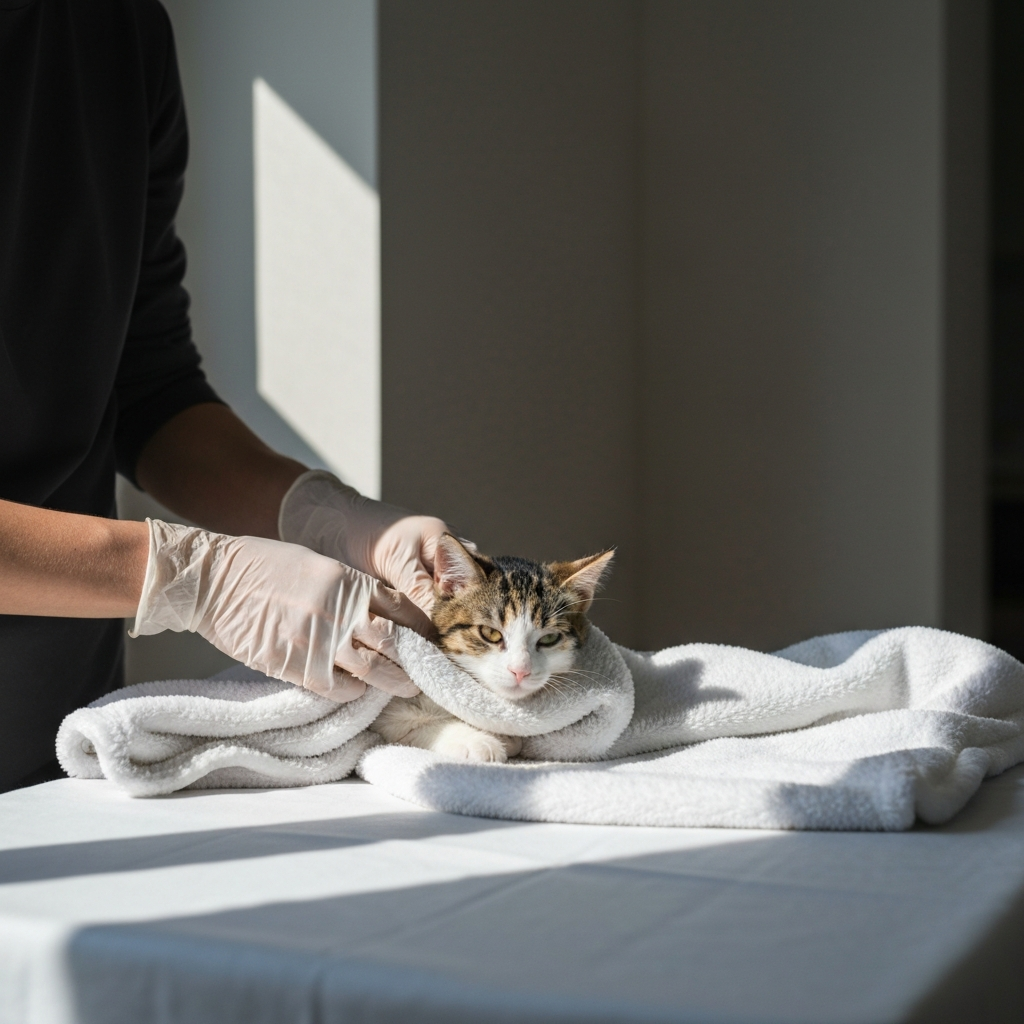
Decomposition begins soon after death, so prompt action is necessary. The speed of decomposition depends on environmental factors such as temperature and humidity. If burial is not immediately possible, take steps to preserve the body temporarily. Wrapping the body in a blanket and placing it in a cool location, such as a refrigerator (if size permits), can slow down the process. Alternatively, freezing the body will provide longer-term preservation. If neither of these options is available, placing the body unwrapped on a concrete surface can help draw out heat.
Step 3: Legal and Ethical Considerations
Before proceeding with burial on your property, it is crucial to research and adhere to local regulations. Many municipalities have specific laws regarding pet burials, including restrictions on burial locations and depths. Contact your local city hall, animal control, or health department to inquire about any ordinances or permits required. Burying a pet illegally can result in fines or other penalties. Additionally, consider the ethical implications. If your pet was euthanized, be aware that the chemicals used may persist in the body, making natural decomposition potentially harmful to the environment. Always err on the side of caution.

Step 4: Choosing a Burial Location
If burying on your property is permitted, select a suitable location. Ideally, the burial site should be on high ground to prevent water accumulation and at least 50-100 feet away from any wells, ponds, rivers, or drainage ditches. Avoid areas with shallow bedrock, as decomposition can contaminate groundwater. Consider factors such as ease of access, aesthetics, and the presence of utility lines. Call your local utility company to mark any underground lines before digging. For those opting for a pet cemetery, research different cemeteries in your area and consider factors such as price, location, and the cemetery's dedication status (ensuring its long-term preservation).

Step 5: Preparing the Grave
Digging a grave is physically demanding, so enlist help if needed. The depth of the grave depends on the size of your pet, but a minimum of 3 feet is recommended to deter scavengers. Ensure the grave is wide and long enough to accommodate the pet's body and any chosen container. If you wish for natural decomposition and your pet died of natural causes, a shallower grave (around 1.5 feet) may be sufficient. For above-ground burial, create a mound of soil at least 18 inches high.

Step 6: Preparing the Pet for Burial
Depending on your preferences and the circumstances of your pet's death, you can choose to bury your pet directly in the earth or in a container. If your pet was euthanized or died from a contagious disease, it is recommended to use a heavy-duty plastic bag and a durable container such as a wooden or metal box. This will help prevent environmental contamination. Consider lining the box with soft bedding or including favorite toys or keepsakes. If you are burying your pet directly in the earth and they died of natural causes, you can wrap them in a biodegradable shroud.

Step 7: The Burial Ceremony
Consider holding a small ceremony to honor your pet's life. This can be a simple gathering with family and friends, or a private moment of reflection. Read a poem, share memories, or offer a eulogy. Involve children in the process by allowing them to write letters or create artwork to place in the grave. Lighting candles or playing a favorite song can also add a personal touch. The goal is to create a meaningful farewell that brings comfort and closure.

Step 8: Marking the Grave
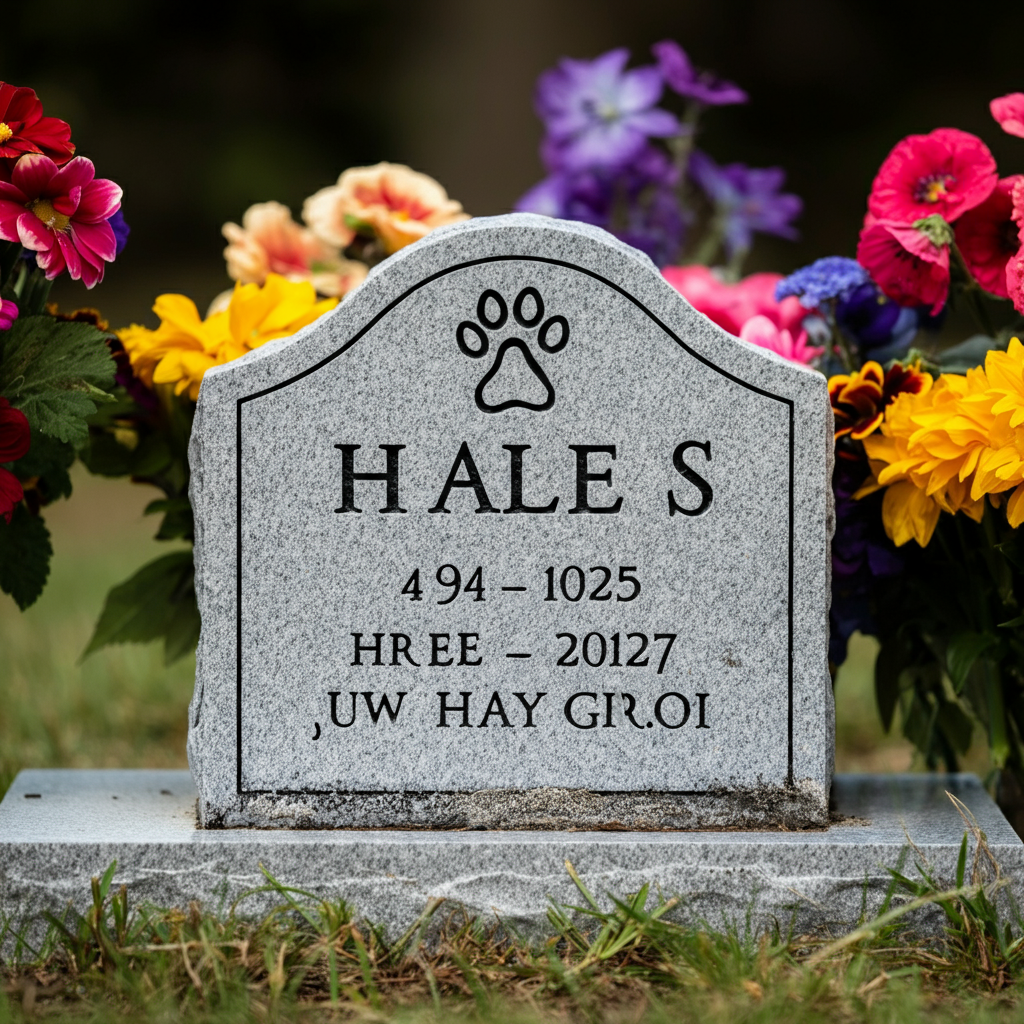
After filling the grave with soil and packing it down firmly, mark the spot with stones, a decorative headstone, or a planted memorial such as a rose bush or tree. Stones also serve as a deterrent to scavengers. Choose a marker that reflects your pet's personality and serves as a lasting tribute to their memory. Consider engraving the headstone with your pet's name, dates of birth and death, and a heartfelt message.
Step 9: Alternative Options
If you are unable to bury your pet yourself, or if burial is not permitted, explore alternative options. Many veterinary clinics offer cremation services, either individual (where you receive your pet's ashes back) or group cremation. Animal control or sanitation departments may also offer pet disposal services, although this option may feel less personal. Consider the emotional impact of each option and choose the one that provides the most comfort and peace of mind.
Tools or Materials Required
- Shovel
- Heavy-duty plastic bags (optional)
- Wooden or metal box (optional)
- Blanket or shroud
- Gloves
- Marking stones or headstone
- Flowers or other decorations (optional)
Common Mistakes to Avoid
- Failing to check local regulations before burying.
- Choosing a burial site near water sources or utility lines.
- Digging a grave that is too shallow.
- Not protecting the body from scavengers.
- Neglecting to mark the grave.
Safety Considerations
- Call your local utility company to mark underground lines before digging.
- Wear gloves to protect yourself from bacteria and parasites.
- Be mindful of the physical strain involved in digging a grave.
FAQ Section
- Is it legal to bury my pet in my backyard?
- It depends on your local regulations. Contact your city hall, animal control, or health department to inquire about specific ordinances.
- How deep should the grave be?
- A minimum of 3 feet is recommended to deter scavengers.
- What if my pet was euthanized?
- It is recommended to use a heavy-duty plastic bag and a durable container to prevent environmental contamination.
- What can I do if I can't bury my pet myself?
- Explore cremation services offered by veterinary clinics or pet cemeteries. Animal control or sanitation departments may also offer pet disposal services.
Conclusion
Burying a pet is a deeply personal and emotional experience. By following these steps and considering the legal, practical, and emotional aspects involved, you can ensure that your beloved companion is laid to rest with dignity and respect. Remember to take your time, allow yourself to grieve, and create a meaningful farewell that honors the memory of your cherished pet. The love and companionship they provided will forever be treasured.