Layovers and transfers are often perceived as unavoidable inconveniences when traveling by air. However, with a little foresight and strategic planning, these transitional periods can become valuable opportunities to relax, explore, and even enhance your overall travel experience. Don't just endure your layover; embrace it!
This guide provides expert tips and actionable strategies to transform potentially stressful transfers into seamless transitions, and lengthy layovers into mini-adventures. We’ll cover everything from pre-trip preparation and airport navigation to relaxation techniques and local exploration. Learn how to make the most of every minute, turning travel delays into unexpected delights.
Whether you're a seasoned globetrotter or a first-time flyer, these techniques will empower you to navigate airports with confidence and transform downtime into valuable and enriching travel experiences. Get ready to unlock the potential of your layovers and transfers and become a more savvy and relaxed traveler. Consider this your ultimate layover and transfer survival guide.
1. Pre-Flight Preparation: Know Your Layovers and Airport Layout
Before your trip even begins, invest some time in understanding the details of your layovers and transfers. This includes noting the duration of each layover and identifying the airports you'll be passing through. Accessing airport maps online will give you a good sense of the layout, including terminal locations, gate numbers, and key amenities. Knowing this information in advance will prevent last-minute scrambling and allow you to formulate a game plan for making the most of your time. Proactive planning is key to a stress-free layover.

2. Research Airport Amenities and Services
Once you know your layover airports, delve into the specific amenities and services they offer. Many airports boast impressive features, such as restaurants, shops, lounges, spas, and even art installations or gardens. Check the airport's website for a comprehensive list of facilities, including opening hours and locations. Some airports also have nearby attractions or landmarks that you can explore during a longer layover. Don't underestimate the power of a pre-booked massage or a delicious meal to alleviate travel fatigue.

3. Pack a Smart Carry-On
A well-stocked carry-on bag is essential for a comfortable layover. Include items such as a change of clothes, toiletries (travel-sized, of course!), chargers for your electronic devices, entertainment options like books or movies, and any necessary travel adapters. A comfortable travel pillow and eye mask can also be lifesavers for catching some much-needed rest. Remember any essential medication that you might need during your trip. A small snack can also be a welcome addition.

4. Utilize Airport Lounges
Airport lounges offer a haven of peace and comfort amidst the hustle and bustle of the airport. Consider purchasing a day pass or gaining access through your airline, credit card benefits, or a lounge membership program. Lounges typically provide amenities such as comfortable seating, Wi-Fi access, complimentary food and beverages, showers, and sometimes even spa services. A lounge can be particularly valuable during a lengthy or delayed layover.

5. Explore the Airport (If Time Allows!)
If you have a sufficiently long layover (at least 3-4 hours), consider exploring the airport itself. Many modern airports are designed as destinations in their own right, featuring unique art installations, botanical gardens, observation decks, and more. Follow the signs or ask airport staff for recommendations on points of interest. Just be sure to allow ample time to return to your gate before boarding begins. Always be aware of the time and your gate's location.

6. Stretch and Move to Combat Travel Fatigue
Long flights can leave you feeling stiff and fatigued. Use your layover time to stretch and walk around the airport. Many airports have designated areas for stretching or even fitness facilities. Even a short walk can improve circulation and boost your energy levels. Simple stretches like neck rolls, shoulder shrugs, and leg swings can work wonders. Staying active during your layover can help combat jet lag and keep you feeling refreshed.

7. Navigate Transfers Like a Pro
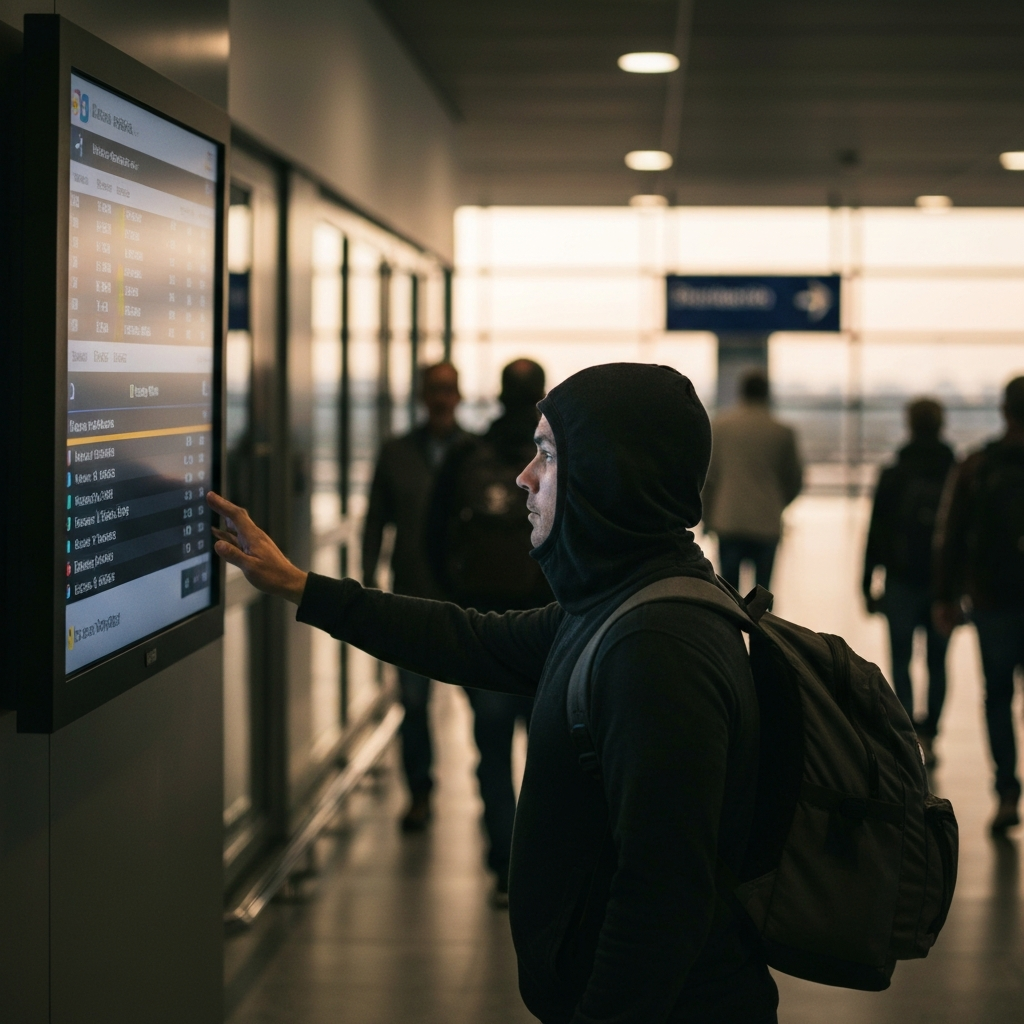
If you have a connecting flight, familiarize yourself with the transfer process in advance. Look for signs or ask airport staff for guidance on immigration procedures, baggage claim (if applicable), security checks, and boarding gates. Note down your next gate number and boarding time as soon as you can. Plan your time accordingly to ensure a smooth transition between flights. Download airport maps and flight tracking apps to your phone for up-to-date information.
Tools or Materials Required
- Smartphone with internet access
- Travel apps (airport maps, flight trackers, language translators)
- Comfortable walking shoes
- Travel pillow and eye mask (optional)
- Credit cards or lounge membership for lounge access (optional)
Common Mistakes to Avoid
- Underestimating transfer times
- Not checking for gate changes
- Leaving valuables unattended
- Drinking too much alcohol
- Forgetting to set alarms to avoid missing flights
Safety Considerations
- Be aware of your surroundings and keep your belongings secure.
- Avoid accepting items from strangers.
- Report any suspicious activity to airport security.
- Stay hydrated by drinking plenty of water.
Pro Tips
- Set multiple alarms on your phone to ensure you don't miss your connecting flight.
- Consider purchasing travel insurance that covers flight delays and cancellations.
- Download entertainment (movies, podcasts, e-books) to your device before your trip.
- Learn a few basic phrases in the local language.
FAQ Section
Q: What if my flight is delayed and I miss my connection?
A: Contact your airline immediately. They are responsible for rebooking you on the next available flight to your destination. If the delay is significant, they may also provide accommodation and meals.
Q: How much time should I allow for a transfer?
A: As a general rule, allow at least one hour for domestic transfers and two hours for international transfers. However, it's always best to check with your airline for specific recommendations.
Q: Can I leave the airport during a layover?
A: Yes, but only if you have enough time and the necessary visa (if required). Be sure to factor in travel time to and from the airport, as well as time for security checks and boarding procedures.
Conclusion
Layovers and transfers don't have to be dreaded parts of your journey. By planning ahead, utilizing airport amenities, and staying organized, you can transform these transitional periods into valuable opportunities to relax, explore, and enhance your overall travel experience. Embrace the unexpected, stay flexible, and remember that even the most frustrating travel delays can lead to unexpected adventures. With the right mindset and preparation, you can master layovers and transfers and become a more confident and savvy traveler.