Ensuring your beloved companion receives the best nutrition is a top priority for any pet owner. Commercially available pet foods often contain fillers, artificial preservatives, and questionable ingredients. The solution? Crafting your own organic pet food allows you to control exactly what goes into their bowl, promoting optimal health and well-being. This guide provides a step-by-step approach to creating wholesome, delicious, and organic meals for your furry, feathered, or scaled friend.
Making organic pet food is not only a way to provide a healthier diet but also a fulfilling experience. Knowing you're feeding your pet food made with love and carefully selected ingredients can bring immense peace of mind. This guide will walk you through sourcing organic ingredients, understanding nutritional requirements, and preparing balanced meals tailored to your pet's specific needs. It's important to remember that this should complement and not necessarily replace commercially prepared food, especially if specially formulated for a medical condition.
Whether you're a seasoned home cook or a beginner in the kitchen, this comprehensive guide will equip you with the knowledge and skills necessary to create organic pet food that your pet will adore. We'll cover safety considerations, ingredient selection, and storage tips to ensure your pet's food is both nutritious and safe. Let's embark on this journey to better health and happiness for your cherished companion!
Step 1: Research Your Pet's Nutritional Needs
Before diving into recipes, it's crucial to understand your pet's specific nutritional requirements. Different species, breeds, ages, and activity levels have varying dietary needs. Consulting with a veterinarian or a qualified pet nutritionist is highly recommended to determine the appropriate balance of protein, carbohydrates, fats, vitamins, and minerals for your pet. For example, a growing puppy needs significantly more protein and calcium than a senior dog, and a highly active cat requires more calories than a sedentary one.

Step 2: Source High-Quality Organic Ingredients
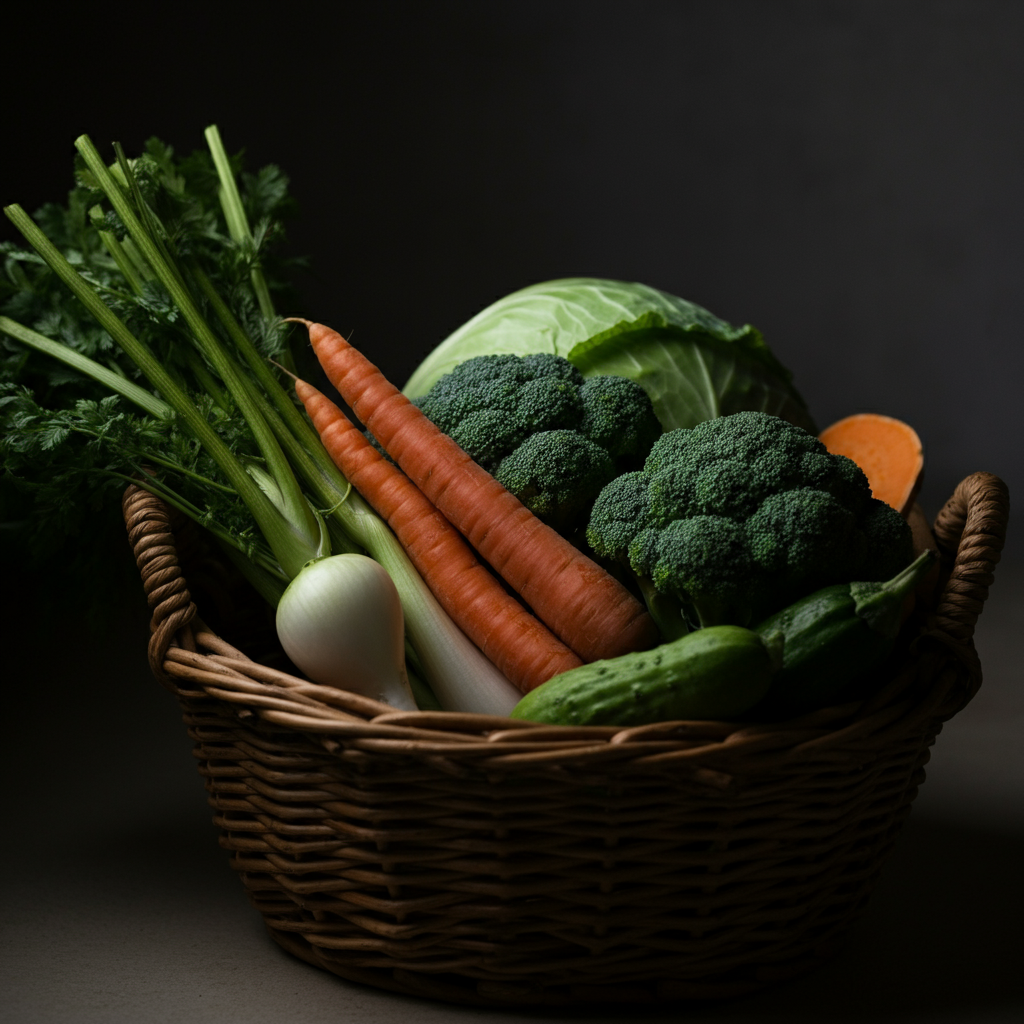
The foundation of any good organic pet food is, naturally, high-quality organic ingredients. Look for certified organic meats, poultry, fish, vegetables, and grains. "Certified organic" means the ingredients have been grown and processed according to strict standards, minimizing exposure to pesticides, herbicides, and artificial fertilizers. Local farmers' markets and health food stores are excellent sources for fresh, seasonal organic produce. When purchasing meat, opt for grass-fed, pasture-raised options whenever possible. For treats, consider a base of organic honey or peanut butter (xylitol-free!).
Step 3: Choose a Recipe Suitable for Your Pet
Once you understand your pet's nutritional needs and have sourced high-quality organic ingredients, it's time to select a suitable recipe. Start with simple recipes that include a limited number of ingredients to identify any potential allergies or sensitivities. For a simple dog treat, combine 1/2 cup of organic honey, 1/2 cup of organic peanut butter (xylitol-free), 1/2 cup of your dog's favorite organic treats (check ingredients!), and 1/2 cup of chopped organic apples or bananas. Adapt recipes based on your vet's advice and your pet's preferences. Always double-check that every ingredient is safe for your specific animal. Avoid chocolate, onions, garlic, grapes, raisins, and xylitol, as these are toxic to dogs and cats.

Step 4: Prepare the Food Safely
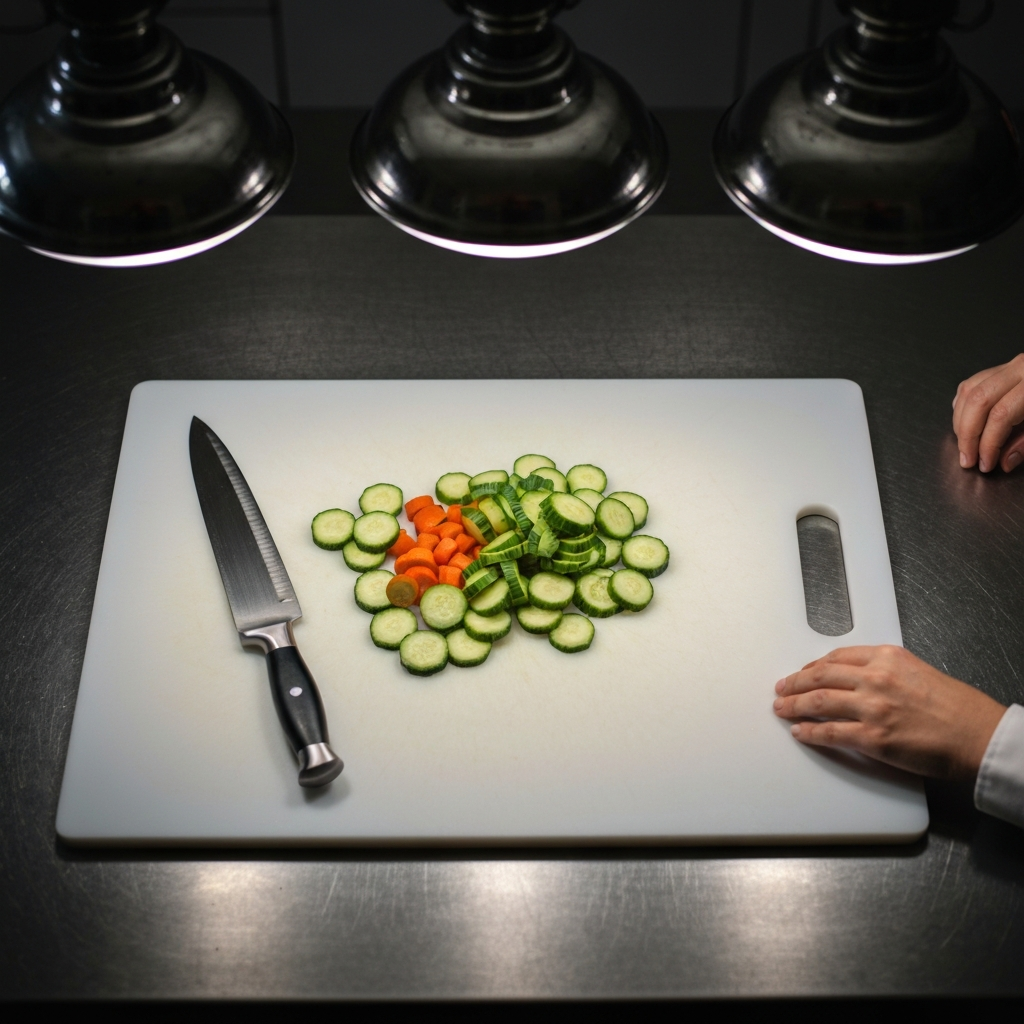
Food safety is paramount when preparing pet food. Always wash your hands thoroughly before and after handling raw ingredients. Use separate cutting boards and utensils for meat and vegetables to prevent cross-contamination. Ensure that meat is cooked to the appropriate internal temperature to kill any harmful bacteria. Chop ingredients into small, manageable pieces to prevent choking hazards, especially for smaller pets. In the treat example, thoroughly mix the honey, peanut butter, and chopped treats. Spread the mixture thinly onto the apple/banana slices.
Step 5: Serve and Store Properly
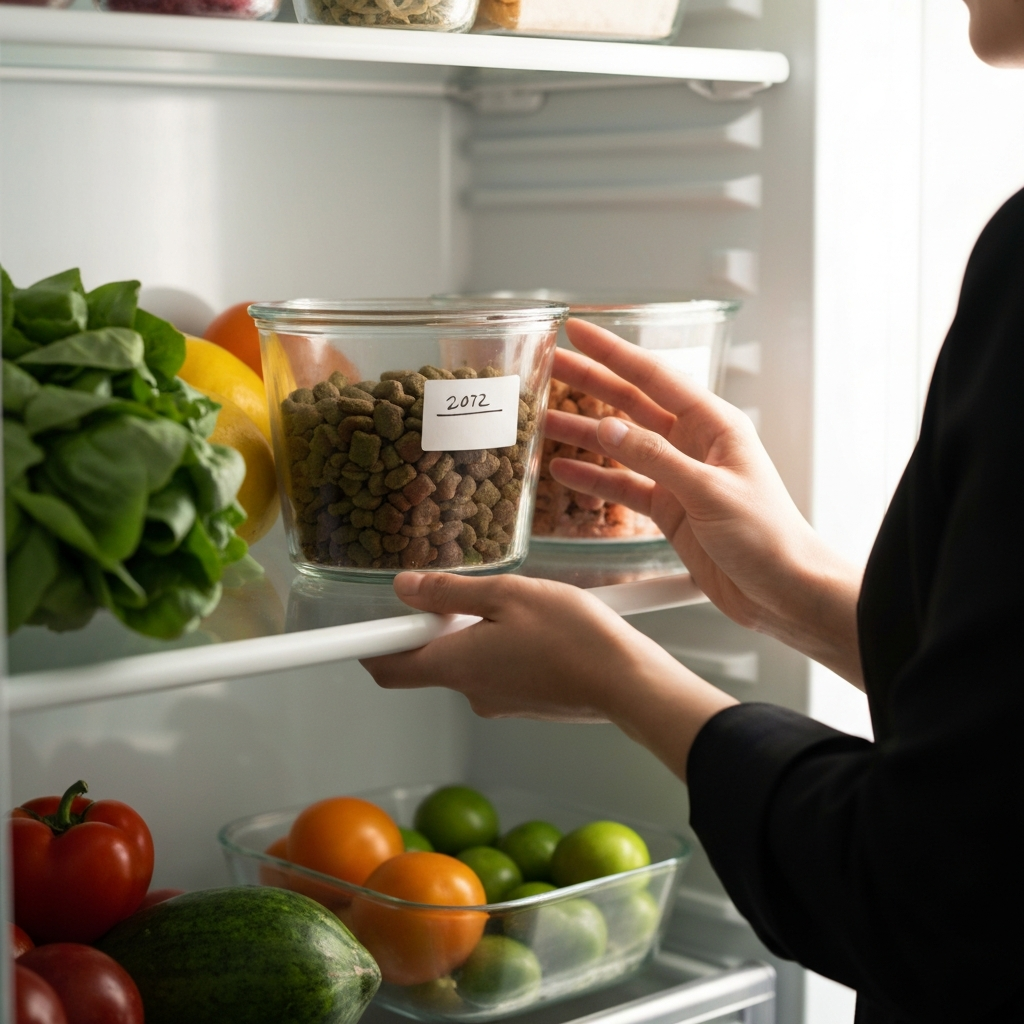
When serving homemade pet food, start with small portions to gauge your pet's reaction and avoid overfeeding. Monitor your pet for any signs of digestive upset or allergic reactions. Fresh pet food should be stored in the refrigerator in airtight containers and used within a few days. Treats like the apple/banana snack should be refrigerated and consumed within one week. Always discard any uneaten food after a few hours to prevent bacterial growth. If preparing large batches, consider freezing portions for longer storage.
Safety Considerations
When creating food for your pet, understanding what foods may be dangerous is paramount. Many common household foods are toxic to animals. Chocolate, particularly dark chocolate, contains theobromine, which is poisonous to dogs and cats. Onions and garlic, whether raw, cooked, or powdered, can damage red blood cells and lead to anemia. Grapes and raisins can cause kidney failure in dogs. Xylitol, an artificial sweetener found in many sugar-free products, is extremely toxic to dogs and can cause liver failure and seizures. Always research any unfamiliar ingredient before including it in your pet's food.
Pro Tips
- Gradually introduce new foods into your pet's diet to avoid digestive upset.
- Use a kitchen scale for accurate ingredient measurements.
- Consider adding supplements like fish oil or probiotics to enhance your pet's health.
- Rotate ingredients regularly to provide a wider range of nutrients.
- Don't be afraid to experiment with different recipes and flavors to find what your pet loves.
FAQ Section
- How much homemade food should I feed my pet?
- The amount of homemade food to feed your pet depends on their size, age, activity level, and the specific recipe. Consult with your veterinarian or a pet nutritionist for personalized recommendations.
- Can I use canned organic ingredients?
- Yes, canned organic ingredients can be used, but be sure to choose options that are low in sodium and free from artificial additives. Rinse canned ingredients thoroughly before use.
- Is it safe to feed my pet raw meat?
- Feeding raw meat to pets is a controversial topic. While some proponents believe it offers health benefits, it also carries a risk of bacterial contamination. If you choose to feed raw meat, source it from reputable suppliers and follow strict food safety guidelines. Consult with your veterinarian before making this decision.
Conclusion
Creating organic pet food is a rewarding endeavor that allows you to provide your beloved companion with a healthier and more nutritious diet. By understanding your pet's specific needs, sourcing high-quality organic ingredients, and following safe food preparation practices, you can craft meals that will enhance their well-being and longevity. Remember to consult with your veterinarian or a pet nutritionist for personalized guidance. With a little effort and dedication, you can transform your pet's diet and contribute to a happier, healthier life.