Leftovers often conjure images of uninspired meals, destined for the back of the refrigerator and eventual disposal. However, with a little know-how and a dash of creativity, leftovers can be transformed into exciting new dishes, saving you time, money, and reducing food waste. Properly handling and repurposing leftovers is a culinary skill that elevates your cooking and contributes to a more sustainable kitchen.
This guide will provide you with the essential techniques for storing, reheating, and creatively incorporating leftovers into your daily meals. We'll cover everything from safely storing various food types to innovative ways to use leftover meats, grains, vegetables, and sauces. Embrace the challenge of turning yesterday's dinner into today's delicious creation!
By mastering the art of utilizing leftovers, you'll not only expand your culinary repertoire but also contribute to a more eco-conscious lifestyle. Let's dive into the world of leftovers and discover how to make the most of your culinary creations.
Step 1: Prioritize Safe Storage Practices
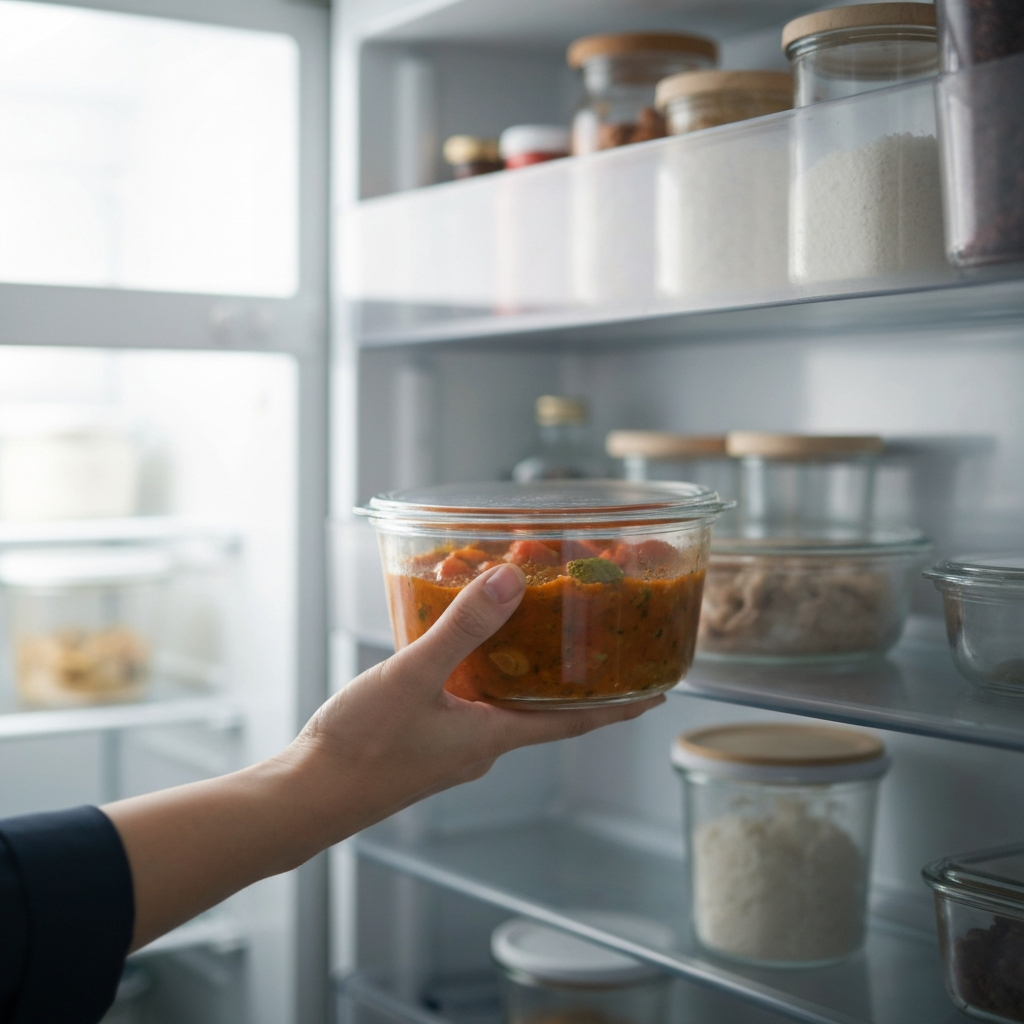
The foundation of successful leftover utilization lies in proper storage. The sooner you refrigerate or freeze your leftovers, the safer they'll be. Leaving food at room temperature for extended periods allows bacteria to multiply rapidly, increasing the risk of foodborne illness. Aim to refrigerate leftovers within two hours of cooking. In hot weather (above 90°F or 32°C), reduce this time to one hour. Divide large quantities of leftovers into shallow containers to facilitate rapid cooling. Properly stored leftovers are not only safe but also retain better flavor and texture.
Step 2: Selecting Airtight Containers for Longevity
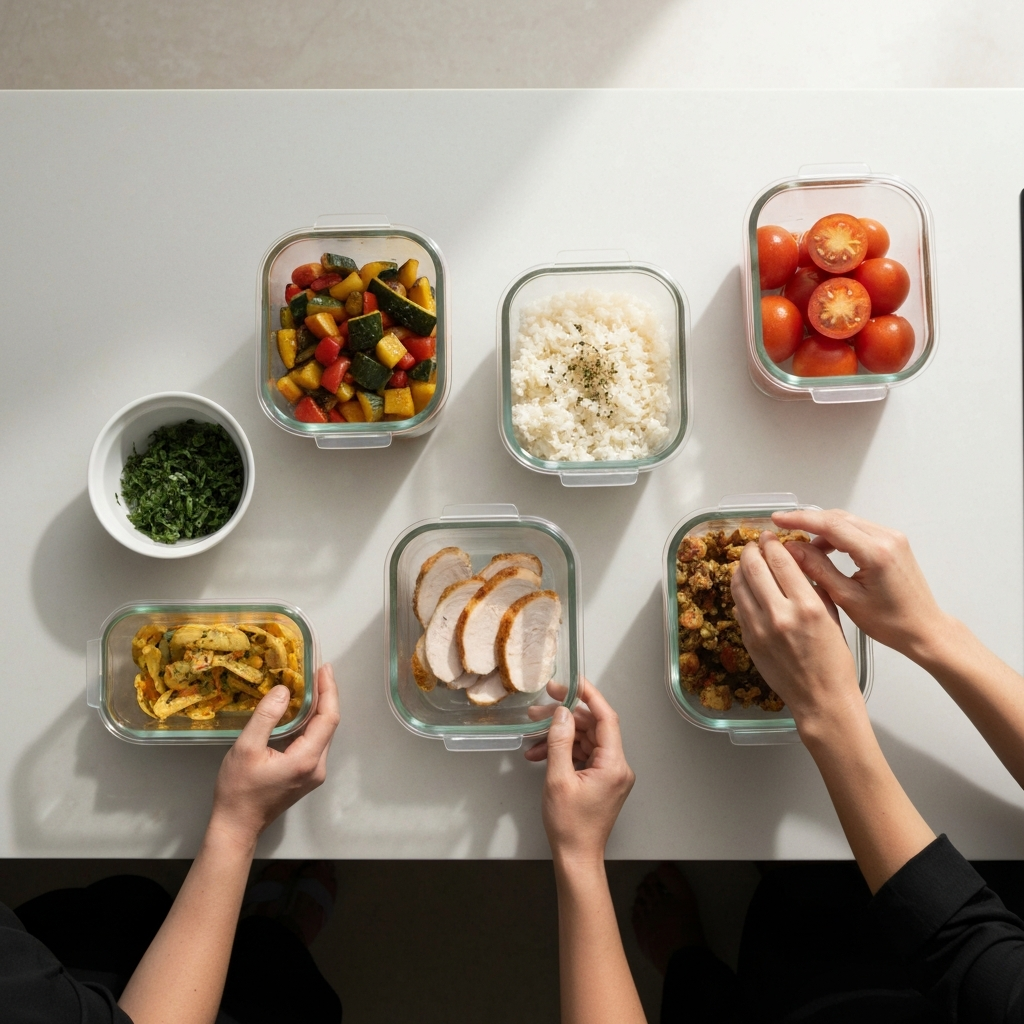
Choosing the right containers is crucial for preserving the quality of your leftovers. Opt for airtight containers made of glass or food-grade plastic. These containers prevent air exposure, which can lead to spoilage and freezer burn. Shallow containers are preferable to deep ones, as they allow food to cool more quickly and evenly in the refrigerator. Freezer-safe bags are also excellent for storing portions of leftovers intended for longer-term storage in the freezer. Always label containers with the date of storage to keep track of freshness and prevent forgotten leftovers from languishing in the back of the fridge. Properly sealing prevents moisture loss and the absorption of unwanted odors.
Step 3: Mastering the Art of Reheating
Reheating leftovers properly is essential to ensure they are both safe and palatable. Reheat leftovers to an internal temperature of 165°F (74°C) to kill any harmful bacteria that may have grown during storage. Use a food thermometer to verify the temperature. Only reheat the portion you intend to eat, as repeated reheating can degrade the quality of the food. Microwave, oven, and stovetop are all viable reheating methods, but consider the type of food you're reheating. For example, delicate seafood is best reheated gently in the oven to prevent drying out, while soups and stews can be easily reheated on the stovetop. Add a splash of water or broth when reheating drier foods to retain moisture.

Step 4: Reimagining Leftover Meat, Poultry, and Seafood
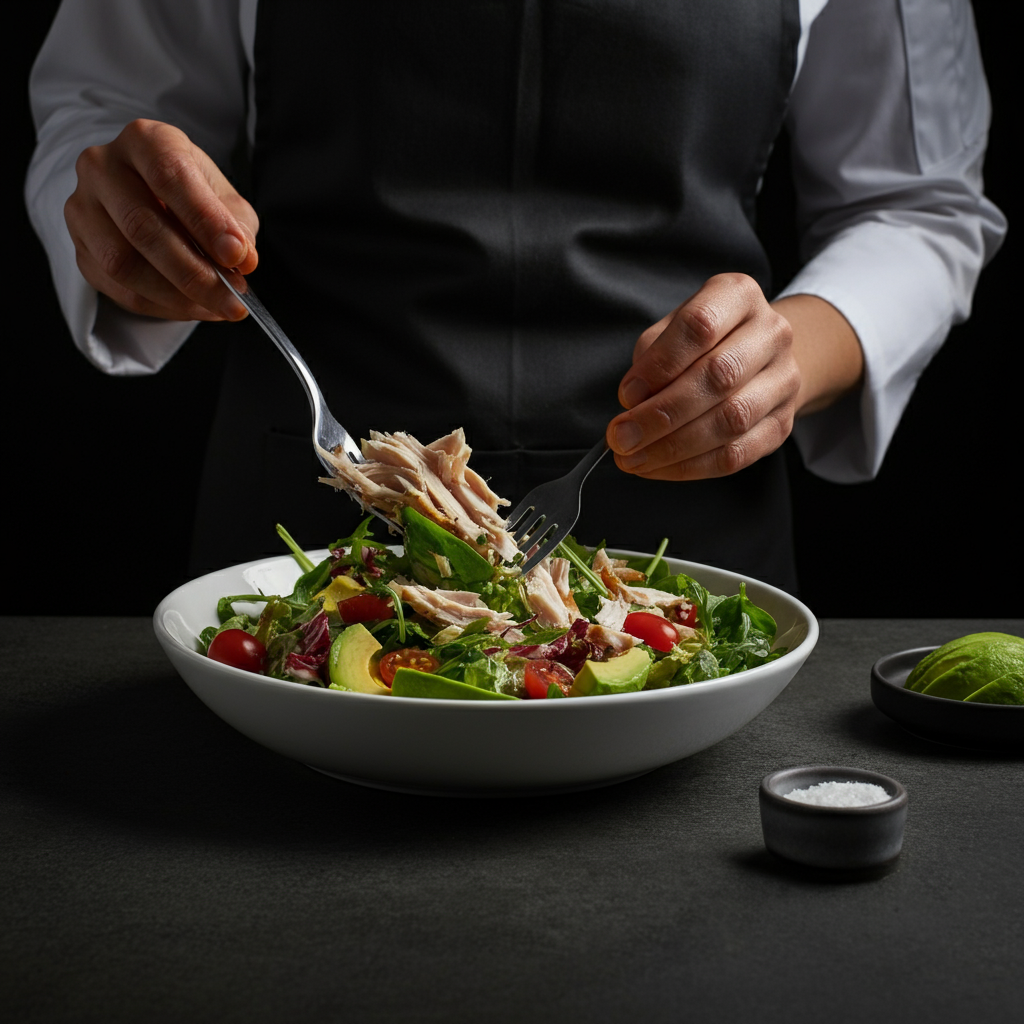
Leftover meats are incredibly versatile and can be transformed into a variety of exciting dishes. Shredded or diced cooked chicken or turkey can be added to soups, salads, or tacos. Sliced roast beef or pork makes excellent sandwich fillings or can be incorporated into stir-fries. Flaked cooked fish can be used to create fish cakes or added to pasta sauces. Be mindful of the original seasoning when repurposing meats, and adjust flavors accordingly. For example, leftover roast chicken seasoned with herbs de Provence might pair well with a creamy pasta sauce, while chili-spiced ground beef would be perfect for topping nachos or filling burritos.
Step 5: Reinventing Leftover Grains, Starches, and Baked Goods
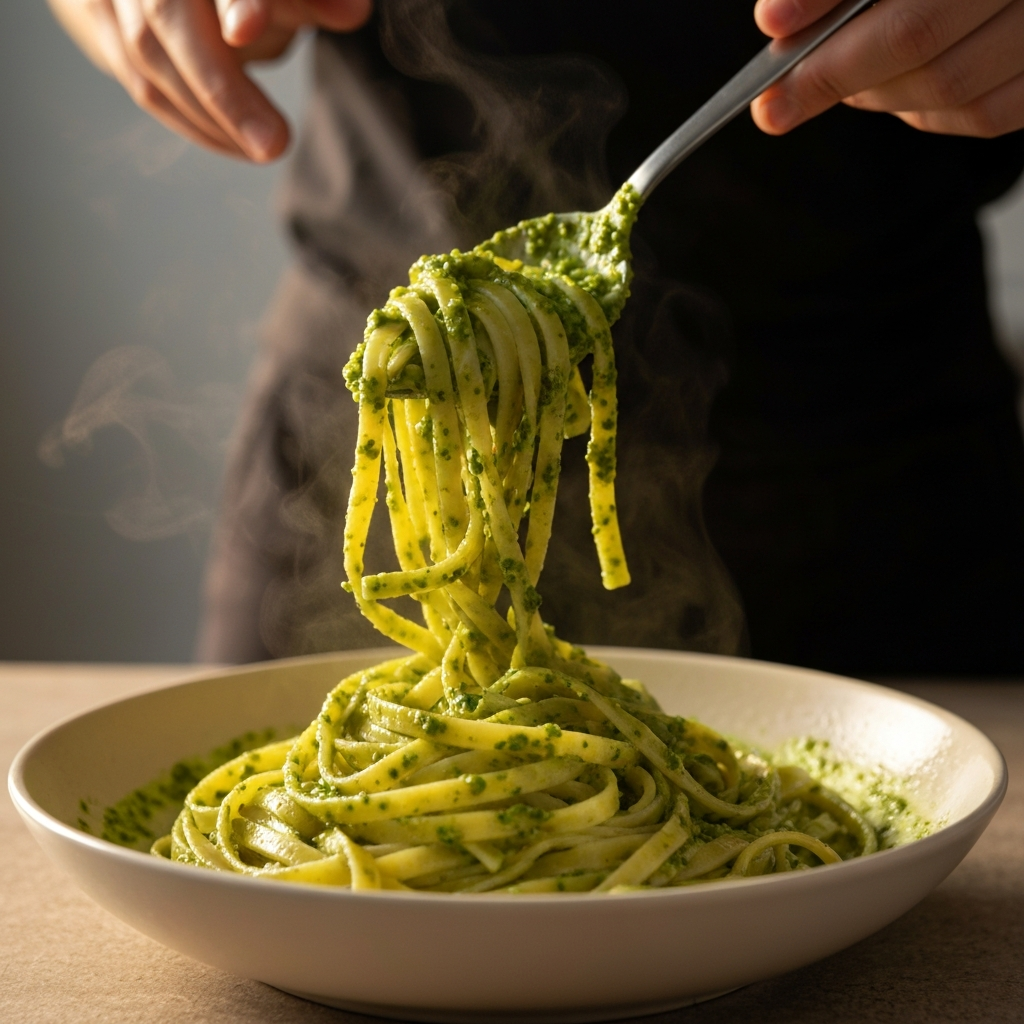
Grains and starches, such as rice, pasta, and potatoes, are staples that often find their way into leftover containers. Cooked rice can be transformed into fried rice, risotto, or rice bowls. Leftover pasta can be tossed with pesto, cheese, or vegetables for a quick and easy meal. Mashed potatoes can be used to make potato pancakes or added to soups for extra creaminess. Even leftover bread can be repurposed! Turn stale bread into croutons, breadcrumbs, or French toast. To revive slightly dried-out grains, sprinkle them with a little water before reheating. Don't underestimate the versatility of these humble ingredients!

Step 6: Transforming Leftover Produce into Delicious Creations
Leftover cooked vegetables can be easily incorporated into various dishes. Roasted vegetables add flavor and texture to salads, omelets, or frittatas. Steamed vegetables can be pureed into soups or sauces. Even slightly wilted or bruised produce can be salvaged by using it in smoothies, soups, or stews. Overripe fruits can be blended into smoothies, baked into muffins, or used to make compotes. Get creative with your leftover produce and minimize food waste.
Step 7: Utilizing Leftover Sauces to Enhance Meals
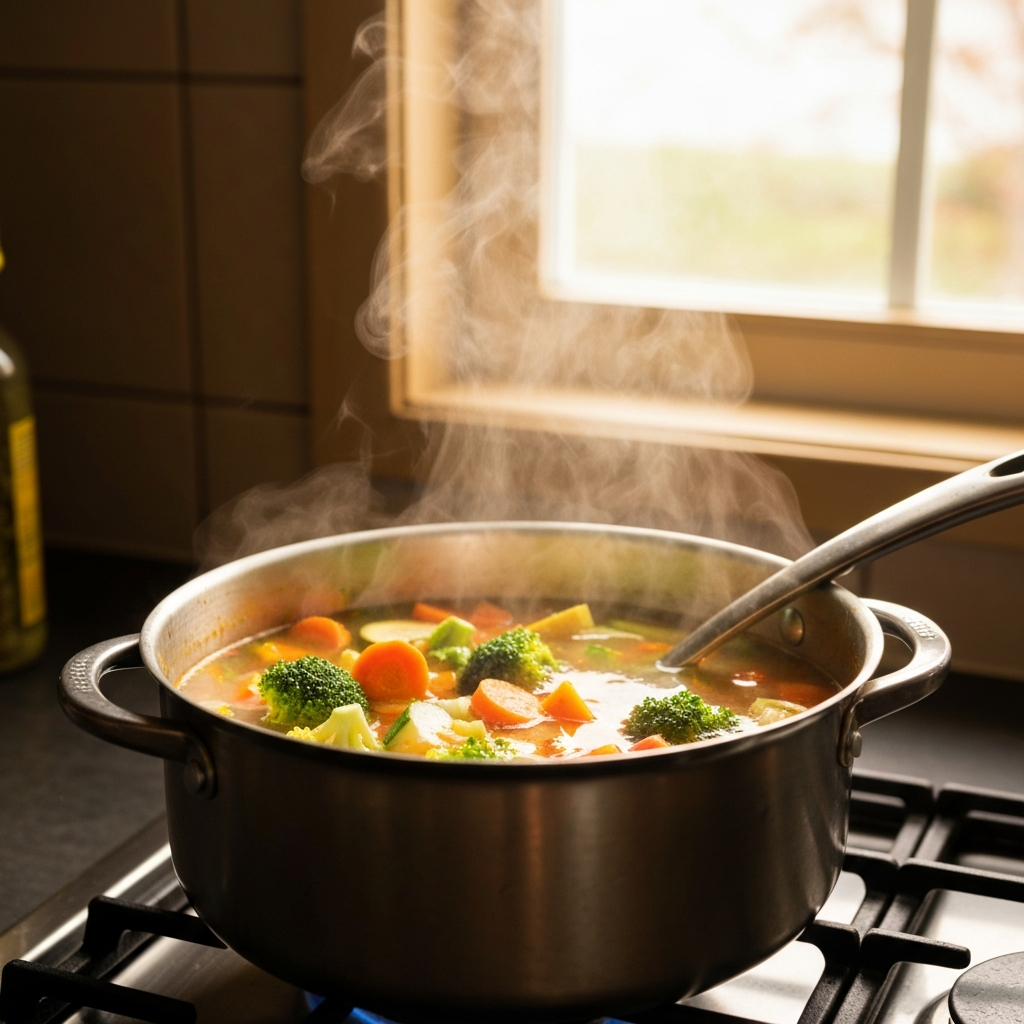
Leftover sauces can add a burst of flavor to various dishes. Tomato sauce can be used as a base for pizza, pasta, or chili. Creamy sauces can be drizzled over vegetables or used as a dip for bread. Pesto can be tossed with pasta, spread on sandwiches, or used as a marinade for chicken. If you have a small amount of leftover sauce, consider freezing it in ice cube trays for easy portioning. Don't let those flavorful sauces go to waste!
Tools or Materials Required
- Airtight containers (glass or plastic)
- Freezer-safe bags
- Food thermometer
- Cutting board
- Knives
- Mixing bowls
- Spatulas
Safety Considerations
Always prioritize food safety when handling leftovers. Discard any leftovers that show signs of spoilage, such as an unusual odor, discoloration, or mold. Never taste food that you suspect may be unsafe. Wash your hands thoroughly before and after handling leftovers. Ensure that all surfaces and utensils that come into contact with leftovers are clean. Following these safety guidelines will help you prevent foodborne illness and enjoy your leftovers with peace of mind.
Pro Tips
- Label all leftover containers with the date of storage.
- Store leftovers in shallow containers to facilitate rapid cooling.
- Reheat leftovers to an internal temperature of 165°F (74°C).
- Use a food thermometer to verify the temperature.
- Get creative with your leftovers and experiment with different recipes.
FAQ Section
Q: How long can I safely store leftovers in the refrigerator?
A: Most properly refrigerated leftovers will remain safe for two to five days.
Q: Can I freeze leftovers?
A: Yes, most cooked foods can be frozen for longer-term storage. Use freezer-safe bags or containers and label with the date.
Q: How do I reheat leftovers safely?
A: Reheat leftovers to an internal temperature of 165°F (74°C). Use a food thermometer to verify the temperature.
Q: What are some creative ways to use leftover roast chicken?
A: Shredded roast chicken can be added to soups, salads, tacos, or sandwiches.
Conclusion
Mastering the art of using leftovers is a valuable skill that not only saves you time and money but also reduces food waste. By following the guidelines outlined in this guide, you can confidently transform yesterday's dinner into today's delicious and exciting meal. Embrace the challenge of repurposing leftovers and unlock your culinary creativity. Remember, with a little planning and imagination, leftovers can become a source of inspiration in the kitchen.