Japanese mythology is a rich tapestry woven from Shinto and Buddhist beliefs, featuring a vast pantheon of gods and goddesses, or kami. These deities govern everything from the sun and storms to agriculture and fortune. Understanding these figures offers a fascinating glimpse into Japanese culture, history, and spirituality.
This guide will introduce you to some of the most significant gods and goddesses in Japanese mythology, exploring their roles, origins, and connections to Japanese culture. From the creation deities to the Seven Gods of Fortune, we'll delve into the stories and significance of these powerful beings. Prepare to embark on a journey through the celestial realms and earthly domains of Japan's divine inhabitants.
Whether you're a seasoned mythology enthusiast or just beginning your exploration of Japanese culture, this guide will provide you with a solid foundation for understanding the key figures and narratives that shape this captivating world. We will cover essential details, cultural connections, and practical knowledge to deepen your understanding.
Step 1: Meet Izanagi and Izanami: The Creation Deities
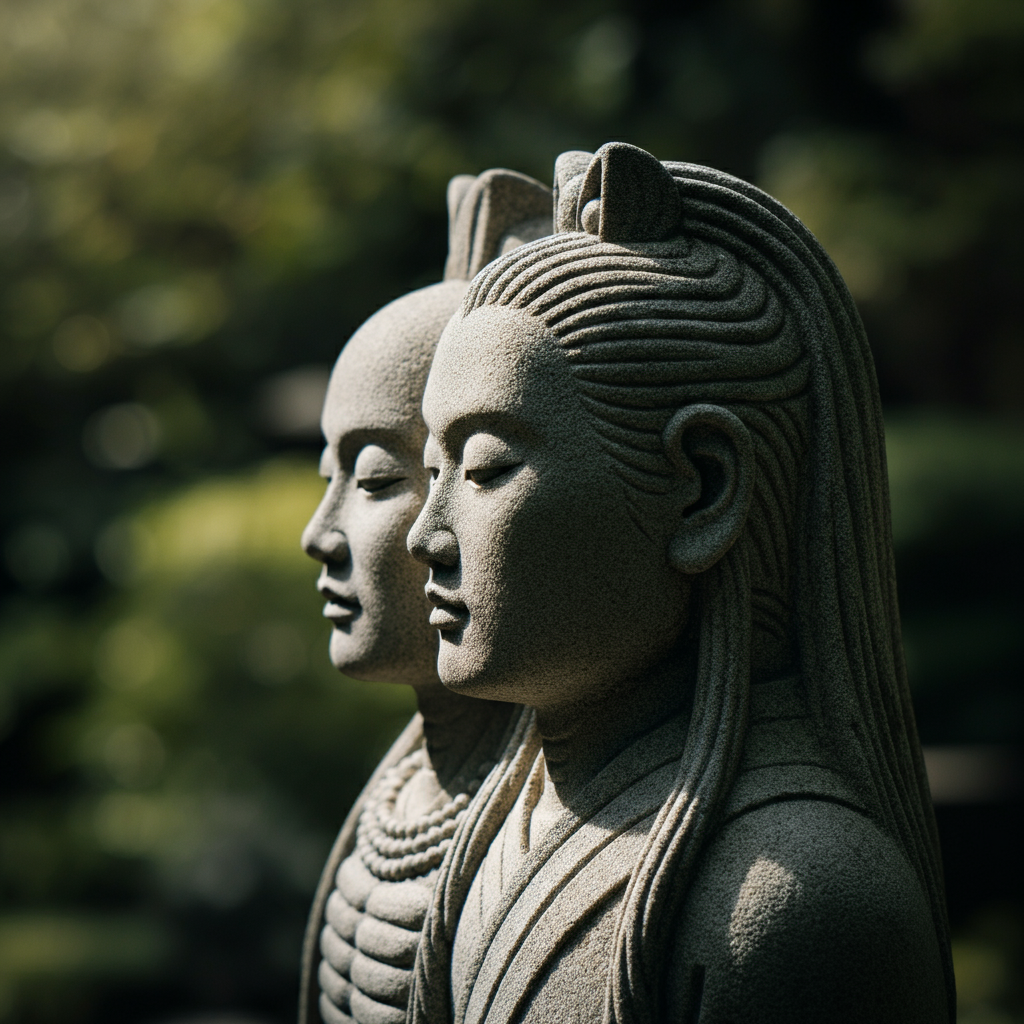
Izanagi and Izanami are the Shinto co-deities of creation, a brother and sister duo who emerged after heaven and earth separated from chaos. They are credited with creating the islands of Japan by stirring the ocean with a jeweled spear, from which crystallized salt formed the landmasses. They then united to give birth to many other Shinto deities, including important figures like Ebisu and Kagutsuchi. Their influence is paramount, setting the stage for the entire Japanese pantheon.
Step 2: Understanding Amaterasu: The Sun Goddess
Amaterasu, the goddess of the sun and ruler of the realm of kami, is arguably the most important deity in Shinto mythology. Known as Ohirume no muchi no kami, she embodies grandeur, purity, and order. Her story of retreating into a cave, plunging the world into darkness, highlights her immense power and the vital role she plays in maintaining cosmic balance. The Grand Shrine of Ise is dedicated to her, and people pray there for bountiful harvests, reflecting her connection to prosperity and life.
Step 3: Recognizing Kagutsuchi: The God of Fire
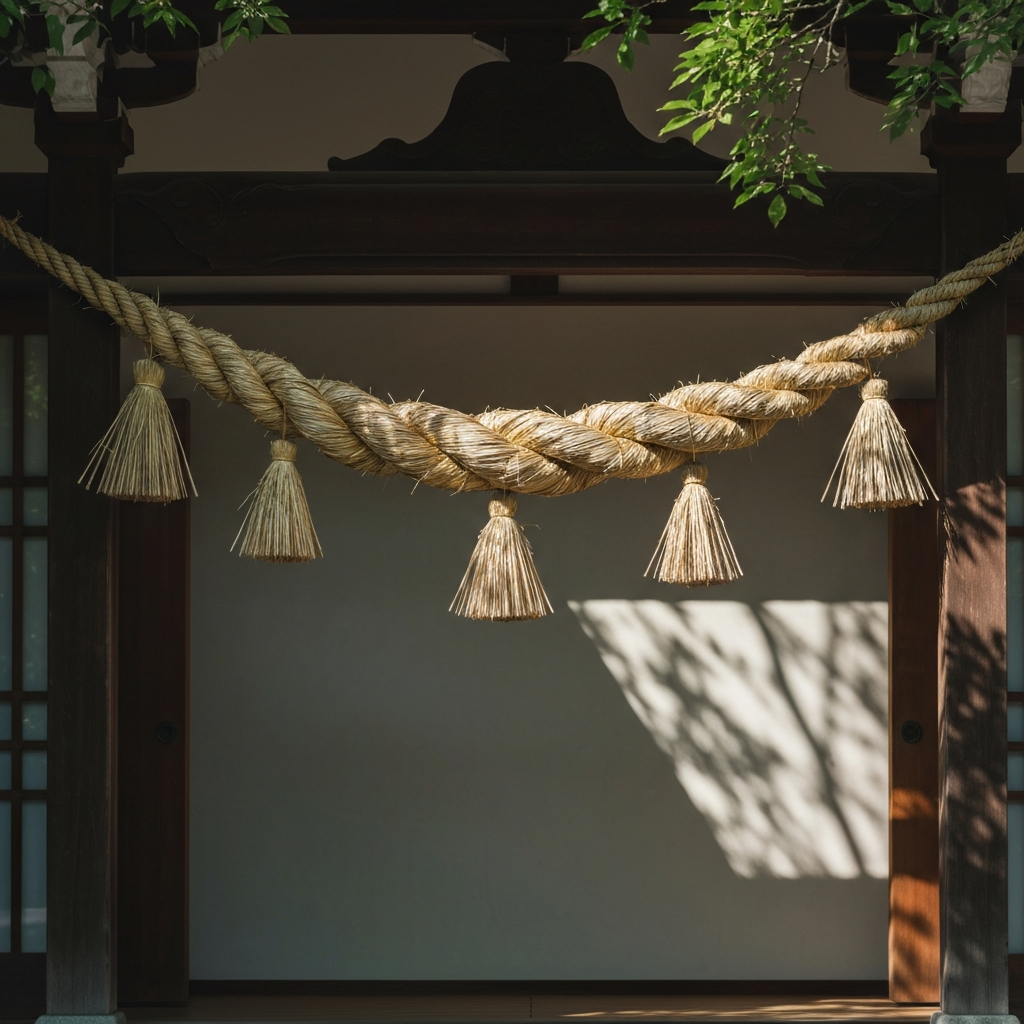
Kagutsuchi is the god of fire, associated with fiery destruction. Born to Izanami and Izanagi, his birth tragically caused his mother's death due to the intense heat. In a fit of rage, Izanagi slew Kagutsuchi, and from his blood, even more powerful kami were born. This violent origin story emphasizes the dual nature of fire: a source of both life and devastation. Ceremonies are often held to appease him and prevent destructive fires.

Step 4: Discovering Tsukuyomi: The God of the Moon
Tsukuyomi, the god of the moon, was bestowed the rule of the heavens by his father, Izanagi, alongside his siblings, Amaterasu and Susanoo. His story is marked by a tragic event: the killing of Uke Mochi, the goddess of food. This act led to a permanent rift between him and Amaterasu, explaining the separation of day and night. While his significance is often overshadowed by Amaterasu, Tsukuyomi is a crucial figure in understanding the celestial order.

Step 5: Appreciating Susanoo: The God of Storms
Susanoo is the storm god, known for his unruly behavior and powerful nature. Initially given reign over the sea plain, he was eventually banished from heaven for his actions at Amaterasu’s court. Descending to Izumo, he famously slew an eight-headed dragon, acquiring the Kusanagi sword in the process. He is often associated with both destruction and heroism, making him a complex and compelling figure. Many visit the Susanoo Shrine to pray for protection from storms and blessings from the sea.

Step 6: Learning About the Seven Gods of Fortune (Shichi Fukujin)
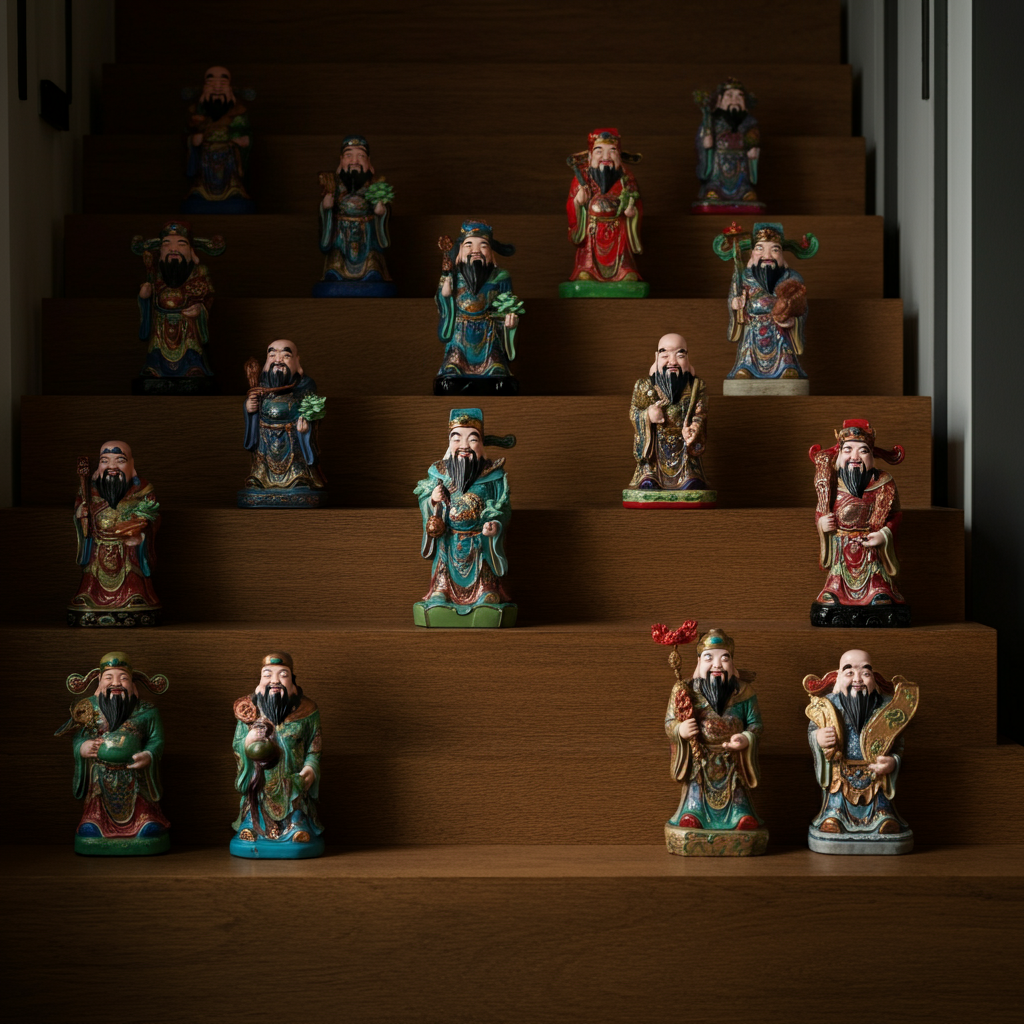
The Seven Gods of Fortune, or Shichi Fukujin, represent a syncretic blend of Buddhist and Shinto deities, symbolizing various aspects of good fortune. They include Ebisu (luck, fishermen, tradesmen), Daikokuten (wealth, grain), Bishamonten (treasure, protection), Benzaiten (beauty, wisdom, wealth), Fukurokuju (longevity, happiness, wealth, wisdom), Jurojin (longevity), and Hotei (happiness, fortune). These gods are widely revered in Japan, and their images are often displayed in homes and businesses to attract good luck. Each god offers unique blessings, enriching the tapestry of Japanese belief.
FAQ Section
Q: How many gods are there in Japanese mythology?
A: While there are 65 main Japanese gods, some accounts say that there are roughly 8 million total, reflecting the animistic nature of Shinto beliefs.
Q: What is the difference between Shinto and Buddhist deities in Japanese mythology?
A: Shinto deities are native to Japan and associated with nature and ancestral spirits. Buddhist deities, like some of the Seven Gods of Fortune, originated in India and were later incorporated into Japanese beliefs.
Q: Where can I learn more about Japanese mythology?
A: Museums, shrines, and temples across Japan offer insights into Japanese mythology. Numerous books and websites also provide detailed information on the gods and goddesses, their stories, and their cultural significance.
Conclusion
The gods and goddesses of Japanese mythology are more than just characters in ancient stories; they are integral to understanding Japanese culture, values, and history. From the creation myths of Izanagi and Izanami to the diverse blessings of the Seven Gods of Fortune, each deity embodies aspects of the natural world, human experience, and spiritual aspirations. By exploring these figures, you gain a deeper appreciation for the rich and complex tapestry of Japanese mythology and its enduring influence on Japanese society.