The 8-pointed star, or octagram, is a powerful and enduring symbol that appears across diverse cultures and spiritual traditions throughout history. From ancient Mesopotamia to modern-day spiritual practices, this geometric figure holds a wealth of meaning and significance. Understanding the symbolism behind the 8-pointed star offers a fascinating glimpse into the beliefs, values, and cosmologies of different civilizations.
This guide will explore the multifaceted meanings of the 8-pointed star, delving into its religious, cultural, and spiritual associations. We'll examine its presence in ancient mythologies, major world religions, and various esoteric systems, uncovering the rich tapestry of interpretations that have evolved over centuries. Prepare to embark on a journey of discovery as we unravel the mysteries of this captivating symbol.
Join us as we explore the multifaceted meanings of the eight-pointed star, diving into its religious, cultural, and spiritual associations. Uncover the rich tapestry of interpretations across time and traditions and learn to recognize this symbol’s significance in art, architecture, and spirituality.
Step 1: Understanding the Basic Geometry
Before delving into the specific meanings, it's essential to understand the basic geometry of the 8-pointed star. It is typically formed by two squares overlapping at a 45-degree angle, creating eight points. The perfect symmetry of the star contributes to its association with balance, harmony, and order. The number eight itself also holds symbolic weight in various numerological systems, often representing abundance, achievement, and the cyclical nature of existence.

Step 2: The Star of Ishtar in Ancient Mesopotamia
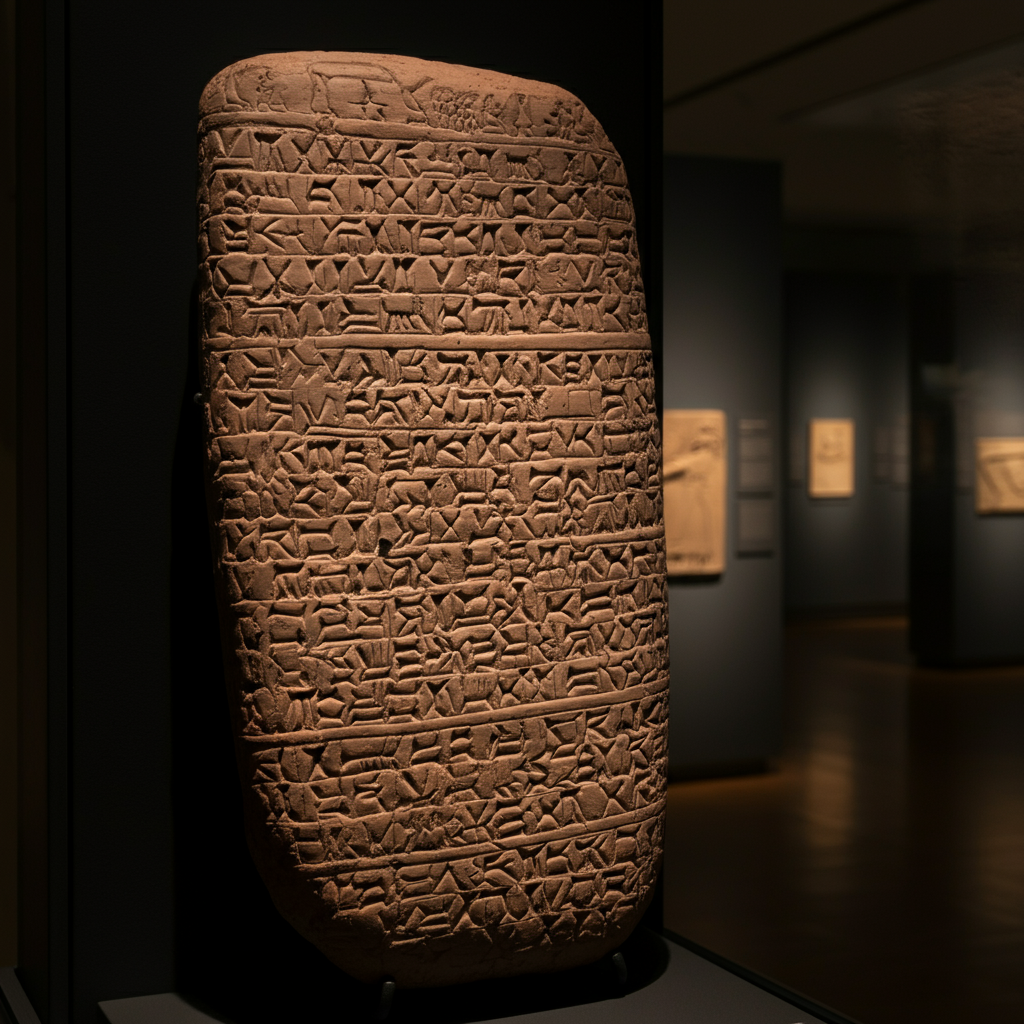
In ancient Mesopotamia, the 8-pointed star was primarily associated with the goddess Ishtar (Inanna in Sumerian). Ishtar was a powerful and complex deity, embodying love, war, fertility, and sexuality. The Star of Ishtar, also linked to the planet Venus, symbolized her divine power and her role as a bridge between the earthly and celestial realms. Depictions of Ishtar often show her adorned with the 8-pointed star, highlighting her status as one of the most important figures in the Mesopotamian pantheon. Consider the context in which you see the symbol. If it's presented with Mesopotamian iconography, it is highly likely a reference to Ishtar.
Step 3: The Ogdoad in Ancient Egypt
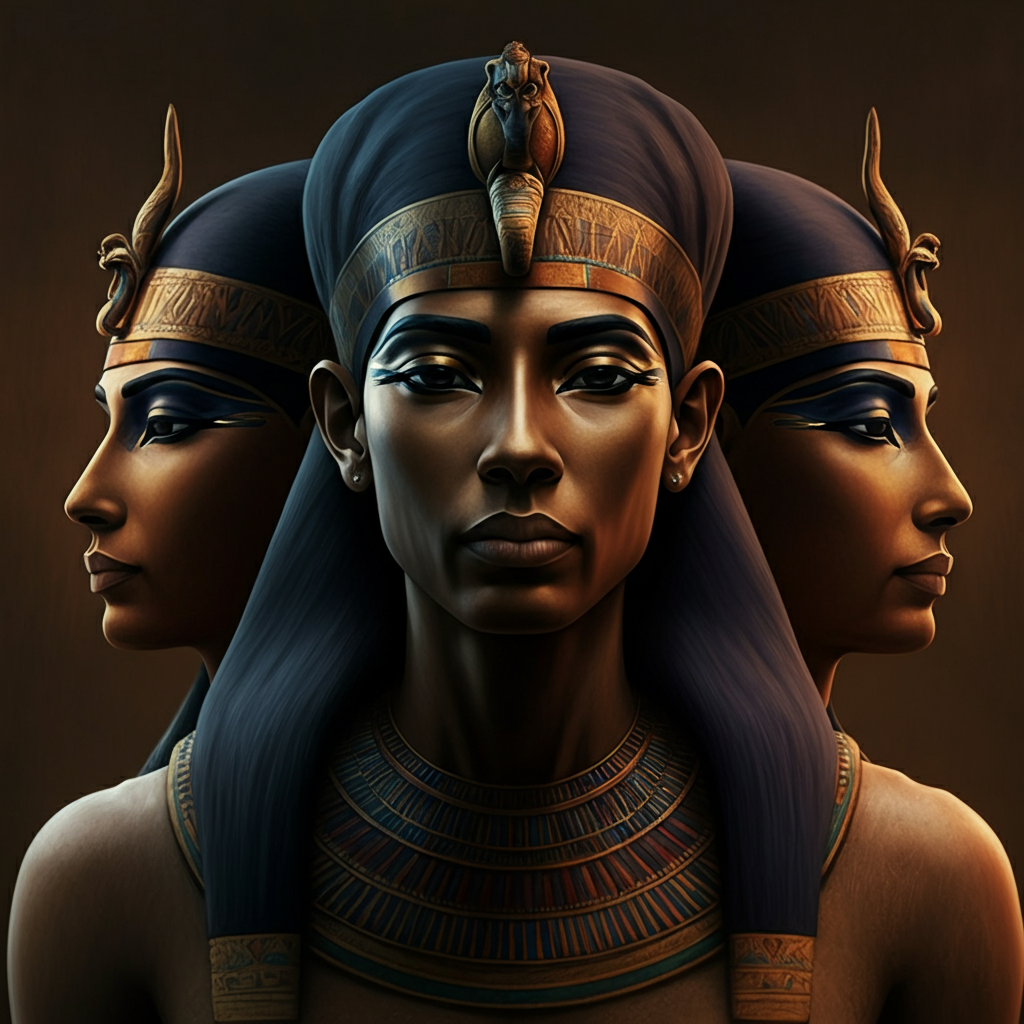
Ancient Egyptians revered eight primordial deities, known collectively as the Ogdoad. This group of four male-female pairs represented the fundamental forces of creation that existed before the world came into being. While not always directly represented by an 8-pointed star, the Ogdoad's association with the number eight connects them to the symbol’s broader themes of creation, balance, and primordial power. The paired deities included Nu and Naunet (primordial waters), Kuk and Kauket (darkness), Huh and Hauhet (infinity), and Amun and Amaunet (hiddenness).
Step 4: The Star of Bethlehem in Christianity
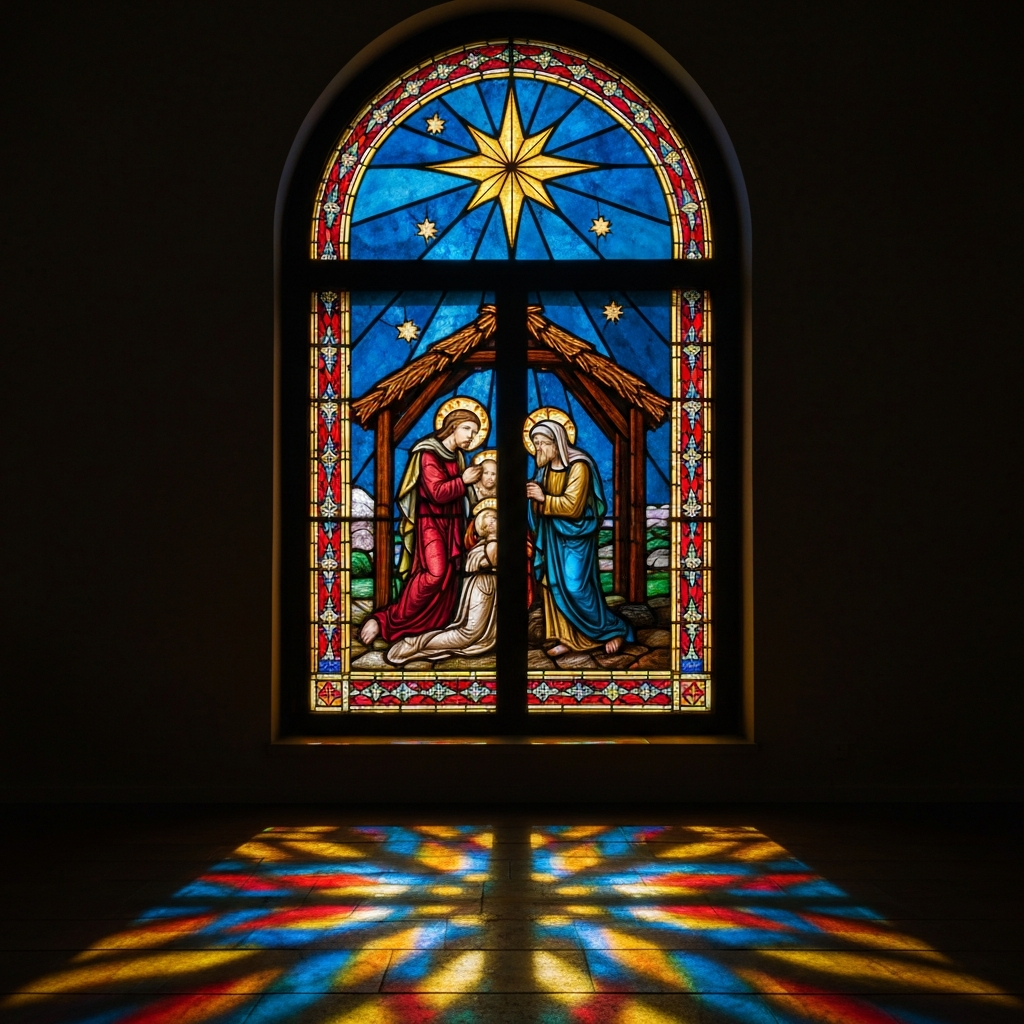
In Christian tradition, the 8-pointed star is often identified as the Star of Bethlehem, the celestial body that guided the Three Wise Men to the birthplace of Jesus Christ. This association imbues the symbol with connotations of hope, divine guidance, and the manifestation of miracles. The Star of Bethlehem is a powerful reminder of faith and the promise of salvation. Furthermore, the number 8 is seen to symbolize a new beginning after the 7 days of creation. This further reinforces the Christian association with resurrection and regeneration.
Step 5: Islamic Symbolism of the Khatim
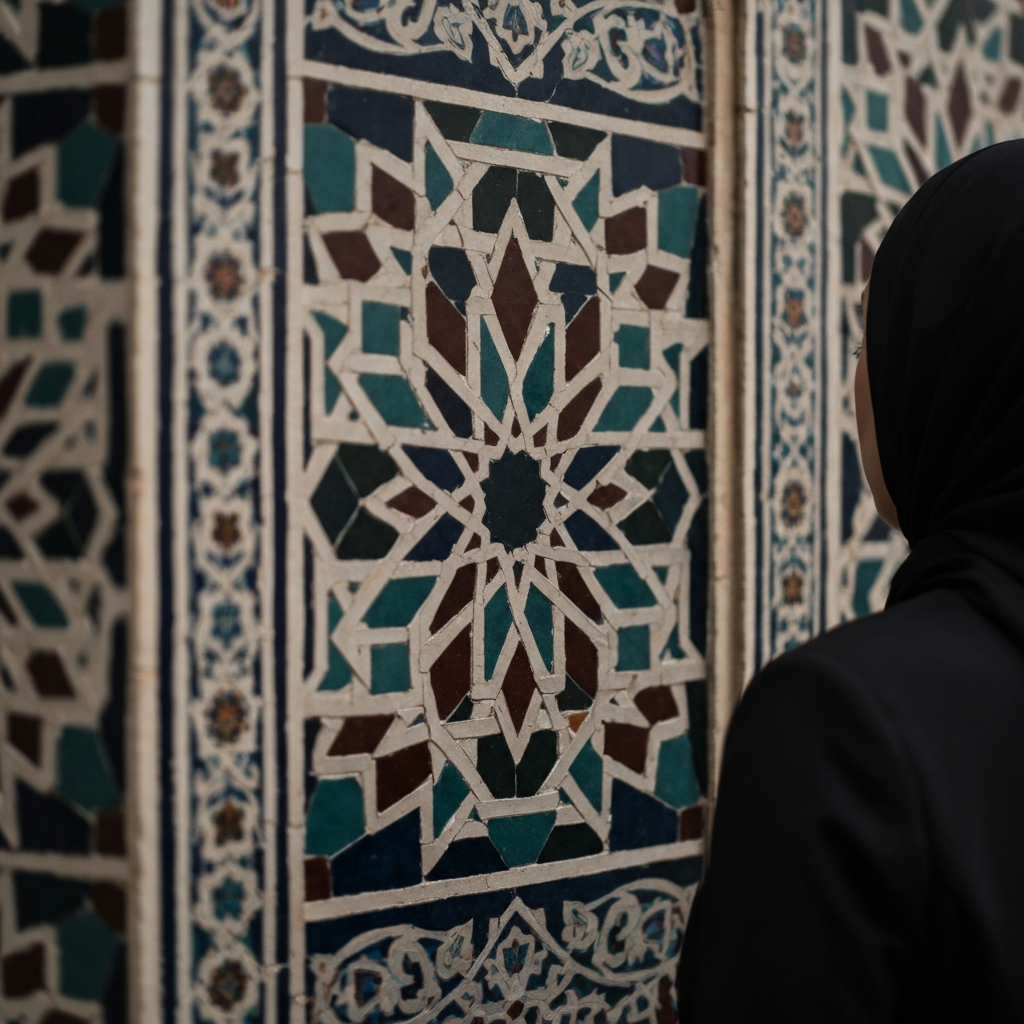
Within Islamic art and symbolism, the 8-pointed star, known as the Khatim, holds significant meaning. It represents, in one interpretation, the eight angels that will surround God’s throne on the Day of Judgement. It also represents the qualities of Prophet Muhammad. The Khatim is often incorporated into architectural designs, decorative patterns, and religious iconography, serving as a reminder of faith, spiritual aspiration, and the interconnectedness of the Muslim community. It's also seen as a symbol of hope for salvation, commonly featured in homes during Ramadan and Eid celebrations.
Step 6: Native American and Indigenous Canadian Interpretations
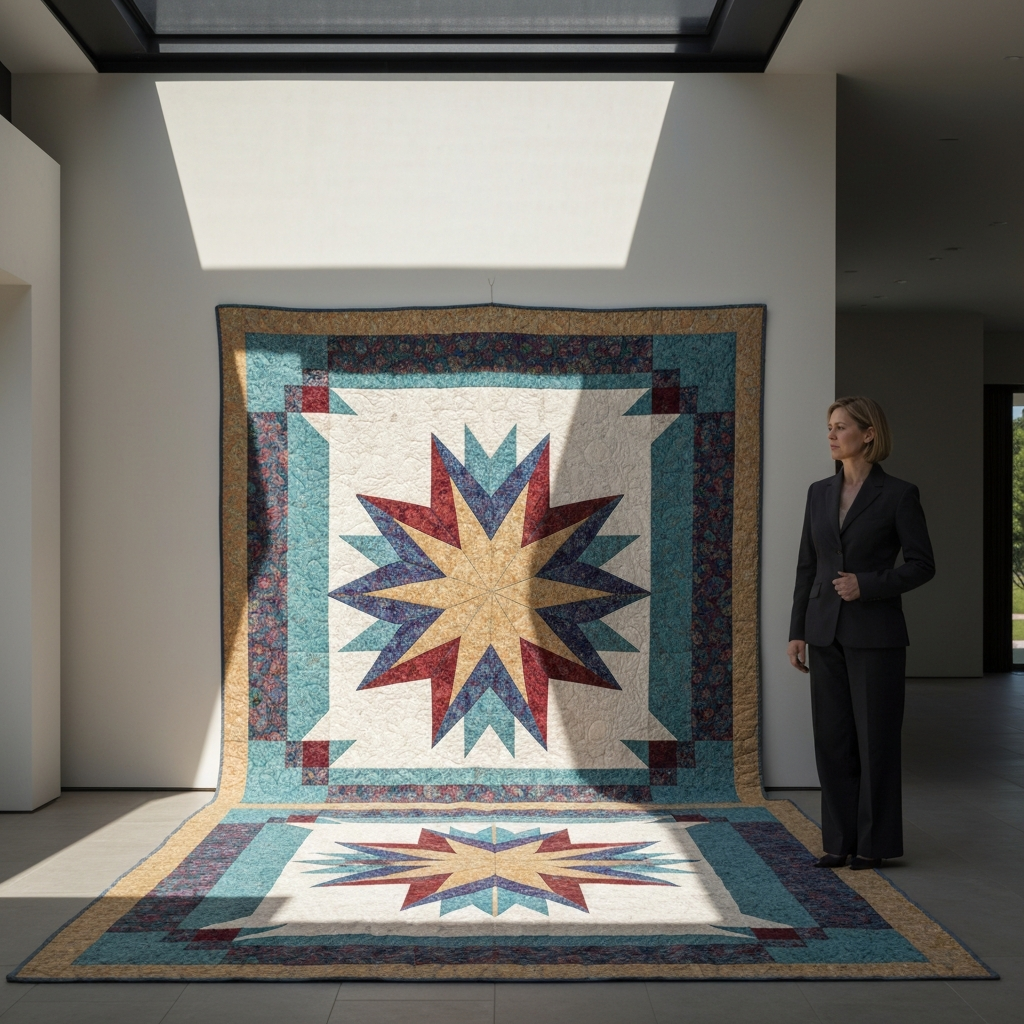
Various Native American and Indigenous Canadian cultures incorporate the 8-pointed star into their art, mythology, and spiritual practices. For the Mi’kmaq people, the star represents the sun (sol), a vital source of life and energy. In Lakota traditions, the morning star, an 8-pointed symbol, is associated with wisdom, understanding, and the cyclical nature of life. The star's points often represent the four cardinal directions and the stages of human existence, emphasizing the interconnectedness of all things.
Step 7: The Dharma Chakra in Buddhism
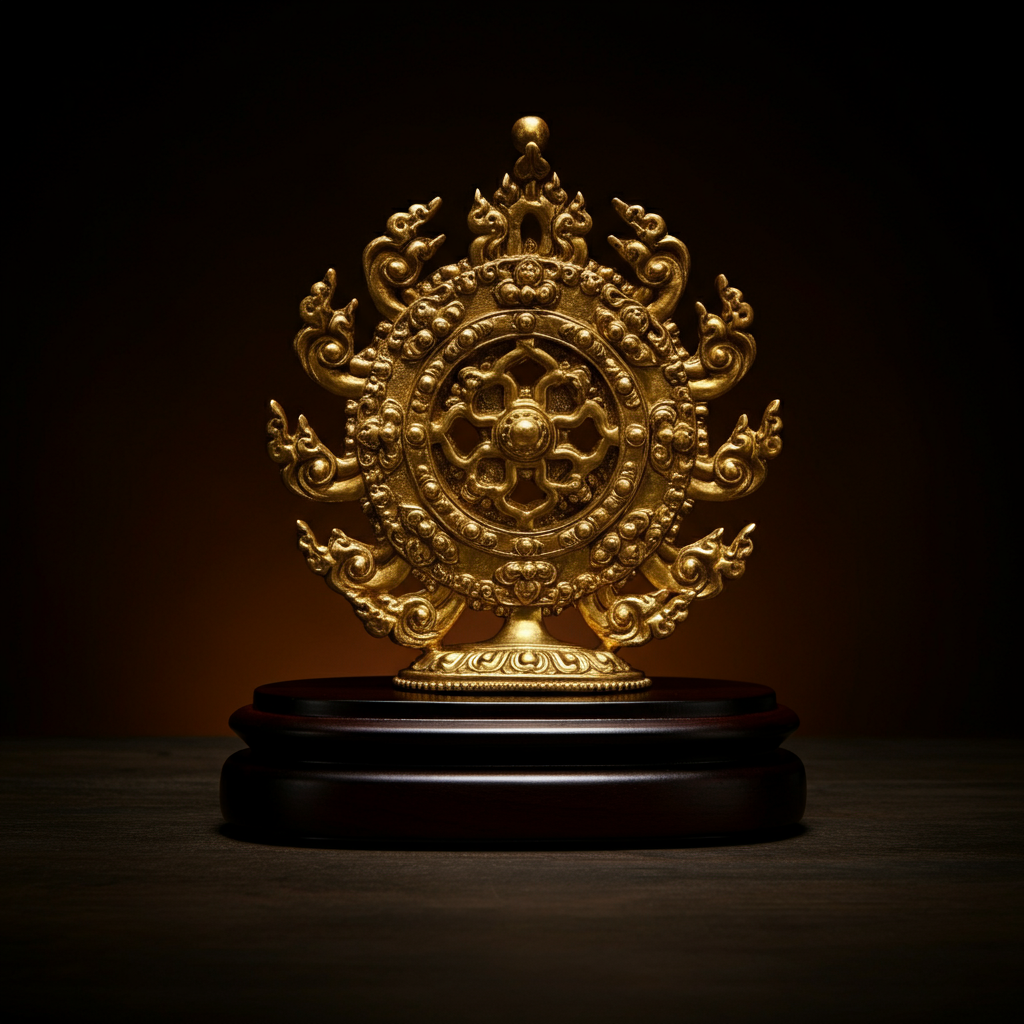
While perhaps not visually always depicted as an eight-pointed star, the Dharma Chakra, or the Wheel of Dharma, in Buddhism shares similar symbolic significance. It represents the Eightfold Path. Each spoke of the wheel embodies a principle of righteous conduct, leading to enlightenment. The path includes right understanding, thought, speech, action, livelihood, effort, mindfulness, and concentration. The wheel represents the continuous cycle of samsara, or rebirth, and the potential to escape this cycle through righteous living.
Step 8: The Wiccan Wheel of the Year
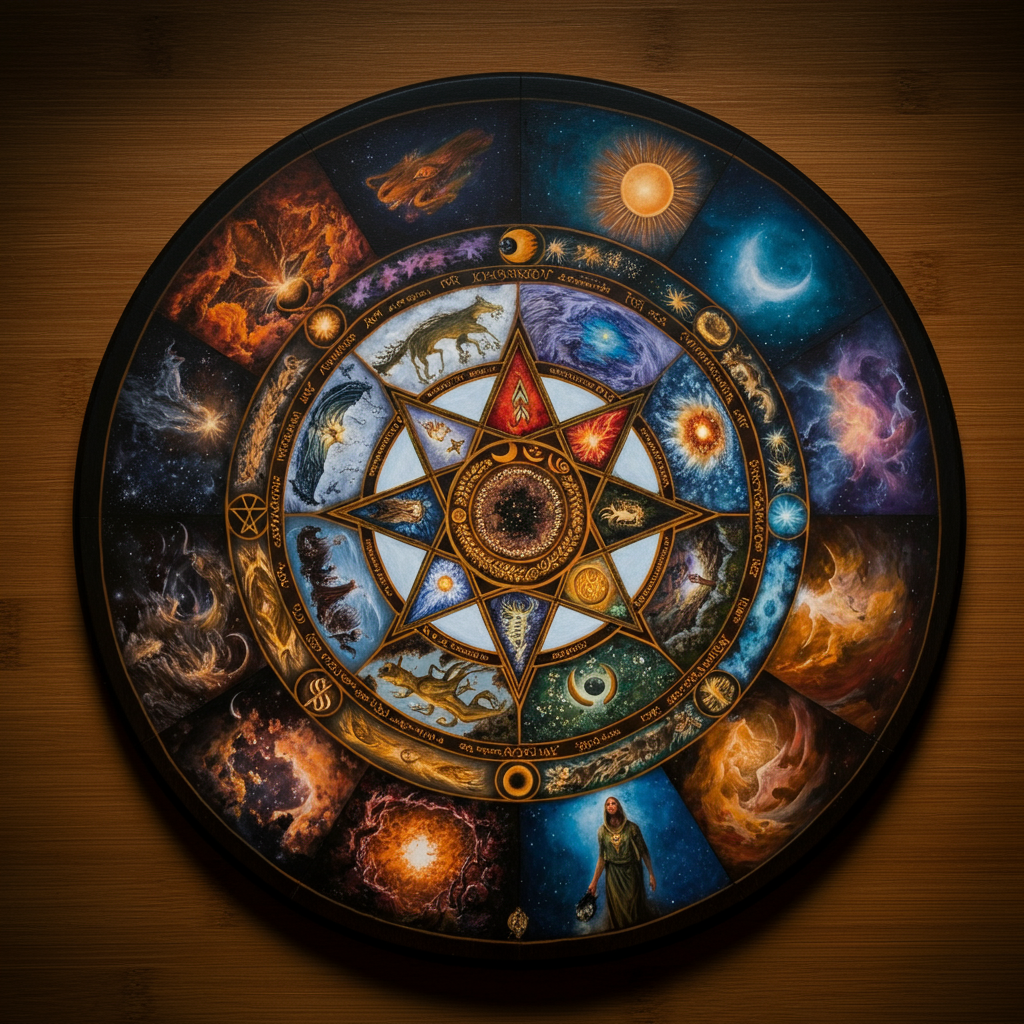
In Wiccan spirituality, the Wheel of the Year is a circular representation of the annual cycle of seasons and solar events, often depicted with an 8-pointed star within it. Each point marks a significant holiday or sabbat, celebrating the changing energies of nature and the cyclical rhythms of life, death, and rebirth. These Sabbats include the Spring Equinox (Ostara), Summer Solstice (Litha), Autumn Equinox (Mabon), Winter Solstice (Yule), as well as Imbolc, Beltane, Lughnasadh, and Samhain.
FAQ Section
Q: What is the connection between the 8-pointed star and infinity?
A: The number eight, when turned on its side, forms the infinity symbol (∞). This connection reinforces the 8-pointed star's association with endless cycles, eternal life, and the boundless nature of the universe.
Q: Is the 8-pointed star always a religious symbol?
A: While often associated with religious or spiritual traditions, the 8-pointed star can also be appreciated as a purely aesthetic symbol. Its geometric beauty and inherent symmetry make it a popular design element in art, architecture, and decorative arts, independent of any specific religious connotations.
Q: How can I use the symbolism of the 8-pointed star in my own life?
A: You can incorporate the symbolism of the 8-pointed star in various ways, such as using it as a visual reminder of balance, harmony, and new beginnings. Meditating on its shape and meanings can provide insights into your own spiritual journey. Wearing jewelry featuring the symbol or displaying it in your home can serve as a personal talisman and a connection to ancient wisdom.
Conclusion
The 8-pointed star is a richly layered symbol with a profound history and diverse interpretations. From its ancient origins in Mesopotamia and Egypt to its enduring presence in major world religions and modern spiritual practices, this geometric figure continues to resonate with people across cultures and belief systems. By understanding the various meanings associated with the 8-pointed star, we can gain a deeper appreciation for the interconnectedness of human spirituality and the enduring power of symbols to shape our understanding of the world.