Discovering an unexpected critter inside your home can be unsettling. Whether it's a scurrying mouse, a buzzing insect, or a slithering snake, knowing how to identify and safely manage these small animals is crucial for maintaining a comfortable and secure living environment. This guide provides a step-by-step approach to identifying common household invaders and offers humane strategies for catching and releasing them back into their natural habitat.
Before attempting to catch any animal, it's essential to prioritize your safety and the animal's well-being. Incorrect handling can lead to bites, scratches, or stings, and can also harm the animal. This guide emphasizes using safe and ethical methods that minimize stress and potential injury to both you and the animal. Remember, prevention is always better than cure, so we'll also touch on strategies for preventing these creatures from entering your home in the first place.
This comprehensive guide will equip you with the knowledge and skills needed to confidently address unwanted wildlife encounters in your home. Let's get started!
Step 1: Visual Assessment and Identification
Initial Observation
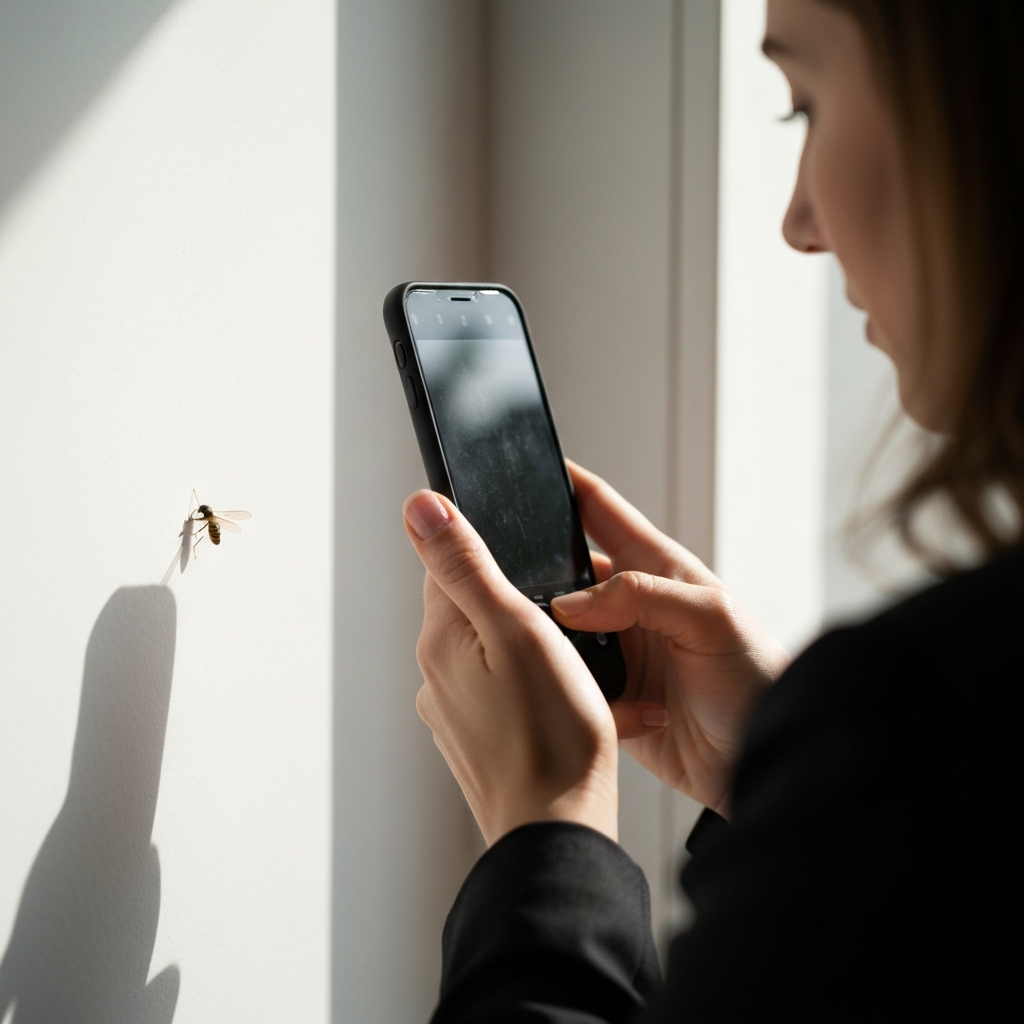
The first step is to carefully observe the animal from a safe distance. Note its size, shape, color, and any distinctive markings. Pay attention to how it moves – is it scurrying, crawling, flying, or hopping? Documenting these details will be invaluable when trying to identify the creature. Consider taking a photograph or video with your phone, if possible, to aid in identification, but only if doing so doesn't put you at risk. Avoid approaching the animal too closely, especially if you're unsure of its species or behavior.
Step 2: Determine the Animal Type
Classifying the Creature
Once you have a good visual assessment, try to classify the animal into a broad category: insect, rodent, reptile, amphibian, or spider (arachnid). Insects typically have six legs, three body segments (head, thorax, abdomen), and often wings or antennae. Rodents include mice, rats, and squirrels, characterized by their furry bodies, long tails, and prominent teeth. Reptiles, like snakes and lizards, have scales and are often cold-blooded. Amphibians, such as frogs and toads, have smooth, moist skin and require water to survive. Spiders have eight legs and two body segments (cephalothorax and abdomen). This initial classification narrows down the possibilities and helps you research specific species common to your area. Knowing the basic characteristics of each animal type is the foundation of the identification process.

Step 3: Consult Identification Resources
Using Guides and Experts
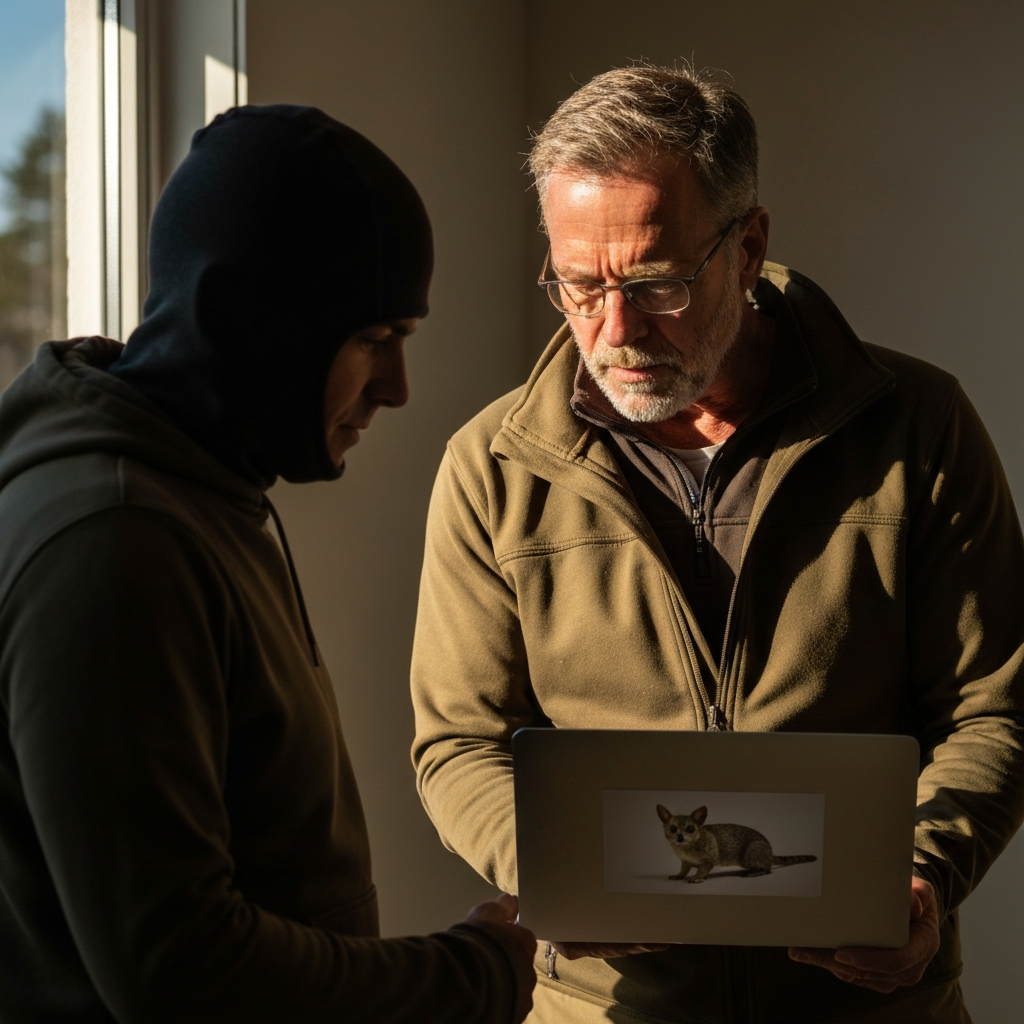
Now that you have a preliminary classification, consult reliable identification resources. Online resources like university extension websites, wildlife identification guides, and insect databases can be incredibly helpful. Local libraries often have field guides specifically tailored to your geographic region. If you're still unsure, consider contacting a local pest control professional, wildlife rehabilitator, or your county extension agent. These experts can provide accurate identification and advice on safe removal methods. Document everything about where you found the animal, size, color, behavior, to give the expert useful info. Be sure to have a clear photo or detailed description ready when contacting them. Describe the animal and it's location.
Step 4: Select a Humane Capture Method
Choosing the Right Approach
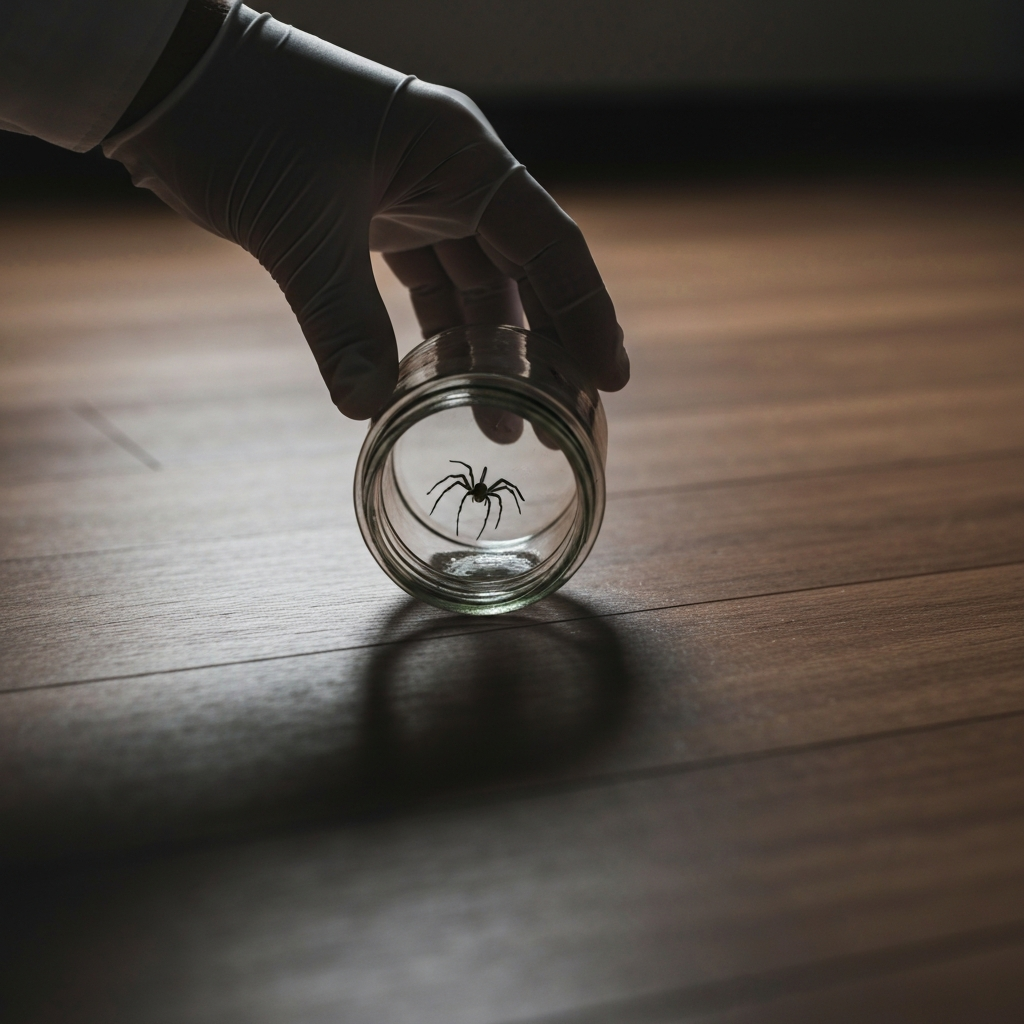
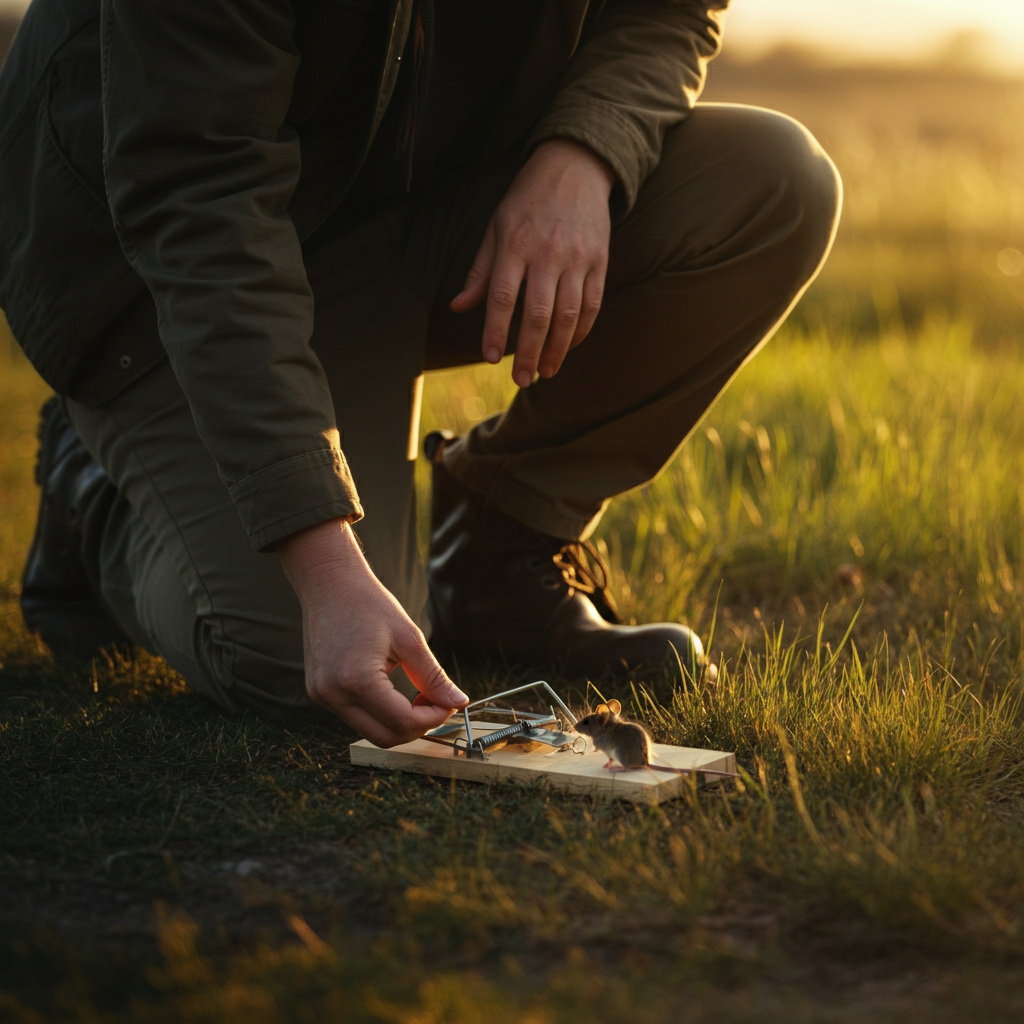
Once you've identified the animal, choose a humane capture method appropriate for its size and behavior. For insects, a simple glass jar or plastic container can be used. Gently place the container over the insect, slide a piece of cardboard underneath to trap it, and then release it outdoors. For rodents, consider using live traps baited with peanut butter or seeds. Avoid using snap traps, which can cause unnecessary suffering. If you encounter a reptile or amphibian, you may be able to gently scoop it up with a net or broom and dustpan. Always wear gloves when handling any wild animal to protect yourself from potential diseases or bites.
Step 5: Implement the Capture and Release
Executing the Plan
Carefully implement your chosen capture method. Approach the animal slowly and deliberately, avoiding sudden movements that might startle it. If using a trap, check it regularly, at least twice a day. Once captured, transport the animal to a suitable release location, ideally a natural habitat away from your home and other buildings. Release the animal gently and observe it to ensure it can safely escape. Never release an animal onto someone else's property without their permission. For insects, simply remove the cardboard and allow it to fly or crawl away. For rodents, open the live trap and let it run free. If you've captured a reptile or amphibian, gently place it on the ground near cover, such as bushes or rocks.
Step 6: Prevention is Key
Sealing Entry Points
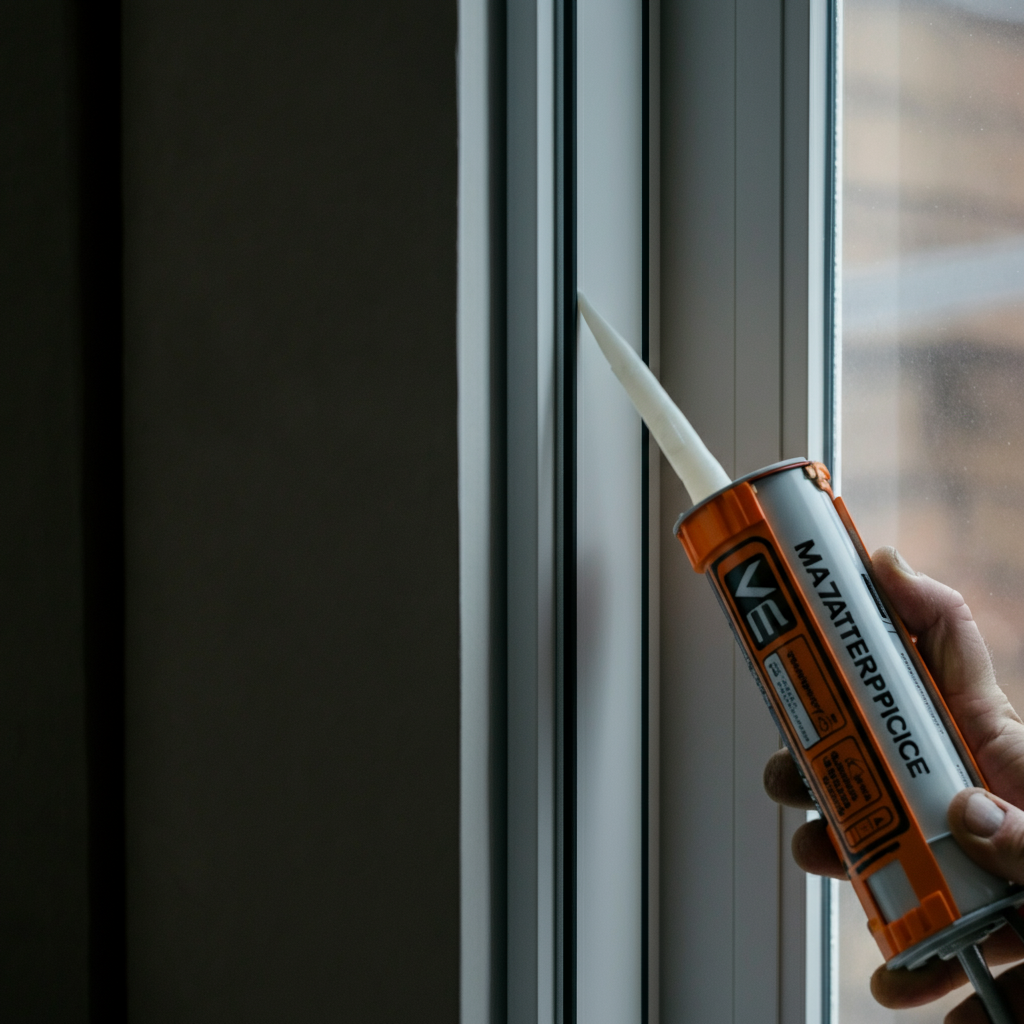
After successfully capturing and releasing the animal, focus on preventing future encounters. Inspect your home for potential entry points, such as cracks in the foundation, gaps around windows and doors, and openings in the roof. Seal these entry points with caulk, weather stripping, or wire mesh. Keep your yard clean and free of debris, as this can provide shelter for rodents and insects. Store food in airtight containers and clean up spills promptly. Regularly inspect your home's perimeter for signs of animal activity, such as droppings or gnaw marks. By taking proactive measures, you can significantly reduce the likelihood of future wildlife intrusions.
Tools or Materials Required
- Gloves (disposable or reusable)
- Glass jars or plastic containers
- Cardboard or stiff paper
- Live traps (for rodents)
- Bait (peanut butter, seeds)
- Caulk or weather stripping
- Wire mesh
- Flashlight
- First-aid kit
Safety Considerations
- Always wear gloves when handling wild animals.
- Avoid direct contact with animal droppings or urine.
- Wash your hands thoroughly with soap and water after any potential exposure.
- If bitten or scratched, seek medical attention immediately.
- Be aware of potential allergens, such as insect stings or rodent dander.
- If you suspect an animal is diseased, contact a wildlife professional.
- Never attempt to handle venomous snakes or other dangerous animals yourself. Call animal control.
FAQ Section
- What if I can't identify the animal?
- Take a clear photo and consult with a local pest control professional, wildlife rehabilitator, or your county extension agent.
- Is it safe to relocate an animal far from my home?
- Relocating an animal too far can reduce its chances of survival. Release it in a suitable habitat within a reasonable distance of where you found it.
- How often should I check a live trap?
- Check live traps at least twice a day to ensure the animal doesn't suffer unnecessarily.
- What should I do if an animal is injured?
- Contact a licensed wildlife rehabilitator immediately. Do not attempt to treat the injury yourself.
Conclusion
By following these steps, you can effectively identify and safely capture small animals in your home. Remember to prioritize your safety and the animal's well-being. With careful observation, proper identification, humane capture methods, and proactive prevention measures, you can maintain a comfortable and critter-free living environment. If you are unsure about handling any animal, it is always best to seek professional assistance. Good luck!