The allure of travel, the thrill of exploring new cultures, and the joy of discovering hidden gems – wanderlust is a powerful force. But for many, the perceived high cost of travel can keep those dreams grounded. It doesn't have to be that way! Traveling the world, or even just your own country, can be achieved on a budget with careful planning and a shift in perspective. This guide is designed to equip you with the knowledge and strategies to satisfy your wanderlust without emptying your bank account.
Forget the notion that travel is only for the wealthy. With resourcefulness and creativity, you can experience incredible adventures on a shoestring. It's about prioritizing experiences over luxury, embracing the local culture, and being smart about your spending. From finding affordable accommodation to uncovering free activities, we'll show you how to make your travel dreams a reality, one savvy decision at a time.
Ready to embark on a journey of affordable adventure? Let's dive in and discover how to travel the world without breaking the bank.
Step 1: Define Your Travel Style and Priorities
Understanding Your Travel Needs
Before even browsing flight deals, take some time to seriously consider your travel style. Are you a luxury traveler who prioritizes comfort and convenience, or are you more interested in immersing yourself in the local culture, even if it means roughing it a bit? Knowing your priorities is crucial because it will directly influence your budget allocation. Consider what aspects of travel are non-negotiable for you (e.g., private accommodations, certain types of food) and what you're willing to compromise on (e.g., transportation, activities). This self-reflection will help you create a realistic budget and avoid overspending on things that aren't truly important to you.

Step 2: Craft a Realistic Budget
Budgeting Basics and Beyond
Creating a detailed budget is the cornerstone of affordable travel. Start by researching the average daily expenses for your chosen destination. Websites like Budget Your Trip and Numbeo offer valuable insights into the cost of accommodation, food, transportation, and activities in various cities and countries. Once you have a general idea of the costs, factor in your own spending habits and travel style. Be sure to include a buffer for unexpected expenses – a flat tire, a missed train, or a spontaneous activity that catches your eye. Track your spending meticulously during your trip using a budgeting app or a simple spreadsheet to ensure you stay within your limits. Don't forget to factor in pre-trip expenses like visas, vaccinations, and travel insurance.

Step 3: Master the Art of Finding Affordable Flights
Flight Hacking for Budget Travelers
Flights often represent the largest portion of a travel budget, so finding affordable airfare is essential. Utilize flight comparison websites like Google Flights, Skyscanner, and Momondo to compare prices from different airlines and travel agencies. Be flexible with your travel dates and consider flying on weekdays or during the off-season, as these flights are typically cheaper. Set up price alerts to receive notifications when the price of your desired flight drops. Consider flying into alternative airports near your destination, as these may offer lower fares. Don't be afraid to embrace layovers – sometimes longer layovers can significantly reduce the cost of your flight. Explore the possibility of using budget airlines, but carefully consider their baggage fees and other potential hidden costs before booking.
Step 4: Secure Budget-Friendly Accommodation
Beyond Hotels: Affordable Accommodation Options
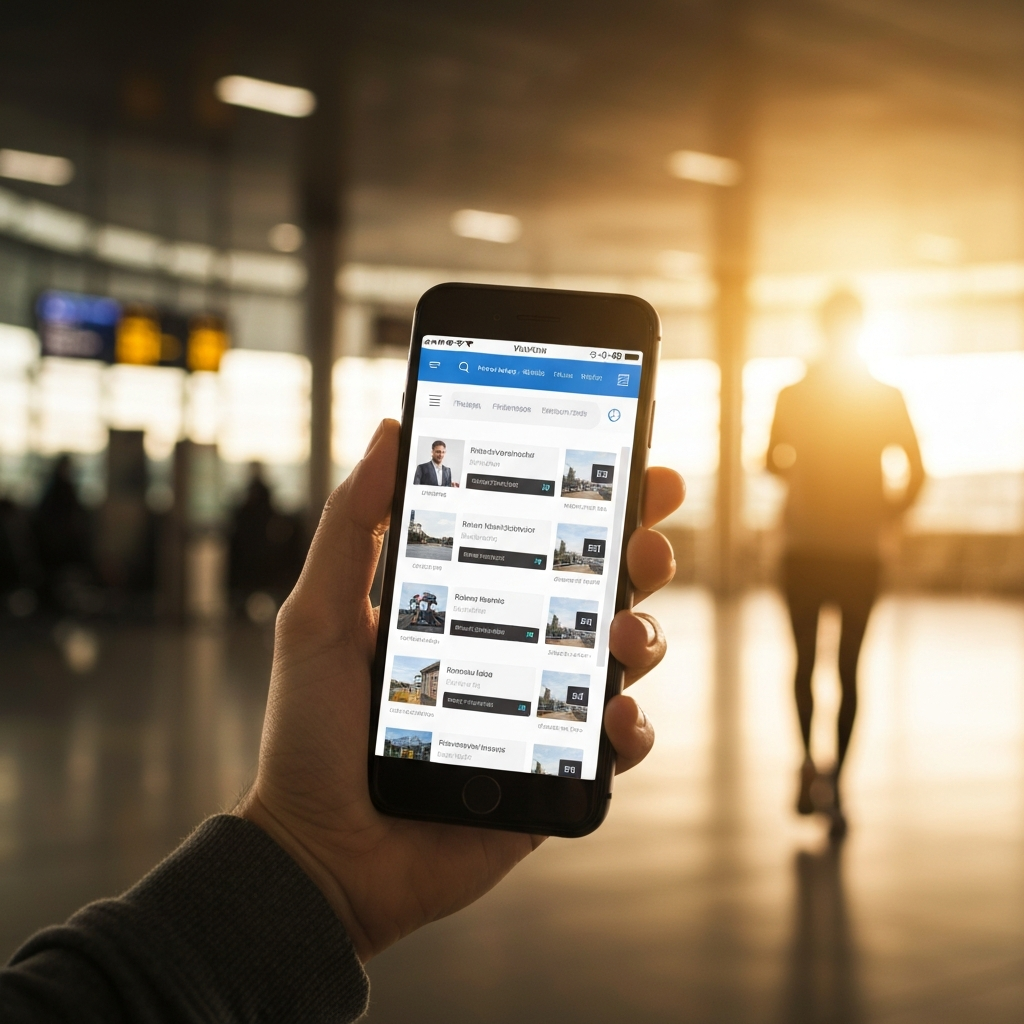
Accommodation is another major expense, but there are plenty of ways to save money without sacrificing comfort. Consider hostels, which offer dorm-style rooms at significantly lower prices than hotels. Many hostels also have private rooms available if you prefer more privacy. Explore Airbnb for unique and affordable accommodation options, such as apartments or rooms in local homes. Look for discounts and deals on accommodation websites by signing up for newsletters or using promo codes. Couchsurfing allows you to stay with locals for free, offering a unique cultural exchange experience. Camping is an excellent option for nature lovers, providing an inexpensive way to stay in scenic locations. Consider traveling during the shoulder season (the periods between peak and off-peak seasons) to find lower accommodation rates.

Step 5: Eat Like a Local, Spend Like a Budgeter
Culinary Adventures on a Shoestring
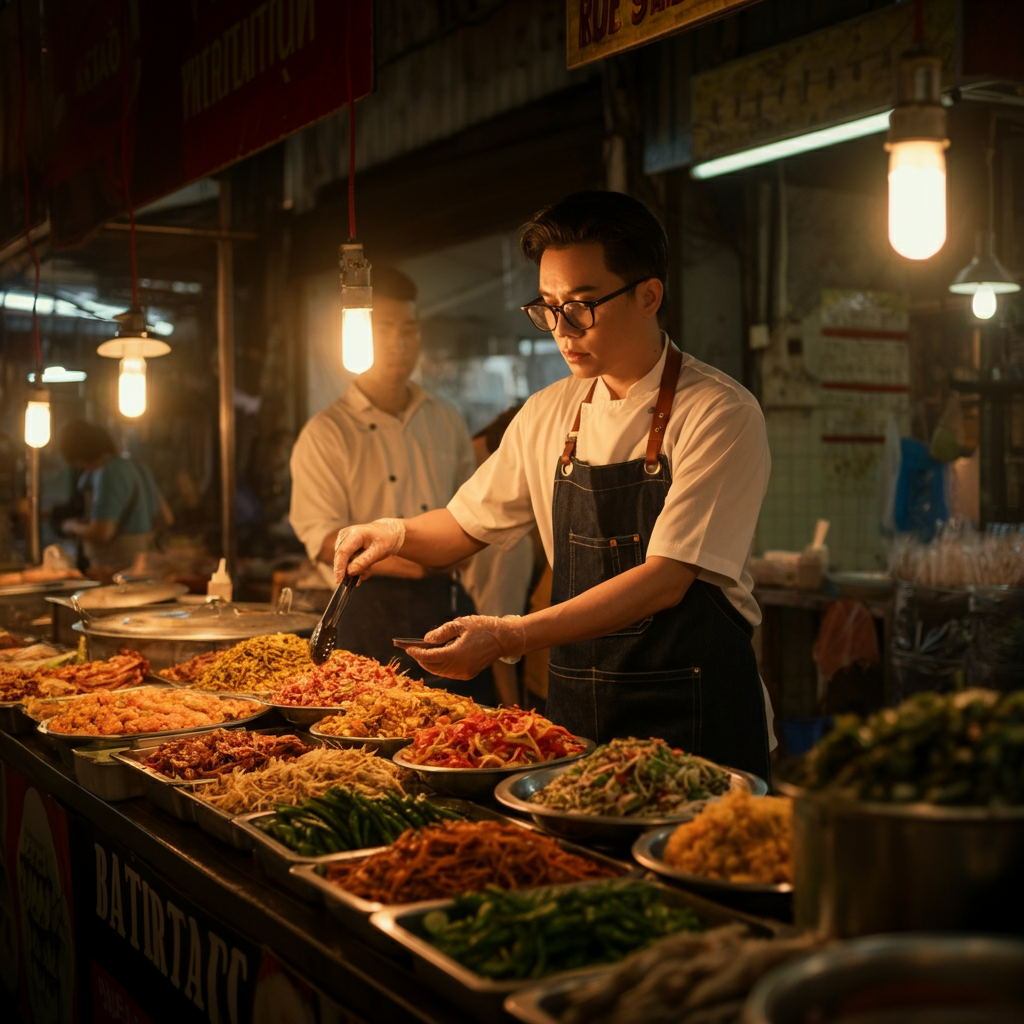
Food can quickly drain your travel budget if you're not careful. Avoid tourist traps and opt for local eateries, street food stalls, and markets, where you can find delicious and authentic cuisine at a fraction of the cost. Embrace cooking your own meals whenever possible by staying in accommodation with kitchen facilities. Visit local supermarkets to stock up on groceries and snacks. Look for lunch specials and happy hour deals at restaurants. Don't be afraid to try new and unfamiliar foods – it's part of the adventure! Pack reusable water bottles and refill them to avoid buying expensive bottled water.
Step 6: Embrace Free and Low-Cost Activities
Unlocking the Value of Experiences
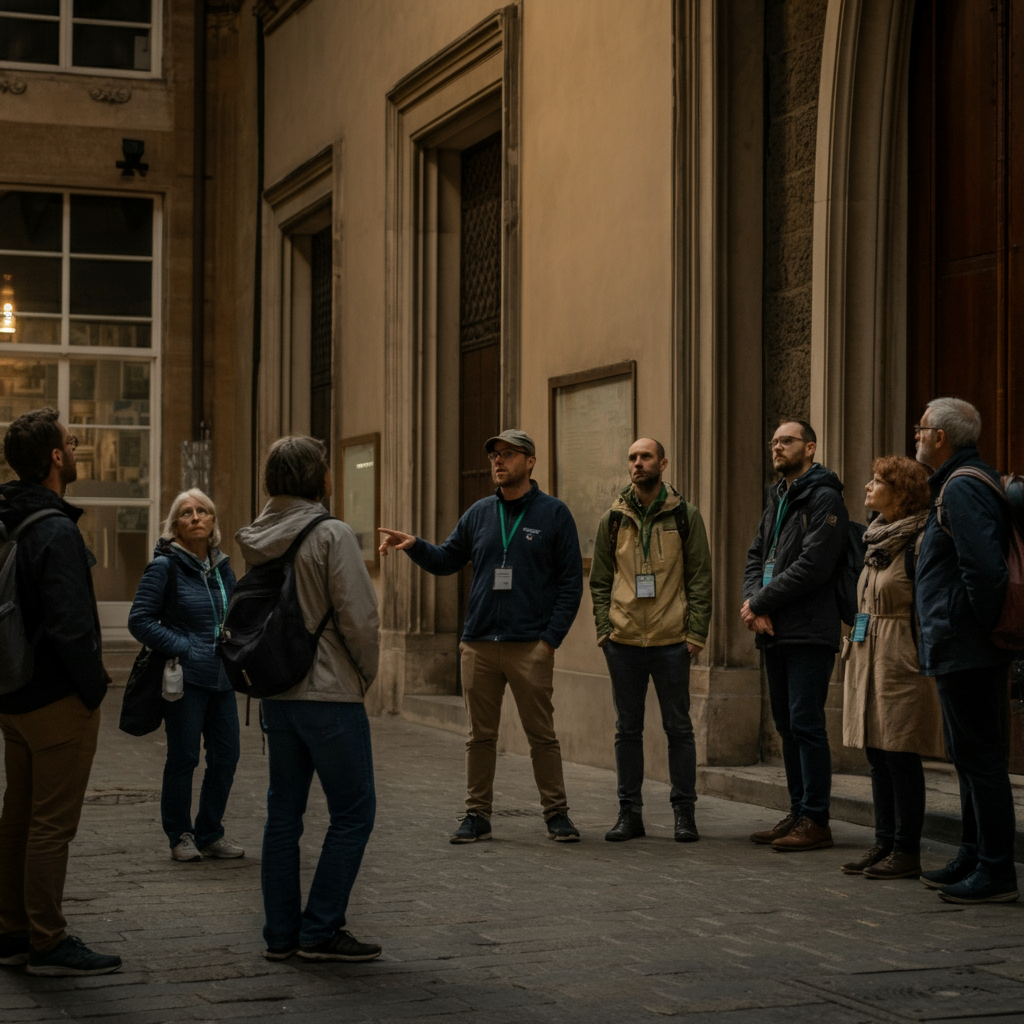
Many of the best travel experiences are free or low-cost. Explore local parks, museums with free admission days, and walking tours. Research free events and festivals happening in your destination. Take advantage of hiking trails and scenic viewpoints. Connect with locals through online communities or language exchange programs to get insider tips on hidden gems and free activities. Pack a picnic and enjoy a meal in a beautiful setting. Visit local churches and temples, which often offer free admission. Don't underestimate the value of simply wandering around and soaking in the atmosphere of a new place.
Step 7: Master Transportation Hacks
Getting Around Without Breaking the Bank
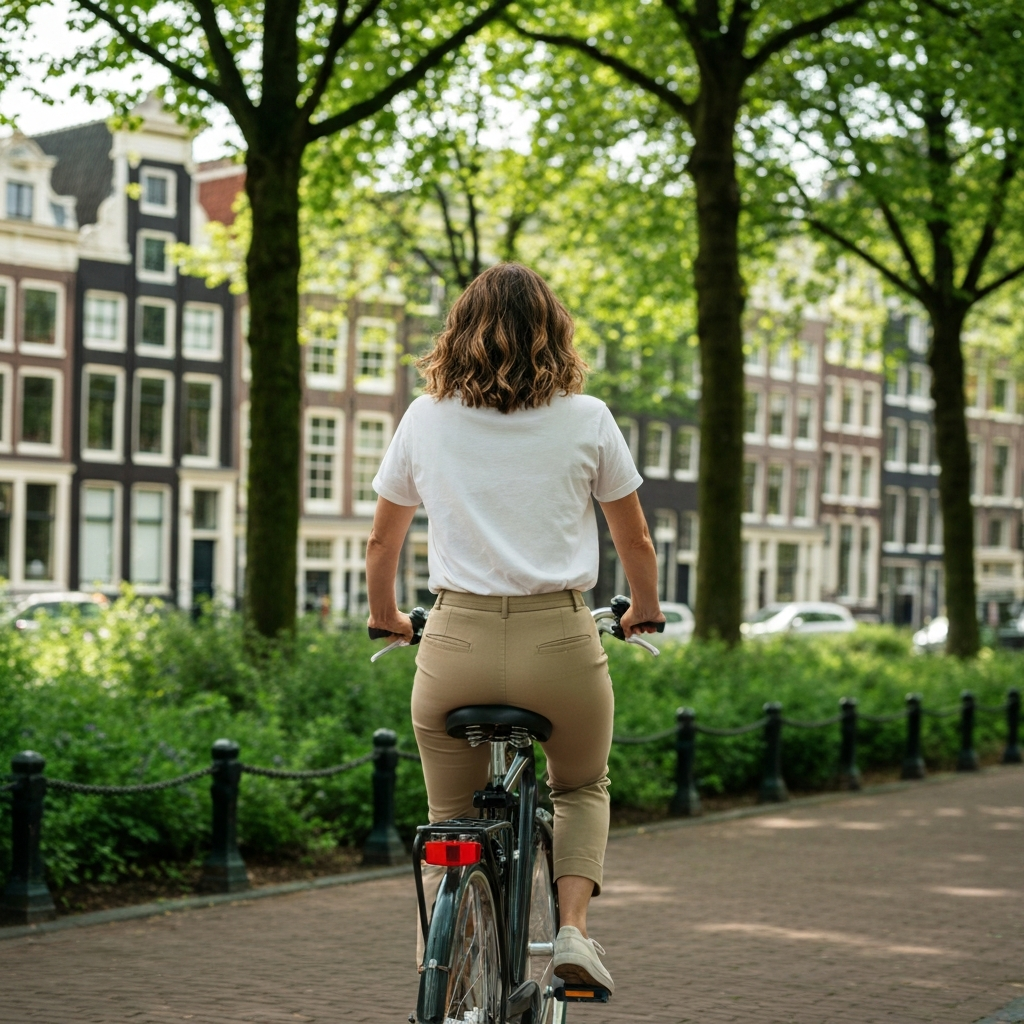
Transportation costs can add up quickly, so it's important to find affordable ways to get around. Utilize public transportation, such as buses, trains, and subways, which are typically much cheaper than taxis or rental cars. Consider purchasing a multi-day transportation pass if you plan to use public transportation frequently. Walk or bike whenever possible to explore your surroundings and save money on transportation. Consider carpooling with other travelers or using ride-sharing services. If you do rent a car, compare prices from different rental companies and look for discounts.
Step 8: Travel During the Off-Season or Shoulder Season
Timing is Everything
Traveling during the off-season or shoulder season can significantly reduce the cost of flights, accommodation, and activities. The off-season is the period when tourism is at its lowest, while the shoulder season is the period between the peak and off-peak seasons. During these times, you'll find lower prices, fewer crowds, and a more authentic travel experience. Be aware that some attractions or activities may have limited hours or be closed during the off-season. Research the weather conditions in your destination during the off-season and pack accordingly.
Tools or Materials Required
- Smartphone with internet access
- Budgeting app or spreadsheet
- Flight comparison websites (Google Flights, Skyscanner, Momondo)
- Accommodation booking websites (Booking.com, Airbnb, Hostelworld)
- Travel guide or guidebook
- Reusable water bottle
Common Mistakes to Avoid
- Not creating a budget
- Overspending on souvenirs
- Eating at tourist traps
- Not researching transportation options
- Not factoring in pre-trip expenses
- Not purchasing travel insurance
Safety Considerations
- Research your destination and be aware of any potential safety concerns.
- Purchase travel insurance to protect yourself against unexpected events.
- Keep your valuables secure and be aware of your surroundings.
- Learn a few basic phrases in the local language.
- Share your itinerary with a friend or family member.
Pro Tips
- Travel with a friend or partner to split costs.
- Take advantage of free walking tours to learn about the city.
- Look for local events and festivals.
- Use credit cards that offer travel rewards.
- Be open to new experiences and embrace the unexpected.
FAQ Section
- Q: How much money do I need to travel?
- A: The amount of money you need to travel depends on your destination, travel style, and duration of your trip. Research the average daily expenses for your chosen destination and create a detailed budget.
- Q: What is the best time to travel?
- A: The best time to travel depends on your destination and preferences. Consider traveling during the off-season or shoulder season to find lower prices and fewer crowds.
- Q: How can I find affordable accommodation?
- A: Consider hostels, Airbnb, couchsurfing, or camping to save money on accommodation. Look for discounts and deals on accommodation websites.
- Q: How can I save money on food?
- A: Eat at local eateries, street food stalls, and markets. Cook your own meals whenever possible. Pack reusable water bottles.
Traveling the world on a budget is not just possible, it's an enriching and rewarding experience. By embracing resourcefulness, planning meticulously, and prioritizing experiences over luxury, you can unlock a world of adventure without emptying your wallet. Remember to define your travel style, create a realistic budget, and take advantage of the many free and low-cost activities available. Happy travels!