The call of the open road, the allure of distant lands, the thrill of experiencing new cultures – wanderlust is a powerful force. But transforming that dream into reality can feel daunting, especially when budget constraints loom large. Fear not! Breathtaking travel doesn't have to break the bank. With careful planning, savvy choices, and a spirit of adventure, you can explore the world without emptying your savings account. This guide provides a step-by-step blueprint for crafting unforgettable and affordable travel experiences.
This isn't just about finding the cheapest flights and hostels (though we'll cover that!). It's about cultivating a mindset that prioritizes experience over extravagance, resourcefulness over reliance, and connection over consumption. Embrace the art of slow travel, immerse yourself in local life, and discover hidden gems that guidebooks often miss. Get ready to transform your wanderlust into a well-planned, budget-friendly adventure.
Remember that the journey is just as important as the destination. Travel should be an enriching and transformative experience, not a stressful race against time and money. Let’s get started.
Step 1: Define Your Travel Style and Budget
Understanding Your Travel Personality
Before diving into logistics, take some time for introspection. What truly excites you about travel? Are you a history buff, a nature enthusiast, a foodie, or a culture seeker? Are you comfortable with roughing it, or do you prefer a certain level of comfort? Identifying your travel style is crucial for making informed decisions and avoiding costly mistakes. Consider your preferred pace of travel. Do you like to see as much as possible in a short amount of time, or do you prefer to linger in one place and truly immerse yourself in the local culture?
Once you understand your preferences, you can start setting realistic budget expectations. Research the average cost of travel in your desired destinations, considering factors such as accommodation, food, transportation, and activities. Be honest with yourself about how much you can comfortably afford to spend. Factor in some buffer for unexpected expenses.
Practical Considerations: Be realistic about the time of year. Traveling during peak season will dramatically increase costs. Shoulder seasons (spring and fall) often offer a sweet spot with pleasant weather and lower prices. Also, consider travel insurance. The cost of not having it can far outweigh the initial expense.

Step 2: Research and Choose Your Destination Wisely
Finding the Sweet Spot: Affordability and Intrigue
With your travel style and budget in mind, it's time to explore potential destinations. While iconic landmarks and popular tourist spots can be tempting, consider exploring less-traveled paths. These hidden gems often offer a more authentic cultural experience and significantly lower prices. Eastern Europe, Southeast Asia, and Latin America are frequently cited as excellent options for budget-conscious travelers. Research visa requirements and potential health risks before making a final decision.
Use online resources like budget travel blogs, travel forums, and comparison websites to gather information. Look for firsthand accounts of travel experiences in your potential destinations. Pay attention to the cost of everyday expenses like food, transportation, and accommodation. Compare prices across different seasons and be prepared to adjust your travel dates if necessary.
Potential Mistake: Relying solely on popular travel guides can lead to inflated prices and overcrowded tourist traps. Dig deeper and explore alternative sources of information to discover unique and affordable experiences.
Step 3: Master the Art of Flight Hacking
Unlocking Affordable Airfare
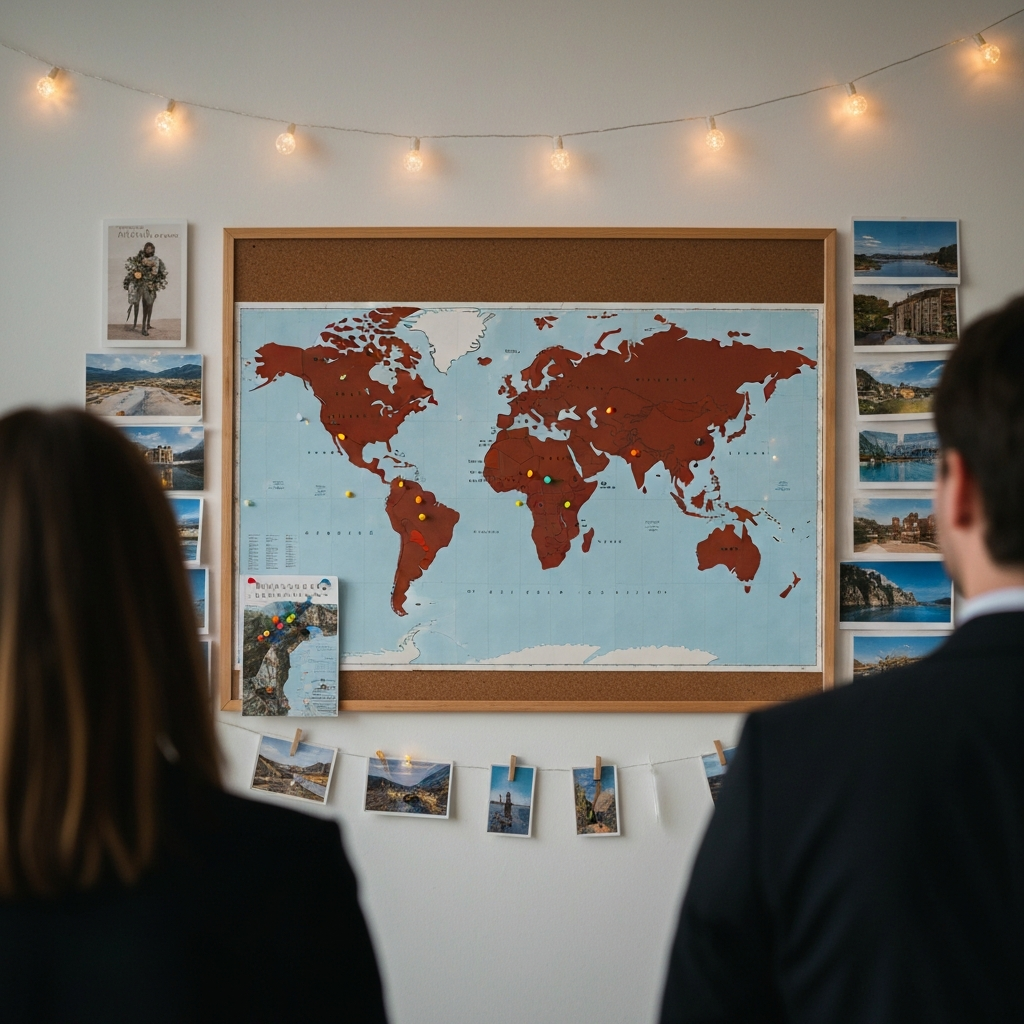
Flights often represent the biggest expense in any travel budget. Learning to find affordable airfare is crucial. Be flexible with your travel dates and airports. Flying on weekdays or during off-peak hours can often save you significant money. Use flight comparison websites and set up price alerts to track changes in airfare. Consider flying into smaller, regional airports that may offer lower fares.
Explore the possibility of using budget airlines. These airlines often offer rock-bottom prices, but be aware of potential hidden fees for baggage, seat selection, and other amenities. Pack light to avoid baggage fees, and carefully review the airline's terms and conditions before booking. Consider flying with a carry-on only to save money. Think about using incognito mode while searching to avoid price tracking.
Tools or Materials Required: Flight comparison websites (e.g., Google Flights, Skyscanner, Kayak), travel credit cards with rewards programs, and a flexible travel schedule.

Step 4: Secure Budget-Friendly Accommodation
Beyond Hotels: Embracing Alternative Stays
Accommodation is another major expense, but numerous options exist beyond traditional hotels. Hostels are a popular choice for budget travelers, offering dormitory-style rooms and communal spaces. Consider using websites like Hostelworld to find reputable and affordable hostels. Airbnb can also be a great option, especially for longer stays, offering a wide range of apartments, houses, and unique accommodations. Look for options with kitchen facilities to save money on food.
Explore the possibility of volunteering or house-sitting in exchange for accommodation. Websites like Workaway and TrustedHousesitters connect travelers with opportunities to volunteer or care for homes while the owners are away. This can be a great way to experience a destination from a local perspective and save money on accommodation. Couchsurfing is another option, offering free accommodation with locals, but exercise caution and read reviews carefully.
Safety Considerations: Thoroughly research the area where you're considering staying. Read reviews from other travelers and be aware of any potential safety concerns. Always be mindful of your belongings and take precautions to protect yourself from theft.

Step 5: Eat Like a Local, Not a Tourist
Culinary Adventures on a Shoestring
Food can be a significant expense, but it doesn't have to be. Avoid tourist traps and seek out local restaurants and street food vendors. These establishments often offer delicious and authentic cuisine at much lower prices. Visit local markets and buy fresh produce to prepare your own meals. Cooking your own food can save you a significant amount of money, especially if you're staying in accommodation with kitchen facilities.
Embrace the local culture by trying regional specialties. Ask locals for recommendations on where to find the best and most affordable food. Be adventurous and try new things! Pack snacks to avoid impulse purchases at tourist shops.
Pro Tip: Many restaurants offer lunch specials or early bird discounts. Take advantage of these deals to save money.

Step 6: Embrace Free and Low-Cost Activities
Experiencing the Best Without Breaking the Bank
Many of the best travel experiences are free or low-cost. Take advantage of free walking tours, visit parks and gardens, and explore local markets. Hike in national parks, swim in the ocean, and soak up the natural beauty of your surroundings. Many museums offer free admission days or discounted rates for students and seniors.
Attend free cultural events, such as concerts, festivals, and art exhibitions. Connect with locals and ask them for recommendations on free or low-cost activities. Participate in local traditions and celebrations. Remember, the most memorable travel experiences are often the ones that don't cost a lot of money.

Step 7: Master Local Transportation
Getting Around Like a Pro
Transportation costs can add up quickly, so it's important to choose your transportation options wisely. Utilize public transportation whenever possible. Buses, trains, and trams are often much cheaper than taxis or rental cars. Walk or bike whenever possible to explore your surroundings and get some exercise. Consider purchasing a local transportation pass for unlimited travel within a specific area.
If you need to rent a car, compare prices from different rental agencies and book in advance. Consider carpooling with other travelers to save money. Be aware of local traffic laws and parking regulations. Use ride-sharing services like Uber or Lyft, but be mindful of surge pricing during peak hours.
Common Mistakes to Avoid: Relying solely on taxis can be expensive and inefficient. Plan your routes in advance and familiarize yourself with the local public transportation system.
FAQ Section
Addressing Common Travel Concerns
Q: How can I stay connected without incurring roaming charges?
A: Purchase a local SIM card or use Wi-Fi hotspots. Many cafes, restaurants, and libraries offer free Wi-Fi. Consider purchasing a portable Wi-Fi device for convenient internet access.
Q: What should I do if I run into unexpected expenses?
A: Have a contingency plan in place. Set aside a small amount of money for unexpected expenses. Consider bringing a credit card with a low interest rate. Avoid withdrawing cash from ATMs, as fees can be high.
Q: How can I stay safe while traveling on a budget?
A: Be aware of your surroundings. Avoid walking alone at night in unfamiliar areas. Keep your belongings secure. Inform someone of your travel plans. Purchase travel insurance that covers medical emergencies and theft.
Conclusion
Wanderlust doesn't have to be an unattainable dream. By embracing mindful planning, savvy budgeting, and a spirit of adventure, you can unlock breathtaking travel experiences without breaking the bank. Remember to define your travel style, research your destination wisely, master the art of flight hacking, and seek out budget-friendly accommodation. Eat like a local, embrace free activities, and utilize local transportation options. The world is waiting to be explored, and with a little resourcefulness, you can experience its wonders without emptying your wallet. Now go forth and wanderlust wisely!