Your signature style is more than just clothes; it's a carefully crafted reflection of your personality, values, and aspirations. It's the visual language you use to communicate with the world, a nonverbal expression of who you are. Developing a signature style takes time, experimentation, and a healthy dose of self-awareness. It's not about following trends blindly, but about understanding what makes you feel confident, comfortable, and authentic.
This handbook provides a step-by-step guide to help you discover, define, and refine your personal style. We'll explore the foundational elements of style, from understanding your body shape and color palette to identifying your style icons and experimenting with different looks. Remember, this is a journey of self-discovery, not a rigid set of rules. Be open to trying new things and don't be afraid to make mistakes along the way.
Ultimately, curating a signature style is about creating a wardrobe and grooming routine that empowers you to be your best self. It's about feeling comfortable in your own skin and expressing your unique individuality with confidence and grace. Let's embark on this exciting journey together!
Step 1: Self-Reflection and Inspiration
The first step in curating your signature style is to engage in some serious self-reflection. Ask yourself: What are your values? What are your passions? What kind of impression do you want to make on the world? Your style should be an authentic reflection of your inner self, not a mask you wear to impress others. Consider your lifestyle – are you a student, a professional, a stay-at-home parent? Your wardrobe needs to be practical and functional for your daily activities. Also, start gathering inspiration. Browse magazines, social media, and fashion blogs. Pay attention to outfits and looks that resonate with you. Don't just copy them outright; analyze what you like about them and how you can incorporate those elements into your own style.

Step 2: Understanding Your Body Shape and Coloring
Knowing your body shape and coloring is crucial for choosing clothes that flatter your figure and enhance your natural beauty. There are several body shape categories, such as apple, pear, hourglass, and rectangle. Online resources and stylists can help you determine your shape. Once you know it, research the styles of clothing that best complement it. Similarly, understanding your skin tone (warm, cool, or neutral) will help you choose colors that make you look radiant. Consider your hair and eye color as well. Experiment with different colors and shades to see what works best for you. Don't be afraid to step outside your comfort zone, but always prioritize colors that make you feel confident and energized.

Step 3: Defining Your Core Style Elements
Based on your self-reflection and inspiration, identify the core elements that will define your signature style. This could include specific colors, patterns, fabrics, silhouettes, or accessories. For example, you might gravitate towards classic silhouettes in neutral colors with pops of color in your accessories, or you might prefer bohemian-inspired pieces with flowing fabrics and bold prints. Write down your core style elements and use them as a guide when shopping or creating outfits. These elements should be versatile enough to be incorporated into various looks, allowing you to create a cohesive and recognizable style.
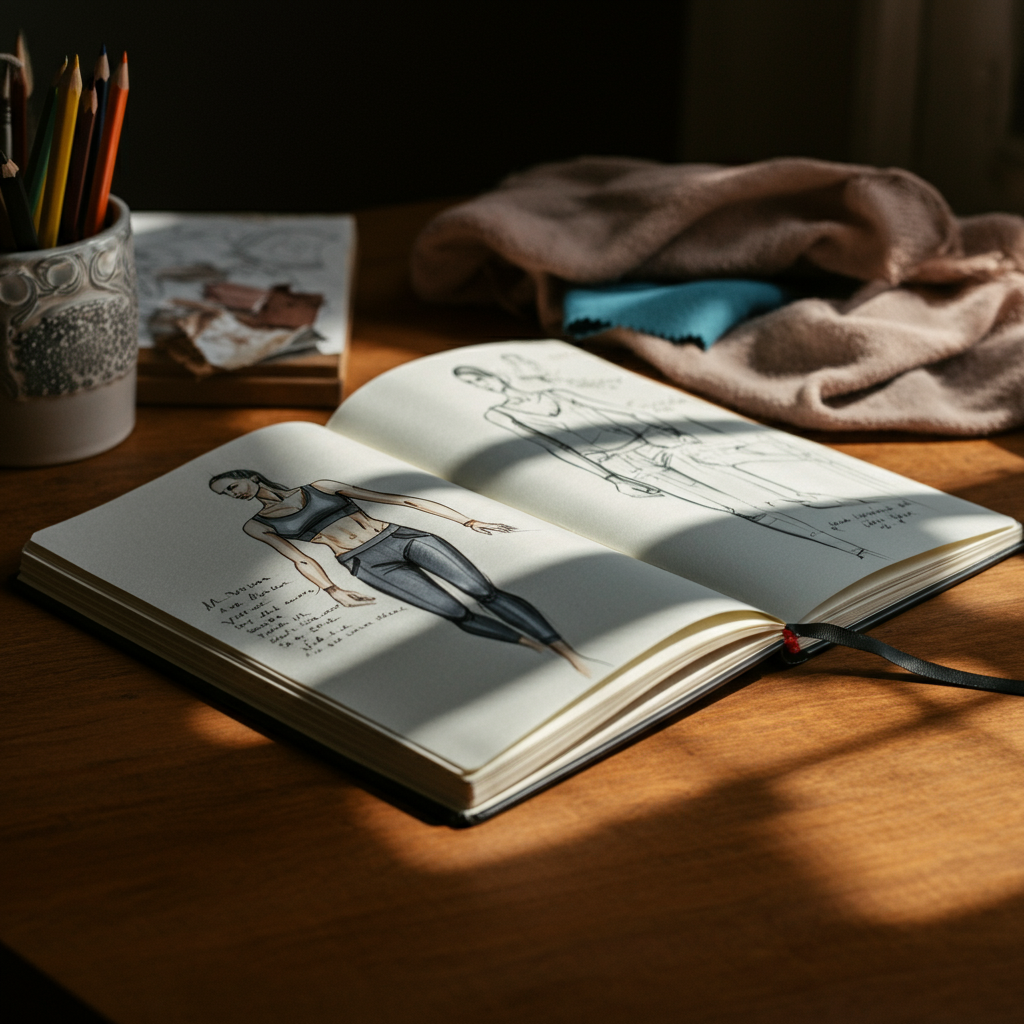
Step 4: Building a Versatile Wardrobe Foundation
A signature style is built upon a foundation of versatile wardrobe essentials. These are timeless pieces that can be mixed and matched to create a variety of outfits. Examples include a well-fitting blazer, a classic white shirt, a pair of dark-wash jeans, a little black dress, and a neutral-colored coat. Invest in high-quality pieces that will last for years. Focus on fit and quality over quantity. Once you have a solid foundation, you can start adding more unique and statement pieces that reflect your personality and style preferences.

Step 5: Accessorizing with Intention
Accessories are the finishing touches that can elevate an outfit and truly define your signature style. Choose accessories that reflect your personality and complement your core style elements. This could include statement jewelry, scarves, hats, belts, handbags, or shoes. Don't overdo it – less is often more. A few carefully chosen accessories can have a greater impact than a large collection of mediocre pieces. Consider the overall balance of your outfit and choose accessories that enhance, rather than distract from, your overall look.

Step 6: Refining Your Grooming Routine
Your grooming routine is just as important as your clothing choices. A well-groomed appearance shows that you take pride in your appearance and pay attention to detail. This includes everything from skincare and haircare to makeup and fragrance. Develop a grooming routine that suits your skin type, hair type, and lifestyle. Find a hairstyle that flatters your face shape and experiment with makeup looks that enhance your natural features. Choose a signature fragrance that reflects your personality and makes you feel confident. Don't underestimate the power of good hygiene – clean hair, trimmed nails, and fresh breath are essential.

Step 7: Experimentation and Evolution
Curating your signature style is an ongoing process. Don't be afraid to experiment with different looks and try new things. Your style should evolve as you grow and change as a person. Pay attention to what feels good and what doesn't. Don't be afraid to step outside your comfort zone, but always stay true to yourself. The most important thing is to feel confident and comfortable in your own skin. Seek feedback from trusted friends or stylists, but ultimately, trust your own instincts and create a style that is authentically you.
Pro Tips
- Start with a capsule wardrobe: A small collection of versatile pieces that can be mixed and matched.
- Invest in quality over quantity.
- Don't be afraid to experiment.
- Seek inspiration from style icons.
- Trust your instincts.
Common Mistakes to Avoid
- Following trends blindly.
- Buying clothes that don't fit properly.
- Wearing clothes that are uncomfortable.
- Ignoring your body shape and coloring.
- Being afraid to experiment.
FAQ Section
- Q: How long does it take to develop a signature style?
- A: It varies from person to person, but it's typically a process that takes time and experimentation.
- Q: Is it expensive to curate a signature style?
- A: It doesn't have to be. Focus on investing in quality pieces that will last for years and don't be afraid to shop sales and thrift stores.
- Q: What if my style changes over time?
- A: That's perfectly normal! Your style should evolve as you grow and change as a person. Embrace the evolution and don't be afraid to experiment with new looks.
Conclusion
Curating a signature style is a journey of self-discovery and expression. By understanding your values, body shape, and coloring, you can create a wardrobe and grooming routine that reflects your unique personality and empowers you to be your best self. Remember to experiment, trust your instincts, and have fun along the way! Your signature style is an evolving work of art, a visual representation of who you are and who you aspire to be.