Creativity isn't a gift bestowed upon a chosen few; it's a muscle we can all develop and strengthen. The arts and entertainment world offers countless avenues for self-expression, exploration, and innovation. Whether you dream of painting masterpieces, writing compelling stories, composing evocative music, or dazzling audiences on stage, this guide provides a structured approach to unlocking your creative potential.
This journey isn't about instant success or flawless execution. It's about embracing the process, nurturing your curiosity, and finding joy in the act of creation. Expect challenges, setbacks, and moments of self-doubt. But remember, every artist, performer, and innovator started somewhere. By following these steps and committing to consistent practice, you can cultivate your creative spirit and make your unique mark on the world.
So, let's embark on this exciting adventure together. Prepare to challenge your assumptions, break free from limitations, and discover the artist within.
Step 1: Identify Your Creative Passions
Uncovering Your Artistic Inclinations
The first step towards unleashing your creative genius is to identify what truly excites you. What forms of art and entertainment resonate deeply with your soul? Consider what activities make you lose track of time, evoke strong emotions, or spark your imagination. This might involve exploring different art forms, attending performances, visiting museums, reading books, or simply observing the world around you with a curious eye.
Don't limit yourself to traditional categories. Maybe you're drawn to digital art, culinary arts, fashion design, or even creating immersive experiences. The key is to be open to new possibilities and allow yourself to be guided by your intuition. Keep a journal to document your observations, ideas, and feelings. This will help you identify recurring themes and patterns that point towards your core creative interests.

Step 2: Immerse Yourself in Your Chosen Field
Developing a Deep Understanding
Once you've identified your creative passions, it's time to immerse yourself in the world of that art form. This means actively engaging with the works of established artists, studying their techniques, and analyzing their creative processes. Read books, watch documentaries, attend workshops, and seek out mentors who can provide guidance and inspiration. Critically analyze what you admire and what you don't, and try to understand why.
This process isn't about imitation; it's about building a solid foundation of knowledge and understanding. By studying the masters, you can learn valuable lessons about composition, technique, storytelling, and artistic expression. It's also important to stay up-to-date with current trends and innovations in your chosen field. Attend industry events, follow relevant blogs and social media accounts, and network with other artists and professionals.

Step 3: Start Creating Regularly
The Power of Practice
The most important step in unleashing your creative genius is to start creating regularly. Don't wait for inspiration to strike; make time for creative practice every day, even if it's just for a few minutes. The more you practice, the more comfortable you'll become with your chosen medium, and the more your skills will develop. Don't be afraid to experiment, make mistakes, and try new things. The goal is to explore your creative voice and find your unique style.
It's also important to set realistic goals and break down large projects into smaller, more manageable tasks. This will help you stay motivated and avoid feeling overwhelmed. Find a creative outlet that works for you, whether it's painting in your studio, writing in a coffee shop, or composing music on your computer. The key is to create a consistent practice that allows you to express yourself freely and explore your creative potential.

Step 4: Embrace Failure and Feedback
Learning from Setbacks
Failure is an inevitable part of the creative process. Don't let mistakes discourage you; instead, view them as opportunities for growth and learning. When you encounter a setback, take the time to analyze what went wrong and identify areas for improvement. Seek feedback from trusted sources, such as mentors, peers, or critics. Be open to constructive criticism and use it to refine your skills and develop your artistic vision.
It's also important to remember that creativity is subjective. Not everyone will appreciate your work, and that's okay. Focus on creating art that resonates with you and stay true to your artistic voice. Don't let external validation define your worth as an artist. The most important thing is to continue creating and pushing yourself to grow.
Step 5: Develop Your Unique Style
Finding Your Artistic Voice
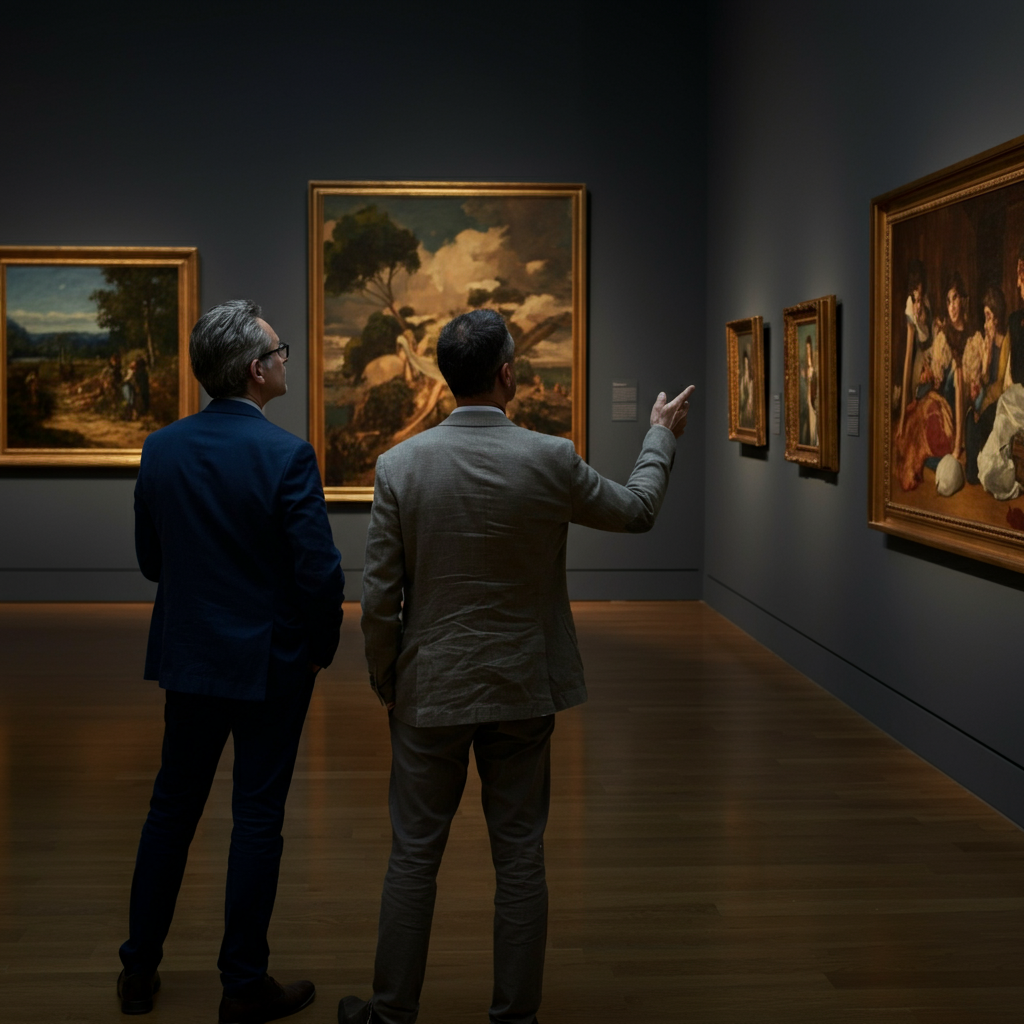
As you continue to practice and experiment, you'll begin to develop your unique style. This is the distinctive way you express yourself through your art. Your style is a reflection of your personality, your experiences, and your artistic vision. It's what sets you apart from other artists and makes your work recognizable. Developing your style takes time and experimentation. Don't be afraid to try different techniques, explore different themes, and push the boundaries of your chosen medium.
Pay attention to the details of your work, such as your use of color, composition, texture, and line. Experiment with different approaches until you find what feels authentic and true to you. Your style will continue to evolve over time as you grow as an artist. Embrace this evolution and allow your style to reflect your changing perspectives and experiences.
Step 6: Share Your Work with the World
Putting Yourself Out There
Sharing your work with the world can be both exhilarating and nerve-wracking. However, it's an essential step in the creative process. Sharing your art allows you to connect with an audience, receive feedback, and gain recognition for your work. There are many ways to share your art, from online platforms to traditional galleries and performance venues. Choose the outlets that best suit your style and your goals.
Create a professional website or online portfolio to showcase your work. Use social media to connect with other artists, promote your work, and engage with your audience. Consider entering competitions, submitting your work to galleries, or performing at local events. Don't be afraid to put yourself out there and take risks. The more you share your work, the more opportunities you'll create for yourself.

Pro Tips
- Join a creative community. Surrounding yourself with other artists can provide inspiration, support, and valuable feedback.
- Take breaks and recharge. Stepping away from your work can help you gain fresh perspectives and avoid burnout.
- Never stop learning. Continue to explore new techniques, experiment with different mediums, and challenge your creative boundaries.