Expressive arts offer a powerful pathway to self-discovery and creative fulfillment. Many believe they lack artistic talent, but the truth is that artistic expression is inherent in everyone. This guide is designed to help you tap into your inner artist, regardless of your perceived skill level. We'll explore fundamental techniques and concepts in a way that is accessible and encouraging, providing you with the tools and confidence to embark on your artistic journey.
This isn't about creating perfect masterpieces. It's about embracing the process, experimenting with different mediums, and allowing yourself to express emotions and ideas in a non-judgmental space. Through simple exercises and practical tips, you'll learn how to overcome creative blocks, find inspiration in everyday life, and develop your unique artistic voice. Remember, the goal is expression, not perfection.
Whether you're drawn to painting, drawing, collage, or any other form of visual art, this guide will provide a solid foundation for your artistic exploration. So, gather your materials, open your mind, and get ready to unleash your inner artist! The journey of a thousand paintings begins with a single brushstroke.
Step 1: Understanding Your Creative Impulses
Before diving into specific techniques, take some time to reflect on what inspires you. What colors, shapes, and textures resonate with you? What emotions or experiences do you want to express through your art? Understanding your creative impulses is the first step in developing your unique artistic voice. Consider keeping a journal to document your thoughts, feelings, and visual inspirations.
Step 2: Gathering Basic Art Supplies
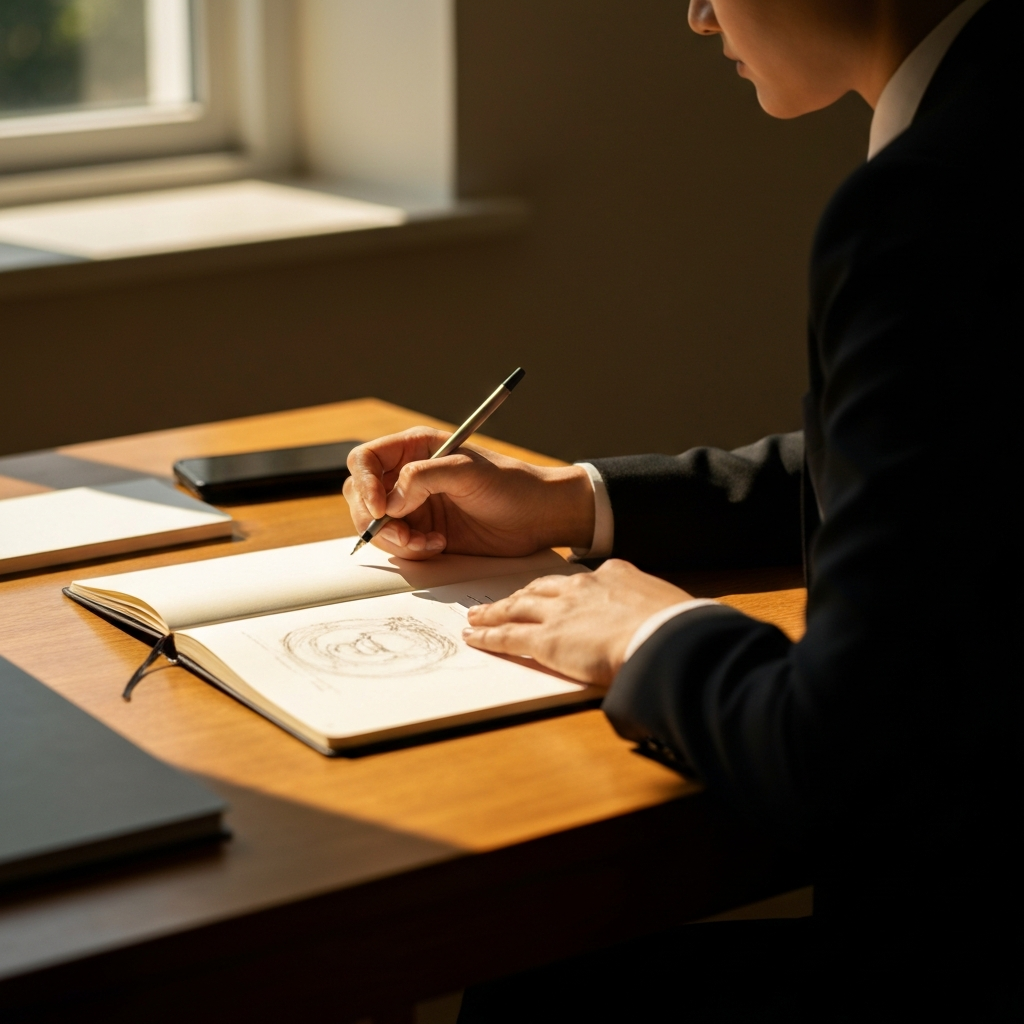
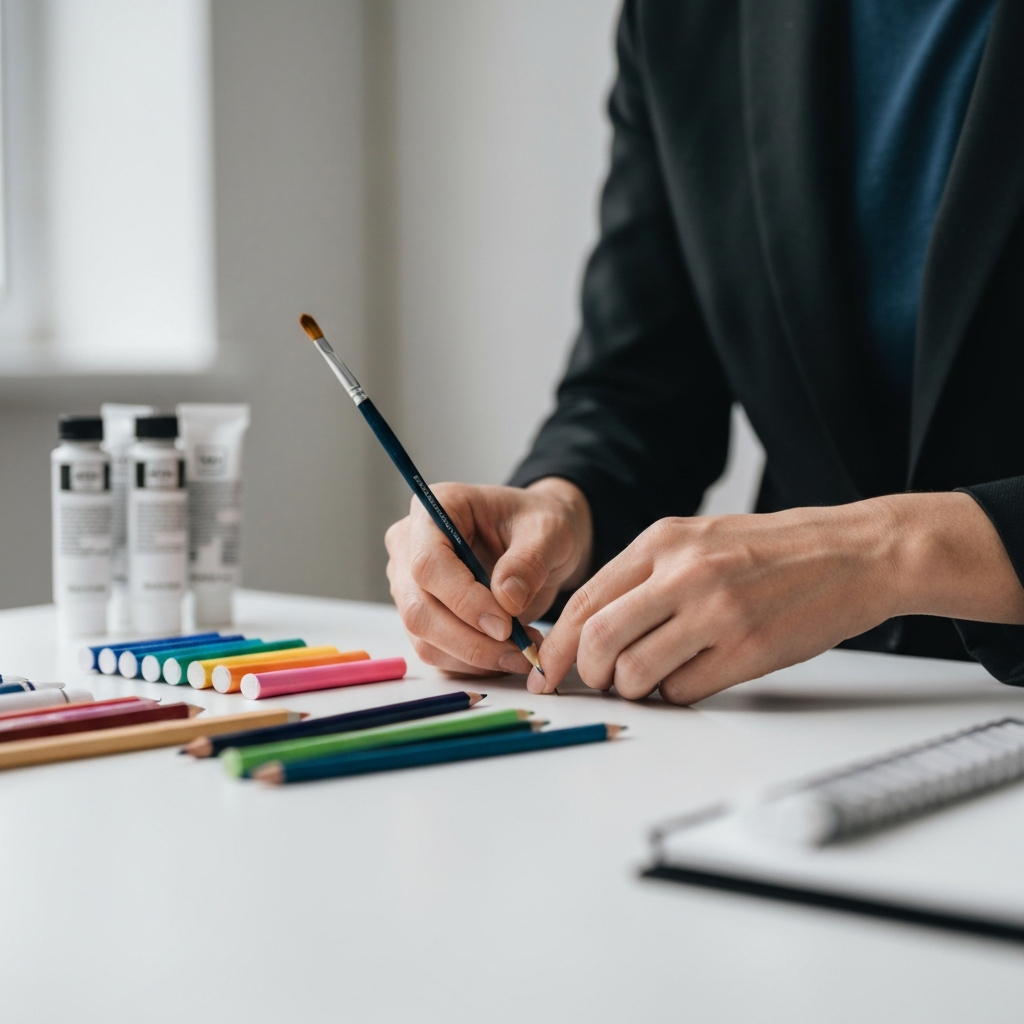
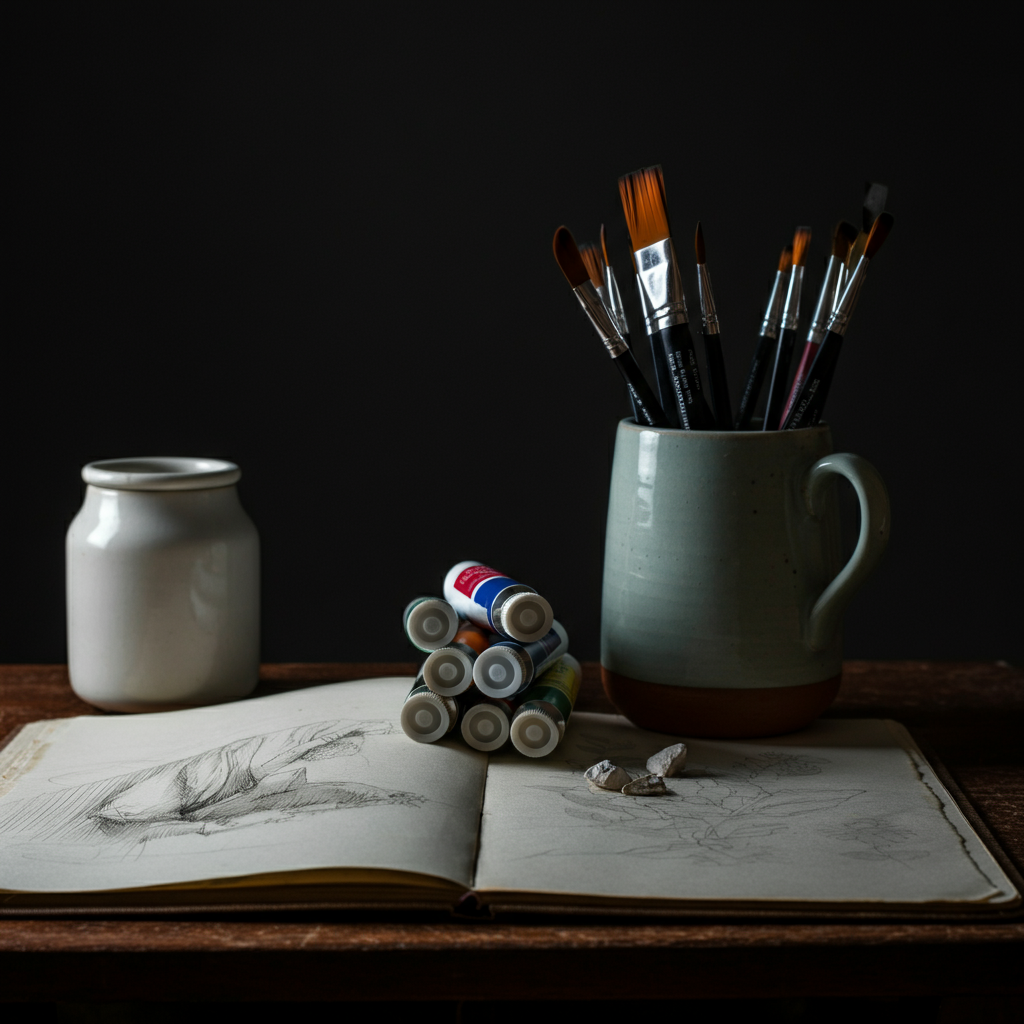
You don't need expensive materials to begin your artistic journey. Start with a few basic supplies that you find appealing. A sketchbook, a set of pencils, some watercolors or acrylic paints, and a few brushes are a great starting point. Experiment with different materials to see what you enjoy working with most. Remember that art journaling is a fun, creative hobby that allows you to express yourself through visual art and the written word, so pens, pencils, and markers are great art journaling supplies for beginners.
Tools or Materials Required
- Sketchbook or art journal
- Pencils (various grades)
- Eraser
- Watercolors or acrylic paints
- Paintbrushes (various sizes)
- Palette for mixing paints
- Water container
- Paper towels
Step 3: Mastering Basic Drawing Techniques
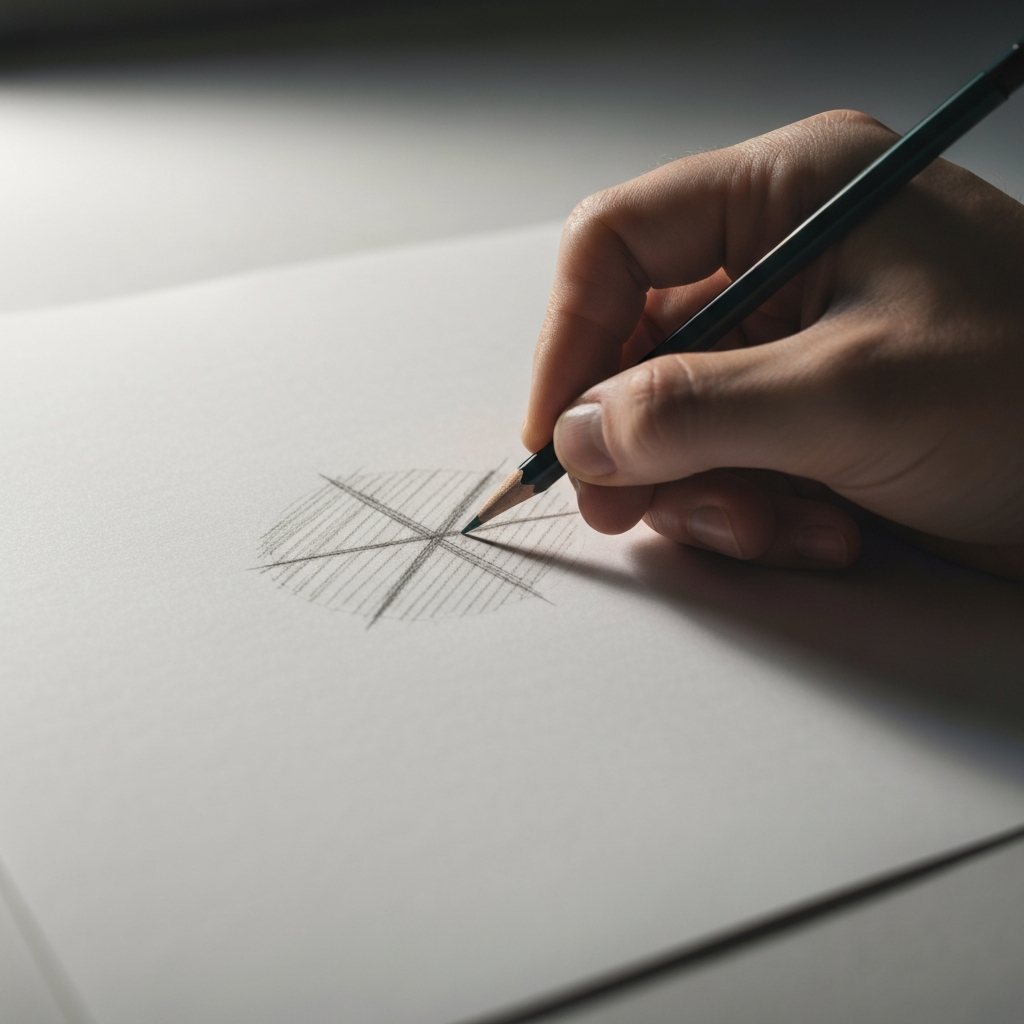
Drawing is the foundation of many art forms. Start with simple exercises like drawing lines, circles, and squares. Practice shading techniques to create depth and dimension. Focus on observing the world around you and translating what you see onto paper. Don't worry about making mistakes; every line is a learning opportunity. Practice drawing different shapes and sizes of objects. Consider following the "rule of thirds." Imagine your image is divided into 9 equal parts, like a tic-tac-toe board. The imaginary lines mark the thirds of the image, and adding an object to one of those lines will naturally attract the eye.
Step 4: Exploring Color Theory
Understanding color theory can greatly enhance your artistic expression. Learn about primary, secondary, and tertiary colors, as well as color harmonies and contrasts. Experiment with mixing colors to create different hues and shades. Pay attention to how colors affect your mood and the overall message of your artwork. When deciding what you want to paint or draw, Rebecca Schweiger says, “Ask [yourself] what types of techniques, tools, colors, lines, and shapes [you can] use to really express your message."
Step 5: Experimenting with Different Mediums
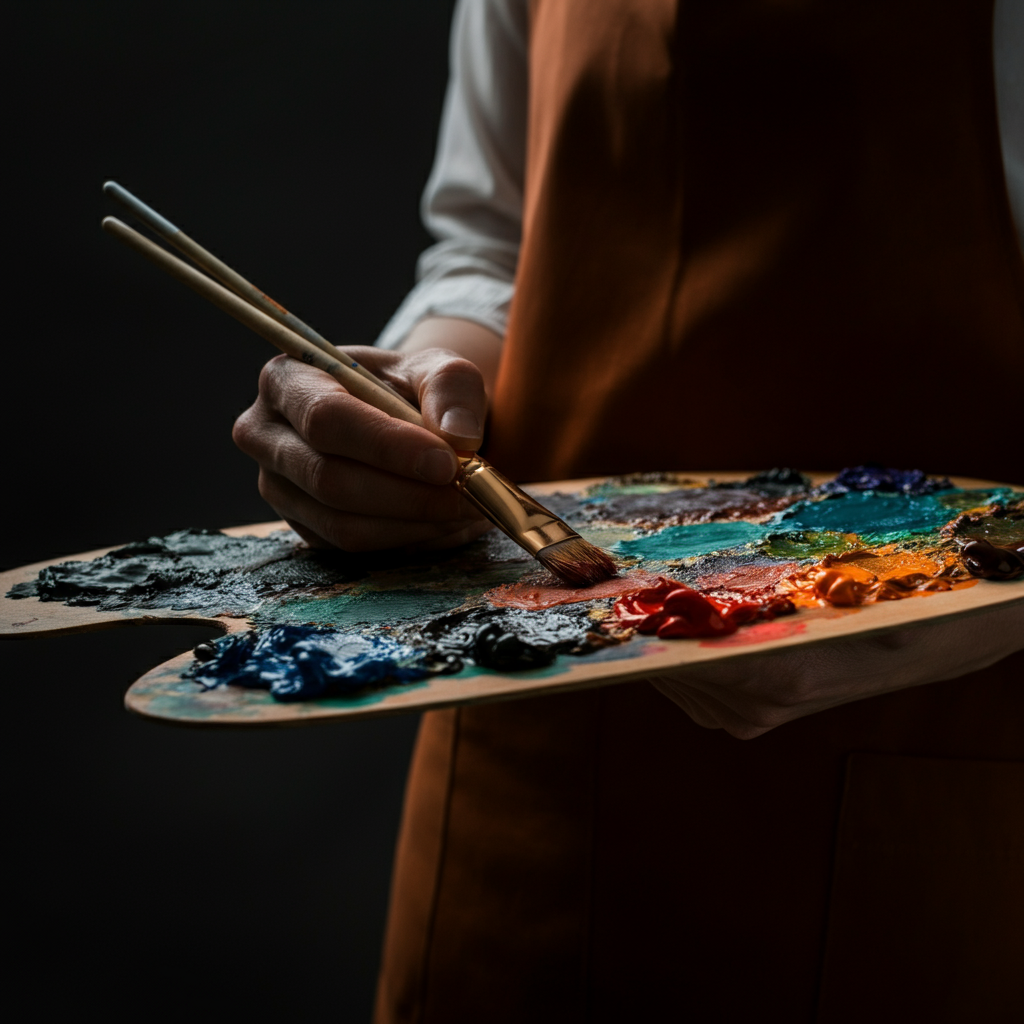
Don't limit yourself to one art form. Explore different mediums like painting, drawing, collage, printmaking, and sculpture. Each medium offers unique possibilities for creative expression. Experiment with combining different mediums to create mixed-media artwork. The key is to have fun and discover what resonates with you. Creating a background removes some of the stress or anxiety of staring at a blank white page, and it gives you an open area to start journaling.
Step 6: Embracing Imperfection and Finding Your Style
One of the biggest obstacles to creative expression is the fear of making mistakes. Let go of perfectionism and embrace the imperfections that make your art unique. Experiment with different styles and techniques until you find what feels authentic to you. Remember that your artistic voice is constantly evolving, so be patient with yourself and enjoy the journey. The more you art journal, the quicker you’ll find your art style. You’ll figure out which types of art you like and don’t like, and you’ll learn new techniques at a pace that works for you.

Common Mistakes to Avoid
- Comparing your work to others. Focus on your own progress and journey.
- Being afraid to experiment. Try new things and step outside your comfort zone.
- Letting perfectionism stifle your creativity. Embrace imperfections and learn from your mistakes.
- Using expensive materials when starting out. Begin with affordable supplies and upgrade as you progress.
Step 7: Creating an Art Journal
An art journal is a visual diary where you can explore your thoughts, feelings, and experiences through art. There are no rules, so you can experiment with different mediums, techniques, and styles without judgment. An art journal is a private and personal space where you can freely express yourself and develop your artistic voice. Make swatches of your art supplies. If you’re in the mood to create but can’t figure out what to paint or write, fill a page or two with swatches of your art supplies. Test each one in a square on the page so you can see what they look like.
Step 8: Finding Inspiration in Everyday Life
Inspiration is all around you. Pay attention to the beauty of nature, the patterns in architecture, and the emotions in human faces. Collect images, textures, and objects that inspire you. Use your experiences and observations as a starting point for your artwork. Make a piece of abstract art. Creating an abstract painting or drawing is a great way to get inspired, as you can do whatever you want without trying to recreate something specific. Play around with shapes and colors, and don’t worry about getting messy.
Safety Considerations
- Always work in a well-ventilated area when using paints, solvents, or other potentially hazardous materials.
- Wear gloves to protect your skin from irritants or stains.
- Dispose of art supplies properly according to local regulations.
- Keep art supplies out of reach of children and pets.
FAQ Section
- What if I don't think I'm talented?
- Talent is often the result of practice and dedication. Focus on the process of creating and expressing yourself, rather than on achieving perfection.
- What if I don't know where to start?
- Start with simple exercises and techniques. Explore different mediums and styles until you find what resonates with you.
- How often should I practice?
- The more you practice, the faster you'll improve. Aim for at least 15-30 minutes of art-making each day.
- What if I get stuck or uninspired?
- Take a break, look for inspiration in your surroundings, or try a different art form. Don't be afraid to experiment and step outside your comfort zone.
Conclusion
Unleashing your inner artist is a journey of self-discovery and creative expression. By embracing the process, experimenting with different mediums, and letting go of perfectionism, you can unlock your artistic potential and find joy in creating. Remember that art is a powerful tool for communication, healing, and personal growth. So, go forth, create, and share your unique artistic voice with the world.