Transforming your living room into a live music venue may seem like a daunting task, but with careful planning and a touch of creativity, you can create an unforgettable experience for both the performers and the audience. A living room concert offers an intimate and personal setting, a departure from the large-scale arena shows, allowing for a closer connection between the musicians and their fans. This guide will walk you through the essential steps to make your living room concert a resounding success. Remember, the key is to create a relaxed and welcoming atmosphere that encourages interaction and enjoyment.
This isn't just about plugging in some speakers and hoping for the best. We'll delve into the intricacies of sound optimization, lighting considerations, and crowd management within the constraints of a domestic space. From selecting the right equipment to ensuring the safety and comfort of your guests, we'll cover everything you need to know to host a concert that will be talked about for years to come. Get ready to unleash your inner concert promoter and turn your living room into the hottest ticket in town!
The beauty of a living room concert lies in its informality. Ditch the stuffy concert hall vibe and embrace the relaxed atmosphere of a home setting. Encourage your guests to mingle, bring their own beverages, and generally feel comfortable enough to sing along and dance if the mood strikes. A successful living room concert is as much about the community you create as it is about the music itself.
Step 1: Secure Your Talent
Before you start planning anything else, you need to book your performer(s). This could be a local band, a solo artist you admire, or even a talented friend. Reach out to potential acts well in advance, as popular performers book up quickly. When discussing the gig, be transparent about the setting (your living room!), the expected audience size, and the compensation you're offering. Clear communication upfront will prevent misunderstandings later on. Consider offering a percentage of the door revenue in addition to or in place of a flat fee.
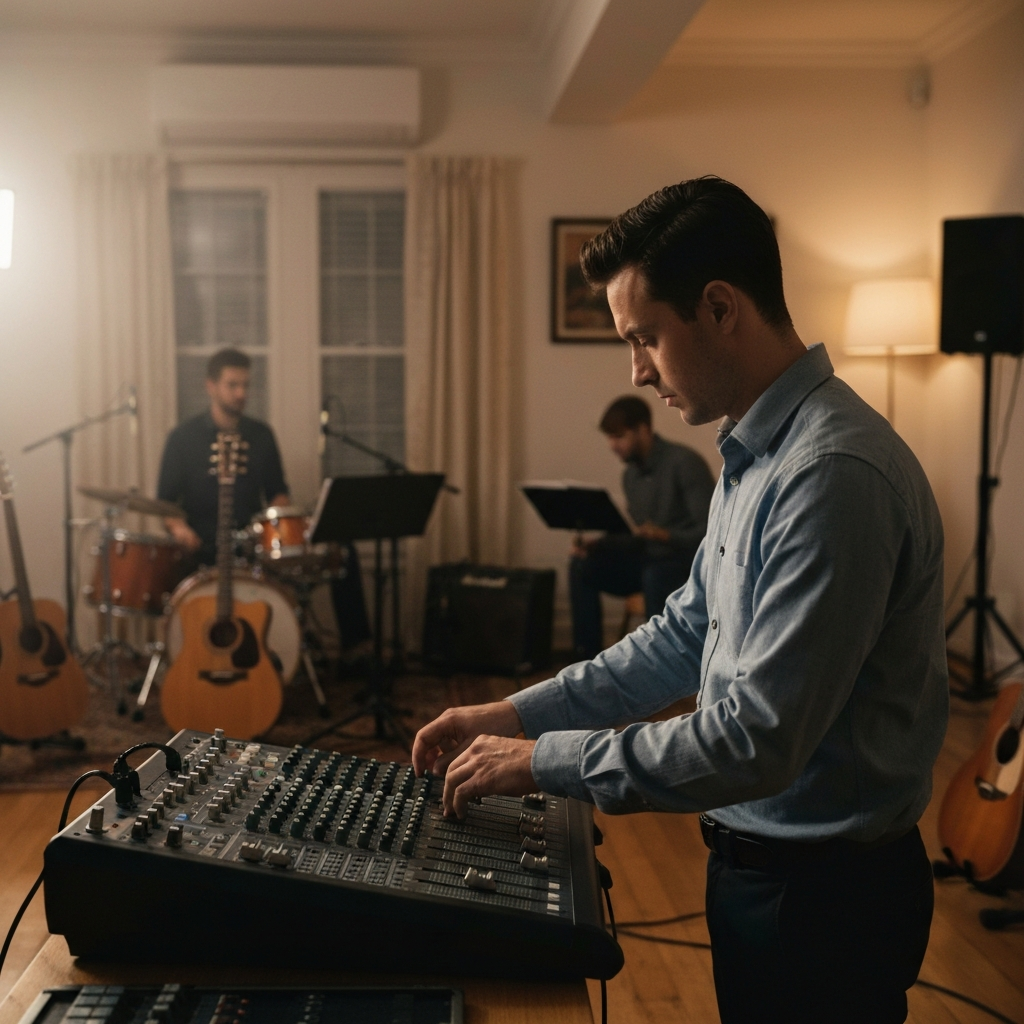
Step 2: Assess Your Space and Plan the Layout
Take a critical look at your living room. Where will the performers set up? Where will the audience sit or stand? Consider the acoustics of the room. Hard surfaces like walls and floors can cause sound to bounce around, creating echoes and muddiness. Soft furnishings like rugs, curtains, and upholstered furniture can help absorb sound and improve the overall listening experience. Rearrange furniture to create a dedicated performance area and ample space for your guests. Ensure there are clear pathways for people to move around safely.
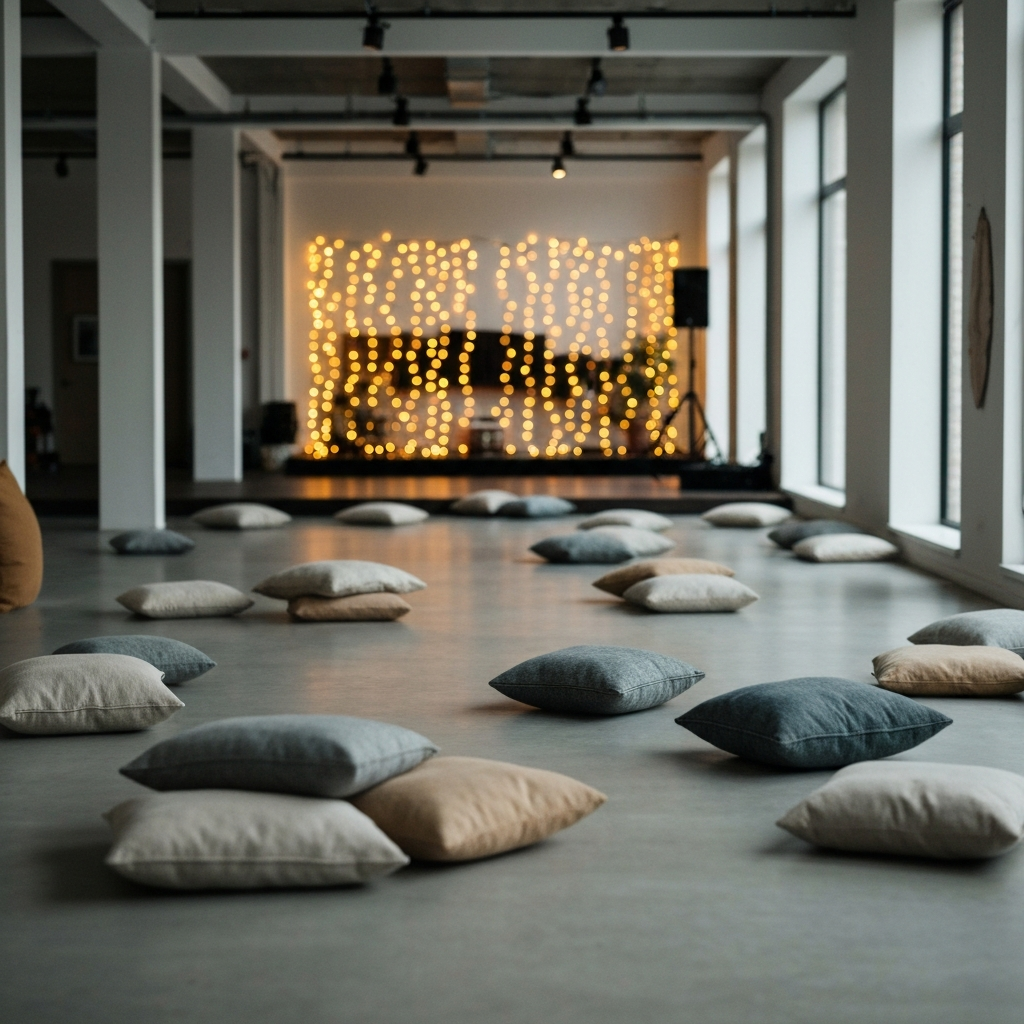
Step 3: Sound Optimization
Good sound is crucial for any successful concert, regardless of the venue's size. Even in a small living room, you'll likely need some amplification, especially if you have a band with multiple instruments. Consider renting a small PA system with speakers and a mixing board. Place the speakers strategically to ensure even sound distribution throughout the room. Avoid placing speakers directly against walls, as this can cause unwanted vibrations and distortion. If budget allows, hire a sound engineer to help with setup and mixing.
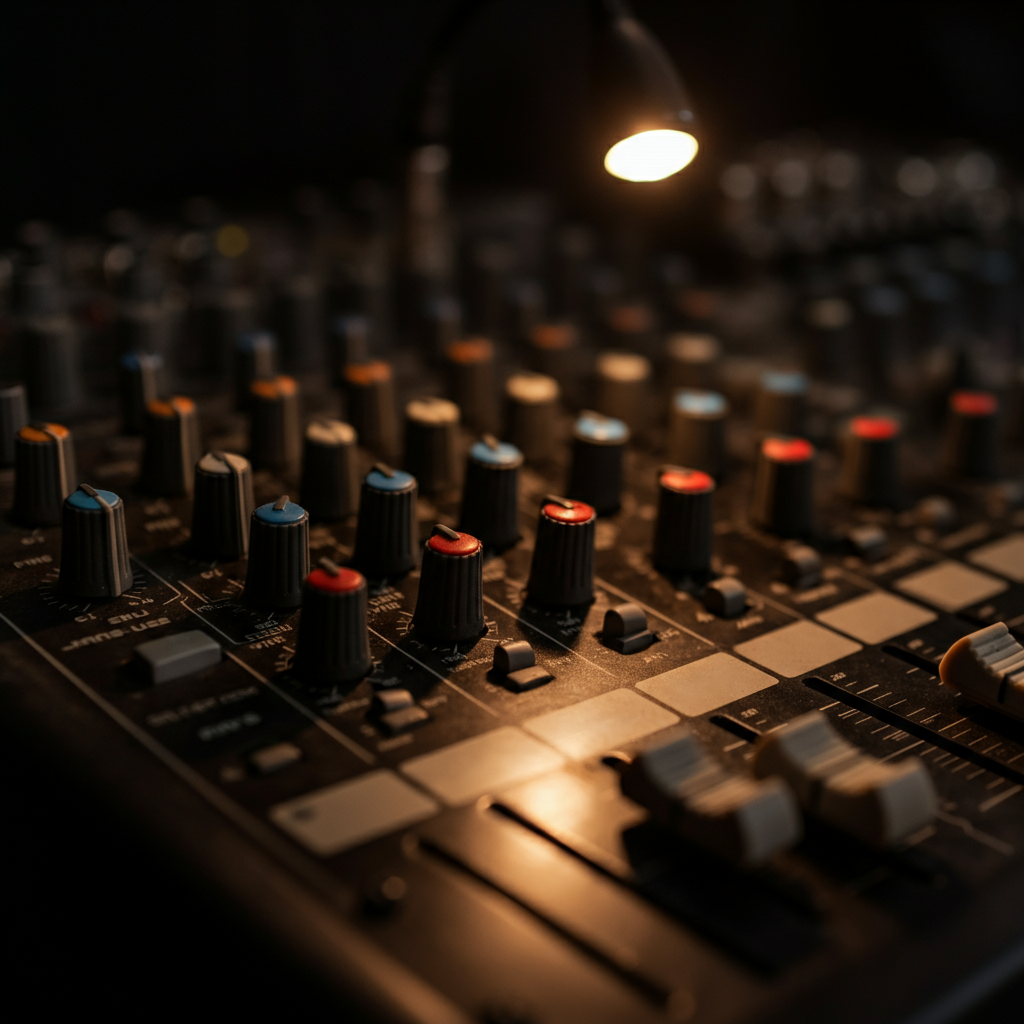
Step 4: Lighting Ambiance
Lighting can dramatically affect the atmosphere of your concert. Ditch the harsh overhead lights and opt for softer, more ambient lighting. String lights, candles (use safely!), and colored spotlights can create a warm and inviting mood. Consider using a dimmer switch to adjust the lighting levels as needed. Experiment with different lighting arrangements to find what works best for your space and the type of music being performed. Avoid shining bright lights directly into the performers' eyes.

Step 5: Seating Arrangements and Comfort
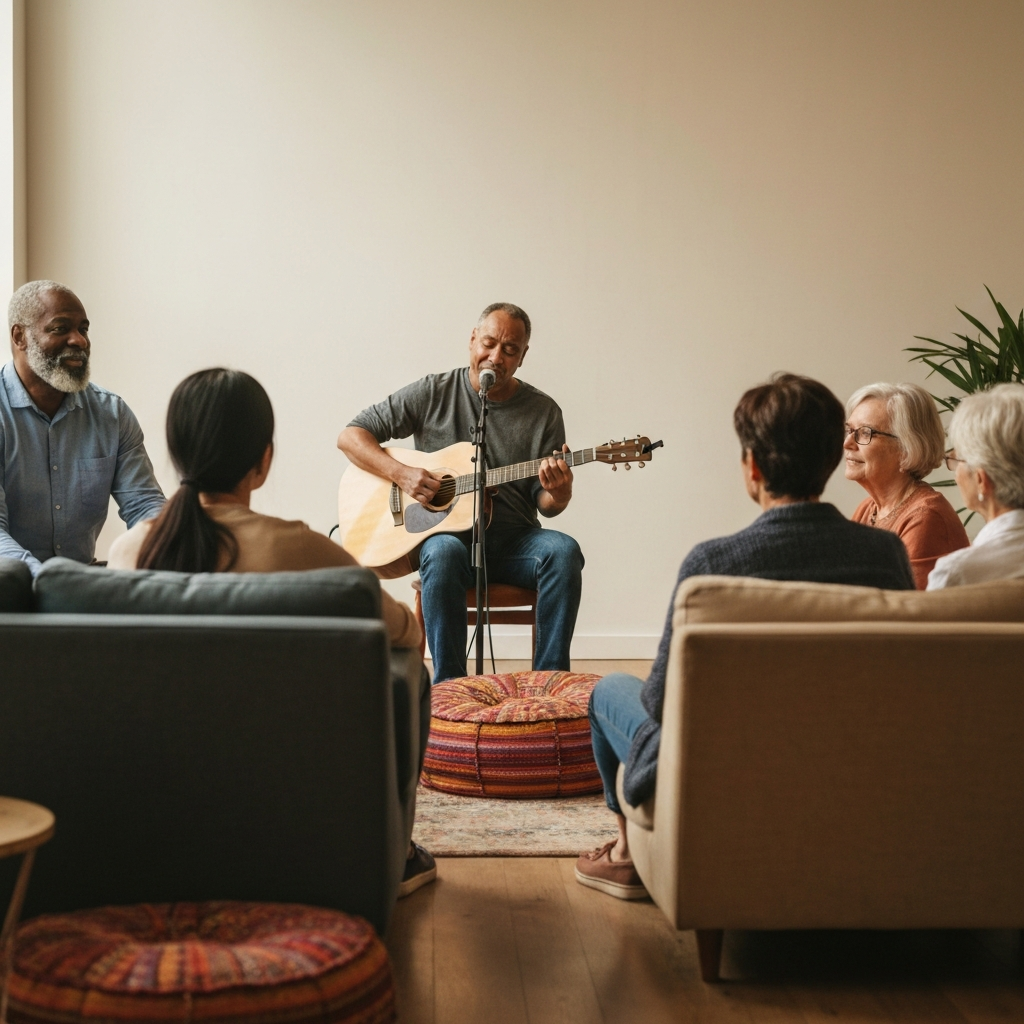
Provide comfortable seating for your guests. This could include chairs, sofas, floor cushions, or even blankets. Arrange the seating in a way that allows everyone to see the performers clearly. Consider providing a designated area for guests who prefer to stand and dance. Make sure there's enough space for people to move around without bumping into each other or obstructing the view. Also consider accessibility for guests with mobility issues.
Step 6: Promote Your Concert
Get the word out about your concert! Create an event page on social media, send out email invitations, or even put up flyers in local coffee shops. Be sure to include all the important details, such as the date, time, location, performers, and ticket price (if any). Generating buzz and building anticipation is key to attracting a good crowd. Consider offering early bird discounts or VIP packages to incentivize ticket sales.
Step 7: Guest Management and Hospitality
On the night of the concert, be prepared to greet your guests at the door and make them feel welcome. Provide refreshments, such as water, soda, and snacks. Consider setting up a small bar area where guests can purchase alcoholic beverages (if permitted by local laws and regulations). Designate someone to be responsible for managing the crowd and ensuring that everyone is behaving respectfully. Don't forget to check IDs to avoid underage drinking.

Step 8: The Performance and Beyond
Let the music begin! Encourage interaction between the performers and the audience. After the performance, thank the performers and your guests for coming. Provide an opportunity for the audience to meet the performers and purchase merchandise (if available). Collect feedback from your guests to improve future events. Don't forget to clean up afterwards!

Tools or Materials Required
- PA system with speakers and a mixing board
- Microphones and microphone stands
- Lighting equipment (string lights, candles, spotlights)
- Seating (chairs, sofas, floor cushions, blankets)
- Refreshments (water, soda, snacks, alcoholic beverages)
- Signage (for directions and information)
- First-aid kit
Safety Considerations
- Ensure that all electrical equipment is properly grounded and in good working order.
- Keep candles away from flammable materials.
- Provide adequate ventilation to prevent carbon monoxide buildup.
- Have a fire extinguisher readily available.
- Designate a sober driver or provide alternative transportation options for guests who have been drinking.
- Be mindful of noise levels and avoid disturbing your neighbors.
Common Mistakes to Avoid
- Underestimating the importance of good sound quality.
- Overcrowding the space.
- Neglecting to promote the event effectively.
- Failing to provide adequate refreshments.
- Not being prepared to handle unexpected situations.
Pro Tips
- Visit the space where you intend to host the concert, with the artist, well in advance to help get an idea of the limitations of space, acoustics and power supply. This allows for troubleshooting.
- Record the concert and share it on social media.
- Partner with local businesses to promote the event.
- Consider hosting themed concerts.
FAQ Section
Q: How much does it cost to host a living room concert?
A: The cost can vary depending on the performer's fee, equipment rentals, refreshments, and promotional expenses. It's possible to host a concert on a tight budget by using existing equipment and relying on word-of-mouth promotion.
Q: How do I handle noise complaints?
A: Be mindful of noise levels and communicate with your neighbors in advance. Consider ending the concert at a reasonable hour and providing earplugs to your guests.
Q: What if the performer cancels at the last minute?
A: Have a backup plan in place, such as a replacement performer or a different type of entertainment.
Conclusion
Staging an epic living room concert requires careful planning and attention to detail, but the rewards are well worth the effort. By securing talented performers, optimizing the sound and lighting, creating a comfortable and inviting atmosphere, and promoting the event effectively, you can create an unforgettable experience for both the musicians and the audience. So, gather your friends, tune up your instruments, and get ready to rock your living room!