The modern family home can often feel less like a sanctuary and more like a chaotic zoo. Between work, school, extracurricular activities, and the ever-present allure of screens, maintaining a sense of order and calm can seem like an impossible task. But fear not! With the right strategies and a healthy dose of patience, you can transform your home from a jungle of disorder into a haven of tranquility.
This guide provides practical, actionable steps designed to help you establish routines, manage expectations, and foster a sense of shared responsibility within your family. It's about creating a sustainable system that works for everyone, not just a temporary fix. Remember, consistency is key, and even small changes can have a significant impact over time.
Our approach focuses on proactive strategies that address the root causes of family chaos, from poorly defined schedules to unclear expectations. By implementing these steps, you'll not only create a more peaceful home environment but also teach valuable life skills to your children, setting them up for success in all areas of their lives.
Step 1: Establish a Family Meeting
Schedule Regular Meetings
The first step towards taming the family zoo is to establish a regular family meeting. This provides a dedicated forum for discussing issues, planning activities, and ensuring everyone is on the same page. Choose a time and day that works for everyone, ideally when distractions are minimal. Make it a consistent part of your routine, even if it's just for 30 minutes each week. During the meeting, give everyone a chance to speak, actively listen to their concerns, and work together to find solutions. Don't underestimate the power of collaboration; involve everyone in decision-making processes that affect them.

Step 2: Create a Visual Schedule
Visualize Your Week
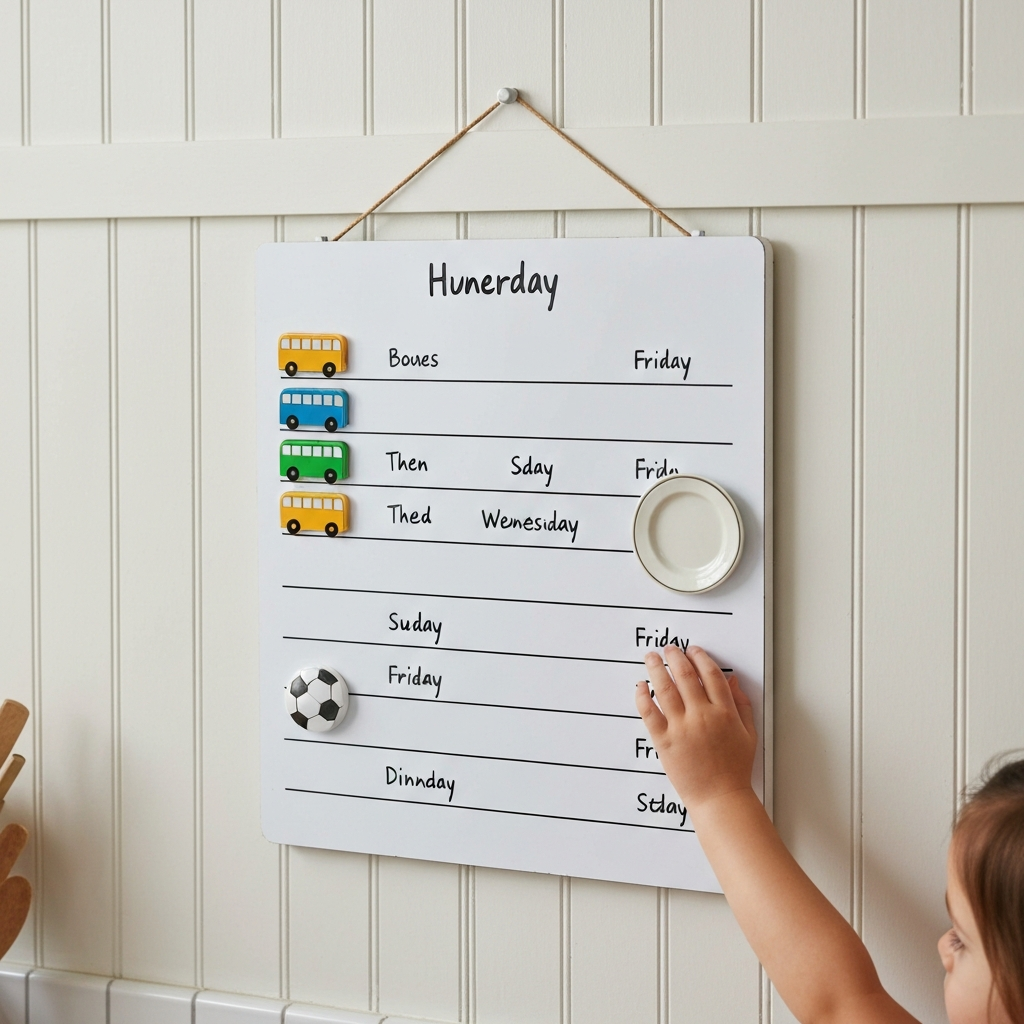
A visual schedule is an invaluable tool for managing time and expectations, especially for younger children. It clearly outlines daily and weekly activities, appointments, and responsibilities. You can create a schedule using a whiteboard, a large piece of paper, or even a digital calendar that's accessible to everyone. Use pictures or symbols for younger children who can't yet read. The visual schedule should be prominently displayed in a central location, such as the kitchen or family room, where everyone can easily refer to it. This helps reduce confusion, promotes independence, and minimizes last-minute surprises that can lead to stress and conflict.
Step 3: Delegate Responsibilities (Chores!)
Divide and Conquer
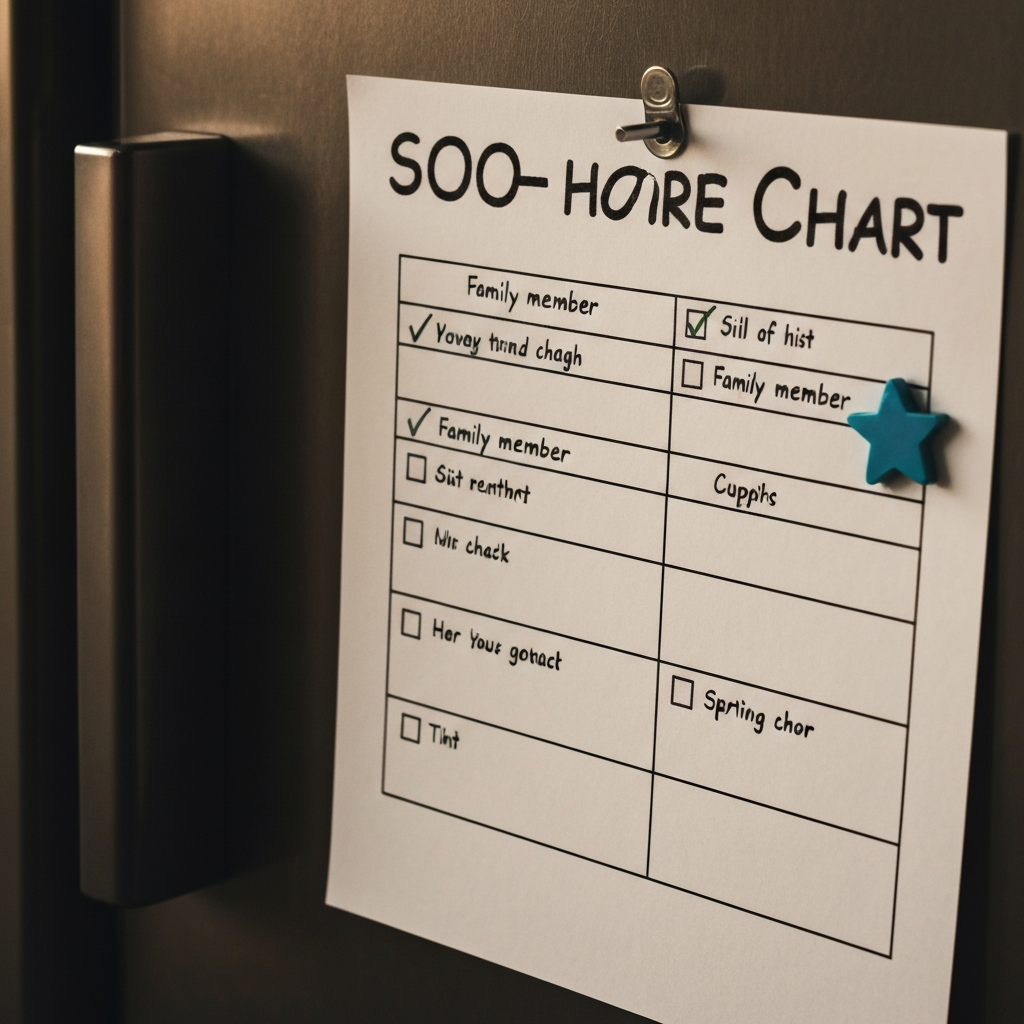
Sharing household chores is essential for creating a sense of shared responsibility and lightening the load for everyone. Assign age-appropriate tasks to each family member, ensuring that everyone contributes to maintaining the home. Clearly define each chore and provide instructions or demonstrations as needed. Create a chore chart to track completion and offer positive reinforcement for a job well done. Be realistic about what you can expect from each child, and adjust responsibilities as they grow and mature. Rotating chores can help prevent boredom and ensure that everyone learns a variety of skills.
Step 4: Establish Consistent Routines
The Power of Habit
Consistent routines provide structure and predictability, which can significantly reduce stress and improve overall family functioning. Establish routines for mealtimes, bedtime, and homework, and stick to them as much as possible. While flexibility is important, maintaining a consistent rhythm throughout the day can help everyone feel more grounded and secure. A predictable bedtime routine, for example, can promote better sleep, which in turn improves mood and behavior. Similarly, a designated homework time can minimize distractions and ensure that schoolwork is completed efficiently. Involve the family in the creation of these routines to increase compliance.
Step 5: Minimize Screen Time
Digital Detox
Excessive screen time can contribute to family chaos by disrupting sleep, reducing face-to-face interaction, and increasing conflict. Establish clear limits on screen time for all family members, including adults. Designate screen-free zones, such as the dinner table or bedrooms, and encourage alternative activities, such as reading, playing games, or spending time outdoors. Lead by example by limiting your own screen time and engaging in family activities. Consider using parental control apps to monitor and manage screen time, and be prepared to have open and honest conversations about the importance of digital well-being.

Step 6: Create Designated Zones
A Place for Everything
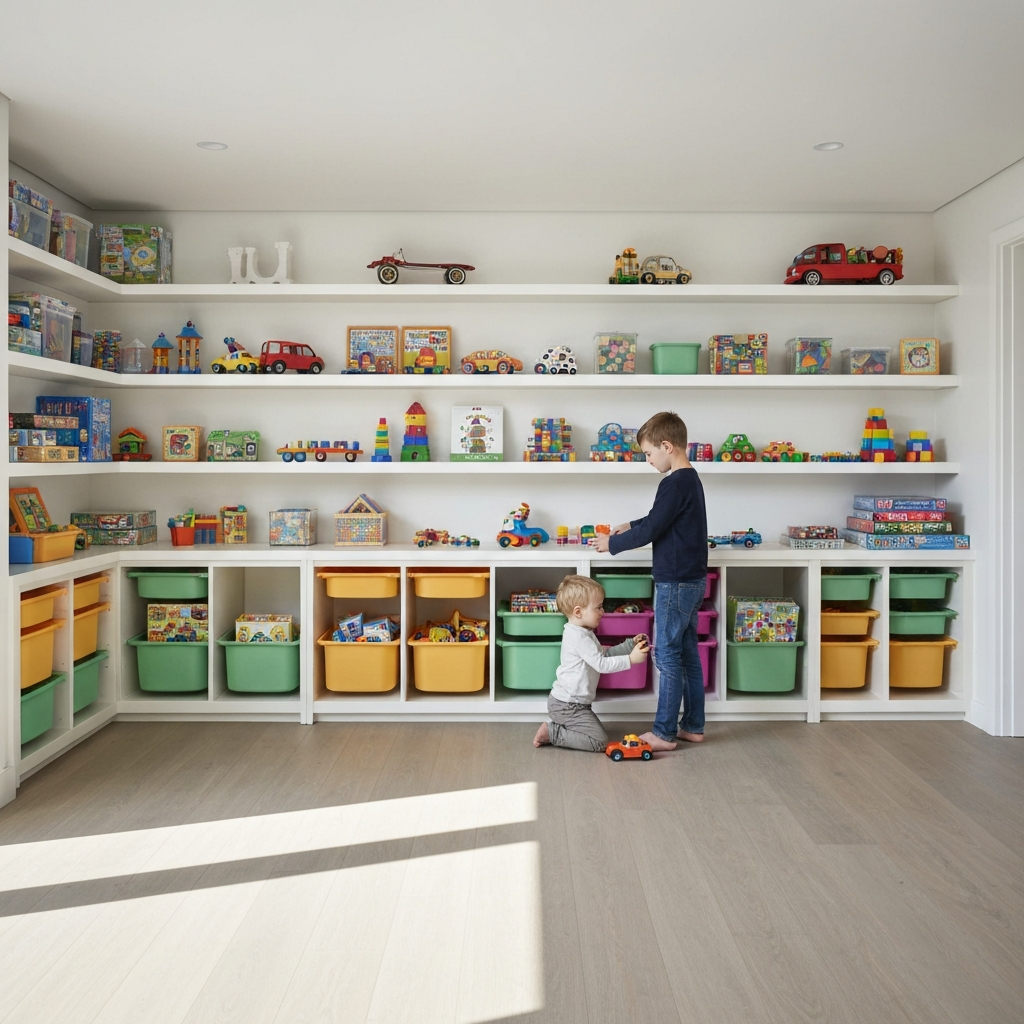
Clutter and disorganization can contribute to stress and frustration. Create designated zones for different activities and belongings, such as a homework station, a play area, and a storage area for toys and games. Teach children to put things back in their designated places after use. Regularly declutter and organize these zones to prevent them from becoming overwhelming. Utilize storage solutions, such as bins, baskets, and shelves, to maximize space and minimize clutter. A well-organized home can promote a sense of calm and order, making it easier to find things and reducing the potential for conflict.
Step 7: Practice Active Listening
Hear Them Out
Effective communication is essential for resolving conflicts and fostering positive relationships within the family. Practice active listening skills, such as making eye contact, nodding, and summarizing what you've heard to ensure understanding. Create a safe space for family members to express their feelings and opinions without judgment. Avoid interrupting or dismissing their concerns, and validate their emotions. When conflicts arise, focus on finding mutually agreeable solutions rather than assigning blame. By fostering open and honest communication, you can build trust and strengthen family bonds.

Tools or Materials Required
- Whiteboard or large paper for visual schedule
- Markers or pens
- Magnets or tape (for attaching items to the schedule)
- Chore chart template (printable or DIY)
- Storage bins and baskets
- Parental control apps (optional)
Common Mistakes to Avoid
- Being inconsistent with rules and routines.
- Failing to involve all family members in decision-making.
- Setting unrealistic expectations.
- Neglecting to address underlying issues causing conflict.
- Focusing solely on discipline without providing positive reinforcement.
FAQ Section
- How do I deal with sibling rivalry?
- Encourage cooperation and discourage competition. Focus on individual strengths and avoid comparisons. Teach children conflict resolution skills.
- What if my child refuses to do their chores?
- Be firm but fair. Explain the importance of contributing to the family. Offer positive reinforcement for completing chores, and consider implementing consequences for non-compliance.
- How can I create a more peaceful mealtime?
- Establish a consistent mealtime routine. Minimize distractions, such as screens and toys. Encourage conversation and create a positive atmosphere. Offer a variety of healthy foods.
Conclusion
Taming the family zoo is an ongoing process that requires patience, consistency, and a willingness to adapt. By implementing these strategies, you can create a more peaceful, organized, and harmonious home environment for everyone. Remember, the key is to work together as a team, communicate effectively, and celebrate your successes along the way. Don't be discouraged by setbacks; learn from them and keep striving towards your goal of creating a calm and happy family life. Ultimately, a little structure and a lot of love can transform even the wildest family zoo into a well-run and joyful home.