Mornings. The mere word can send shivers down the spine of parents everywhere. The chaotic scramble to get everyone fed, dressed, and out the door on time can feel like an impossible feat. But fear not! A well-structured morning routine can transform your household from a battleground into a calm and efficient operation. It requires commitment, planning, and a willingness to adapt, but the rewards – reduced stress, improved punctuality, and a more positive start to the day – are well worth the effort.
This guide provides a step-by-step approach to building a customized morning routine that works for your family. We'll explore practical strategies, address common challenges, and offer expert tips to help you create a smoother, more enjoyable start to your day. Forget the frantic energy and embrace a new era of morning tranquility. Prepare to reclaim your mornings!
Remember, consistency is key. It may take time for everyone to adjust to the new routine, so be patient and celebrate small victories along the way. With a little effort and the right strategies, you can conquer the morning mayhem and create a more harmonious start to your day for the whole family.
Step 1: Conduct a Morning Audit
The first step in taming the morning mayhem is to understand exactly what's causing it. Conduct a thorough audit of your current morning routine. Observe your family's behavior, noting what tasks take the longest, where bottlenecks occur, and what triggers stress or conflict. Consider the individual needs of each family member, from the early riser to the notorious snoozer. Are breakfast preparations taking too long? Is finding matching socks a recurring struggle? Are there specific tasks that consistently get delayed or forgotten? Document everything – this information will be invaluable in designing a more effective routine.

Step 2: Establish Clear and Realistic Goals
Once you have a clear understanding of your current morning challenges, it's time to set some goals. What do you want to achieve with your new morning routine? Do you want to leave the house 15 minutes earlier? Reduce arguments over clothing choices? Ensure everyone eats a healthy breakfast? Be specific and realistic in your goal-setting. Avoid aiming for perfection right away – start with a few key improvements and gradually build from there. For example, instead of aiming for a perfectly organized kitchen every morning, focus on simply emptying the dishwasher and wiping down the counters. Breaking down larger goals into smaller, more manageable steps will make the process less overwhelming and increase your chances of success.
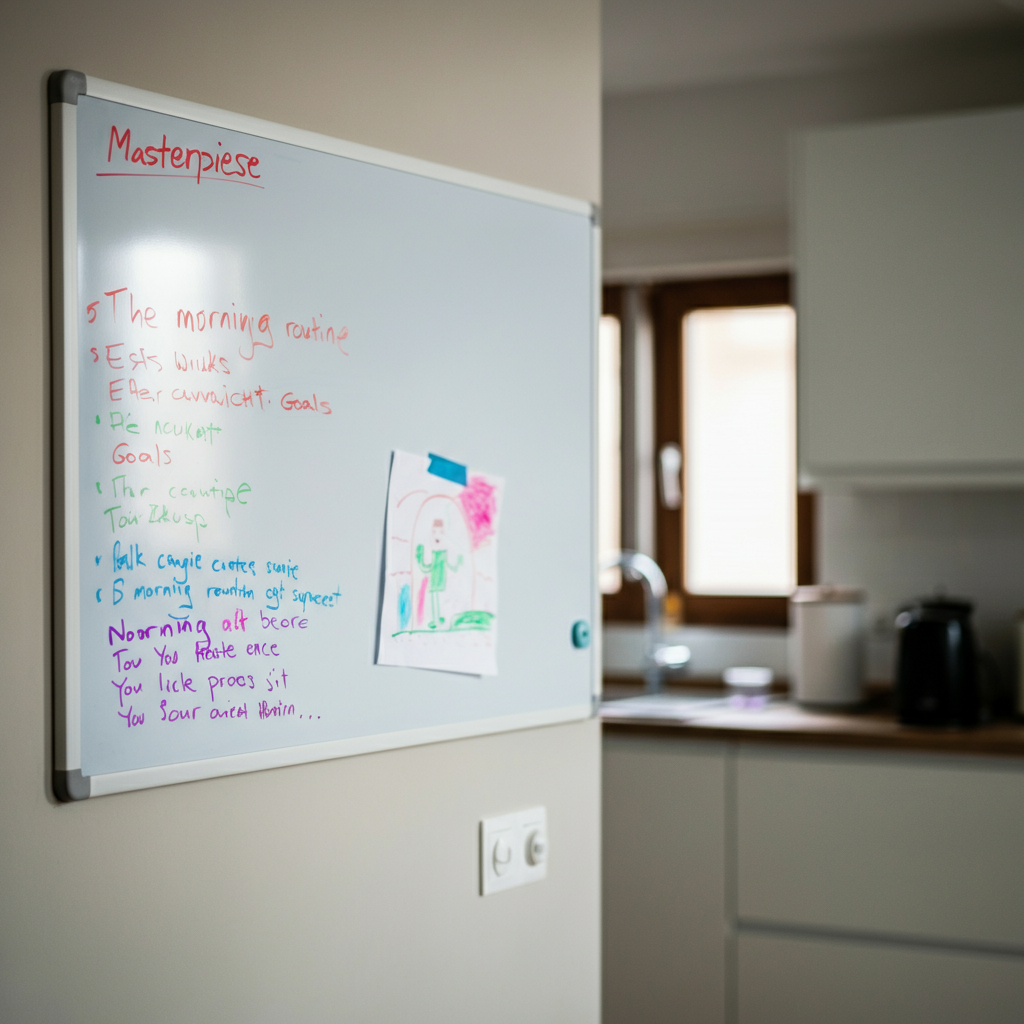
Step 3: Create a Detailed Schedule
With your goals in place, it's time to create a detailed morning schedule. Allocate specific time slots for each task, from waking up to leaving the house. Involve your family in the scheduling process to ensure buy-in and address individual needs. Consider using a visual schedule for younger children, with pictures representing each activity. Be realistic about how long each task will take, and build in some buffer time for unexpected delays. For example, if it typically takes 15 minutes to get your child dressed, allocate 20 minutes in the schedule. Post the schedule in a visible location, such as on the refrigerator or in a hallway, so that everyone can easily refer to it.

Step 4: Prepare the Night Before
One of the most effective ways to streamline your morning routine is to prepare as much as possible the night before. This can include laying out clothes, packing lunches, preparing breakfast ingredients, and gathering backpacks and school supplies. A little preparation the night before can save a significant amount of time and reduce stress in the morning. Encourage your children to participate in this process – they can lay out their own clothes, pack their backpacks, or help prepare their lunches. By getting organized the night before, you'll be able to start your day feeling calm and prepared, rather than rushed and overwhelmed.

Step 5: Implement a Consistent Wake-Up System
A consistent wake-up system is essential for a smooth morning routine. Establish a consistent wake-up time for everyone in the family, including weekends (with some flexibility, of course!). Consider using a gentle alarm clock or a wake-up light to avoid jarring everyone awake. For teenagers who struggle to wake up, explore strategies such as placing their alarm clock across the room or using a sleep cycle app. Avoid hitting the snooze button, as this can disrupt sleep patterns and make it harder to wake up feeling refreshed. Once everyone is awake, encourage them to get out of bed immediately and start their morning routine.

Step 6: Minimize Distractions and Multitasking
In the age of smartphones and constant connectivity, minimizing distractions is crucial for a productive morning routine. Encourage family members to limit screen time during the morning, including checking emails, social media, or playing games. Instead, focus on completing the tasks outlined in the schedule. Avoid multitasking, as this can lead to mistakes and delays. Encourage everyone to focus on one task at a time, giving it their full attention. For example, instead of scrolling through social media while eating breakfast, focus on enjoying the meal and engaging in conversation with family members.

Step 7: Establish Consequences and Rewards
To reinforce the new morning routine, establish clear consequences for not following the schedule and rewards for successfully completing it. Consequences could include losing screen time or having to do an extra chore. Rewards could include earning extra playtime, getting a special treat, or choosing the family movie for the evening. The key is to make the consequences and rewards meaningful and relevant to your family. Be consistent in enforcing the consequences and providing the rewards, and celebrate successes along the way. This will help motivate everyone to stick to the routine and create a more positive and efficient morning experience.

Tools or Materials Required
- Notepad and pen
- Whiteboard or large paper
- Markers
- Alarm clocks (traditional or wake-up lights)
- Timer (optional)
- Visual schedule (optional)
Common Mistakes to Avoid
- Setting unrealistic goals
- Creating an overly rigid schedule
- Not involving family members in the planning process
- Failing to prepare the night before
- Allowing distractions during the morning
- Not being consistent with consequences and rewards
- Giving up too easily
Pro Tips
- Batch cook breakfast items on the weekend to save time during the week.
- Create a designated "launch zone" for backpacks, shoes, and coats.
- Play upbeat music to energize the family.
- Make mornings fun with a little friendly competition (e.g., who can get dressed the fastest).
- Remember to be patient and flexible – routines take time to establish.
FAQ Section
- What if my child refuses to follow the routine?
- First, try to understand why they are resisting. Is the routine too rigid? Are they feeling overwhelmed? Adjust the routine as needed and involve them in the process. Use positive reinforcement and rewards to encourage compliance. If the problem persists, consider seeking professional guidance.
- How do I handle unexpected delays?
- Build buffer time into your schedule to account for unexpected delays. If a delay occurs, remain calm and adjust the schedule as needed. Don't let one setback derail the entire morning. Focus on getting back on track as quickly as possible.
- What if my partner and I have different morning routines?
- Communicate openly and honestly about your individual needs and preferences. Find a compromise that works for both of you. Divide morning tasks equitably and support each other in adhering to the routine.
Conclusion
Taming the morning mayhem is a journey, not a destination. By following the steps outlined in this guide, you can create a more structured, efficient, and enjoyable morning routine for your family. Remember to be patient, flexible, and consistent, and celebrate your successes along the way. With a little effort and commitment, you can transform your mornings from a source of stress into a source of connection and calm, setting the stage for a more positive and productive day for everyone.