Developing a unique and authentic personal style doesn't have to break the bank. Many people believe that stylishness is solely dependent on expensive designer clothing, but this is simply not true. With a little creativity, resourcefulness, and strategic planning, you can cultivate a wardrobe that reflects your personality and makes you feel confident without emptying your wallet.
This guide provides actionable steps and expert tips to help you discover and refine your style on a budget. We'll explore methods for identifying your style preferences, finding affordable clothing options, maximizing your existing wardrobe, and maintaining a polished appearance. Get ready to unlock your style potential and express yourself authentically, all while saving money.
Ultimately, personal style is about feeling good in what you wear. It's about confidence and self-expression, not just keeping up with trends. Let's dive in and discover how to create a stylish and budget-friendly wardrobe that's uniquely you.
Step 1: Discover Your Style Inspiration
The first step to building a budget-friendly wardrobe is understanding your personal style. This involves identifying the aesthetics, colors, and silhouettes that resonate with you. Start by looking at images in magazines, online fashion blogs, Pinterest, and Instagram. Create a mood board or digital collection of outfits and individual pieces that catch your eye. Pay attention to recurring themes. Do you gravitate towards classic silhouettes, bohemian patterns, minimalist designs, or edgy, avant-garde pieces? Recognizing these patterns will provide a clear direction for your style journey. Don't be afraid to experiment and try different looks. The goal is to find what makes you feel comfortable and confident.

Step 2: Audit Your Current Wardrobe
Before you start buying new clothes, take a thorough inventory of what you already own. Try everything on and be honest with yourself about what fits well, what you love, and what you actually wear. Create three piles: "love it," "maybe," and "donate/sell." The "love it" pile contains the items you wear regularly and that make you feel great. The "maybe" pile includes items that need alterations, don't fit quite right, or that you're unsure about. The "donate/sell" pile is for items that no longer fit, are damaged beyond repair, or simply don't align with your current style. For the "maybe" pile, consider taking items to a tailor for alterations or experimenting with different styling options. Items in good condition can be sold online or at consignment shops to generate funds for new purchases. A clear understanding of your existing wardrobe prevents duplicate purchases and allows you to identify gaps that need to be filled strategically.
Step 3: Set a Budget and Prioritize
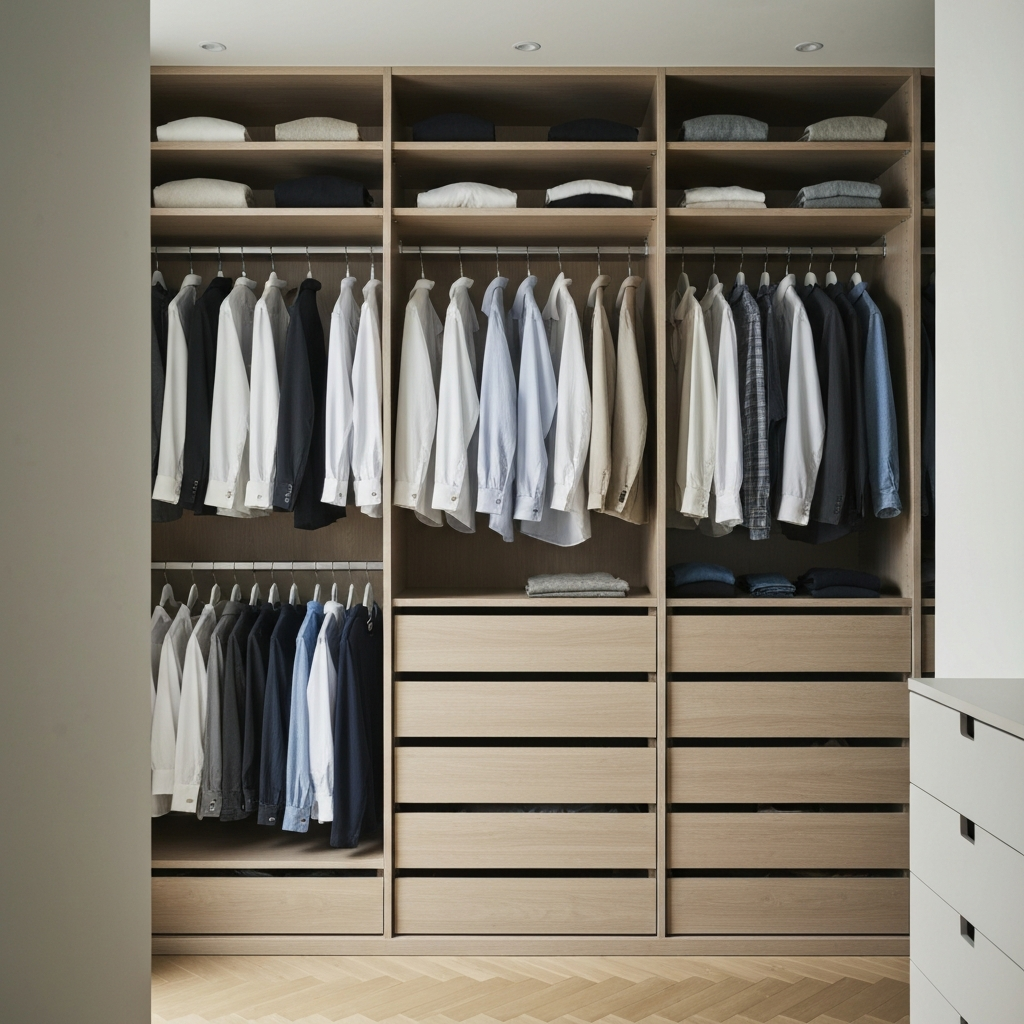
Establish a realistic budget for your clothing purchases. This will help you avoid impulsive spending and focus on acquiring high-quality pieces that will last. Determine how much you can realistically allocate to clothing each month or season. Prioritize essential items that form the foundation of your wardrobe, such as versatile basics like a well-fitting pair of jeans, a classic white shirt, and a neutral-colored blazer. Avoid impulse purchases of trendy items that may quickly go out of style. Instead, focus on timeless pieces that can be mixed and matched to create a variety of outfits. Consider creating a shopping list of essential items and sticking to it.

Step 4: Embrace Secondhand Shopping
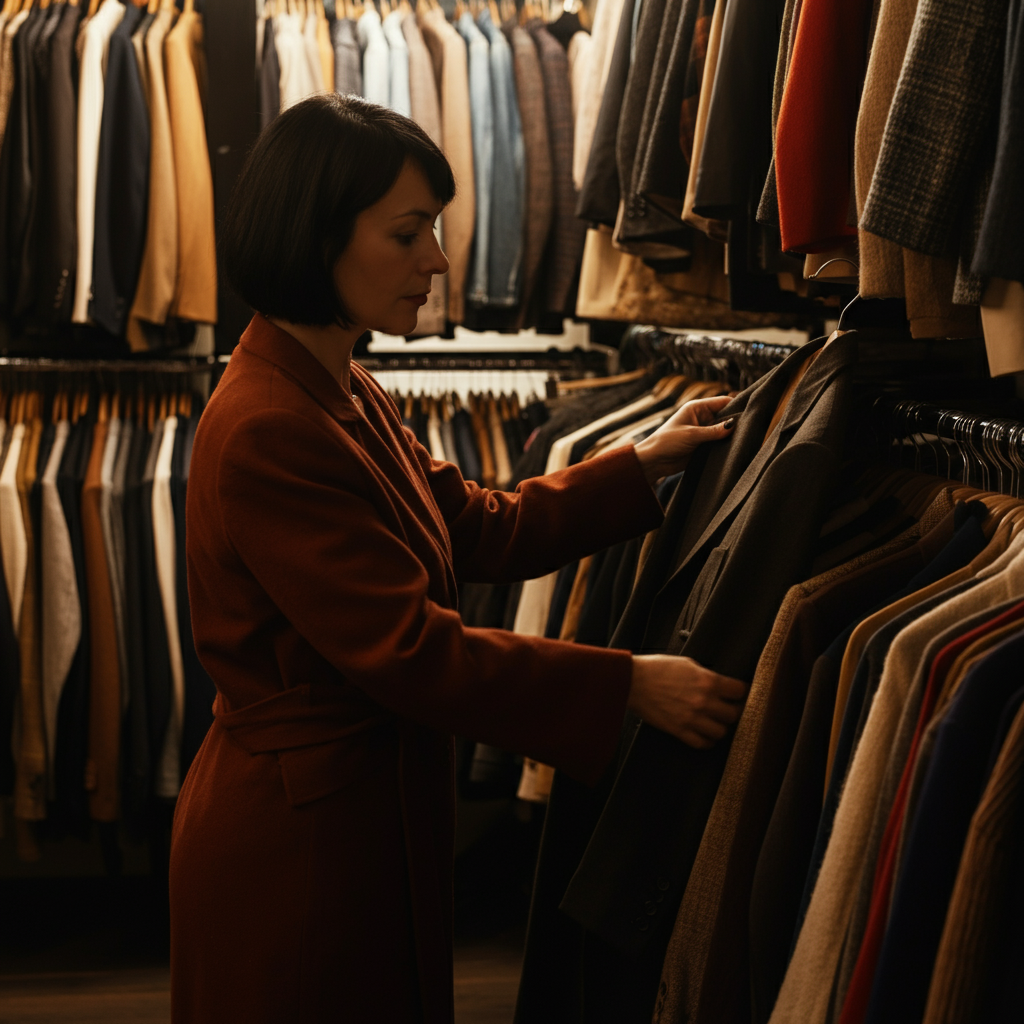
Thrift stores, consignment shops, and online marketplaces offer a treasure trove of affordable clothing options. You can find high-quality, unique pieces at significantly discounted prices. Learn to navigate these stores effectively by focusing on specific sections, checking for damages, and trying on items before purchasing. Be patient and persistent; finding the perfect item may take some time. Consider setting aside a specific day or time each week to browse thrift stores or online listings. Online marketplaces like Poshmark, Depop, and eBay offer a wide selection of gently used clothing from various brands. Set up alerts for specific brands, sizes, and styles to stay informed about new listings.
Step 5: Master the Art of Mixing and Matching
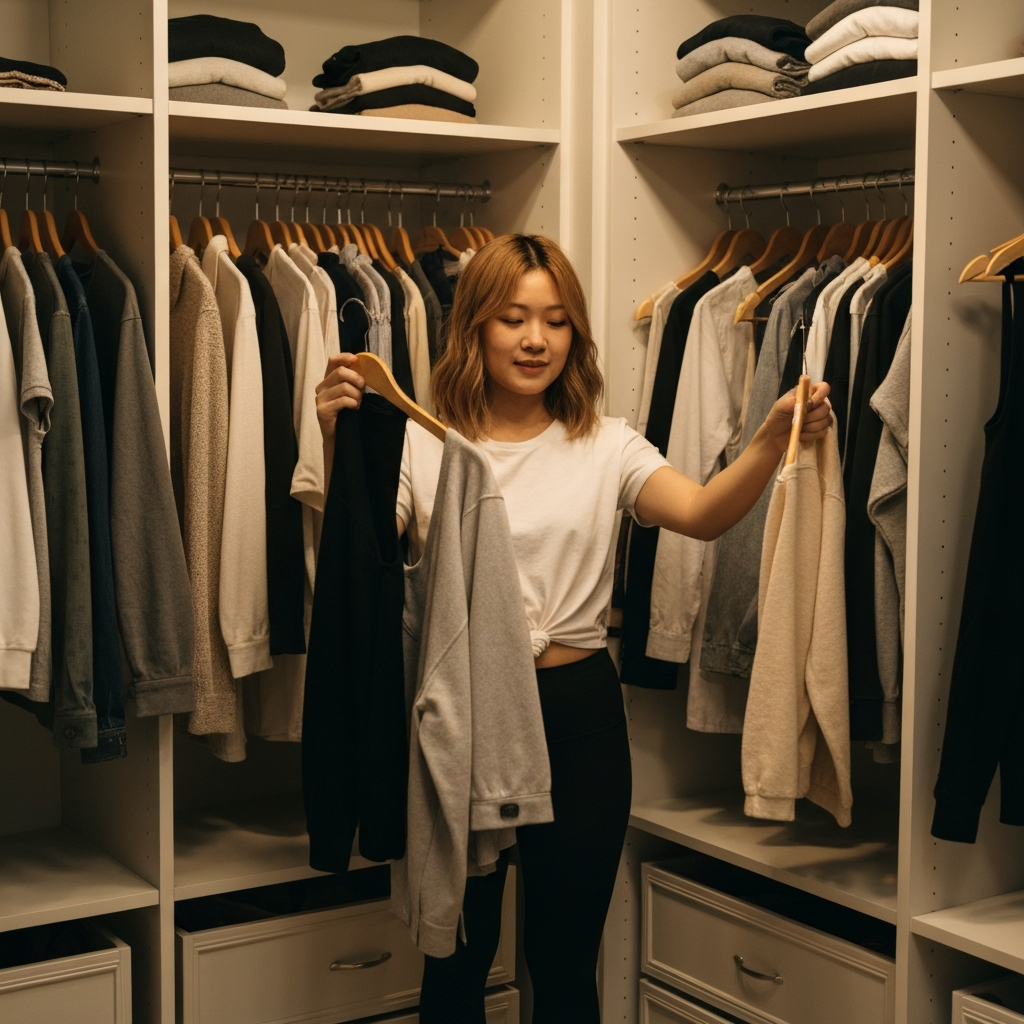
One of the most effective ways to maximize your wardrobe is to learn how to mix and match your existing pieces. Experiment with different combinations of tops, bottoms, and accessories to create new and interesting outfits. Focus on building a wardrobe of versatile separates that can be easily paired together. Scarves, belts, jewelry, and shoes can transform a simple outfit into something special. Consider creating a capsule wardrobe consisting of a limited number of essential pieces that can be combined in countless ways. Take photos of your favorite outfits to serve as inspiration for future styling.
Step 6: Take Care of Your Clothes
Proper care and maintenance can significantly extend the life of your clothing. Follow the care instructions on garment labels to avoid damage. Learn basic sewing skills to repair minor tears and reattach buttons. Store your clothes properly to prevent wrinkles, fading, and stretching. Invest in quality hangers and shoe storage to maintain the shape of your garments. Regularly clean and polish your shoes to keep them looking their best. Consider using garment bags to protect delicate items from dust and moths.

Step 7: Accessorize Wisely
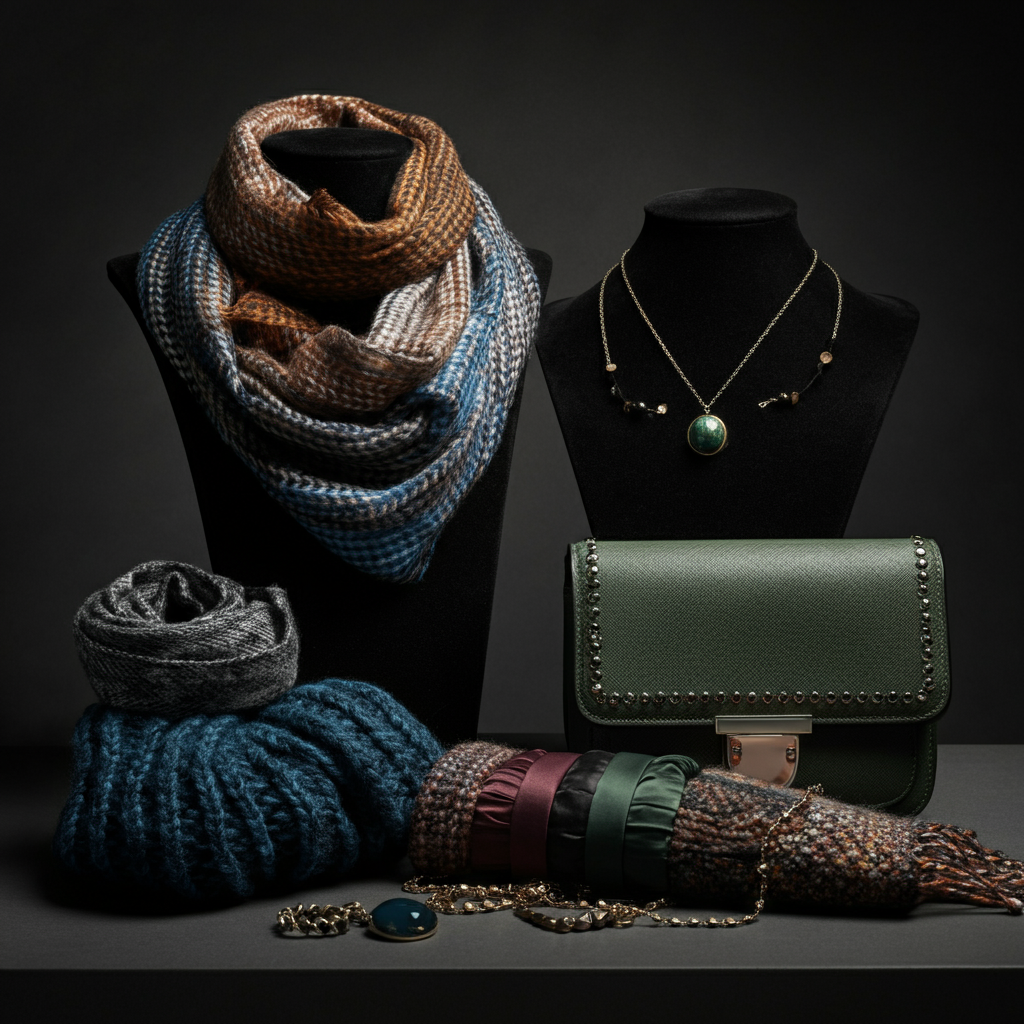
Accessories can elevate even the simplest outfits and allow you to express your personal style without spending a fortune on clothing. Invest in a few high-quality accessories that complement your wardrobe, such as a classic handbag, a versatile scarf, or a statement necklace. Consider thrifting for vintage jewelry or unique accessories. Don't be afraid to experiment with different colors, textures, and styles. A well-chosen accessory can instantly transform an outfit from ordinary to extraordinary.
Step 8: Embrace DIY and Alterations
Learning basic sewing skills or taking advantage of alteration services can transform ill-fitting or outdated clothing into stylish, well-fitting pieces. Alterations can significantly improve the fit and appearance of garments, making them look more expensive and tailored to your body. Consider taking a sewing class or watching online tutorials to learn basic alteration techniques. You can also repurpose old clothing into new items, such as turning an old shirt into a tote bag or a pair of jeans into shorts. DIY projects can be a fun and creative way to express your personal style while saving money.

Pro Tips
- Shop off-season: Buy winter clothes in the spring and summer clothes in the fall to take advantage of clearance sales.
- Utilize student or senior discounts: Many stores offer discounts to students and seniors, so be sure to inquire.
- Join loyalty programs: Earn points or rewards for every purchase and receive exclusive discounts and offers.
- Rent clothing: For special occasions, consider renting designer dresses or suits instead of buying them.
FAQ Section
Q: How can I find my personal style if I don't know where to start?
A: Start by browsing online and offline for inspiration. Pay attention to what catches your eye and what makes you feel good. Experiment with different styles and don't be afraid to try new things.
Q: Is it possible to build a stylish wardrobe with only a few essential pieces?
A: Yes, a capsule wardrobe consisting of versatile basics can be combined in countless ways to create a variety of outfits.
Q: How can I make my clothes last longer?
A: Follow the care instructions on garment labels, repair minor damages, and store your clothes properly.
Conclusion
Rocking your personal style on a budget is entirely achievable with the right approach. By discovering your style inspiration, auditing your wardrobe, setting a budget, embracing secondhand shopping, mastering mixing and matching, taking care of your clothes, accessorizing wisely, and utilizing DIY and alteration techniques, you can create a stylish and affordable wardrobe that reflects your unique personality. Remember, personal style is about self-expression and confidence, not just expensive clothing. Embrace your creativity, be resourceful, and have fun with the process.