Finding your personal style can feel like navigating a labyrinth. Trends come and go, influencers promote fleeting aesthetics, and it's easy to get lost in the noise. But beneath all that, your authentic style is waiting to be discovered. It's about more than just clothes; it's about expressing who you are, boosting your confidence, and feeling comfortable in your own skin.
This guide provides a structured, step-by-step approach to uncovering your personal style blueprint. We'll move beyond fleeting trends and focus on lasting principles that reflect your unique personality and lifestyle. By the end of this process, you'll have a clear roadmap to making intentional wardrobe choices that truly represent you.
Consider this your personal style journey. Get ready to explore, experiment, and ultimately, define your own signature look.
Step 1: Self-Reflection and Inspiration Gathering
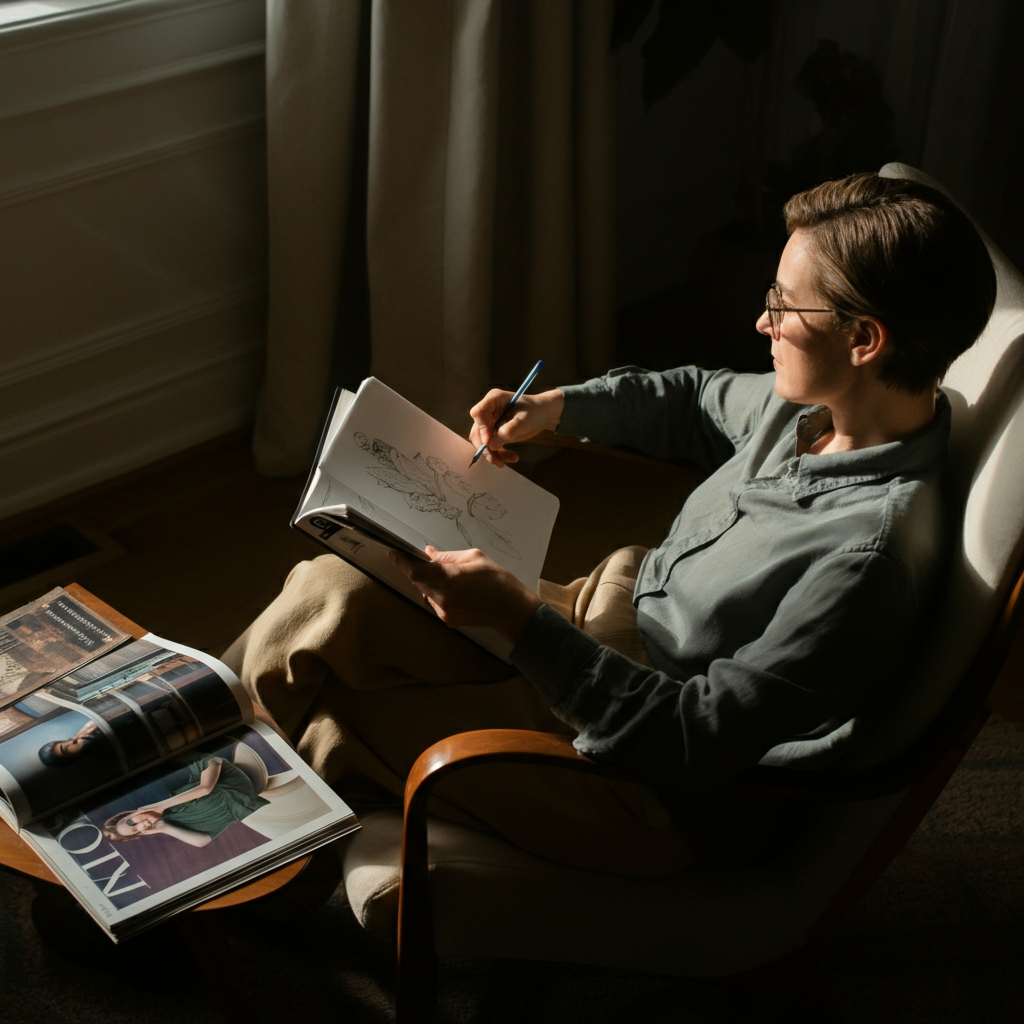
The first step is inward. Before you start browsing clothing racks or online stores, spend time understanding yourself. Ask yourself: What makes you feel confident and comfortable? What activities do you engage in regularly? What are your values and how can they be reflected in your appearance? Gather visual inspiration from sources you admire. This could be magazines, blogs, Pinterest boards, or even observing people on the street. Don't limit yourself to fashion; look to art, nature, and architecture for color palettes, textures, and silhouettes that resonate with you.
Step 2: Identify Your Core Style Keywords
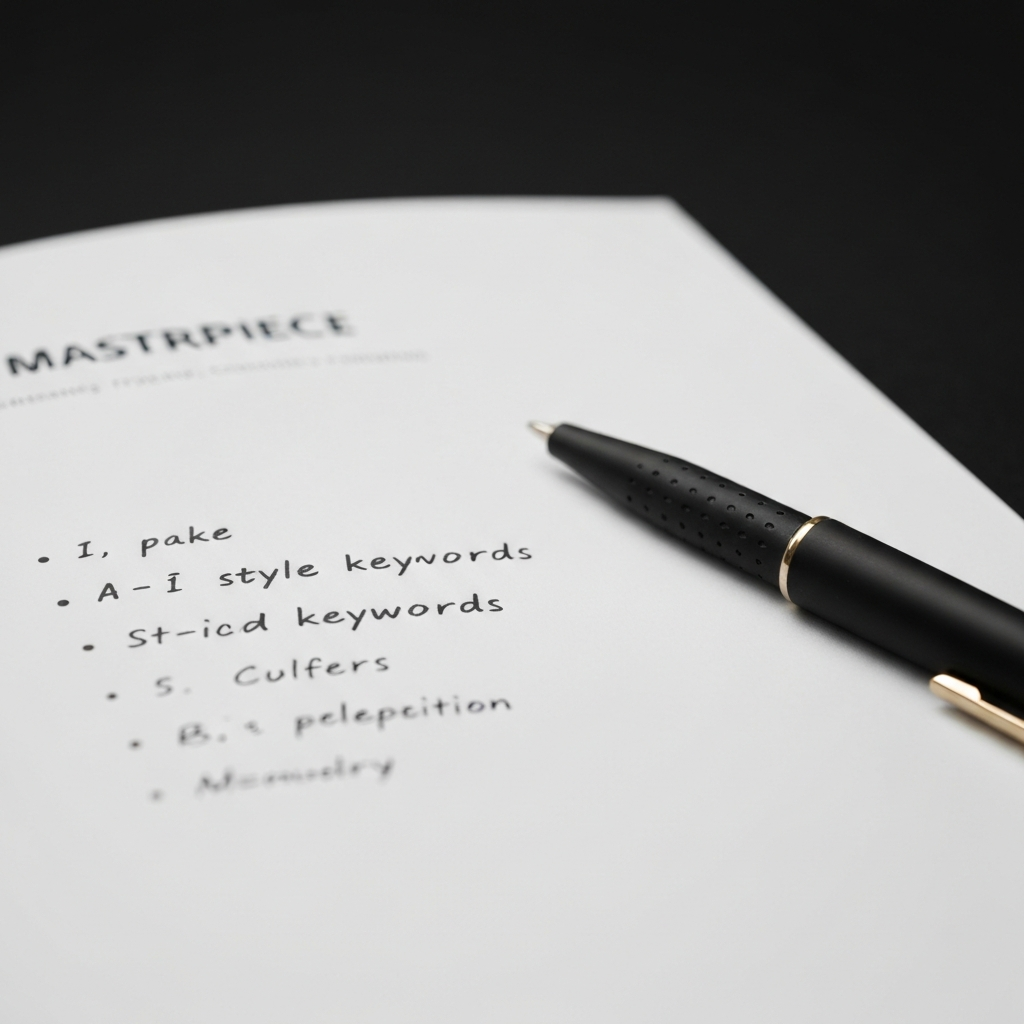
Now, distill your self-reflection and inspiration into a few descriptive keywords. Aim for 3-5 words that capture the essence of the style you aspire to. These keywords will serve as a filter for all future style decisions. For example, your keywords could be "classic," "minimalist," "bohemian," "edgy," or "romantic." Be specific and avoid vague terms like "stylish" or "trendy." These keywords should genuinely reflect how you want to present yourself, not just what you think you *should* wear. Write these keywords down where you can easily see them.
Step 3: Analyze Your Existing Wardrobe
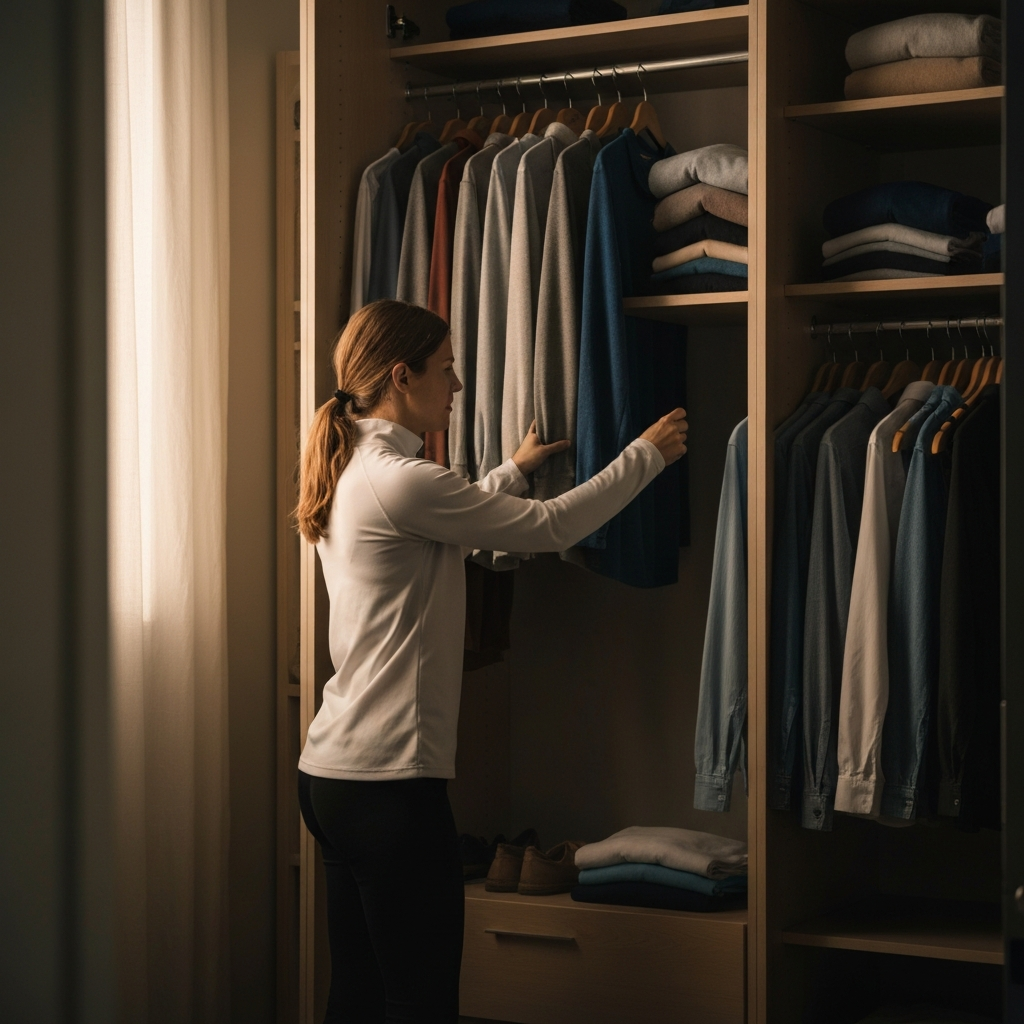
Take a critical look at your current wardrobe. What items do you gravitate towards? What pieces consistently make you feel good? What sits unworn in the back of your closet? Identify the common threads among the pieces you love. Are there certain colors, silhouettes, or fabrics that consistently appear? Be honest with yourself about what you actually wear versus what you wish you wore. Donate or sell the items that no longer serve you or align with your style keywords.
Step 4: Experiment with Silhouettes and Colors
Step outside your comfort zone and experiment with different silhouettes and color combinations. Try on clothes you wouldn't normally consider. Visit thrift stores or consignment shops where you can try new styles without a significant investment. Pay attention to how different shapes flatter your body and how colors affect your mood and complexion. Consider your body shape and choose silhouettes that accentuate your best features. Take photos of yourself in different outfits to get a visual perspective.

Step 5: Build a Capsule Wardrobe
A capsule wardrobe is a curated collection of versatile pieces that can be mixed and matched to create a variety of outfits. Start with a foundation of neutral basics like a well-fitting pair of jeans, a classic white shirt, a black blazer, and a neutral-colored sweater. Then, add a few statement pieces that reflect your personal style. Focus on quality over quantity, investing in pieces that will last for years. A well-planned capsule wardrobe simplifies dressing and ensures you always have something to wear.
Step 6: Accessorize Intentionally
Accessories are the finishing touch that can elevate any outfit and add personality. Choose accessories that complement your style keywords and enhance your overall look. This could include jewelry, scarves, belts, hats, or bags. Don't overdo it; a few well-chosen accessories are more impactful than a cluttered collection. Consider investing in a signature piece that becomes a hallmark of your personal style.
Step 7: Seek Feedback and Refine
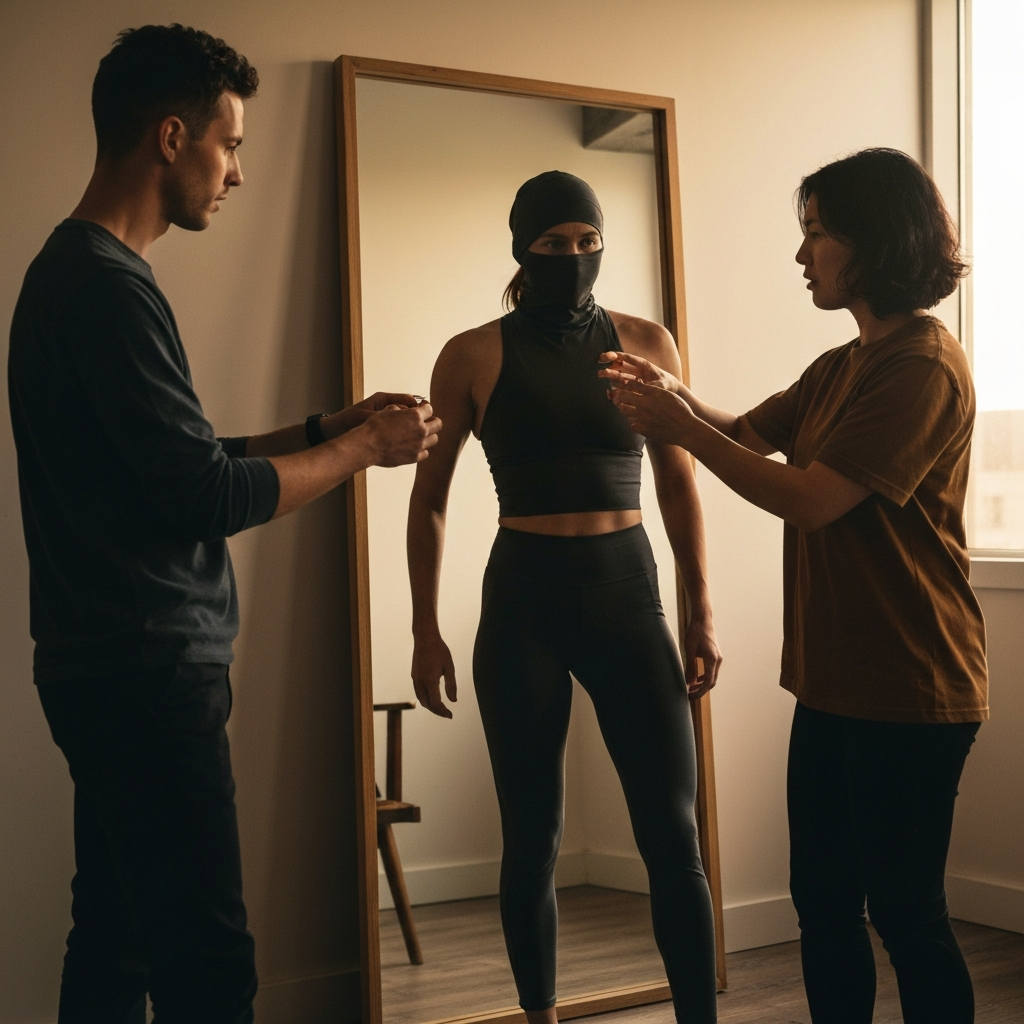
Ask trusted friends or family members for honest feedback on your style choices. Consider working with a stylist or image consultant for professional guidance. Be open to constructive criticism and willing to make adjustments to your blueprint as you evolve. Remember that personal style is a journey, not a destination. It's a continuous process of learning, experimenting, and refining your look to reflect who you are.
Common Mistakes to Avoid
- Chasing Trends Blindly: Focus on timeless pieces that suit your body type and personal style, rather than blindly following fleeting trends.
- Ignoring Fit: Ill-fitting clothes can ruin even the most stylish outfit. Invest in tailoring to ensure your clothes fit properly.
- Being Afraid to Experiment: Don't be afraid to step outside your comfort zone and try new styles.
- Not Considering Your Lifestyle: Your wardrobe should reflect your daily activities and needs.
FAQ Section
Q: How often should I update my personal style blueprint?
A: Your personal style will naturally evolve over time as you grow and change. Revisit your blueprint periodically (every 6-12 months) to ensure it still reflects who you are.
Q: What if my style keywords clash with each other?
A: Embrace the tension! Contrasting keywords can create a unique and interesting style. The key is to find a balance and integrate them in a cohesive way.
Conclusion
Nailing your personal style blueprint is about more than just looking good; it's about feeling confident, comfortable, and authentic. By following these steps, you can create a wardrobe that truly reflects your personality and empowers you to express yourself with style. Remember to be patient, experiment, and most importantly, have fun with the process!