Finding your personal style can feel like searching for the Holy Grail in a thrift store – overwhelming, confusing, and maybe a little bit dusty. But fear not! Defining your style is an empowering journey of self-discovery, allowing you to express your unique personality through clothing, accessories, and overall aesthetic. It's about feeling confident and comfortable in your own skin, and letting your outward appearance reflect your inner self.
This guide will break down the process into manageable steps, providing you with the tools and knowledge to curate a wardrobe that truly resonates with you. We'll explore inspiration sources, closet audits, color palettes, and practical tips to help you navigate the sometimes-tricky world of fashion. Get ready to embark on a transformative adventure that will leave you feeling stylish, authentic, and ready to conquer the world!
Remember, personal style is an evolution, not a destination. Be patient with yourself, embrace experimentation, and most importantly, have fun!
Step 1: Discover Your Inspiration
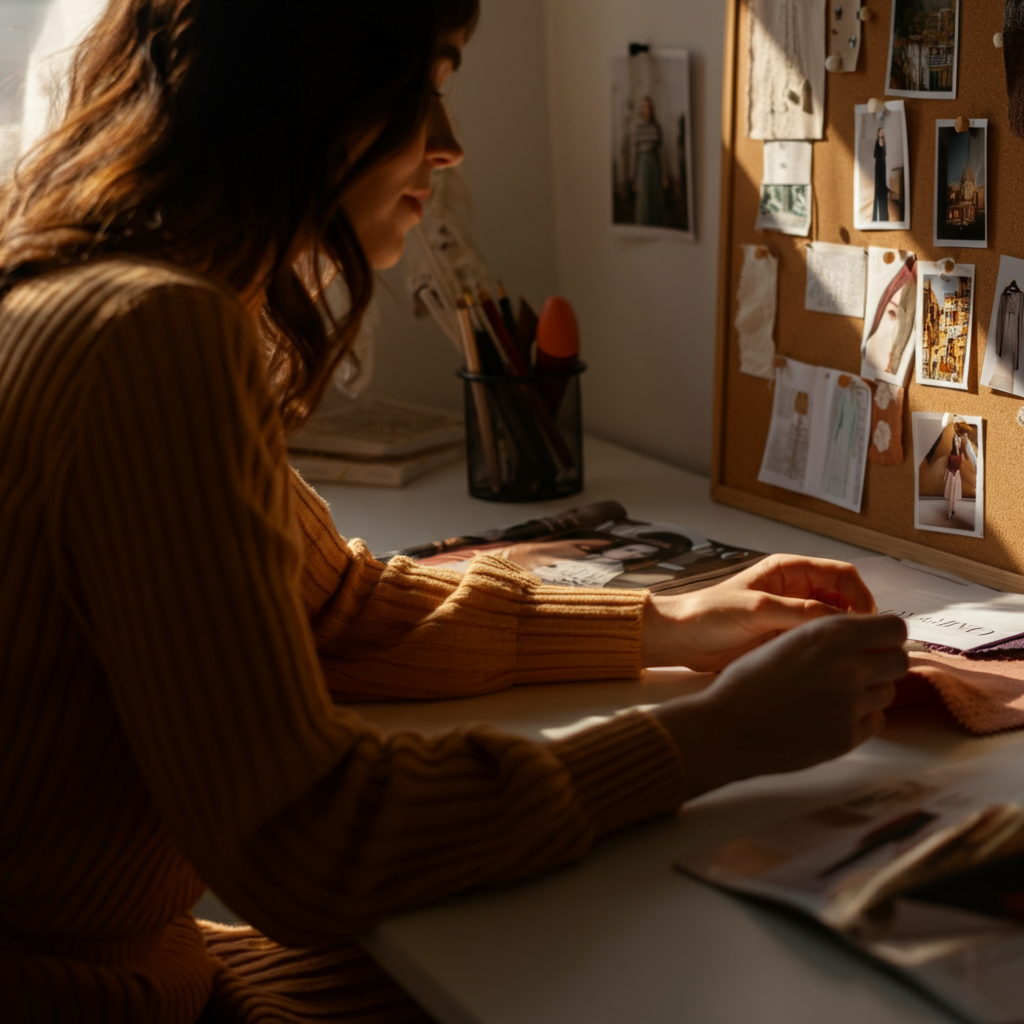
Inspiration is the seed from which your personal style will grow. Start by exploring various sources like magazines, Pinterest, Instagram, fashion blogs, street style photography, and even movies or TV shows. Pay attention to what catches your eye and sparks your interest. Don't limit yourself to just clothing – consider art, music, travel, and nature as potential sources of inspiration. Create a mood board (physical or digital) to visually represent the styles and aesthetics you're drawn to.
Step 2: Analyze Your Current Wardrobe
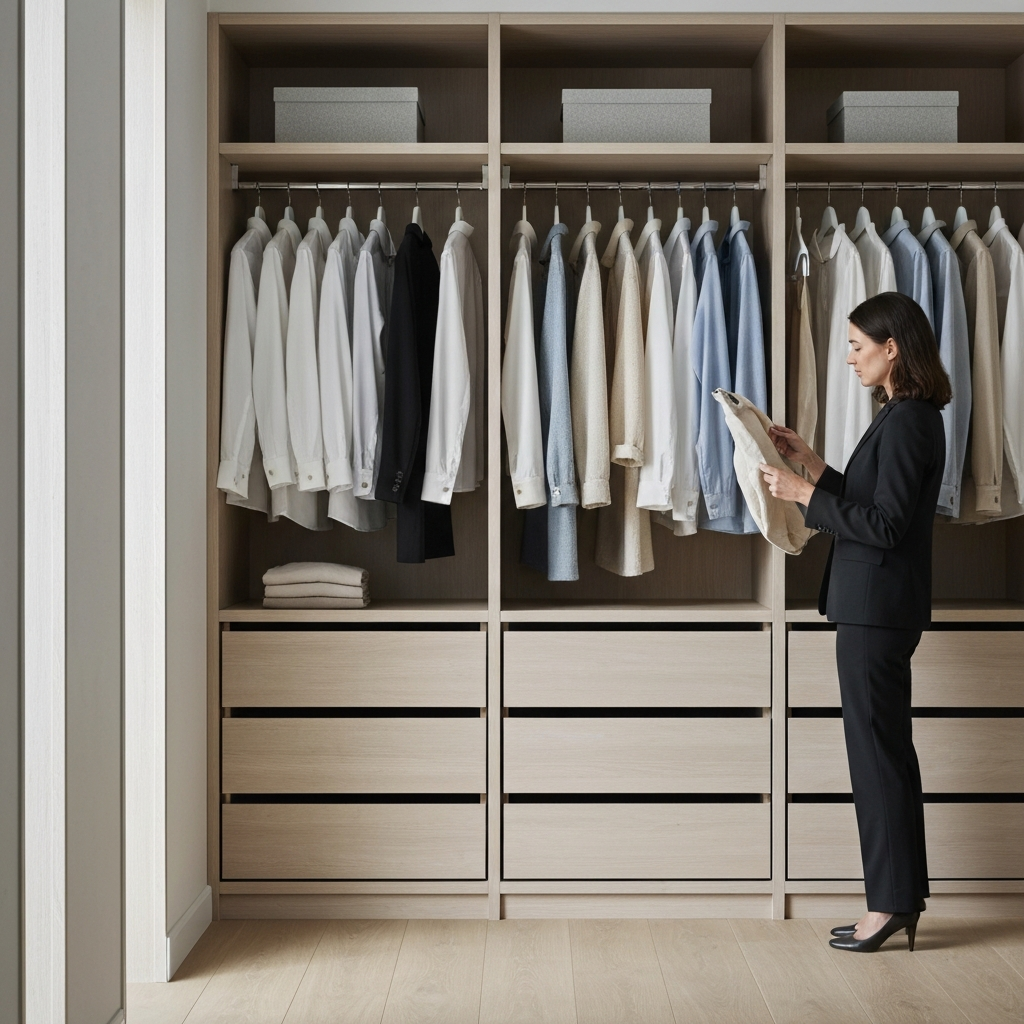
Take a good, hard look at your existing wardrobe. This is crucial for identifying what you already love, what you wear frequently, and what just sits there collecting dust. Be honest with yourself about what truly makes you feel good. Try on each item and ask yourself questions like: Does it fit well? Is it comfortable? Does it flatter my body shape? Does it align with the inspiration I gathered? Create three piles: Love, Maybe, and Donate/Sell. The "Love" pile contains items you absolutely adore and wear regularly. The "Maybe" pile includes items that could be altered or styled differently to fit your evolving style. The "Donate/Sell" pile is for items that no longer serve you.
Step 3: Define Your Core Style Keywords
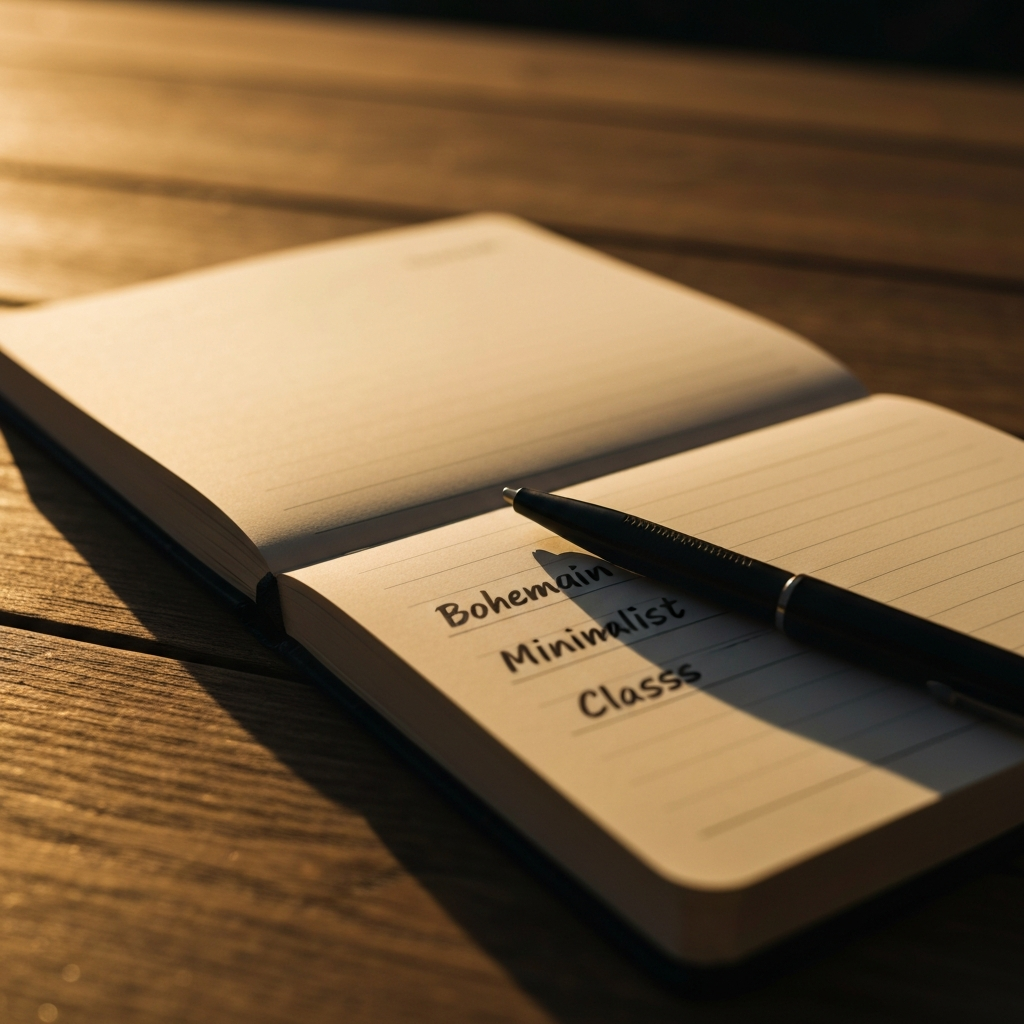
Based on your inspiration and wardrobe analysis, identify 3-5 keywords that describe your desired style. These keywords will serve as your guiding principles when making future purchasing decisions. Think beyond generic terms like "stylish" or "trendy." Instead, opt for more specific and evocative words like "Bohemian," "Minimalist," "Classic," "Edgy," "Romantic," "Preppy," or "Athleisure." These keywords should reflect the overall feeling you want to convey with your style.
Step 4: Understand Your Body Shape and Coloring
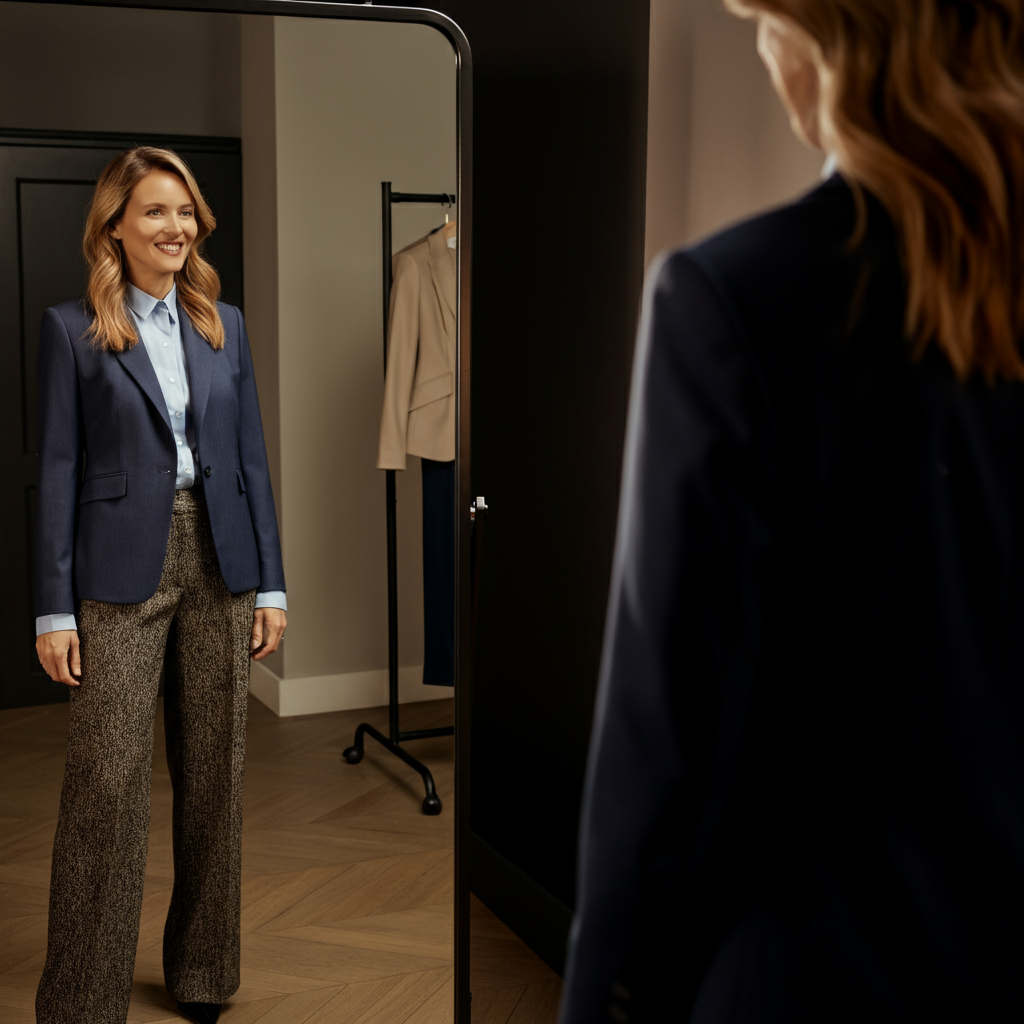
Knowing your body shape and coloring can significantly impact how clothes look and feel on you. Experiment with different silhouettes and styles to determine what flatters your figure the most. Don't get caught up in restrictive "rules" – focus on finding clothes that make you feel confident and comfortable. Consider your skin tone, hair color, and eye color when choosing colors. Some colors will naturally complement your features and make you look radiant.
Step 5: Develop a Color Palette
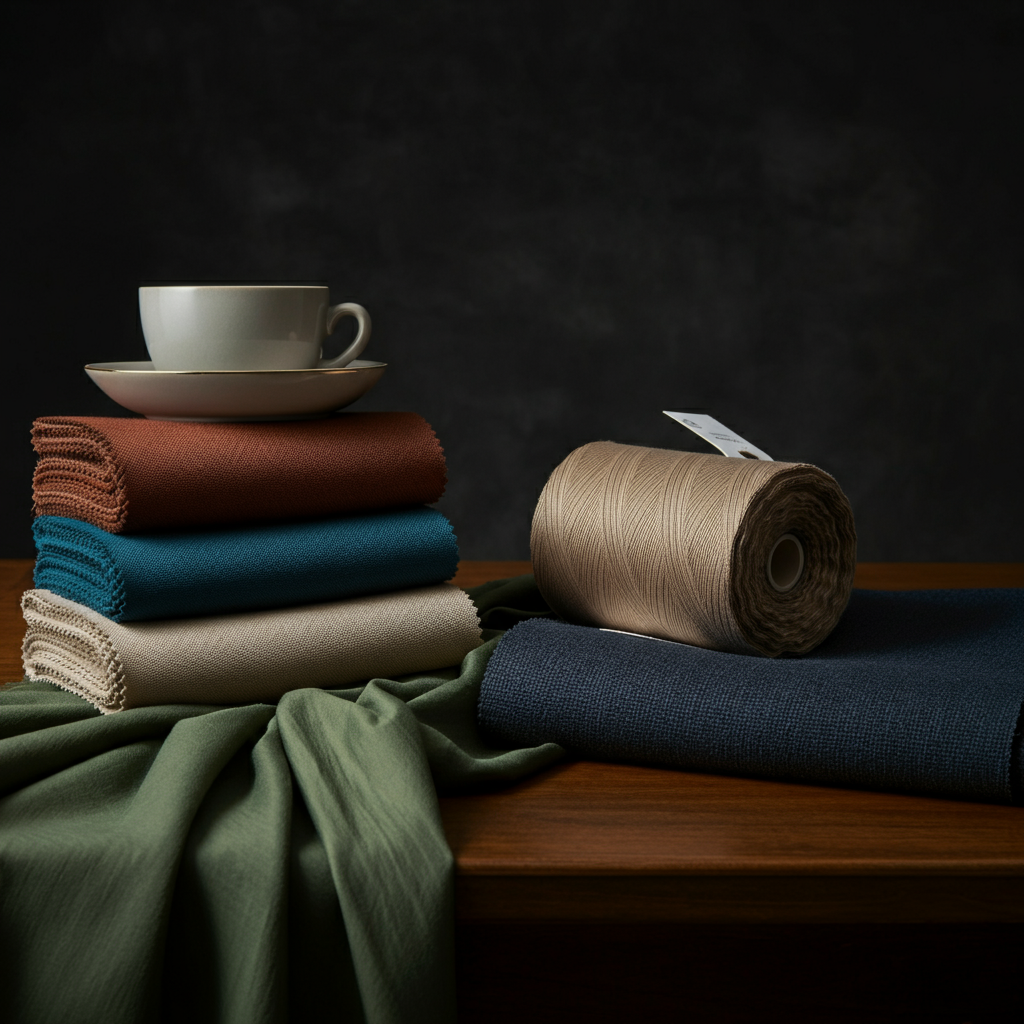
A well-defined color palette is the foundation of a cohesive wardrobe. Choose a range of colors that you love and that complement your skin tone. Consider a mix of neutrals (black, white, gray, navy, beige) and accent colors that add personality and visual interest. Think about the overall mood you want to create with your style – warm and inviting, cool and sophisticated, or bold and playful. Having a consistent color palette makes it easier to mix and match items in your wardrobe and create effortlessly stylish outfits.
Step 6: Curate a Capsule Wardrobe
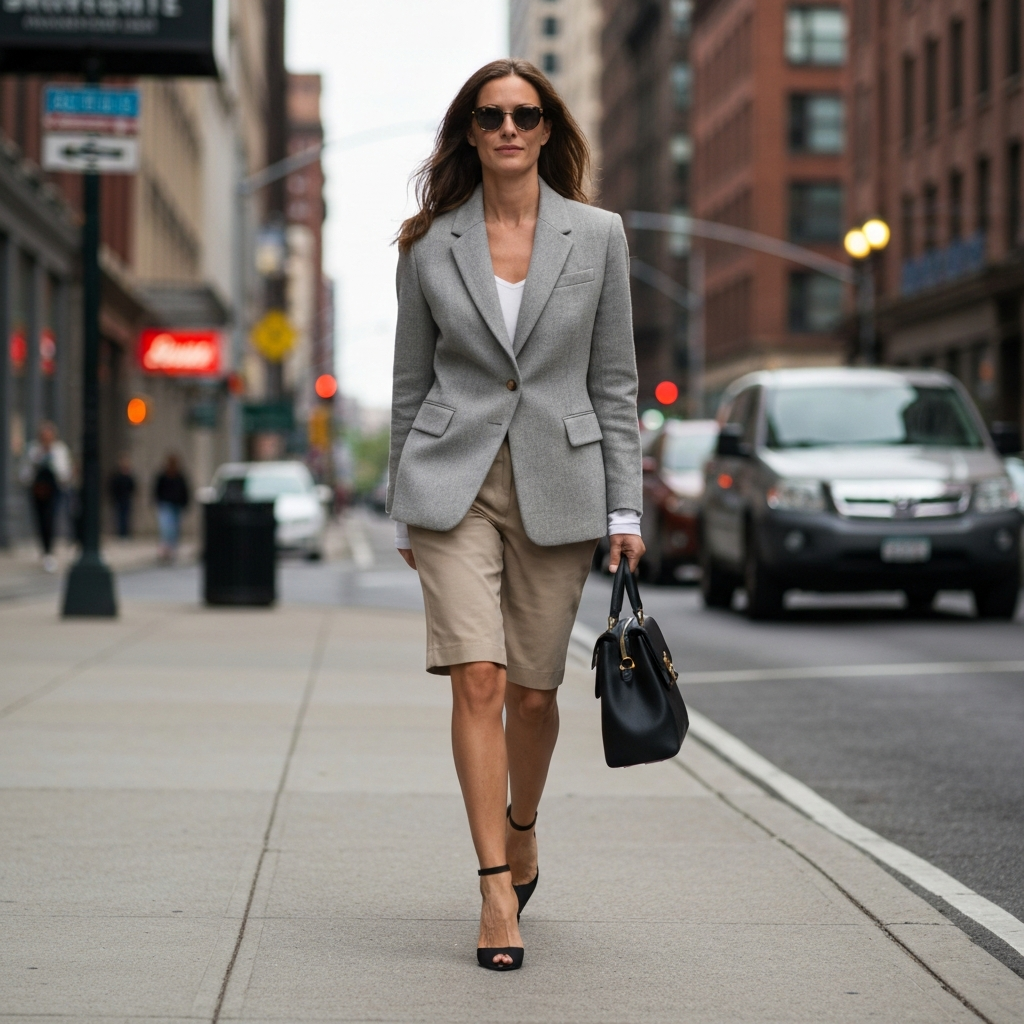
A capsule wardrobe is a curated collection of essential pieces that can be mixed and matched to create a variety of outfits. Start with versatile basics like a well-fitting pair of jeans, a classic white shirt, a black blazer, and a neutral-colored sweater. Then, add a few statement pieces that reflect your personal style. Focus on quality over quantity – invest in well-made items that will last for years. A capsule wardrobe simplifies your dressing routine and ensures that you always have something to wear.
Step 7: Accessorize Strategically
Accessories are the finishing touch that can elevate any outfit. Choose accessories that complement your personal style and add personality to your look. Consider jewelry, scarves, belts, handbags, shoes, and hats. Don't overdo it – a few well-chosen accessories are more effective than piling on everything you own. Experiment with different combinations to find what works best for you.
Step 8: Experiment and Evolve
Personal style is not static – it's a constantly evolving journey. Don't be afraid to experiment with new styles, trends, and colors. Step outside of your comfort zone and try something different from time to time. Pay attention to what works and what doesn't, and adjust your style accordingly. The most important thing is to have fun and express your unique personality through your clothing.
Common Mistakes to Avoid
- Buying clothes that don't fit properly. Always prioritize fit over trend.
- Following trends blindly without considering your own style.
- Holding onto clothes that you no longer wear or love.
- Being afraid to experiment with new styles and colors.
- Comparing yourself to others – focus on developing your own unique style.
FAQ Section
Q: How often should I update my wardrobe?
A: There's no set schedule. Update your wardrobe as needed based on your lifestyle, changing trends, and evolving personal style. A good practice is to review your wardrobe seasonally.
Q: What if I'm on a tight budget?
A: Building a stylish wardrobe doesn't have to break the bank. Shop at thrift stores, consignment shops, and sales. Focus on buying versatile pieces that can be mixed and matched.
Q: How can I find my style when I feel lost?
A: Start with inspiration! Browse magazines, social media, and street style blogs. Experiment with different styles and see what resonates with you. Don't be afraid to try new things.
Conclusion
Developing your personal style is a rewarding journey of self-discovery and expression. By following these steps, you can curate a wardrobe that reflects your unique personality, makes you feel confident, and simplifies your daily dressing routine. Remember to be patient, experiment, and most importantly, have fun! Your style is a reflection of you, so embrace it and let it shine.