Traveling can be one of life's greatest joys, but it can also be stressful and expensive if not approached strategically. Many travelers fall into the trap of over-planning, packing too much, and missing out on authentic experiences due to rigid schedules. This guide aims to equip you with the knowledge and techniques to travel smarter, not harder. We’ll focus on maximizing your enjoyment while minimizing stress and costs.
Imagine navigating a new city with ease, discovering hidden gems overlooked by typical tourists, and returning home feeling refreshed rather than exhausted. It’s all achievable with a shift in mindset and the adoption of a few key travel hacks. Forget the rigid itineraries and embrace spontaneity, flexibility, and a deeper connection with the places you visit.
This isn't about cutting corners; it's about making informed decisions, leveraging available resources, and prioritizing experiences that truly resonate with you. We'll cover everything from pre-trip planning to on-the-ground navigation, ensuring you're well-prepared to make the most of your adventures.
Step 1: Pre-Trip Planning: Laying the Foundation
Effective pre-trip planning is crucial for a smooth and enjoyable travel experience. This involves more than just booking flights and accommodations; it’s about understanding your destination, anticipating potential challenges, and preparing accordingly. Start by researching the local culture, customs, and etiquette. This will help you avoid unintentional offenses and demonstrate respect for the local community. Investigate visa requirements, vaccination recommendations, and any travel advisories issued by your government. Understanding the local climate and weather patterns is also essential for packing appropriately and planning activities.

Step 2: Mastering the Art of Packing Light
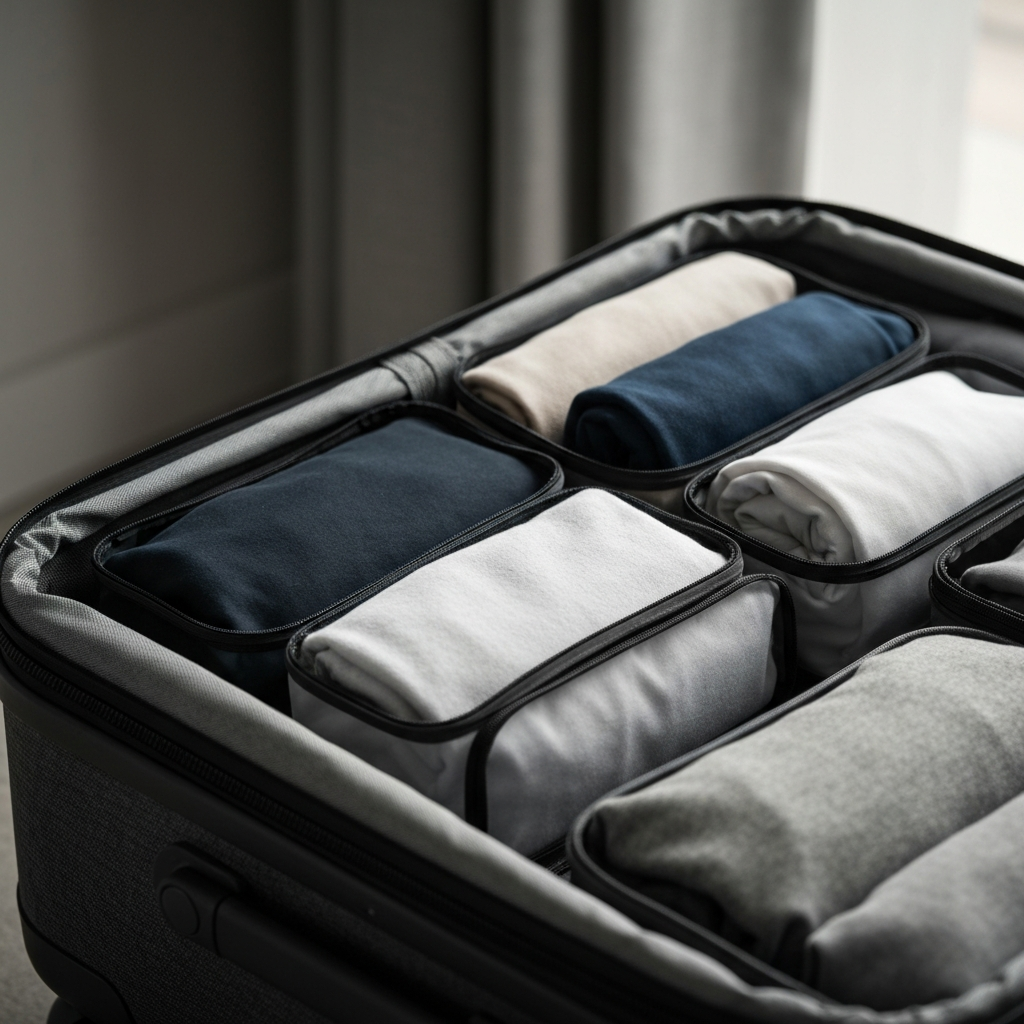
One of the biggest travel burdens is overpacking. Learn to curate a minimalist wardrobe that can be mixed and matched to create multiple outfits. Choose versatile clothing items in neutral colors that can be easily layered. Roll your clothes instead of folding them to save space and minimize wrinkles. Consider using packing cubes to compress your items and keep your suitcase organized. Don't forget a lightweight, multi-functional bag for day trips. Invest in travel-sized toiletries and consider using solid alternatives like shampoo bars and toothpaste tablets to save space and reduce liquid restrictions.
Step 3: Booking Flights and Accommodation Strategically
Securing affordable flights and accommodations requires patience and strategic timing. Use flight comparison websites to compare prices from different airlines and booking agencies. Be flexible with your travel dates and consider flying on weekdays, as these are often cheaper than weekend flights. Set price alerts to track fare fluctuations and book when prices drop. For accommodation, explore options beyond traditional hotels, such as Airbnb, hostels, or guesthouses. Read reviews carefully before booking to ensure the accommodation meets your needs and expectations. Consider booking accommodations with kitchen facilities to save money on meals.

Step 4: Navigating Like a Local
Embrace public transportation to immerse yourself in the local culture and save money on taxis or ride-sharing services. Research the public transportation system in advance and download relevant apps for route planning and ticketing. Consider purchasing a travel pass for unlimited rides within a specific period. When walking, use offline maps to navigate without relying on internet connectivity. Learn a few basic phrases in the local language to communicate with locals and enhance your experience. Don't be afraid to ask for directions – most people are happy to help.

Step 5: Eating Well Without Breaking the Bank
Food is an integral part of any travel experience, but it doesn't have to be expensive. Avoid tourist traps and seek out local markets, street food vendors, and family-run restaurants. Ask locals for recommendations on their favorite affordable eateries. Consider cooking some of your own meals if your accommodation has kitchen facilities. Pack snacks to avoid impulse purchases when you're hungry. Take advantage of happy hour deals and lunch specials at restaurants.

Step 6: Staying Connected Without Roaming Charges
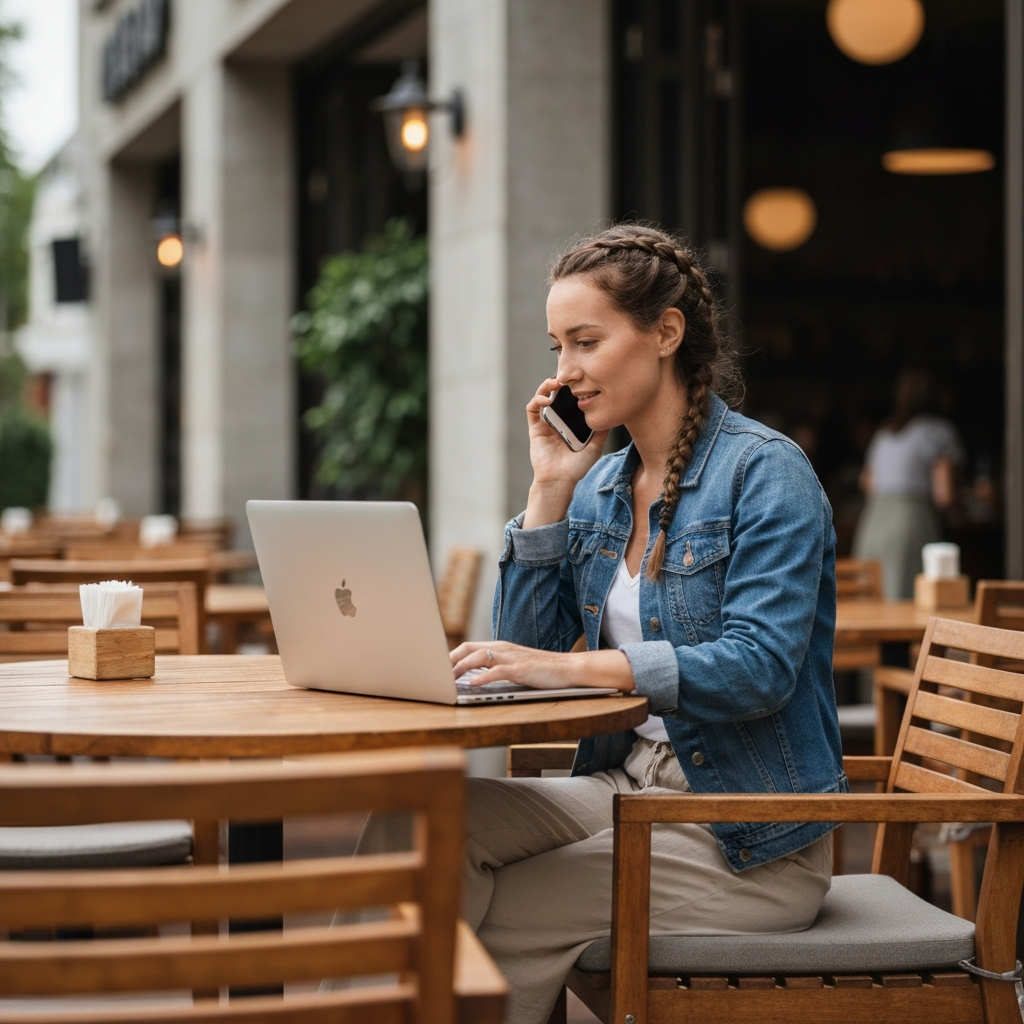
Staying connected while traveling is essential for communication, navigation, and accessing information. Before you travel, check if your mobile carrier offers international roaming plans or travel SIM cards. Consider purchasing a local SIM card upon arrival to get access to affordable data and calls. Utilize free Wi-Fi hotspots at cafes, libraries, and public spaces. Download offline maps, translation apps, and other essential resources before you travel to minimize your reliance on internet connectivity.
Step 7: Managing Your Money Wisely
Budgeting is crucial for a sustainable travel experience. Create a budget before your trip and track your expenses throughout. Use a travel-friendly credit card with no foreign transaction fees. Notify your bank and credit card companies of your travel dates to avoid any disruptions to your service. Consider using a budgeting app to monitor your spending and identify areas where you can save money. Carry a mix of cash and cards and be aware of the local currency exchange rates.

Common Mistakes to Avoid
- Over-scheduling your itinerary: Allow for flexibility and spontaneity.
- Not researching local customs: Show respect for the local culture.
- Exchanging currency at the airport: Find better rates elsewhere.
- Relying solely on tourist information: Seek out local recommendations.
- Forgetting travel insurance: Protect yourself against unforeseen events.
Safety Considerations
- Be aware of your surroundings and avoid walking alone in poorly lit areas at night.
- Keep your valuables secure and avoid displaying expensive jewelry or electronics.
- Make copies of your passport and other important documents and store them separately from the originals.
- Inform someone of your travel plans and check in regularly.
- Learn about local emergency contact information and be prepared for unforeseen situations.
Pro Tips
- Utilize travel rewards programs to earn points and miles for future trips.
- Travel during the shoulder season for lower prices and fewer crowds.
- Pack a universal adapter to charge your electronic devices.
- Learn a few basic phrases in the local language.
- Embrace unexpected detours and be open to new experiences.
FAQ Section
- How far in advance should I book flights?
- Generally, booking 2-3 months in advance for domestic flights and 5-6 months in advance for international flights can yield the best prices.
- What's the best way to find affordable accommodation?
- Explore options beyond traditional hotels, such as Airbnb, hostels, and guesthouses. Read reviews carefully and consider booking accommodations with kitchen facilities.
- How can I stay connected without incurring roaming charges?
- Check if your mobile carrier offers international roaming plans or travel SIM cards. Consider purchasing a local SIM card upon arrival or utilizing free Wi-Fi hotspots.
By implementing these travel hacks, you can transform your next trip from a stressful undertaking into a memorable and enjoyable adventure. Remember to prioritize experiences over material possessions, embrace flexibility, and connect with the local culture. Travel smarter, not harder, and create memories that will last a lifetime.