Personal style isn't about blindly following trends; it's about curating a visual representation of your inner self. It’s the silent language that speaks volumes before you even utter a word. For many, however, developing a strong personal style can feel like climbing an insurmountable mountain. But fear not! This guide provides a structured approach to hacking your personal style, unlocking a new level of confidence and self-expression.
We'll delve into understanding your existing wardrobe, identifying your style inspirations, and experimenting with new looks. The key is to approach this process with curiosity and a willingness to step outside your comfort zone. Remember, personal style is a journey, not a destination. Be patient with yourself, and enjoy the process of discovering what truly resonates with you.
This isn't just about clothes; it's about cultivating a confident and authentic presence. It's about knowing what works for you, feeling comfortable in your own skin, and projecting that self-assurance to the world. Get ready to unlock effortless confidence through the power of personal style.
Step 1: Audit Your Current Wardrobe
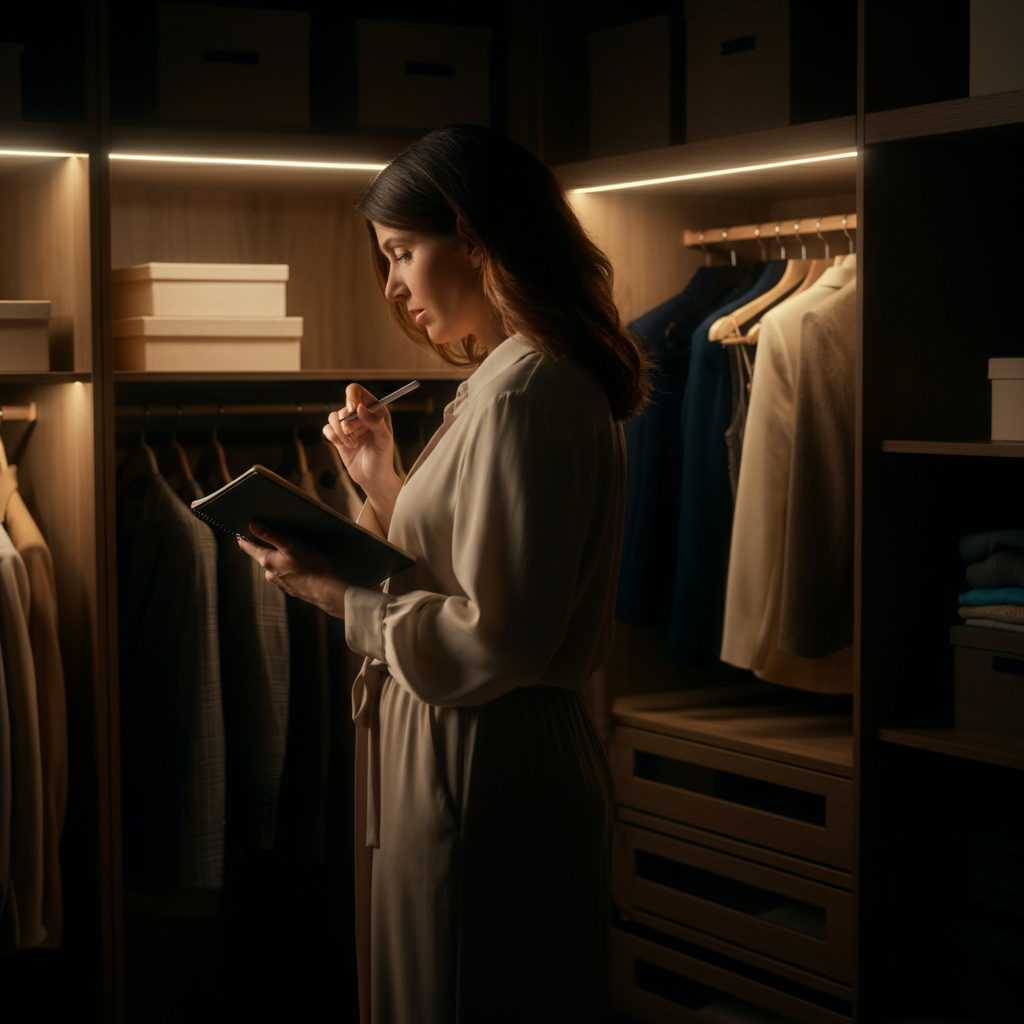
The first step in hacking your personal style is to understand what you already own. This involves a thorough and honest evaluation of your current wardrobe. Take everything out of your closet and drawers, and lay it all out where you can see it. Don't skip anything, even those items you haven't worn in years. This visual inventory is crucial for identifying patterns, preferences, and potential gaps in your style.
As you examine each item, ask yourself a few key questions: Do I love it? Does it fit well and flatter my body shape? When was the last time I wore it? Is it in good condition? Be ruthless in your assessment. If an item doesn't bring you joy, doesn't fit, or is damaged beyond repair, it's time to let it go. Consider donating, selling, or repurposing these items. Remember, a cluttered closet leads to a cluttered mind and a stifled sense of style. Avoid keeping items "just in case" – be realistic about what you actually wear and enjoy. Finally, organize what remains by type (e.g., shirts, pants, dresses) and color. This will make it easier to create outfits and identify any missing pieces.
Step 2: Define Your Style Inspirations
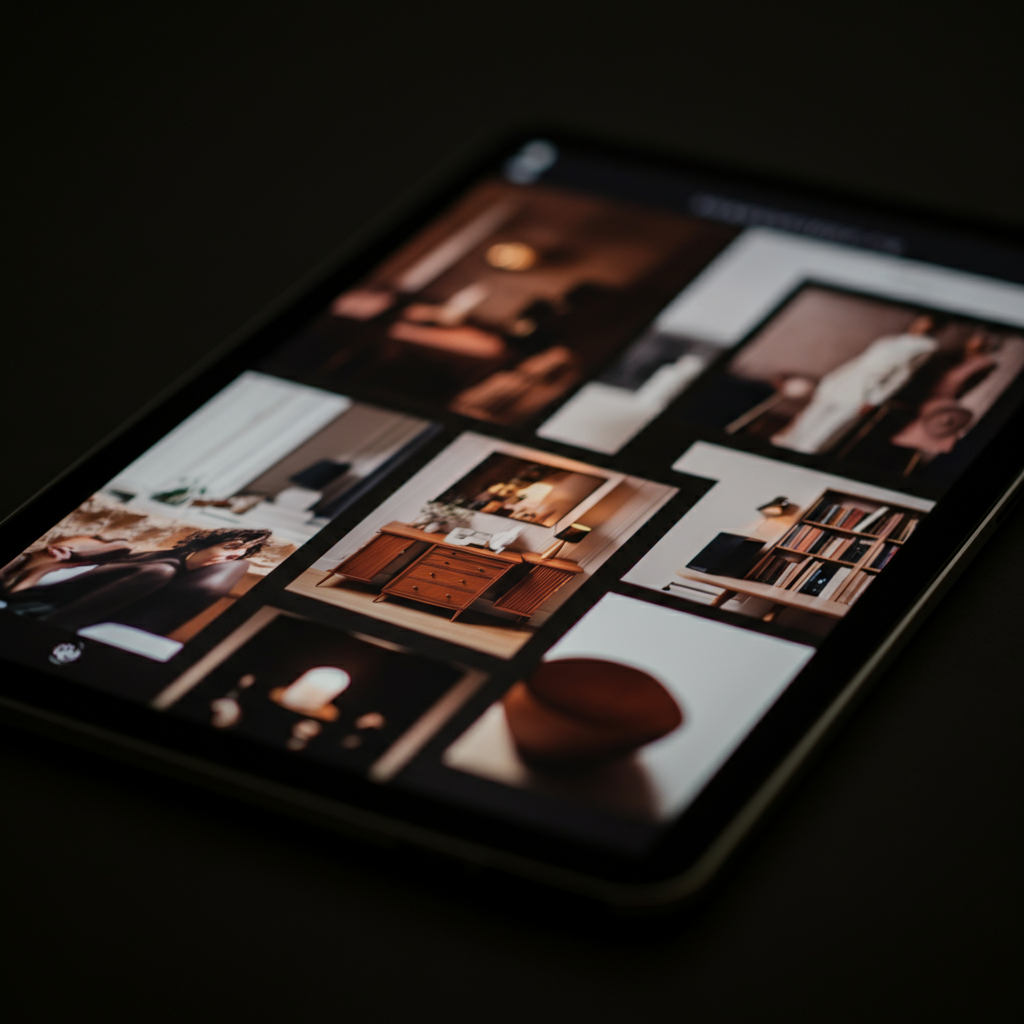
Now that you have a clear understanding of your existing wardrobe, it's time to explore your style inspirations. This involves identifying individuals, aesthetics, or eras that resonate with you. Look beyond just clothing; consider art, music, film, and nature as potential sources of inspiration. Create a mood board, either physical or digital, to visually represent your style aspirations. This could include images of outfits you admire, color palettes you're drawn to, and textures you find appealing.
Don't limit yourself to just one source of inspiration. Experiment with blending different styles to create something unique and personal. Consider the practicality of your inspirations – can you realistically incorporate them into your everyday life? Pay attention to the details: What specific elements of these styles appeal to you? Is it the silhouette, the fabric, the color, or the overall vibe? Be mindful of your body shape, lifestyle, and personal preferences when selecting your inspirations. It's not about replicating someone else's style, but rather using it as a foundation to build your own. For example, you might love the bohemian aesthetic but prefer a more tailored silhouette, blending the two for a modern bohemian look. Gather images from magazines, Pinterest, Instagram, and fashion blogs to solidify your style direction.
Step 3: Experiment with New Looks
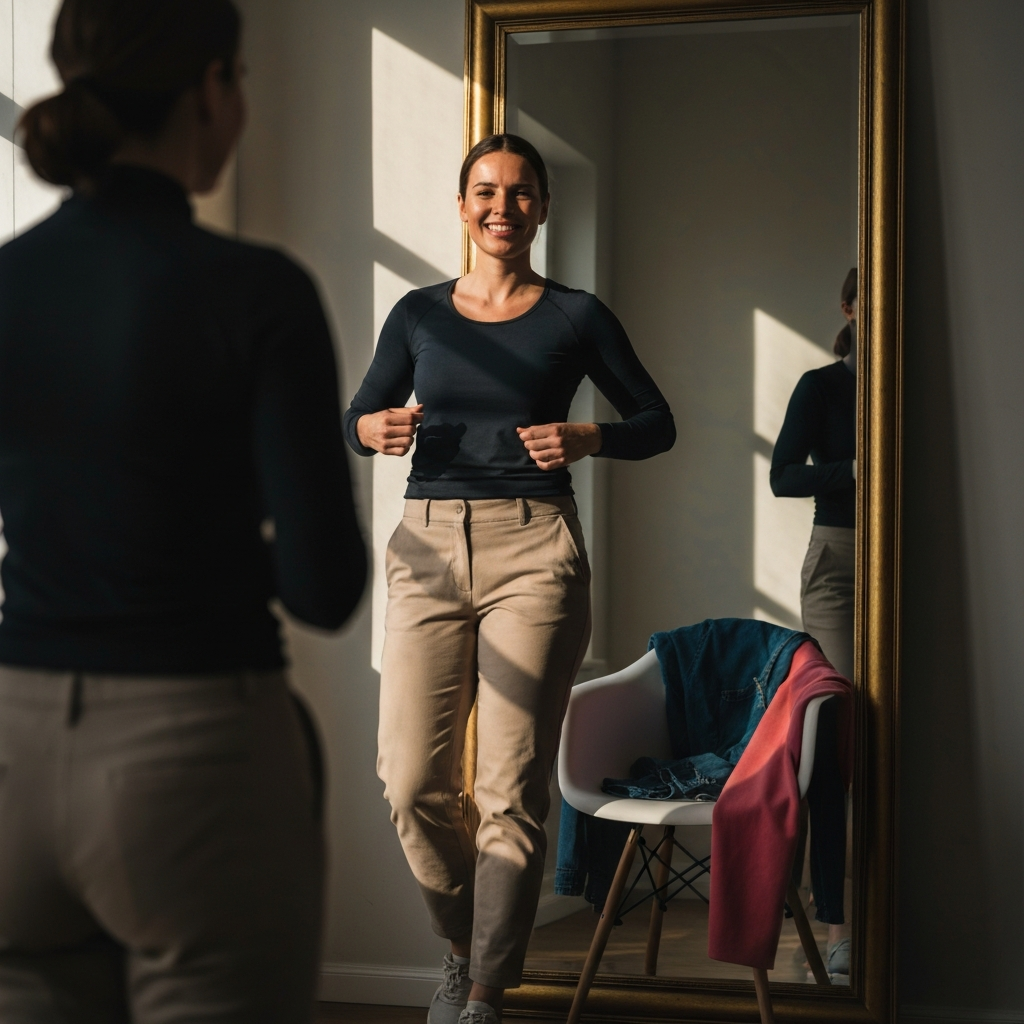
With your wardrobe audited and your style inspirations defined, it's time to experiment! This is where the real fun begins. Start by creating new outfits from the items you already own. Try combining pieces in unexpected ways and see what works. Don't be afraid to break the rules and challenge your existing style habits.
Venture outside of your usual outfit combinations. This might mean pairing a dress with sneakers, layering a blazer over a hoodie, or experimenting with different accessories. Take photos of your outfits to document what you try. This will help you track your progress and identify what you like and dislike. Consider using a style app or online tool to create virtual outfits and get feedback from others. If you're feeling adventurous, try thrifting or renting clothing to experiment with new styles without committing to a purchase. Don't be discouraged if some experiments fail. The goal is to learn and grow, not to achieve perfection. Pay attention to how you feel in each outfit. Confidence is key. The most stylish outfit is the one that makes you feel good. Remember to consider your lifestyle and the occasion. A bold, statement outfit might be perfect for a night out, but not suitable for a professional setting. Consider investing in a few key pieces that can be easily incorporated into your existing wardrobe to elevate your overall style.
Step 4: Accessorize Strategically
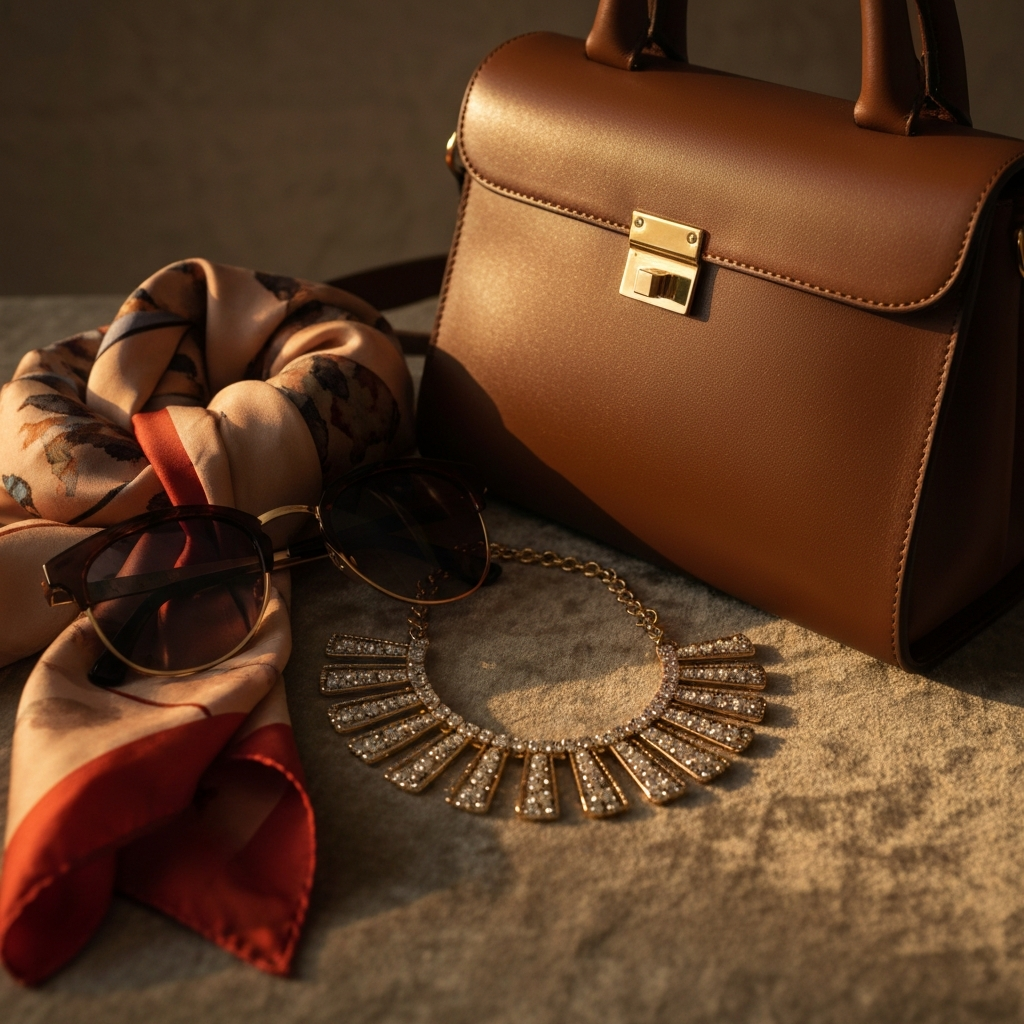
Accessories are the secret weapon of any stylish individual. They have the power to transform an ordinary outfit into something extraordinary. Think of accessories as the exclamation point of your personal style. They add personality, polish, and a touch of individuality.
Consider your personal style and choose accessories that complement your overall aesthetic. If you have a minimalist style, opt for simple, understated pieces. If you prefer a more eclectic look, don't be afraid to experiment with bold and colorful accessories. Pay attention to the scale and proportion of your accessories. A large statement necklace might overwhelm a petite frame, while delicate earrings might get lost on someone with a larger build. Think about the functionality of your accessories. A stylish scarf can add warmth and texture to an outfit, while a functional handbag can keep you organized and prepared. Don't be afraid to mix and match different metals and textures. Gold and silver can be worn together, and leather and fabric can create a unique and interesting contrast. Invest in quality accessories that will last for years to come. A well-made leather bag, a classic watch, or a timeless piece of jewelry are worth the investment. Consider vintage or secondhand accessories for a unique and sustainable option. Avoid over-accessorizing. Less is often more. Choose a few key pieces that will enhance your outfit without overwhelming it. Consider the occasion. The accessories you wear to work will likely be different from the accessories you wear to a party. Experiment with different ways to wear your accessories. Try tying a scarf in a different way, layering necklaces, or stacking bracelets.
Step 5: Seek Feedback and Refine
Developing a strong personal style is an ongoing process. It's important to seek feedback and refine your look as you evolve. Ask trusted friends, family members, or even a stylist for their honest opinions on your outfits. Be open to constructive criticism and use it to improve your style.
Don't take feedback personally. Remember that everyone has different tastes and preferences. Focus on the overall message and identify areas where you can improve. Pay attention to what people compliment you on. This can give you valuable insights into what works well for you. Observe the styles of people you admire and analyze what makes them work. Consider subscribing to fashion blogs or magazines to stay up-to-date on the latest trends. Experiment with different silhouettes and colors to find what flatters your body shape and skin tone. Don't be afraid to ask for help from a professional stylist. A stylist can provide personalized advice and help you create a wardrobe that reflects your unique style. Consider creating a personal style journal to track your progress and document your style evolution. Review your style choices regularly and make adjustments as needed. Remember that personal style is not static. It's constantly evolving and changing as you grow and evolve as a person. Be patient and persistent. It takes time and effort to develop a strong personal style. Don't give up if you don't see results immediately. Stay true to yourself and your own unique vision. Your personal style is a reflection of your personality and your values. Embrace it and let it shine.

Common Mistakes to Avoid
Several common pitfalls can hinder your journey to developing a strong personal style. One frequent mistake is blindly following trends without considering whether they suit your body type or personal preferences. Another is neglecting fit; clothes that are too tight or too loose will never look stylish, no matter how fashionable they are. Many people also fall into the trap of sticking to the same old looks out of habit, hindering experimentation and personal growth. Additionally, failing to accessorize adequately, or conversely, over-accessorizing, can detract from an otherwise well-chosen outfit. Finally, ignoring the importance of grooming, such as well-maintained hair and clean shoes, can undermine even the most carefully curated style.
FAQ Section
Q: How do I find my personal style when I don't know where to start?
A: Start by exploring different styles and aesthetics that appeal to you. Look at fashion blogs, magazines, and social media for inspiration. Experiment with different outfits and accessories to see what you like and what makes you feel confident. Don't be afraid to try new things and step outside of your comfort zone. It's a process of trial and error.
Q: How much should I spend on clothes?
A: The amount you spend on clothes is a personal decision that depends on your budget and priorities. It's generally a good idea to invest in quality pieces that will last for years to come. You can also save money by shopping at thrift stores, consignment shops, and online marketplaces.
Q: How do I dress for my body type?
A: Dressing for your body type involves understanding your proportions and choosing clothes that flatter your shape. There are many online resources and style guides that can help you learn more about dressing for your body type. A good tailor can also make a big difference in how your clothes fit and look.
Conclusion
Hacking your personal style is an empowering journey that leads to increased confidence and self-expression. By auditing your wardrobe, defining your style inspirations, experimenting with new looks, accessorizing strategically, and seeking feedback, you can cultivate a style that truly reflects your unique personality. Remember that style is not about perfection, but about expressing yourself authentically. Embrace the process, enjoy the experimentation, and unleash your effortless confidence through the power of personal style.