Your metabolism is the engine that drives your body. It's the sum of all chemical processes that occur within you to keep you alive and functioning. A faster, more efficient metabolism can translate to increased energy levels and, crucially, more effective fat burning. While genetic factors play a role, lifestyle changes can significantly influence your metabolic rate and optimize your body's ability to torch fat. This guide provides evidence-based strategies to help you boost your metabolism and achieve your weight loss goals.
Many people mistakenly believe that a "broken" metabolism is the sole reason for weight gain. While medical conditions can impact metabolism, for most individuals, lifestyle factors like diet, exercise, and sleep are the primary drivers. Taking control of these factors allows you to positively influence your metabolic rate and create a more fat-burning environment within your body. This isn't about quick fixes or unsustainable trends; it's about making informed choices that support long-term health and well-being.
This guide will break down practical steps you can implement immediately, helping you understand the science behind each strategy and providing tips for sustained success. Get ready to unlock your metabolic potential and achieve lasting results.
Step 1: Prioritize Protein Intake
Protein's Thermic Effect
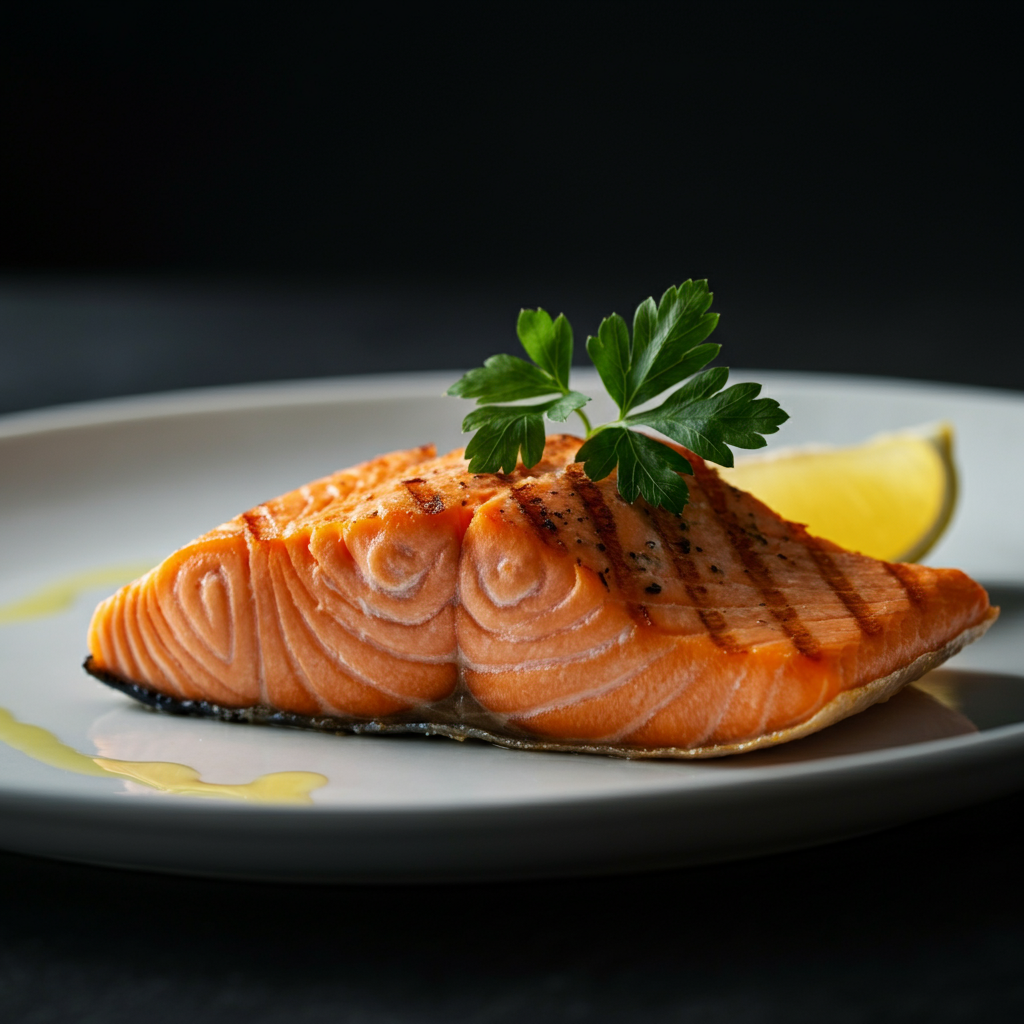
Protein requires more energy to digest, absorb, and process than carbohydrates or fats. This is known as the thermic effect of food (TEF). Increasing your protein intake significantly boosts your TEF, leading to a higher calorie burn throughout the day. Aim to include a source of lean protein in every meal, such as chicken breast, fish, tofu, beans, or lentils. Protein also helps preserve muscle mass, which is metabolically active tissue that burns more calories at rest.
Practical considerations: Calculate your daily protein needs based on your weight and activity level. A general guideline is 0.8-1 gram of protein per pound of body weight, especially if you are physically active. Don't rely solely on protein supplements; prioritize whole food sources. Potential mistake: Overdoing protein intake can put a strain on your kidneys, so moderate your consumption appropriately. Listen to your body and consult with a healthcare professional if you have any concerns.
Step 2: Embrace High-Intensity Interval Training (HIIT)
Maximize Calorie Burn with HIIT
High-Intensity Interval Training (HIIT) involves short bursts of intense exercise followed by brief recovery periods. HIIT workouts are incredibly effective at boosting your metabolism, not only during the workout but also for hours afterward through a phenomenon known as Excess Post-exercise Oxygen Consumption (EPOC), or the "afterburn effect." This means your body continues to burn calories at an elevated rate even after you've finished exercising. Choose activities you enjoy, such as sprinting, cycling, or bodyweight exercises like burpees and jump squats.
Practical considerations: Start slowly and gradually increase the intensity and duration of your HIIT workouts. Aim for 2-3 HIIT sessions per week, allowing adequate recovery time between sessions. Potential mistake: Overtraining can lead to injuries and burnout. Listen to your body and prioritize rest. If you are new to exercise, consult with a qualified fitness professional to ensure proper form and technique.

Step 3: Prioritize Sleep Hygiene
Sleep's Impact on Metabolic Hormones
Sleep deprivation can wreak havoc on your metabolism. When you don't get enough sleep, your body produces more of the stress hormone cortisol and less of the satiety hormone leptin. This hormonal imbalance can lead to increased cravings, decreased insulin sensitivity, and a slower metabolism. Aim for 7-9 hours of quality sleep each night to optimize your metabolic function.
Practical considerations: Establish a consistent sleep schedule, even on weekends. Create a relaxing bedtime routine, such as reading or taking a warm bath. Make sure your bedroom is dark, quiet, and cool. Potential mistake: Relying on caffeine or alcohol to compensate for lack of sleep can further disrupt your sleep cycle and negatively impact your metabolism.

Step 4: Hydrate Consistently
Water's Role in Metabolic Processes
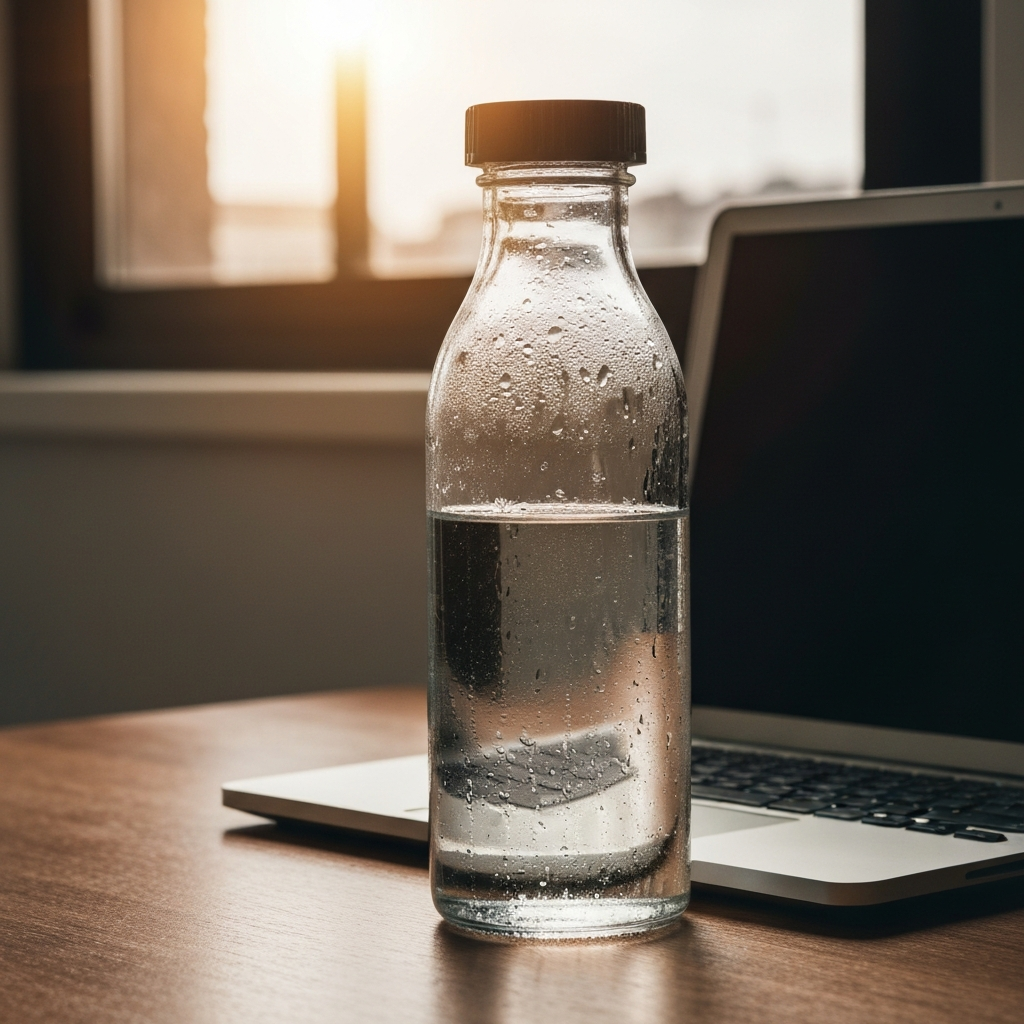
Water is essential for virtually every bodily function, including metabolism. Staying adequately hydrated can increase your resting metabolic rate and help your body burn more calories throughout the day. Dehydration can slow down metabolic processes and make it harder for your body to burn fat. Aim to drink at least 8 glasses of water per day, or more if you are active or live in a hot climate.
Practical considerations: Carry a water bottle with you throughout the day and sip on it regularly. Drink water before, during, and after meals. Potential mistake: Confusing thirst with hunger can lead to unnecessary calorie consumption. Reach for water first when you feel hungry, and see if that satisfies your craving.
Step 5: Strength Train Regularly
Muscle Mass and Metabolic Rate
Muscle tissue is more metabolically active than fat tissue, meaning it burns more calories at rest. Building muscle through strength training can significantly increase your resting metabolic rate, making it easier to lose weight and keep it off. Incorporate strength training exercises into your routine at least 2-3 times per week, focusing on compound movements that work multiple muscle groups simultaneously, such as squats, deadlifts, and bench presses.
Practical considerations: Start with bodyweight exercises and gradually progress to using weights as you get stronger. Focus on proper form and technique to prevent injuries. Potential mistake: Neglecting strength training in favor of cardio can hinder your long-term fat-burning potential. A combination of both is ideal.

Common Mistakes to Avoid
- Drastically Cutting Calories: This can slow down your metabolism as your body enters "starvation mode."
- Skipping Meals: This can lead to increased cravings and overeating later in the day.
- Relying Solely on Cardio: Strength training is crucial for building muscle and boosting your metabolism.
- Not Getting Enough Sleep: Sleep deprivation can disrupt your hormonal balance and slow down your metabolism.
- Ignoring Stress: Chronic stress can elevate cortisol levels and hinder fat burning.
FAQ Section
Q: How long does it take to see results from boosting my metabolism?
A: It varies from person to person, but consistent effort in implementing these strategies should yield noticeable results within a few weeks to a few months.
Q: Can I really "hack" my metabolism?
A: The term "hack" might be misleading. It's more about optimizing your metabolism through sustainable lifestyle changes rather than finding a quick fix.
Q: Is it possible to permanently damage my metabolism?
A: Extreme dieting and prolonged periods of calorie restriction can potentially slow down your metabolism, but it's usually reversible with proper nutrition and exercise.
Conclusion
Boosting your metabolism for maximum fat burn is a journey that requires consistency, patience, and a holistic approach. By prioritizing protein intake, embracing HIIT, prioritizing sleep, staying hydrated, and strength training regularly, you can significantly influence your metabolic rate and achieve your weight loss goals. Remember, sustainable lifestyle changes are the key to long-term success. Listen to your body, be patient with yourself, and enjoy the process of transforming your health and well-being.