Joining a gym isn't the only path to a healthier, fitter you. In fact, with a little creativity and commitment, you can achieve incredible results right in the comfort of your own home, local park, or even while traveling. This guide provides a comprehensive roadmap for building a sustainable fitness routine without relying on expensive equipment or crowded workout spaces.
We'll explore a range of exercises, from bodyweight training to outdoor activities, and provide practical tips to keep you motivated and injury-free. The key is consistency and finding activities you genuinely enjoy. Remember that fitness is a journey, not a destination, and every step you take is a step in the right direction.
This guide is designed for all fitness levels, whether you're a complete beginner or a seasoned athlete looking for alternative training options. Prepare to discover the freedom and flexibility of working out on your own terms and achieving your fitness goals without ever setting foot in a gym. Let's get started!
Step 1: Assess Your Current Fitness Level
Before jumping into any new workout routine, it's crucial to understand your starting point. This involves taking stock of your current fitness level, identifying any limitations or injuries, and setting realistic goals. Start by evaluating your cardiovascular endurance, strength, flexibility, and body composition.
Consider performing a simple self-assessment. Time how long you can walk briskly without feeling overly winded. Try a few push-ups or squats to gauge your strength. Assess your flexibility by gently stretching different muscle groups and noting any areas of tightness. Don't be discouraged by your initial results; this is simply a baseline to track your progress.

Step 2: Set Realistic Goals
Setting achievable goals is essential for staying motivated and tracking your progress. Avoid setting overly ambitious targets that can lead to frustration and burnout. Instead, focus on small, incremental improvements. A good approach is to set both short-term and long-term goals. For example, a short-term goal might be to increase your walking time by 5 minutes each week, while a long-term goal could be to complete a 5k run in six months.
Make sure your goals are SMART: Specific, Measurable, Achievable, Relevant, and Time-bound. Write them down and track your progress regularly. Celebrate your successes, no matter how small, to reinforce positive habits. Remember, consistency is more important than intensity, especially in the beginning.
Step 3: Create a Workout Schedule
Consistency is key to achieving your fitness goals, so it's important to create a realistic and sustainable workout schedule. Start by allocating specific days and times for your workouts. Treat these appointments as non-negotiable commitments, just like any other important meeting or obligation.
Consider your lifestyle, work schedule, and other commitments when designing your schedule. It's better to start with fewer workouts that you can consistently stick to than to overcommit and quickly burn out. Aim for at least 30 minutes of moderate-intensity exercise most days of the week. This could include brisk walking, jogging, cycling, swimming, or bodyweight training. Don't forget to incorporate rest days to allow your body to recover and rebuild.
Step 4: Master Bodyweight Exercises
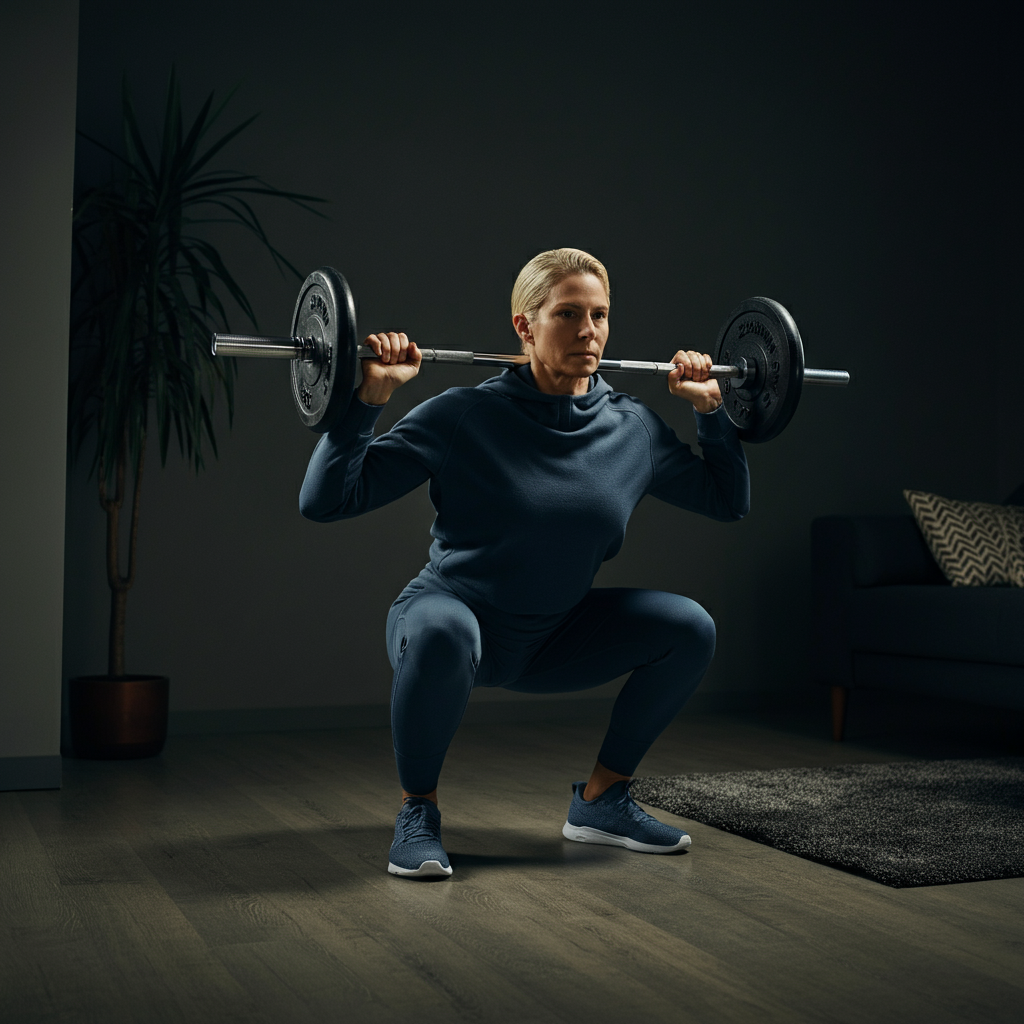
Bodyweight exercises are a fantastic way to build strength and endurance without any equipment. They can be performed anywhere, anytime, and are highly effective for targeting various muscle groups. Focus on mastering fundamental exercises such as squats, push-ups, lunges, planks, and burpees.
Proper form is crucial to avoid injuries and maximize results. Start with easier variations of each exercise and gradually progress to more challenging versions as you get stronger. For example, begin with wall push-ups or knee push-ups before attempting full push-ups. Similarly, start with shallow squats and gradually increase the depth as your flexibility improves. Aim for 2-3 sets of 10-15 repetitions for each exercise, resting briefly between sets.
Step 5: Utilize Outdoor Activities
Take advantage of the great outdoors to add variety and enjoyment to your fitness routine. Outdoor activities offer a refreshing change from indoor workouts and can provide additional health benefits, such as exposure to sunlight and fresh air. Explore activities like walking, jogging, hiking, cycling, swimming, and even playing sports in your local park.
Walking and jogging are excellent for cardiovascular fitness and can be easily incorporated into your daily routine. Hiking provides a more challenging workout and allows you to explore scenic trails. Cycling is a low-impact option that's great for building leg strength and endurance. Swimming is a full-body workout that's gentle on the joints. Choose activities that you find enjoyable and that fit your fitness level and interests. Remember to wear appropriate clothing and footwear, and always be mindful of safety precautions, such as staying hydrated and avoiding extreme weather conditions.

Step 6: Incorporate Interval Training
Interval training is a highly effective method for improving cardiovascular fitness and burning calories. It involves alternating between high-intensity bursts of activity and periods of rest or low-intensity activity. This type of training can be adapted to various activities, such as running, cycling, swimming, or bodyweight exercises.
A simple interval training workout might involve sprinting for 30 seconds followed by 60 seconds of walking or jogging, repeated for 10-15 minutes. You can also incorporate interval training into your bodyweight workouts by alternating between high-intensity exercises like burpees and jumping jacks and lower-intensity exercises like squats and lunges. The key is to push yourself during the high-intensity intervals and allow your body to recover during the rest periods. Interval training can be a great way to break through plateaus and take your fitness to the next level.

Step 7: Prioritize Flexibility and Mobility
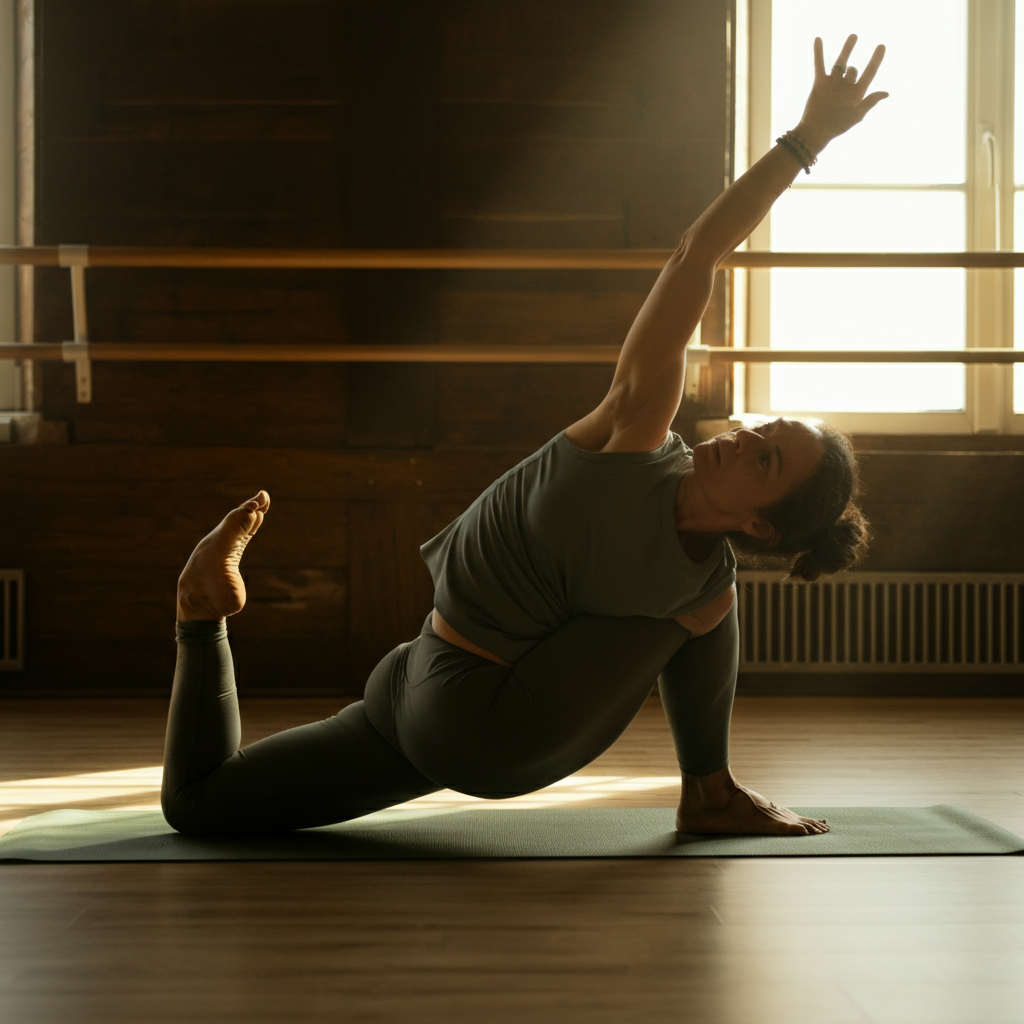
Flexibility and mobility are often overlooked but are essential components of overall fitness. Improved flexibility can reduce the risk of injuries, improve posture, and enhance athletic performance. Incorporate stretching exercises into your daily routine, focusing on major muscle groups such as hamstrings, quads, hip flexors, chest, and shoulders.
Hold each stretch for 30-60 seconds and breathe deeply. Dynamic stretching, such as arm circles and leg swings, can be performed before workouts to warm up the muscles. Static stretching, such as holding a hamstring stretch or quad stretch, is best performed after workouts to cool down the muscles and improve flexibility. Consider incorporating yoga or Pilates into your routine to further enhance flexibility and mobility.
Step 8: Track Your Progress
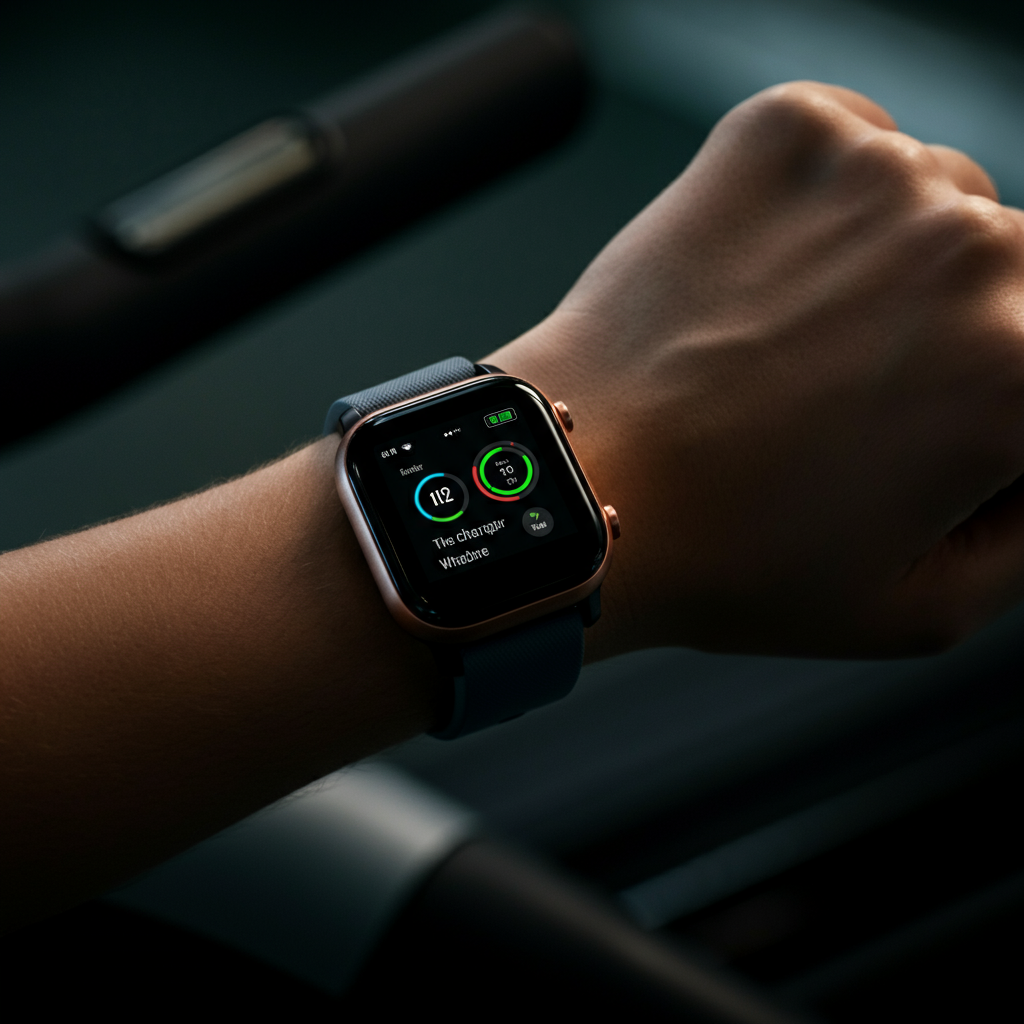
Monitoring your progress is crucial for staying motivated and making adjustments to your workout routine as needed. Keep a fitness journal or use a fitness tracking app to record your workouts, track your progress, and identify areas for improvement.
Record the exercises you performed, the number of sets and repetitions, the weight you lifted (if applicable), and how you felt during the workout. Track your weight, body measurements, and body fat percentage periodically to monitor changes in your body composition. Review your progress regularly and make adjustments to your workout routine as needed to continue challenging yourself and achieving your goals. Seeing tangible results is a powerful motivator and can help you stay committed to your fitness journey.
Step 9: Stay Consistent and Patient
Consistency is the most important factor in achieving long-term fitness success. It's more effective to exercise consistently for shorter periods than to engage in sporadic, intense workouts. Be patient and understand that results take time. Don't get discouraged if you don't see changes immediately. Focus on building healthy habits and enjoying the process. Celebrate your successes, no matter how small, and learn from your setbacks. Remember that fitness is a journey, not a destination, and every workout is a step in the right direction.
Step 10: Listen to Your Body
It's crucial to listen to your body and avoid pushing yourself too hard, especially when you're just starting out. Pay attention to any pain or discomfort and stop exercising immediately if you experience any sharp or persistent pain. Rest and recover adequately between workouts to allow your body to rebuild and repair itself. Don't be afraid to modify exercises or take rest days when needed. Overtraining can lead to injuries and burnout, so it's important to find a balance between challenging yourself and allowing your body to recover.
Safety Considerations
- Consult your doctor before starting any new exercise program, especially if you have any underlying health conditions.
- Warm up before each workout and cool down afterward.
- Use proper form when performing exercises to avoid injuries.
- Stay hydrated by drinking plenty of water before, during, and after workouts.
- Wear appropriate clothing and footwear.
- Be aware of your surroundings when exercising outdoors.
- Listen to your body and stop exercising if you experience any pain.
Pro Tips
- Find a workout buddy to stay motivated and accountable.
- Join an online fitness community for support and inspiration.
- Set realistic goals and track your progress.
- Reward yourself for achieving milestones.
- Make exercise a fun and enjoyable part of your life.
- Don't be afraid to experiment with different activities and find what you enjoy.
- Listen to music or podcasts while you work out.
- Vary your routine to prevent boredom and plateaus.
- Stay hydrated and eat a healthy diet.
- Get enough sleep.
FAQ Section
- Q: How often should I work out?
- A: Aim for at least 30 minutes of moderate-intensity exercise most days of the week.
- Q: What if I don't have much time?
- A: Even short bursts of exercise can be beneficial. Try breaking up your workouts into smaller chunks of time throughout the day.
- Q: How do I stay motivated?
- A: Find activities you enjoy, set realistic goals, track your progress, and reward yourself for achieving milestones.
- Q: What if I experience pain during exercise?
- A: Stop exercising immediately and consult your doctor if the pain persists.
- Q: How long will it take to see results?
- A: Results vary depending on individual factors such as genetics, diet, and consistency. Be patient and focus on building healthy habits.
Conclusion
Leveling up your fitness without a gym is entirely achievable with the right mindset, strategies, and dedication. By assessing your current fitness level, setting realistic goals, creating a workout schedule, mastering bodyweight exercises, utilizing outdoor activities, incorporating interval training, prioritizing flexibility and mobility, tracking your progress, staying consistent and patient, and listening to your body, you can transform your health and well-being without ever stepping foot inside a gym. Remember to prioritize safety, have fun, and make fitness a sustainable part of your lifestyle. The most effective workout is the one you enjoy and can consistently stick to. So, get started today and unlock your full fitness potential!