Feeling sluggish? Overwhelmed? It's time to take control and hack your health. This isn't about drastic overhauls or unsustainable resolutions. It's about making small, strategic changes that accumulate into significant improvements in your overall well-being. Think of it as optimizing your internal systems for peak performance.
We're going to explore a range of simple, evidence-backed strategies covering everything from diet and exercise to sleep and mental well-being. The beauty of these hacks is their adaptability. You can tailor them to fit your lifestyle, gradually layering in new habits as you become comfortable. Start with one or two that resonate most, and build from there.
Remember, consistency is key. These hacks aren't quick fixes; they're long-term investments in your health and happiness. So, ditch the all-or-nothing mentality and embrace a journey of continuous improvement. Let's dive in and discover how you can start hacking your health today.
Ready to feel better than ever? Let's get started.
Step 1: Prioritize Protein for Breakfast
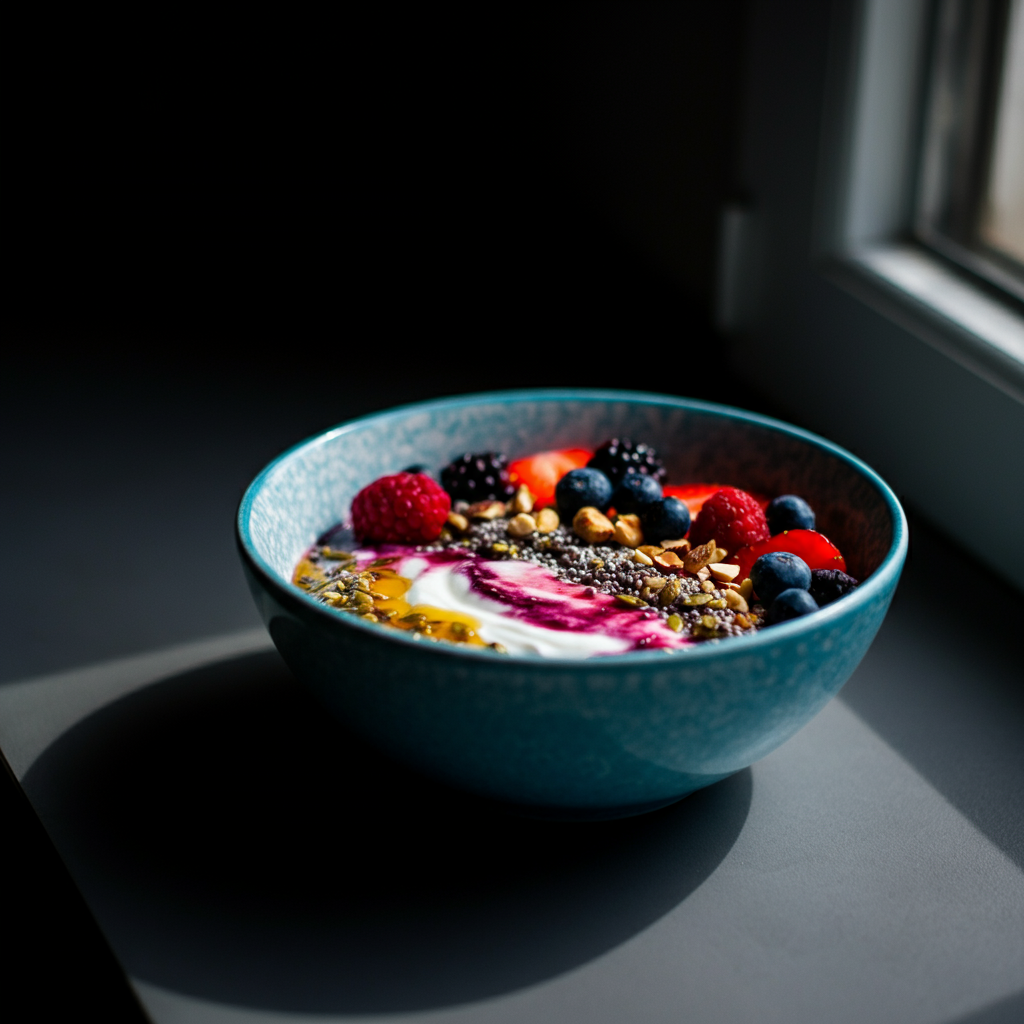
Kickstart your day with a protein-packed breakfast. Protein stimulates the production of neurotransmitters like norepinephrine and dopamine, which are crucial for alertness and problem-solving skills. This means you'll be more focused, energized, and ready to tackle whatever the day throws your way. Ditch the sugary cereals and pastries that lead to a mid-morning crash.
Practical details: Aim for at least 20-30 grams of protein in your breakfast. Options include eggs, Greek yogurt, protein smoothies, or even leftover grilled chicken. Real-world considerations: if you're short on time, prepare overnight oats with protein powder or hard-boil eggs in advance. Potential mistake: Choosing processed protein bars with added sugars and unhealthy fats defeats the purpose. Focus on whole, unprocessed sources.
Step 2: Embrace Regular Aerobic Exercise
Incorporate regular aerobic exercise into your routine. Aerobic exercise, such as running, swimming, or cycling, is incredibly beneficial for both your physical and mental health. It improves cardiovascular health, helps manage weight, and boosts mood by releasing endorphins. Exercise increases blood flow to the brain, promoting cognitive function and overall well-being. It is better to exercise twice a day for at least 45 minutes at a time.
Practical details: Aim for at least 150 minutes of moderate-intensity or 75 minutes of vigorous-intensity aerobic exercise per week. Find activities you enjoy to make it sustainable. Real-world considerations: Break it up into smaller chunks throughout the day if needed. A 10-minute walk during lunch and a 20-minute workout after work can be just as effective. Potential mistake: Starting too intensely and burning out quickly. Gradually increase the duration and intensity of your workouts.

Step 3: Practice Mindfulness Meditation
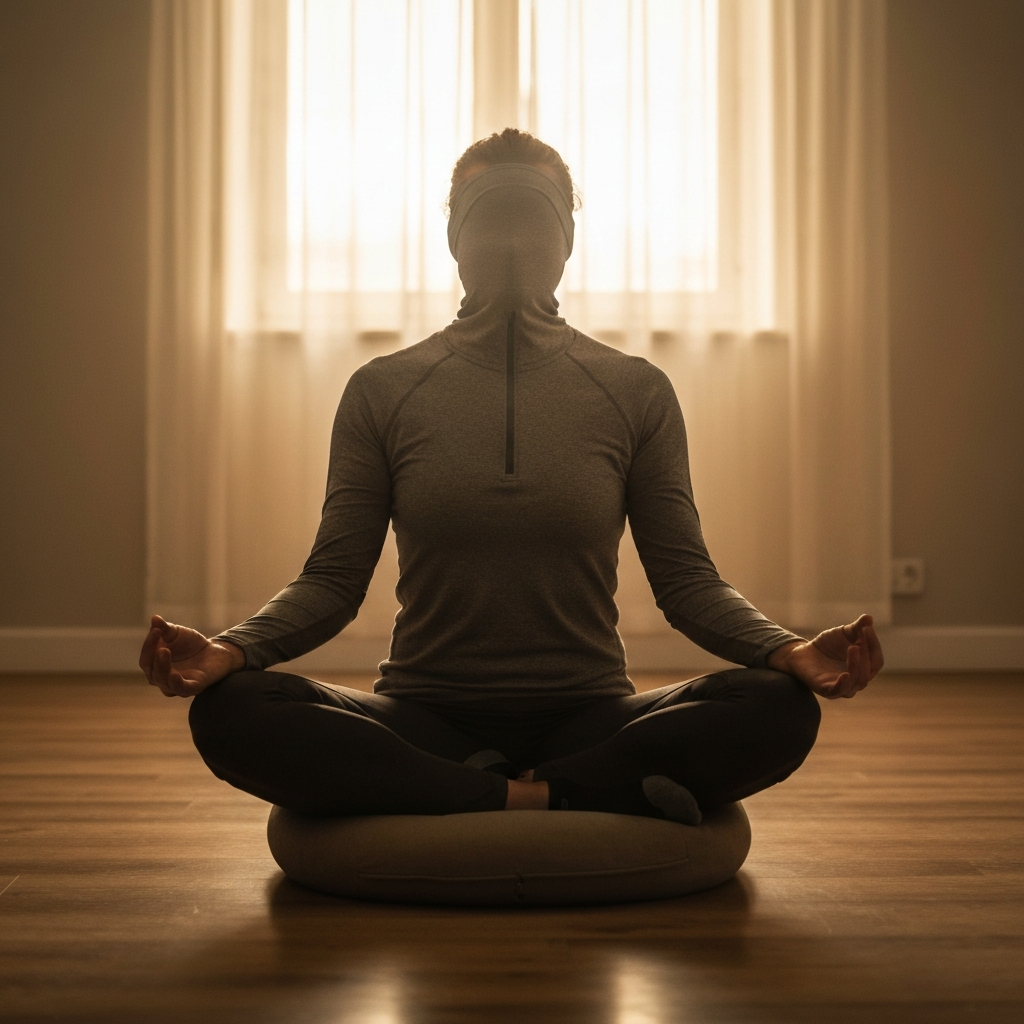
Make mindfulness meditation a daily habit. Meditation has been shown to reduce stress, improve focus, and enhance overall mental well-being. It works by training your mind to be present in the moment, rather than dwelling on the past or worrying about the future. Meditation has also been shown to improve patience, concentration, and memory.
Practical details: Start with just 5-10 minutes of meditation per day and gradually increase the duration as you become more comfortable. Find a quiet place where you won't be disturbed. Real-world considerations: There are many guided meditation apps available to help you get started. Potential mistake: Getting discouraged if your mind wanders during meditation. It's perfectly normal. Simply gently redirect your attention back to your breath or the present moment. Do this meditation after an exercise routine.
Step 4: Prioritize Sleep Quality and Quantity
Make sleep a non-negotiable priority. Aim for 7-9 hours of quality sleep each night. Sleep is essential for physical and mental restoration, cognitive function, and overall health. Consistent inadequate sleep impairs brain function, reduces alertness, and can lead to various health problems.
Practical details: Establish a regular sleep schedule, going to bed and waking up around the same time each day, even on weekends. Create a relaxing bedtime routine to wind down before sleep. Real-world considerations: Optimize your sleep environment by making sure your bedroom is dark, quiet, and cool. Potential mistake: Using electronic devices before bed. The blue light emitted from screens can interfere with sleep. Aim to switch off devices at least an hour before bedtime.

Step 5: Challenge Your Brain with Novelty
Introduce novelty and new experiences into your life. When you do the same things day in and day out, your brain goes on autopilot. Break free from routine by trying new activities, visiting new places, or learning new skills. This helps to create new neural pathways and keeps your brain engaged. Learning something new such as playing chess or a sport can help your brain create new pathways that you never dreamed of.
Practical details: Take a different route to work, try a new restaurant, attend a workshop, or learn a new language. Real-world considerations: Start small and gradually expand your comfort zone. Potential mistake: Feeling overwhelmed by the prospect of trying too many new things at once. Focus on incorporating one or two new experiences each month.

Tools or Materials Required
- Comfortable workout clothes and shoes
- Meditation app or guided meditation resources
- Dark chocolate (at least 70% cocoa)
- Journal for tracking progress (optional)
Common Mistakes to Avoid
- Trying to change too much too quickly
- Setting unrealistic expectations
- Focusing solely on one aspect of health (e.g., diet only)
- Neglecting the importance of consistency
Pro Tips
- Find an accountability partner to help you stay on track.
- Prepare meals and snacks in advance to avoid unhealthy choices.
- Listen to your body and adjust your approach as needed.
- Celebrate small victories along the way.
FAQ Section
- Q: How long before I see results?
- A: It varies from person to person, but you should start noticing improvements within a few weeks of consistently implementing these hacks.
- Q: What if I miss a day?
- A: Don't beat yourself up about it. Just get back on track the next day.
- Q: Can I do all of these hacks at once?
- A: It's best to start gradually and focus on mastering one or two hacks at a time.
By incorporating these simple yet powerful health hacks into your daily routine, you can unlock a new level of well-being. Remember, it's not about perfection; it's about progress. Embrace the journey, stay consistent, and enjoy the transformative benefits of a healthier, happier you. These habits will help boost your alertness and help you make better decisions moving forward!