Biohacking, at its core, is about understanding and optimizing your own biology. It's the art and science of taking control of your health through self-experimentation, data tracking, and a willingness to challenge conventional wisdom. This isn't about radical surgeries or futuristic implants (though those exist in the advanced realms); it's about making small, incremental changes to your lifestyle that can lead to significant improvements in your well-being. It's about becoming your own personal scientist and using your body as the laboratory.
This guide is designed to be a starting point for anyone curious about biohacking. We'll cover some of the fundamental principles and provide actionable steps you can take to begin your journey towards enhanced health and performance. Remember, biohacking is a highly individualized process. What works for one person might not work for another, so it's crucial to listen to your body and proceed with caution. Consult with your healthcare provider before making significant changes to your diet, exercise routine, or supplement regimen.
Ready to unlock your potential? Let's dive in!
Step 1: Understand Your Baseline
Before you start tinkering with your biology, it's essential to know where you're starting from. This means establishing a baseline understanding of your current health status. This involves getting familiar with key health metrics and tracking them over time. Don't just rely on infrequent doctor visits; take a proactive approach to monitoring your well-being.
Practical details: Consider tracking your sleep duration and quality using a wearable device or a sleep tracking app. Monitor your heart rate variability (HRV), which is an indicator of your body's resilience to stress. Track your diet and macronutrient intake using a food tracking app. Keep a journal to record your energy levels, mood, and any symptoms you experience. Consistency is key – aim to track these metrics daily or at least several times a week for a month to establish a reliable baseline. Potential mistakes: Relying solely on subjective feelings without objective data. Failing to track consistently. Not adjusting tracking methods if they don't provide useful information.

Step 2: Optimize Your Sleep
Sleep is the cornerstone of good health, and optimizing your sleep is one of the most impactful biohacks you can implement. Poor sleep can negatively affect everything from your mood and energy levels to your cognitive function and immune system. Aim for 7-9 hours of quality sleep per night. This means not only getting enough hours, but also ensuring your sleep is deep and restorative.
Practical details: Establish a consistent sleep schedule by going to bed and waking up at the same time each day, even on weekends. Create a relaxing bedtime routine to wind down before sleep. Ensure your bedroom is dark, quiet, and cool. Consider using blackout curtains, earplugs, or a white noise machine to minimize distractions. Avoid caffeine and alcohol close to bedtime. Experiment with sleep aids like magnesium or L-theanine, but consult with a healthcare professional first. Common Mistakes to Avoid: Inconsistent sleep schedules. Screen time before bed. Ignoring sleep apnea or other sleep disorders.

Step 3: Nourish Your Body with Real Food
What you eat has a profound impact on your health. Biohacking your diet means focusing on whole, unprocessed foods that provide your body with the nutrients it needs to thrive. It's about fueling your body with nutrient-dense foods and minimizing processed foods, sugary drinks, and unhealthy fats. While specific dietary approaches may vary, the foundation remains the same: prioritize real food.
Practical details: Focus on eating a variety of fruits, vegetables, lean proteins, and healthy fats. Prioritize organic and locally sourced foods whenever possible to minimize exposure to pesticides and other toxins. Experiment with different dietary approaches, such as the ketogenic diet, intermittent fasting, or the Mediterranean diet, but do so cautiously and monitor your body's response. Common Mistakes to Avoid: Overly restrictive diets that lead to nutrient deficiencies. Relying on processed foods and supplements instead of whole foods. Not paying attention to individual food sensitivities or allergies.
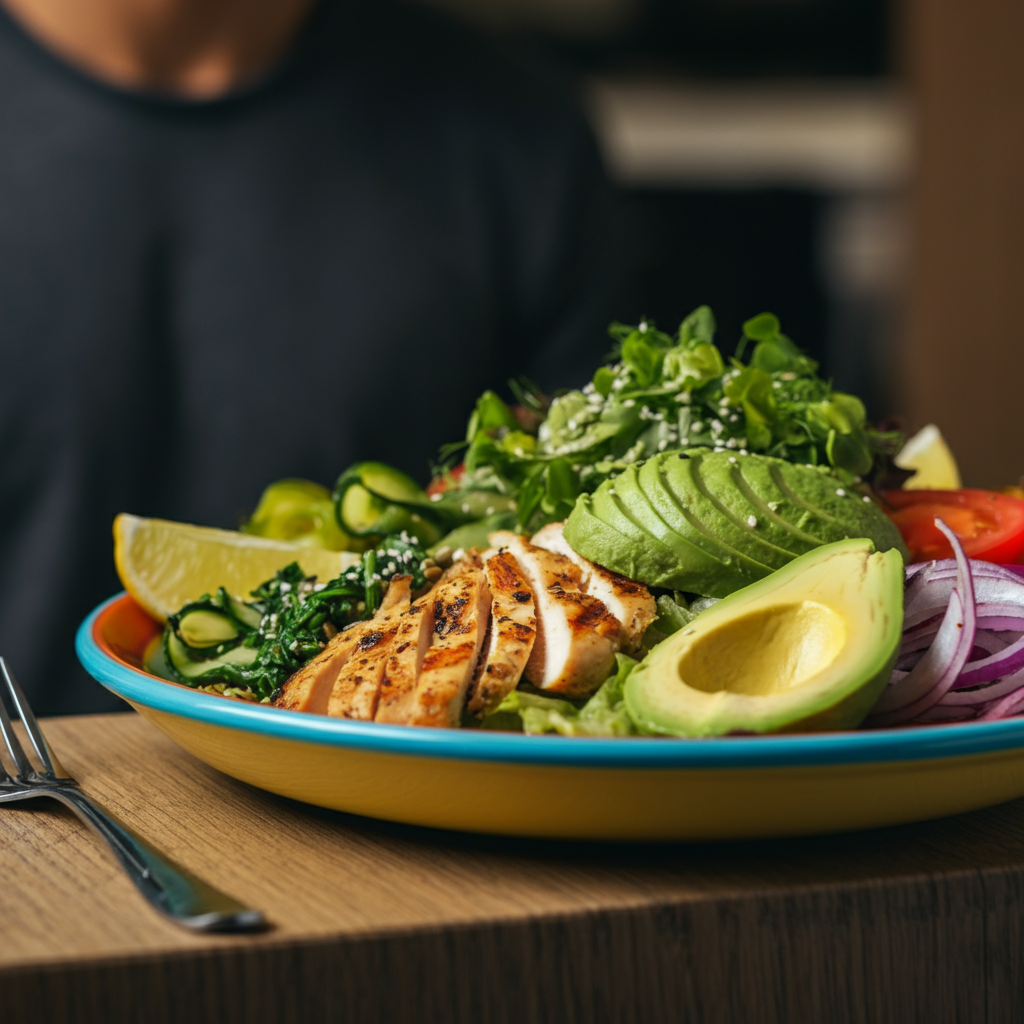
Step 4: Optimize Your Gut Health
The gut microbiome plays a crucial role in overall health, influencing everything from digestion and immunity to mood and cognitive function. Biohacking your gut means supporting a healthy and diverse gut microbiome through diet, lifestyle, and targeted interventions. A balanced gut can lead to improved digestion, enhanced nutrient absorption, and a stronger immune system.
Practical details: Eat plenty of fiber-rich foods, such as fruits, vegetables, and whole grains, to feed beneficial gut bacteria. Consume fermented foods, such as yogurt, kefir, sauerkraut, and kimchi, to introduce beneficial probiotics into your gut. Consider taking a high-quality probiotic supplement, but choose one that contains a variety of strains known to support gut health. Minimize processed foods, sugar, and artificial sweeteners, which can disrupt the gut microbiome. Common Mistakes to Avoid: Ignoring potential food intolerances. Overusing antibiotics, which can wipe out beneficial gut bacteria. Not addressing underlying gut issues, such as leaky gut or SIBO.

Step 5: Move Your Body Regularly
Regular physical activity is essential for both physical and mental health. Biohacking your movement means finding ways to incorporate more activity into your daily life, whether it's through structured exercise or simply moving more throughout the day. Exercise can improve your cardiovascular health, strengthen your bones and muscles, boost your mood, and enhance your cognitive function.
Practical details: Aim for at least 30 minutes of moderate-intensity exercise most days of the week. Find activities you enjoy, such as running, swimming, cycling, dancing, or hiking. Incorporate strength training exercises to build muscle mass and improve bone density. Consider using a standing desk or taking frequent breaks to move around if you have a sedentary job. Common Mistakes to Avoid: Overtraining, which can lead to injuries and burnout. Focusing solely on cardio and neglecting strength training. Not listening to your body and pushing yourself too hard.

Tools or Materials Required
- Wearable fitness tracker (optional, but helpful)
- Food tracking app
- Journal or notebook
- Blackout curtains
- Earplugs or white noise machine
- Probiotic supplement (optional, consult with a healthcare professional)
Safety Considerations
Biohacking involves self-experimentation, which inherently carries some risks. It's essential to proceed with caution and prioritize your safety. Always consult with a healthcare professional before making significant changes to your diet, exercise routine, or supplement regimen. Be aware of potential side effects and interactions of supplements and medications. Listen to your body and stop immediately if you experience any adverse effects. Research any biohacking techniques thoroughly before trying them. Start slowly and gradually increase the intensity or duration of any interventions.
FAQ Section
Q: Is biohacking expensive?
A: Biohacking doesn't have to be expensive. Many of the most effective biohacks, such as optimizing sleep, eating a healthy diet, and exercising regularly, are relatively low-cost or even free. However, some biohacking techniques, such as genetic testing or advanced medical treatments, can be quite expensive.
Q: How long does it take to see results from biohacking?
A: The time it takes to see results from biohacking varies depending on the individual and the specific interventions being used. Some people may experience noticeable improvements within a few weeks, while others may take several months to see significant changes. Consistency and patience are key.
Q: Is biohacking safe for everyone?
A: Biohacking is not necessarily safe for everyone. It's essential to consult with a healthcare professional before making any significant changes to your health, especially if you have any underlying medical conditions or are taking any medications. Some biohacking techniques may be contraindicated for certain individuals.
Conclusion
Biohacking is a journey, not a destination. It's about continuously learning, experimenting, and optimizing your biology to achieve your health goals. By understanding your baseline, optimizing your sleep, nourishing your body with real food, supporting your gut health, and moving your body regularly, you can unlock your potential and live a healthier, more fulfilling life. Remember to prioritize safety, listen to your body, and consult with a healthcare professional before making any significant changes. Embrace the process, be patient, and enjoy the journey of becoming your own personal biohacker.