Want to unlock your physical potential and achieve peak performance? It's not just about hitting the gym; it's about understanding how your body works and optimizing its processes. This guide delves into strategies to rapidly build strength and stamina, focusing on scientifically-backed methods and practical advice. Prepare to transform your fitness journey from a grind to a strategic game.
Building strength and stamina isn't a linear process. It requires a nuanced approach, factoring in training intensity, nutrition, recovery, and even mental fortitude. We'll explore how to manipulate these variables to accelerate your progress and break through plateaus. Forget endless hours of repetitive workouts; it's time to train smarter, not harder.
This isn't just another fitness article filled with generic advice. We're diving deep into the physiological mechanisms behind strength and endurance gains, providing actionable steps you can implement immediately. Get ready to hack your body and achieve remarkable results.
Step 1: Establish a Baseline and Set Realistic Goals
Before embarking on any training program, it's crucial to establish a baseline. This involves assessing your current strength and stamina levels through simple tests like push-up capacity, squat repetitions, and a timed run or walk. Once you know where you're starting, you can set realistic and measurable goals. Starting with a low, manageable goal that’s easy to work toward is key. For example, aim to increase your push-up count by 2-3 repetitions each week, or improve your run time by 5-10 seconds per mile.

Step 2: Implement Progressive Overload
Progressive overload is the cornerstone of strength and stamina development. It involves gradually increasing the demands placed on your body over time. This can be achieved by increasing weight lifted, repetitions performed, sets completed, or decreasing rest time between sets. For endurance training, progressive overload means increasing distance, duration, or intensity of your workouts. Don't increase everything at once; choose one variable to focus on each week. For example, if you’re running, increase your mileage by 10% per week.

Step 3: Master High-Intensity Interval Training (HIIT)
HIIT involves short bursts of intense exercise followed by brief recovery periods. This type of training is highly effective for improving both cardiovascular fitness and muscular endurance. Studies show that interval exercise is a great way to burn fat. Incorporate HIIT into your running routine by alternating between sprints and jogging, or use it in your strength training sessions with exercises like burpees or jump squats. A typical HIIT workout might involve 30 seconds of maximum effort followed by 60 seconds of rest, repeated for 10-15 minutes.

Step 4: Optimize Your Nutrition
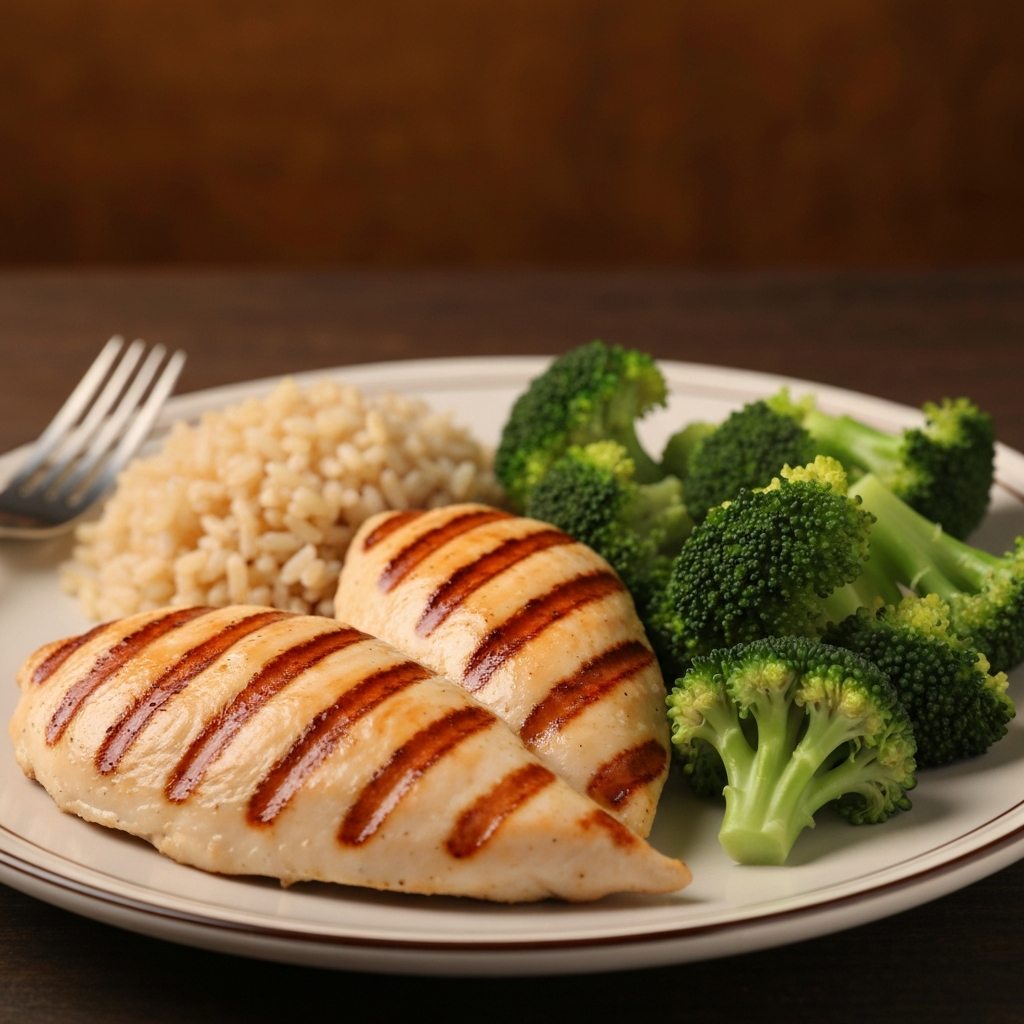
Nutrition plays a critical role in building strength and stamina. Focus on consuming a balanced diet rich in protein, complex carbohydrates, and healthy fats. Protein is essential for muscle repair and growth, while carbohydrates provide the energy needed for intense workouts. Healthy fats support hormone production and overall health. The standard, daily calorie goal for women is around 2,000 calories, while the goal for men is around 2,500. Consider tracking your macronutrient intake to ensure you're meeting your body's needs.
Step 5: Prioritize Rest and Recovery
Adequate rest and recovery are just as important as training. During rest, your body repairs muscle tissue and replenishes energy stores. Aim for at least 7-8 hours of sleep per night. Incorporate active recovery into your routine, such as light stretching or foam rolling, to improve blood flow and reduce muscle soreness. Taking 1 day to rest each week is important. Overtraining can lead to injuries and hinder your progress.

Step 6: Incorporate Strength Training
Building muscle helps you burn more calories. The human body has both fat tissue and muscle tissue—while both types burn calories, muscle tissue is much more efficient than its fat counterpart. So, the more muscle you build, the more calories you can burn when hit the pavement. Here are some easy strength-training exercises you can try:
Leg lunges: Take a large step forward with your right leg without lifting your left leg off the ground. Move your body so that your right thigh is parallel to the floor and your front knee is lined up vertically with your foot. Then, come back to the starting position. Repeat with the left leg, and do 2-4 sets of 10-15 total reps.
Pushups: Lay on the floor on your stomach with your toes touching the floor. Place your palms flat on the floor at shoulder height. Keeping your body straight, push up from the floor with your arms. Slowly lower yourself back to the floor. Do however many reps you feel comfortable with.
Planks: Lay on your stomach with your palms flat on the floor and push yourself up like you’re doing a pushup. Make sure your hands are directly below your shoulders and your body is straight. Try to hold this position for at least 10-30 seconds.

Safety Considerations
Always consult with a healthcare professional before starting any new exercise program. Listen to your body and stop if you experience pain. Proper form is crucial to prevent injuries, so consider working with a qualified trainer to learn correct techniques. Stay hydrated and avoid overtraining.
Common Mistakes to Avoid
A common mistake is increasing training volume too quickly, which can lead to overuse injuries. Aim to increase your distance a little bit each week if you want to develop long-distance endurance. Another mistake is neglecting nutrition and recovery. Remember that building strength and stamina is a holistic process that requires attention to all aspects of your health.
Pro Tips
- Vary your training to prevent plateaus.
- Use a heart rate monitor to track your intensity.
- Consider working with a coach or trainer for personalized guidance.
- Stay consistent with your training and nutrition plan.
FAQ Section
Q: How long does it take to see results?
A: Results vary depending on individual factors, but you should start noticing improvements in strength and stamina within 4-6 weeks of consistent training.
Q: How often should I train?
A: Aim for 3-5 workouts per week, depending on your experience level and goals.
Q: What if I hit a plateau?
A: Re-evaluate your training program, nutrition, and recovery strategies. Try introducing new exercises or training methods to challenge your body in different ways.
Conclusion
Hacking your body to build strength and stamina faster is achievable with the right strategies. By establishing a baseline, implementing progressive overload, mastering HIIT, optimizing nutrition, prioritizing rest and recovery, and avoiding common mistakes, you can accelerate your progress and unlock your physical potential. Remember to stay consistent, listen to your body, and enjoy the journey.