Your metabolism is the engine that drives your fitness journey. It's the set of chemical processes that occur within your body to maintain life, including the breakdown of food and its transformation into energy. Understanding and strategically influencing your metabolic rate can unlock significant gains in muscle building, fat loss, and overall energy levels. This isn't about quick fixes or unsustainable trends; it's about making informed lifestyle changes that create a lasting positive impact.
Contrary to popular belief, metabolism isn't solely determined by genetics. While genetics play a role, numerous factors, including diet, exercise, sleep, and stress, can be manipulated to optimize your metabolic function. This guide provides a comprehensive, step-by-step approach to understanding and hacking your metabolism for maximum fitness results.
Ready to take control? Let's dive in and explore the proven strategies that will help you unlock your metabolic potential and achieve your fitness goals.
-
Step 1: Calculate Your Basal Metabolic Rate (BMR)
Your Basal Metabolic Rate (BMR) is the number of calories your body burns at rest to maintain basic bodily functions. Knowing your BMR is the foundation for determining your daily caloric needs. Use an online BMR calculator or the Harris-Benedict equation to estimate your BMR. Remember, this is just an estimate. Factors like muscle mass and age can influence your actual BMR, but it's a solid starting point.

-
Step 2: Determine Your Total Daily Energy Expenditure (TDEE)
Your Total Daily Energy Expenditure (TDEE) is the number of calories you burn each day, taking into account your BMR and your activity level. Multiply your BMR by an activity factor that corresponds to your daily activity level (sedentary, lightly active, moderately active, very active, or extra active). This will give you a more accurate estimate of how many calories you need to consume to maintain your current weight.

-
Step 3: Prioritize Protein Intake
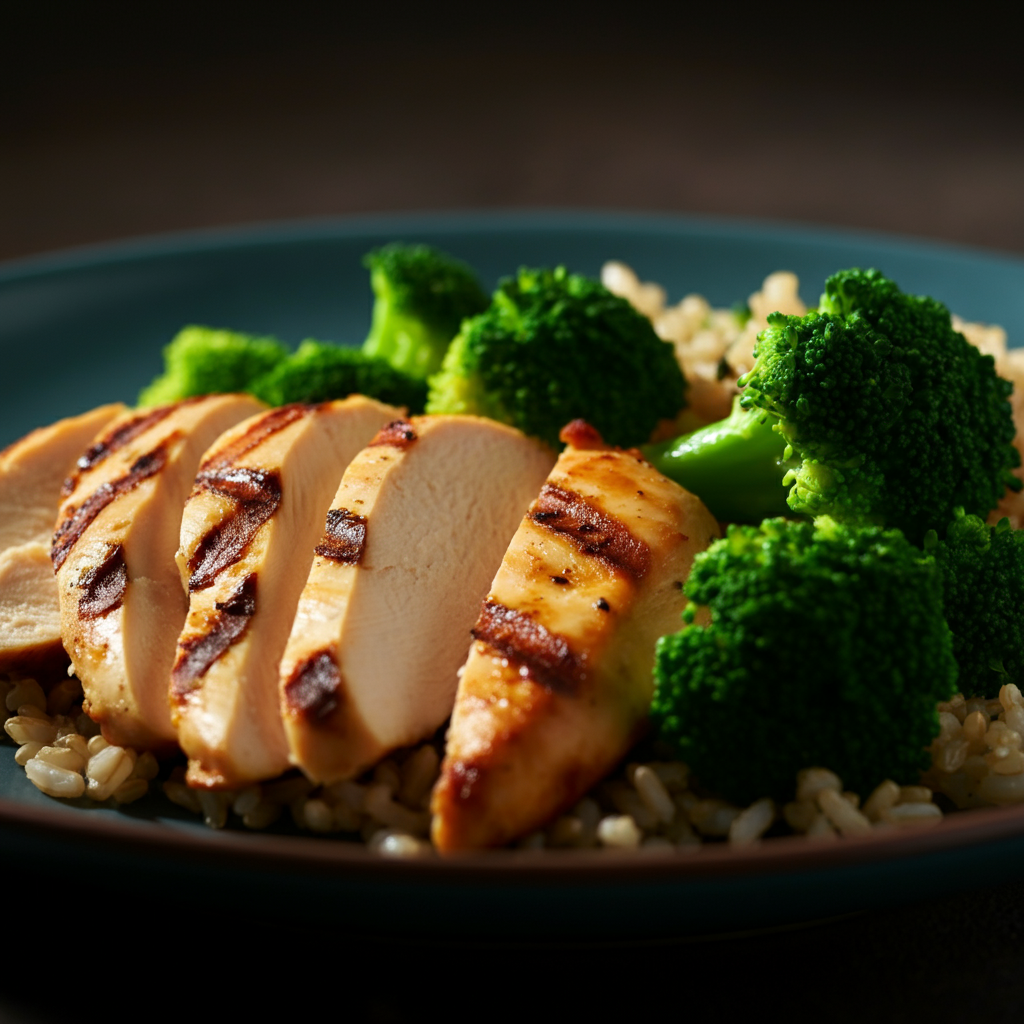
Protein is crucial for building and repairing muscle tissue, and it also has a higher thermic effect of food (TEF) than carbohydrates or fats. This means your body burns more calories digesting protein. Aim for at least 0.8 grams of protein per pound of body weight daily, especially if you are strength training. Good sources include lean meats, poultry, fish, eggs, dairy, beans, and lentils.
-
Step 4: Incorporate Strength Training
Strength training increases muscle mass, which in turn increases your BMR. Muscle tissue burns more calories at rest than fat tissue. Aim for at least 2-3 strength training sessions per week, focusing on compound exercises that work multiple muscle groups simultaneously, such as squats, deadlifts, bench press, and overhead press.

-
Step 5: Implement High-Intensity Interval Training (HIIT)
HIIT involves short bursts of intense exercise followed by brief recovery periods. It's a highly effective way to burn calories and improve cardiovascular fitness. HIIT workouts can boost your metabolism for hours after you finish exercising, thanks to the "afterburn effect" (Excess Post-exercise Oxygen Consumption or EPOC). Choose activities you enjoy, such as sprinting, cycling, or jumping jacks.

-
Step 6: Optimize Sleep Quality and Quantity
Sleep deprivation can disrupt hormones that regulate appetite and metabolism, leading to increased cravings and decreased energy expenditure. Aim for 7-9 hours of quality sleep per night. Establish a regular sleep schedule, create a relaxing bedtime routine, and ensure your bedroom is dark, quiet, and cool.

-
Step 7: Manage Stress Levels
Chronic stress can elevate cortisol levels, which can lead to increased fat storage, particularly around the abdomen. Incorporate stress-reducing activities into your daily routine, such as meditation, yoga, spending time in nature, or engaging in hobbies you enjoy. Prioritize self-care and learn healthy coping mechanisms for managing stress.

-
Step 8: Stay Hydrated
Water is essential for many metabolic processes, including nutrient transport and waste removal. Dehydration can slow down your metabolism. Aim to drink at least half your body weight in ounces of water per day. Water also helps you feel full, which can aid in weight management. Carry a water bottle with you and sip on it throughout the day.

Tools or Materials Required
- Online BMR calculator
- Food scale
- Measuring cups and spoons
- Gym membership or access to home workout equipment
- Water bottle
Common Mistakes to Avoid
- Drastically cutting calories: This can slow down your metabolism.
- Neglecting strength training: Muscle mass is crucial for a healthy metabolism.
- Not getting enough sleep: Sleep deprivation can disrupt hormone balance.
- Ignoring stress: Chronic stress can negatively impact metabolism.
- Underestimating calorie intake: Track your food intake accurately.
FAQ Section
- Q: Will these strategies work for everyone?
- A: While these strategies are generally effective, individual results may vary depending on factors such as genetics, age, and existing health conditions. Consult with a healthcare professional or registered dietitian for personalized advice.
- Q: How long will it take to see results?
- A: It depends on your starting point and consistency. You may start to see improvements in energy levels and mood within a few weeks. Noticeable changes in body composition may take several months.
- Q: Is it possible to significantly increase my metabolism?
- A: While you can't drastically alter your metabolism overnight, you can make significant improvements through consistent lifestyle changes. Building muscle mass, optimizing sleep, and managing stress are all key factors.
In conclusion, hacking your metabolism for maximum fitness gains requires a holistic approach that encompasses diet, exercise, sleep, and stress management. By implementing the strategies outlined in this guide, you can optimize your metabolic function, unlock your fitness potential, and achieve lasting results. Remember, consistency is key. Make sustainable lifestyle changes that you can maintain long-term, and you'll be well on your way to a healthier, fitter you.