Creating a happy home environment isn't just about aesthetics; it's about intentionally designing spaces and routines that foster connection, reduce stress, and encourage well-being for every family member. It's about creating a sanctuary where everyone feels supported, loved, and inspired. Think of your home as a living organism, constantly evolving with the needs of your family.
This guide provides practical, actionable steps to transform your house into a hub of happiness. We'll delve into optimizing spaces, streamlining routines, and cultivating a positive atmosphere. These aren't quick fixes, but sustainable changes that will reap long-term benefits for your family's overall well-being. It's important to remember that these hacks should adapt to your family's lifestyle, culture and values; do not be afraid to personalize these tips.
Ready to embark on this journey? Let's get started, one room at a time, one habit at a time. We will create a space that not only looks good, but also *feels* good, radiating warmth and creating lasting memories.
Step 1: The Foundation: Master Your Bed, Master Your Day
It might sound simple, but making your bed every morning is a cornerstone habit for a happy home. A made bed instantly creates a sense of order and accomplishment, setting a positive tone for the entire day. It's a small victory that can ripple outwards, inspiring you to tackle other tasks and create a more organized and peaceful environment. Plus, returning to a tidy bedroom at the end of the day can significantly reduce stress and improve sleep quality.

Step 2: Cultivate a "Command Center" for Family Organization
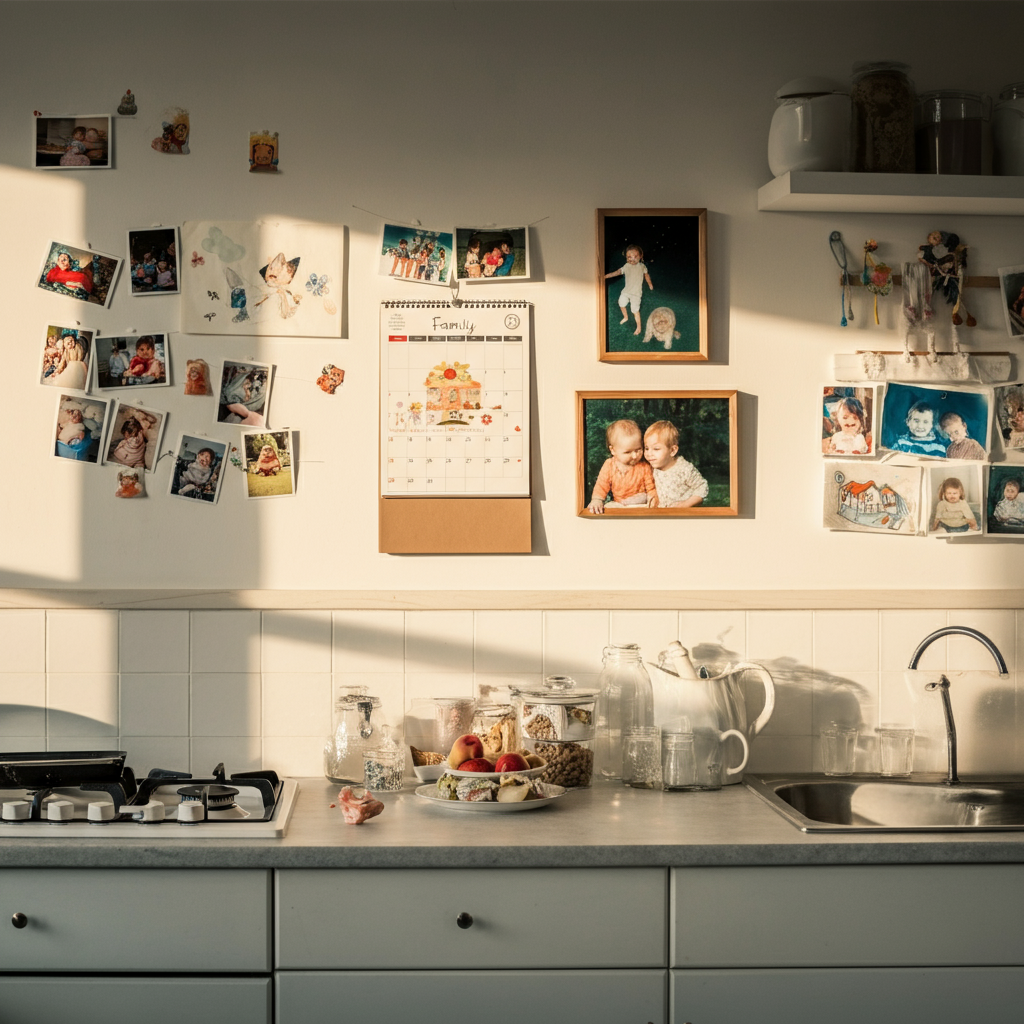
Establish a central, highly visible "command center" in your home. This could be a wall-mounted calendar, a whiteboard, or even a dedicated section of your kitchen counter. The purpose is to consolidate important information like schedules, appointments, chores, and family goals into one easily accessible location. This reduces chaos, minimizes missed appointments, and promotes a sense of shared responsibility. Ensure everyone knows how to access it and actively contributes to its upkeep.
Step 3: Declutter Ruthlessly, Regularly
Clutter is a happiness thief. It contributes to stress, overwhelms the senses, and makes it harder to find joy in your surroundings. Implement a regular decluttering routine – even 15 minutes a day can make a significant difference. Focus on one area at a time (a drawer, a shelf, a corner of a room) and ask yourself if each item truly adds value or joy to your life. Donate, sell, or discard anything that doesn't meet that criteria. A clutter-free home is a more peaceful and restorative home.

Step 4: Infuse Your Home with Sensory Delights
Engage your senses to create a more inviting and uplifting atmosphere. Introduce natural light whenever possible, open windows to circulate fresh air, and incorporate plants to bring the outdoors in. Consider using essential oil diffusers with calming scents like lavender or chamomile to reduce stress and promote relaxation. Play uplifting music, display artwork that inspires you, and use soft, comfortable textiles to create a sensory-rich environment.

Step 5: Create Dedicated "Connection Zones"
Designate specific areas in your home for family connection. This could be a cozy reading nook with comfortable seating, a game table for board games, or a backyard fire pit for evening conversations. The key is to create spaces that naturally encourage interaction and quality time together. Minimize distractions in these areas (e.g., no screens) and make them inviting and comfortable for everyone.

Step 6: Prioritize Sleep Hygiene
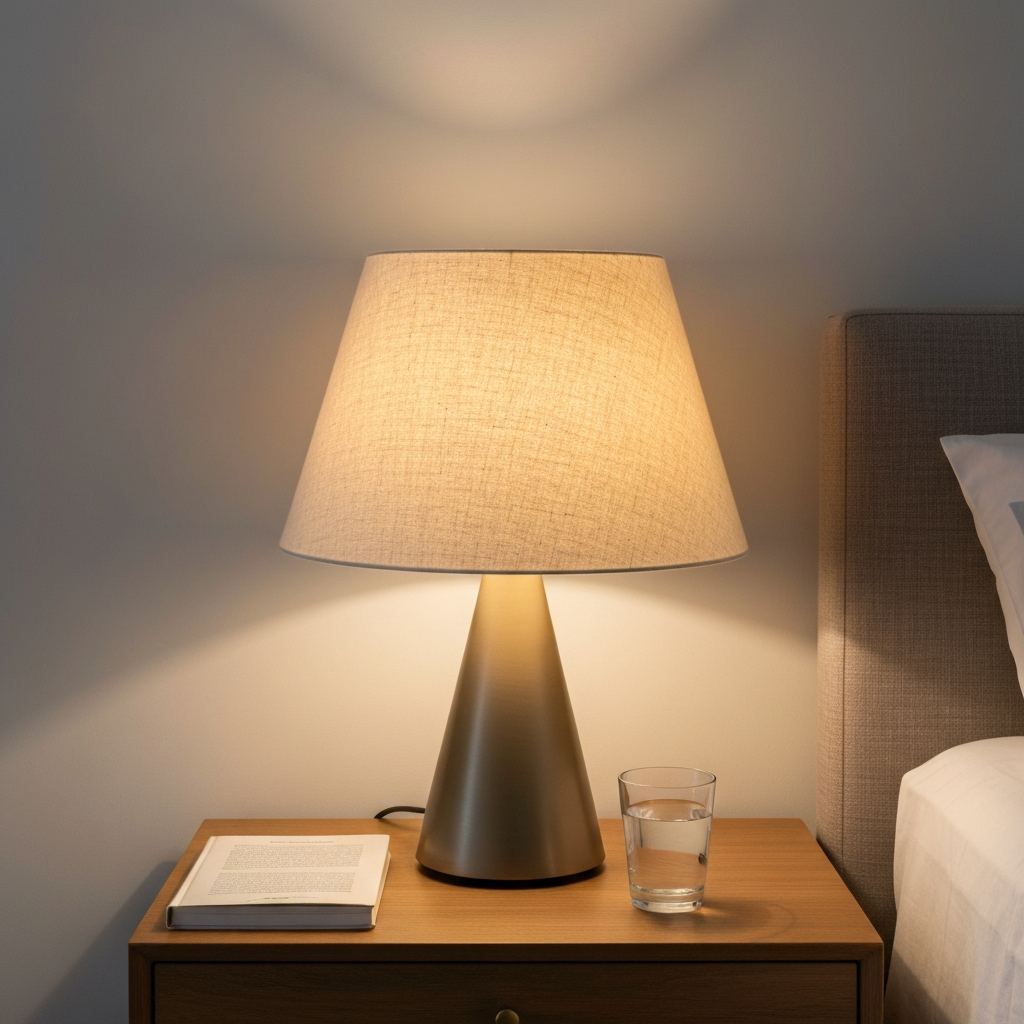
Quality sleep is crucial for overall well-being and a happy home environment. Establish consistent bedtime routines for everyone in the family, including adults. Create a sleep-conducive environment in each bedroom by ensuring it's dark, quiet, and cool. Limit screen time before bed, avoid caffeine in the evening, and consider using white noise or calming music to promote relaxation. Well-rested family members are generally happier and more resilient.
Step 7: Optimize Your Bedroom: The Bedding Factor
Now that you are committed to sleep hygeine, it's time to optimize the bed. This is where a professional look is a gamechanger. Start by putting the fitted sheet on and smooth out any wrinkles. Then, add the top sheet over the fitted sheet. If you want your bed to look as neat and luxurious as a hotel bed, make hospital corners with the top sheet. You can do this by neatly tucking the end of the top sheet between the mattress and box spring. On one side of your bed, grab the top sheet about 16 inches (40 centimeters) away from the foot of the bed. Fold it up over the top of the bed so it makes a 45-degree angle with the corner of the mattress, then tuck in the sheet along the side of the bed. Finish by folding the part of the sheet you’re holding back down and tucking it between the mattress and box spring. Repeat this process on the other side. If you're in a hurry, skip the hospital corners and simply tuck the top sheet under the mattress. Next, put your pillows in fresh pillowcases and place them at the head of the bed. Finish by draping your comforter evenly over the bed.

Tools or Materials Required
- Cleaning supplies (for decluttering)
- Storage containers (bins, baskets, etc.)
- Essential oil diffuser and essential oils
- Comfortable seating and textiles
- Organizational tools (calendar, whiteboard, etc.)
- Bed linens (sheets, pillowcases, duvet)
Common Mistakes to Avoid
- Trying to implement too many changes at once. Start small and gradually introduce new habits.
- Ignoring the needs and preferences of individual family members.
- Focusing solely on aesthetics without addressing functional issues.
- Not involving the entire family in the process.
- Giving up too easily when faced with challenges.
FAQ Section
- How often should I declutter?
- Aim for at least a weekly mini-declutter and a more thorough declutter every few months.
- What if my family resists these changes?
- Involve them in the decision-making process and emphasize the benefits for everyone.
- How can I make these changes sustainable?
- Create routines, set realistic expectations, and be patient with yourselves.
Creating a happy home is an ongoing journey, not a destination. By implementing these hacks and continuously adapting them to your family's evolving needs, you can cultivate a space that fosters connection, reduces stress, and promotes well-being for everyone. Remember to celebrate small victories, be patient with the process, and enjoy the journey together. The most important ingredient for a happy home is love, connection, and shared experiences.