In our hyper-connected world, the constant barrage of notifications, emails, and social media updates can leave us feeling overwhelmed and stressed. The desire to disconnect is natural, but the thought of deleting accounts or completely abandoning our digital lives can be daunting. The good news is that you can achieve a digital detox without resorting to such drastic measures. A digital detox is not about complete abstinence but about creating a healthier, more balanced relationship with technology.
This guide will walk you through a step-by-step approach to reclaiming your time and attention. We'll explore practical strategies to minimize distractions, set boundaries, and cultivate mindful technology use. This is about intentionality – making conscious choices about how, when, and why you engage with your devices. By the end of this guide, you’ll have a personalized plan for a sustainable digital detox that enhances your well-being without sacrificing the benefits of technology.
Remember, the aim is to find a comfortable balance— one that allows you to reap the rewards of digital tools while protecting your mental and emotional space. This isn't a one-size-fits-all solution; adapt these steps to your unique needs and lifestyle.
Step 1: Audit Your Digital Habits
Before you can implement effective changes, you need to understand your current digital habits. This involves taking a closer look at how much time you spend online, what apps and websites consume most of your attention, and the triggers that lead to excessive technology use. Honesty is crucial here. Tools built into your phone can help.
Consider using screen time tracking apps or simply observing your behavior for a few days. Jot down the times you instinctively reach for your phone, the apps you open first, and the emotions you experience while using different platforms. Identify patterns of mindless scrolling, notification chasing, or anxiety-driven checking. Recognizing these patterns is the first step toward breaking them. Don’t just look at quantity – consider the quality. Are you using technology to connect with loved ones or to escape from uncomfortable feelings?

Step 2: Prioritize Your Apps and Notifications
Once you've identified your digital pain points, it's time to curate your app collection and manage your notifications. Ask yourself: Which apps genuinely enhance my life? Which ones are simply time-wasters or sources of stress? Be ruthless in your assessment. Delete any apps that don't serve a clear purpose or that contribute to negative feelings.
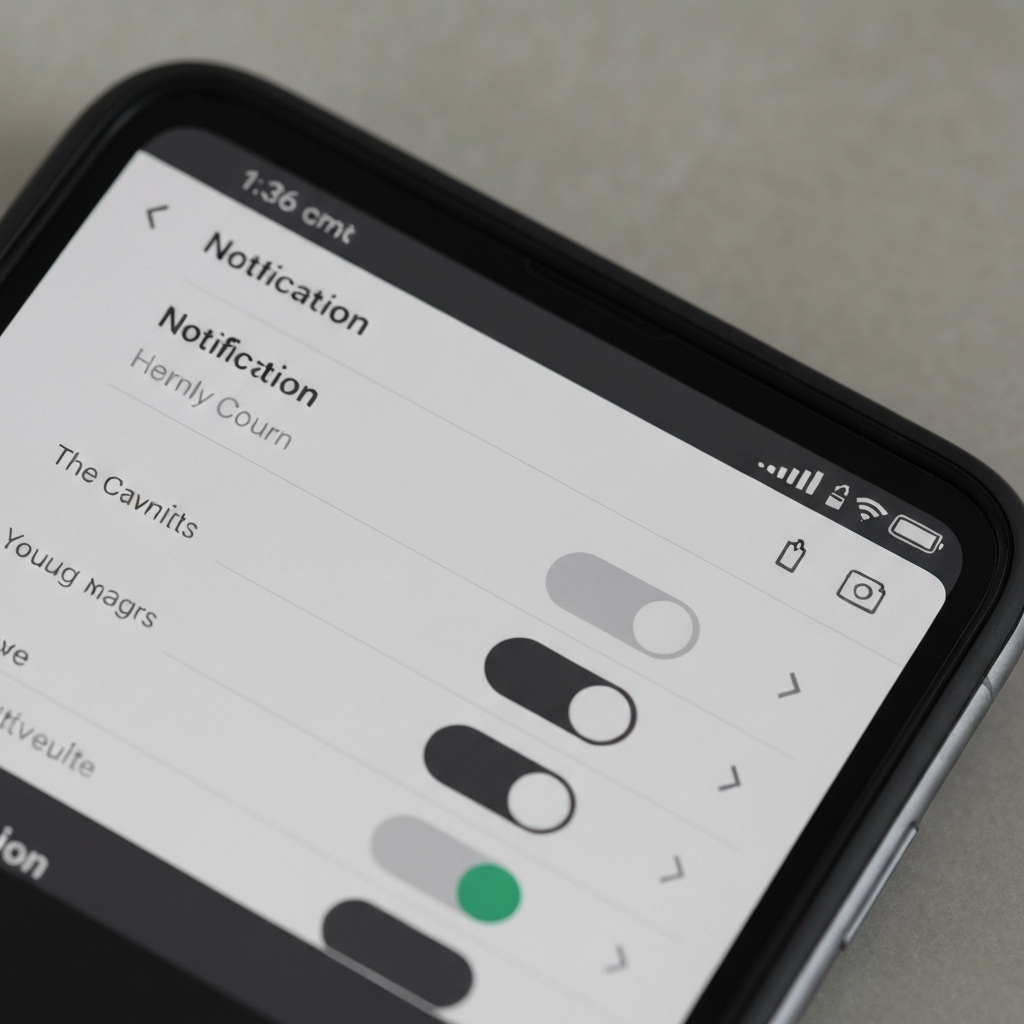
Next, take control of your notifications. Turn off all non-essential notifications, especially those from social media apps, games, and news outlets. For apps that you deem important (e.g., messaging apps for close contacts), customize your notification settings. Choose silent notifications or specific sound alerts for important contacts. The goal is to minimize interruptions and regain control over your attention. Consider batching your notification checks to designated times rather than constantly reacting to every buzz and ping.
Step 3: Designate Tech-Free Zones and Times
Establish specific zones and times where technology is off-limits. This could include your bedroom, dining table, or during family meals. Creating tech-free zones allows you to disconnect from the digital world and fully immerse yourself in your physical surroundings. Similarly, designate specific times for digital detox, such as the first hour after waking up or the last hour before bed.
Communicate these boundaries to your family and friends. Let them know when you'll be unavailable and encourage them to respect your need for disconnection. Consistency is key to making this habit stick. Prepare for initial resistance – it takes time to break ingrained patterns. Find alternative activities to fill the void, such as reading, spending time in nature, or engaging in hobbies. Remember to start small – it's okay to limit just your social media accounts.

Step 4: Practice Mindful Technology Use
Mindful technology use involves being present and intentional with your digital interactions. Before reaching for your phone or opening an app, pause and ask yourself: Why am I doing this? What am I hoping to achieve? Am I acting out of habit or a genuine need? This simple question can help you become more aware of your motivations and prevent mindless scrolling.
When you do engage with technology, focus your attention fully on the task at hand. Avoid multitasking or getting sidetracked by other apps or websites. Set a timer for a specific amount of time and commit to staying focused on your intended activity. Cultivate a sense of curiosity and engagement with the present moment, rather than constantly seeking stimulation from the digital world. Explore apps designed for meditation and mindfulness to help ground your awareness. Even better, try using your technology in ways that provide positive enrichment such as listening to audio books or podcasts.

Step 5: Find Analog Alternatives
Re-discover the joys of analog activities. Engage in hobbies that don't involve screens, such as reading physical books, writing in a journal, painting, playing a musical instrument, or spending time outdoors. These activities can provide a sense of relaxation, creativity, and fulfillment that the digital world often fails to deliver.
Make a conscious effort to incorporate analog alternatives into your daily routine. Instead of reaching for your phone when you're bored, pick up a book or go for a walk. Schedule dedicated time for analog activities and treat them as important appointments. Experiment with different hobbies to find what resonates with you. Consider a digital calendar for these offline moments so that you treat them as important as anything else.
Step 6: Cultivate Real-Life Connections
Technology can be a powerful tool for connecting with others, but it shouldn't replace real-life interactions. Make a conscious effort to spend quality time with your loved ones, engage in meaningful conversations, and participate in social activities that don't revolve around screens. Nurturing your real-life relationships can provide a sense of belonging, support, and emotional fulfillment that is often lacking in the digital world.
Schedule regular get-togethers with friends and family. Put your phones away during these interactions and focus on being present with each other. Look for opportunities to volunteer in your community or join a club or group that aligns with your interests. Remember the data that shows that your kids will be more likely to open up about internet safety if they are comfortable coming to you for hard topics.

Pro Tips
- Use website blockers: Tools like Freedom or Cold Turkey can block distracting websites during specific times.
- Try grayscale mode: Switching your phone to grayscale can make it less visually appealing, reducing the urge to scroll.
- Schedule "worry time": If you find yourself constantly checking the news or social media out of anxiety, designate a specific time each day for this activity and avoid it at other times.
- Embrace boredom: Allow yourself to experience moments of boredom. It can spark creativity and lead to more fulfilling activities.
FAQ Section
- What if I need to use certain apps for work or communication?
- Prioritize and manage. Set specific times for checking work-related apps and turn off notifications outside of those times.
- How long should a digital detox last?
- There's no set duration. Start with a weekend or a few hours each day and adjust based on your needs and preferences.
- Is it okay to use technology for relaxation or entertainment?
- Yes, but be mindful of how you're using it. Choose activities that genuinely rejuvenate you rather than simply numbing your mind.
Conclusion
A digital detox isn't about abandoning technology altogether. It's about creating a healthier, more intentional relationship with your devices. By auditing your habits, managing notifications, designating tech-free zones, practicing mindful use, finding analog alternatives, and cultivating real-life connections, you can reclaim your time and attention and enhance your overall well-being. Remember that small, consistent changes can lead to significant improvements. Start today, and discover the benefits of a more balanced digital life.