Finding your signature scent is a deeply personal journey, a quest to capture your essence in a bottle. It's more than just picking a fragrance; it's about selecting an olfactory representation of yourself, a scent that resonates with your personality and evokes the emotions you wish to project. A signature scent is a powerful tool, leaving a lasting impression and becoming intrinsically linked to your presence.
This guide will lead you through the process of discovering your perfect fragrance, offering practical advice and expert insights to help you navigate the often-overwhelming world of perfumes. We'll explore fragrance families, identify your preferences, and provide tips for testing and wearing your chosen scent with confidence. Get ready to embark on a sensory adventure and unlock the power of personal fragrance.
Ultimately, your signature scent should be a reflection of you. It should feel authentic, comfortable, and empowering. Don't be afraid to experiment and trust your instincts—the perfect fragrance is waiting to be discovered.
Step 1: Understand Fragrance Families
Before diving into the vast selection of perfumes, it's essential to familiarize yourself with the primary fragrance families. These families categorize scents based on their dominant characteristics, providing a foundation for understanding different fragrance profiles. The main categories include floral, oriental (also known as amber), woody, and fresh. Floral fragrances are often sweet and romantic, featuring notes like rose, jasmine, and lily. Oriental scents are warm and spicy, with ingredients such as amber, vanilla, and cinnamon. Woody fragrances are earthy and grounding, incorporating notes like sandalwood, cedarwood, and vetiver. Fresh scents are clean and invigorating, often featuring citrus, aquatic, or green notes. Understanding these categories is the first step in narrowing down your preferences. Many fragrances are blends of several families which are called accords.
Step 2: Identify Your Scent Preferences
Once you understand the fragrance families, it's time to explore your personal preferences. Think about the scents you naturally gravitate towards in your everyday life. Do you enjoy the aroma of fresh flowers, the earthy smell of a forest, the zesty scent of citrus fruits, or the comforting warmth of vanilla? Consider the types of food you enjoy, the candles you burn, and even the cleaning products you prefer. These preferences can provide valuable clues about the types of fragrances you might enjoy wearing. Also, consider the season. Lighter, fresher scents are often preferred in warmer months, while richer, warmer scents are more suitable for cooler weather. Keep a fragrance journal to jot down these thoughts and note which perfumes you find appealing during your initial explorations.

Step 3: Test, Test, Test!
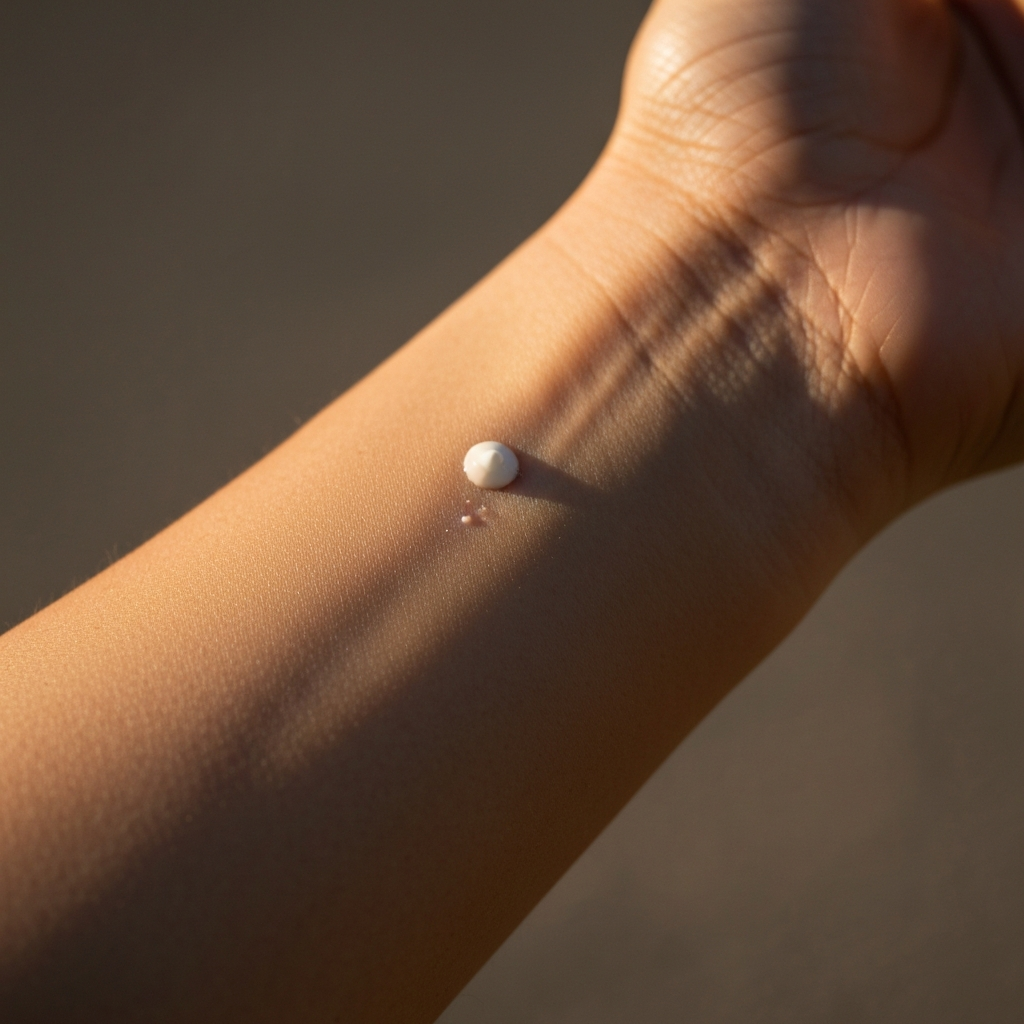
Never commit to a fragrance without testing it on your skin. Perfume smells different on everyone due to individual body chemistry. The pH level of your skin, your diet, and even your stress levels can affect how a fragrance develops and lasts. Start by spraying a small amount on your pulse points, such as your wrists and neck. Avoid rubbing the fragrance, as this can break down the molecules and alter the scent. Allow the fragrance to develop over several hours, paying attention to how it changes from the initial top notes to the middle notes (the heart of the fragrance) and the base notes (the long-lasting foundation). Consider going to a department store and asking for blotter strips to test the initial impression of many different fragrances, before narrowing it down to testing only a few on your skin.
Step 4: Consider the Occasion and Your Lifestyle
Think about the occasions you'll be wearing your signature scent. Is it for everyday wear, special events, or a specific work environment? A light, subtle fragrance might be ideal for the office, while a bolder, more sophisticated scent could be perfect for evening events. Also, consider your lifestyle. If you're an active person, a fresh and sporty fragrance might be a good choice. If you prefer a more relaxed and bohemian style, an earthy or floral scent could be more fitting. Consider how the fragrance will interact with your other scented products, such as lotion, hairspray, and deodorant. You want your scents to complement each other, not clash.

Step 5: Don't Be Afraid to Layer
Layering fragrances is a technique that involves combining different scents to create a unique and personalized aroma. Start with a base of lotion or body oil in a complementary scent, and then layer your perfume on top. Experiment with combining different fragrances from the same family or from contrasting families to create a scent that is truly your own. Start with lighter scents and gradually add heavier ones to avoid overpowering your senses or those around you. Perfume oils and balms are excellent for layering as they tend to be more subtle.
Step 6: Longevity and Projection: Understanding Perfume Concentrations
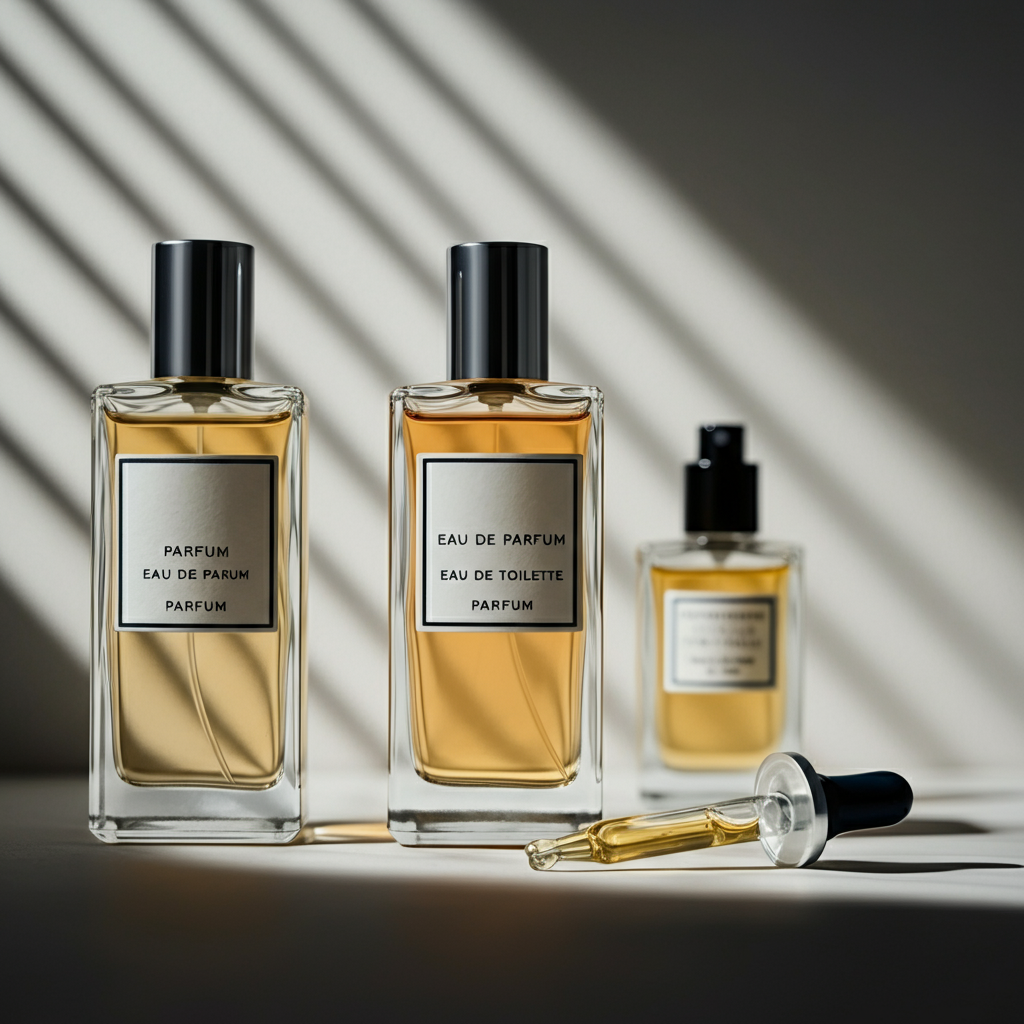
Perfumes come in various concentrations, which affect their longevity and projection (how far the scent travels). Parfum (also known as extrait de parfum) has the highest concentration of fragrance oils (20-30%), followed by Eau de Parfum (15-20%), Eau de Toilette (5-15%), and Eau de Cologne (2-4%). Parfums and Eau de Parfums tend to last the longest and have the strongest projection, while Eau de Toilettes and Eau de Colognes are lighter and more suitable for everyday wear. Consider the concentration when choosing your signature scent, as it will impact how often you need to reapply and how noticeable the fragrance will be to others.
FAQ Section
Q: How often should I reapply my fragrance?
A: It depends on the concentration of your fragrance and your skin type. Eau de Toilettes may need to be reapplied every 3-4 hours, while Eau de Parfums can last for 6-8 hours or more. Dry skin tends to absorb fragrance more quickly, so you may need to reapply more frequently if you have dry skin.
Q: How should I store my fragrance?
A: Store your fragrance in a cool, dark place away from direct sunlight and heat. These elements can break down the fragrance molecules and alter the scent. The original box is often the best place to store your perfume.
Q: Can I wear different fragrances for different occasions?
A: Absolutely! While having a signature scent is wonderful, it's perfectly acceptable to have a small collection of fragrances for different occasions or moods. Feel free to experiment and explore different scents.
Pro Tips
- Spray fragrance on your hair for longer-lasting scent. However, be mindful of alcohol content, as it can dry out your hair. Consider a hair-specific fragrance mist.
- Apply unscented lotion before applying fragrance to help it last longer.
- Don't spray fragrance directly onto clothing, as it can stain delicate fabrics.
Conclusion
Curating your signature scent is a personal and rewarding experience. By understanding fragrance families, identifying your preferences, and experimenting with different scents, you can discover a fragrance that truly represents you. Remember to test fragrances on your skin, consider the occasion and your lifestyle, and don't be afraid to layer scents. With patience and exploration, you'll find the perfect fragrance to leave a lasting impression and become an integral part of your identity.