In today's fast-paced world, our homes and gardens often become repositories for excess, leading to cluttered spaces and stressed minds. Clutter isn't just about physical items; it's about the mental burden they create. A disorganized environment can contribute to anxiety, decreased productivity, and a general feeling of unease.
This handbook provides a comprehensive guide to decluttering and organizing your home and garden, transforming them into havens of peace and tranquility. We'll explore practical strategies, mindful approaches, and sustainable habits to help you create spaces that nurture your well-being.
From tackling overflowing closets to taming unruly gardens, we'll break down the process into manageable steps, empowering you to reclaim your space and cultivate a sense of calm and control. Get ready to embark on a journey toward a more harmonious and fulfilling lifestyle.
Let's begin the process of transforming your chaos into calm.
Step 1: The Mindful Assessment
Understanding Your Clutter Triggers
Before diving into the physical act of decluttering, it's essential to understand the root causes of your clutter. What are the emotional or behavioral triggers that lead you to accumulate items you don't need or use? Are you prone to impulse buying? Do you struggle with letting go of sentimental objects? Identifying these patterns is crucial for preventing future clutter buildup. Reflect on your shopping habits, your attachment to possessions, and any underlying anxieties related to scarcity or waste.

Step 2: The KonMari Method - A Modified Approach
Sparking Joy and Releasing with Gratitude
While the KonMari Method emphasizes keeping only items that "spark joy," a more practical approach may be needed for some. Consider not only joy, but also utility and necessity. Holding each item, ask yourself: "Does this item bring me joy or serve a useful purpose in my life?" If the answer is no to both, it's likely time to let it go. Express gratitude for the item's past service before donating, selling, or responsibly discarding it. This helps ease the emotional attachment and promotes a more positive decluttering experience.

Step 3: Room-by-Room Domination
Prioritize and Conquer One Space at a Time
Avoid feeling overwhelmed by tackling your entire home at once. Instead, break the process down into smaller, more manageable tasks by focusing on one room at a time. Start with the easiest room, perhaps a guest bedroom or a less-used area, to build momentum and confidence. Within each room, divide the work into smaller zones: a closet, a drawer, a shelf. Completing these smaller tasks provides a sense of accomplishment and keeps you motivated throughout the decluttering journey.

Step 4: The Power of the "One In, One Out" Rule
Preventing Future Clutter Buildup
Once you've successfully decluttered a space, it's crucial to implement strategies to prevent future clutter buildup. The "one in, one out" rule is a simple yet effective method. For every new item you bring into your home, commit to getting rid of a similar item. For example, if you buy a new shirt, donate an old one. This helps maintain a balance and prevents your home from becoming cluttered again. It also forces you to be more mindful of your purchases.

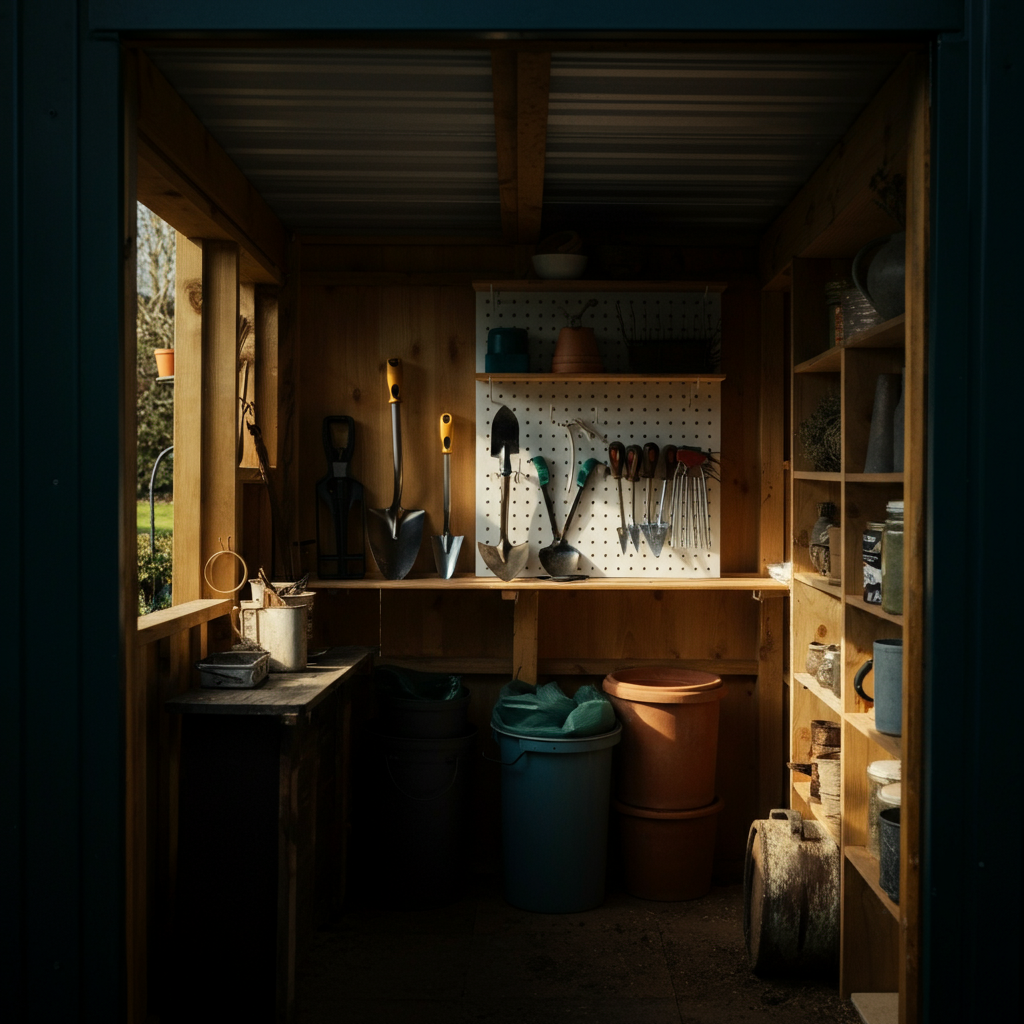
Step 5: Organizing Your Garden Shed & Tools
Efficient Storage for Green Thumbs
The garden shed often becomes a dumping ground for tools, pots, and gardening supplies. Take inventory of your tools and discard any broken or unused items. Use wall-mounted racks, pegboards, and shelving to organize tools and keep them easily accessible. Group similar items together, such as hand tools, fertilizers, and watering equipment. Consider installing a small workbench for potting and other gardening tasks. This will make your gardening endeavors much more enjoyable.
Step 6: Composting and Minimizing Garden Waste
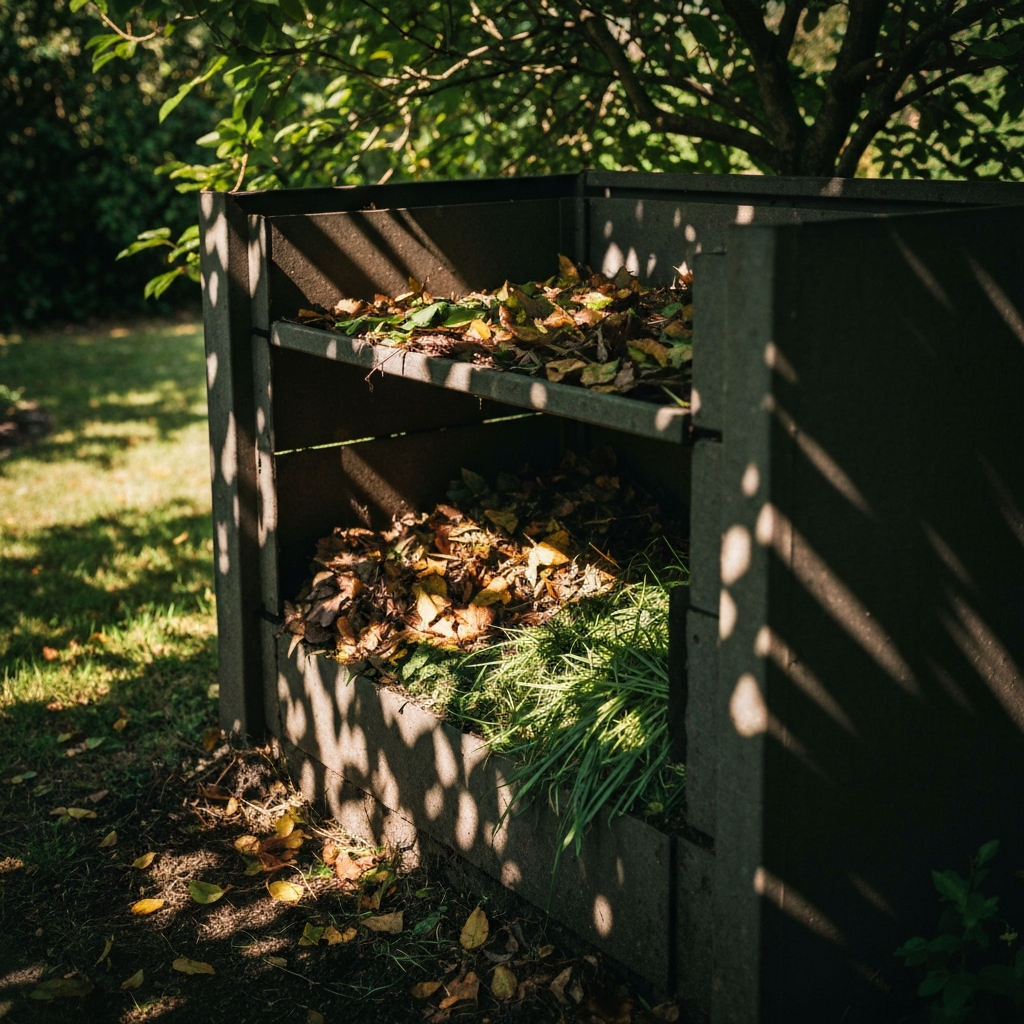
Turning Waste into Resource
One of the best ways to declutter your garden is to reduce waste by composting. Composting transforms garden waste, such as leaves, grass clippings, and vegetable scraps, into nutrient-rich soil for your plants. This not only reduces waste but also improves soil health. Choose a composting method that suits your space and lifestyle, whether it's a traditional compost bin or a tumbler. Be sure to follow proper composting guidelines to avoid odors and pests.
Step 7: Establishing a Maintenance Routine
Regular Decluttering for Lasting Calm
Decluttering is not a one-time event; it's an ongoing process. Establish a regular maintenance routine to prevent clutter from accumulating again. Schedule short decluttering sessions each week or month to tackle specific areas. This could involve tidying up your desk, cleaning out your refrigerator, or weeding your garden. By making decluttering a regular habit, you can maintain a clutter-free and harmonious living environment.

Tools or Materials Required
- Boxes or bins for sorting
- Trash bags
- Cleaning supplies
- Labels and a marker
- Gardening gloves
- Gardening tools
- Compost bin
Common Mistakes to Avoid
- Trying to declutter everything at once
- Getting sidetracked by sentimental items
- Not having a designated place for everything
- Bringing more items into the home without getting rid of anything
- Forgetting to maintain your garden after initial decluttering
Pro Tips
- Donate or sell unwanted items promptly to avoid re-cluttering.
- Involve your family members in the decluttering process.
- Use vertical storage solutions to maximize space.
- Create a visually appealing garden design to encourage maintenance.
FAQ Section
- How often should I declutter?
- Aim for a mini-declutter session weekly and a more thorough decluttering session quarterly.
- What should I do with items I can't throw away but don't use?
- Consider donating, selling online, or storing them in a designated storage area if they have sentimental value.
- How can I motivate myself to start decluttering?
- Start with a small, easy-to-tackle area. Focus on the positive impact decluttering will have on your well-being.
Conclusion
Conquering clutter and cultivating calm is an ongoing journey, not a destination. By understanding your clutter triggers, adopting mindful decluttering practices, and establishing a regular maintenance routine, you can transform your home and garden into spaces that nurture your well-being and promote a more harmonious lifestyle. Remember that the goal is not perfection, but progress. Embrace the process, be patient with yourself, and enjoy the journey towards a more clutter-free and fulfilling life.