Is your home a constant whirlwind of activity, clutter, and noise? Do you dream of a peaceful sanctuary where your family can thrive? Many families struggle with the daily chaos of modern life, but it's absolutely possible to create a calmer, more organized home environment. It requires commitment, consistency, and a strategic approach.
This guide provides practical, actionable steps to help you regain control of your living space and cultivate a more serene atmosphere. We'll cover everything from decluttering and organization to establishing routines and fostering effective communication. Remember, creating a calm home is not about perfection, but about progress and creating a space that supports your family's well-being.
Ready to transform your home into a haven of peace and tranquility? Let's get started!
Step 1: Assess the Current State
Before you can create a calm home, you need to understand the sources of your current chaos. Take a thorough inventory of your home, room by room. Identify areas that are consistently cluttered, routines that are consistently stressful, and communication patterns that contribute to conflict. Be honest with yourself about the challenges you face. This initial assessment will provide a roadmap for your transformation.

Step 2: Declutter Ruthlessly
Clutter is a major contributor to chaos. Adopt a minimalist mindset and systematically declutter each room in your home. Start with one small area at a time – a drawer, a shelf, or a corner of a room. Use the "four-box method": keep, donate, sell, and trash. Be ruthless about getting rid of items you no longer need, use, or love. Consider the benefits of a less cluttered space: less to clean, less to organize, and less visual noise.

Step 3: Establish Clear Routines
Routines provide structure and predictability, which are essential for a calm home. Create daily and weekly routines for tasks such as meal preparation, cleaning, laundry, and bedtime. Involve your family members in creating these routines to foster a sense of ownership and cooperation. Post the routines in a visible location as a reminder and to promote consistency. For kids, visual routines with pictures can be especially helpful.

Step 4: Create Designated Zones
Assign specific areas in your home for specific activities. A designated homework area, a play area, a reading nook, and a relaxation zone can help contain the chaos and prevent clutter from spreading. Ensure each zone is equipped with the necessary supplies and storage solutions. Encourage family members to use these zones appropriately and to put things back in their designated places after use.
Step 5: Implement Effective Storage Solutions
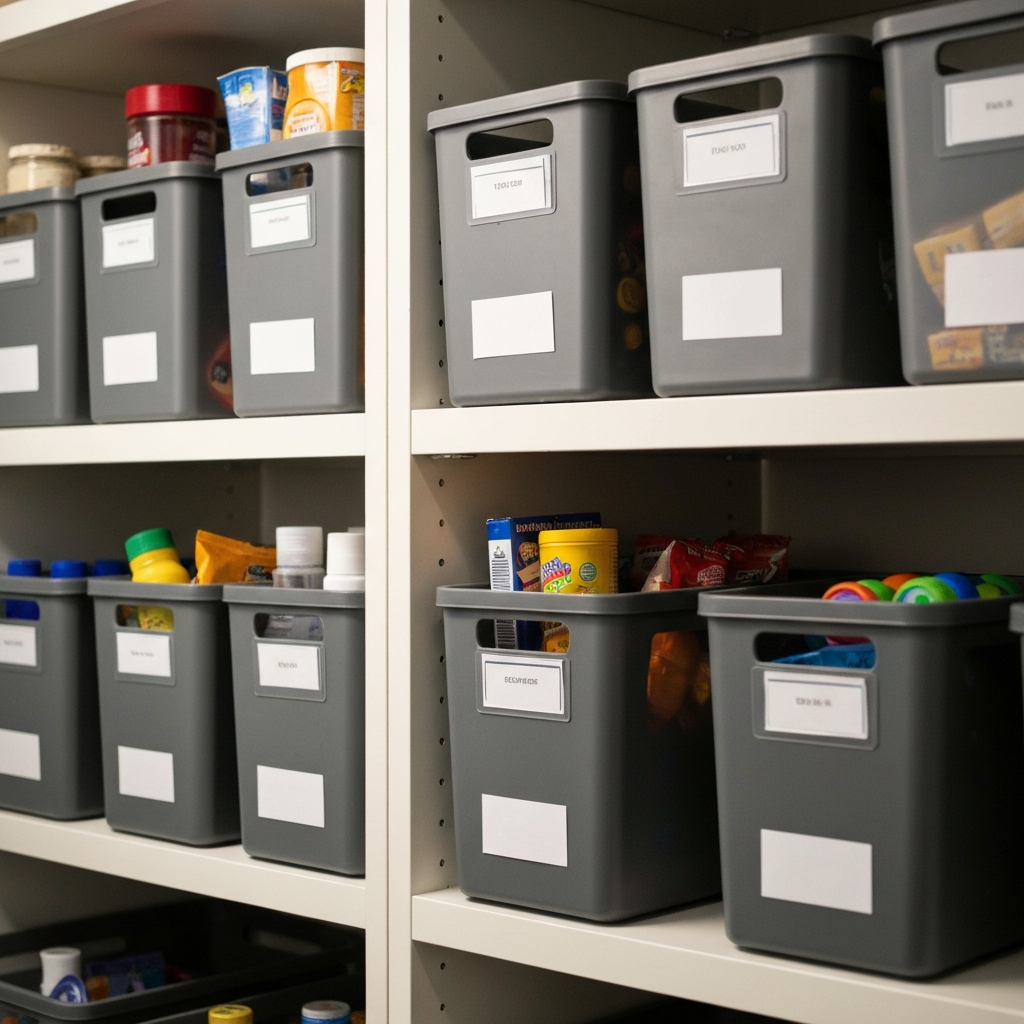
Effective storage is crucial for maintaining a clutter-free home. Invest in storage solutions that maximize your space and keep your belongings organized. Use bins, baskets, shelves, and drawers to store items neatly and out of sight. Label everything clearly so that everyone knows where things belong. Consider vertical storage options to make the most of limited space. Rotate seasonal items to keep your storage areas from becoming overcrowded.
Step 6: Master Meal Planning
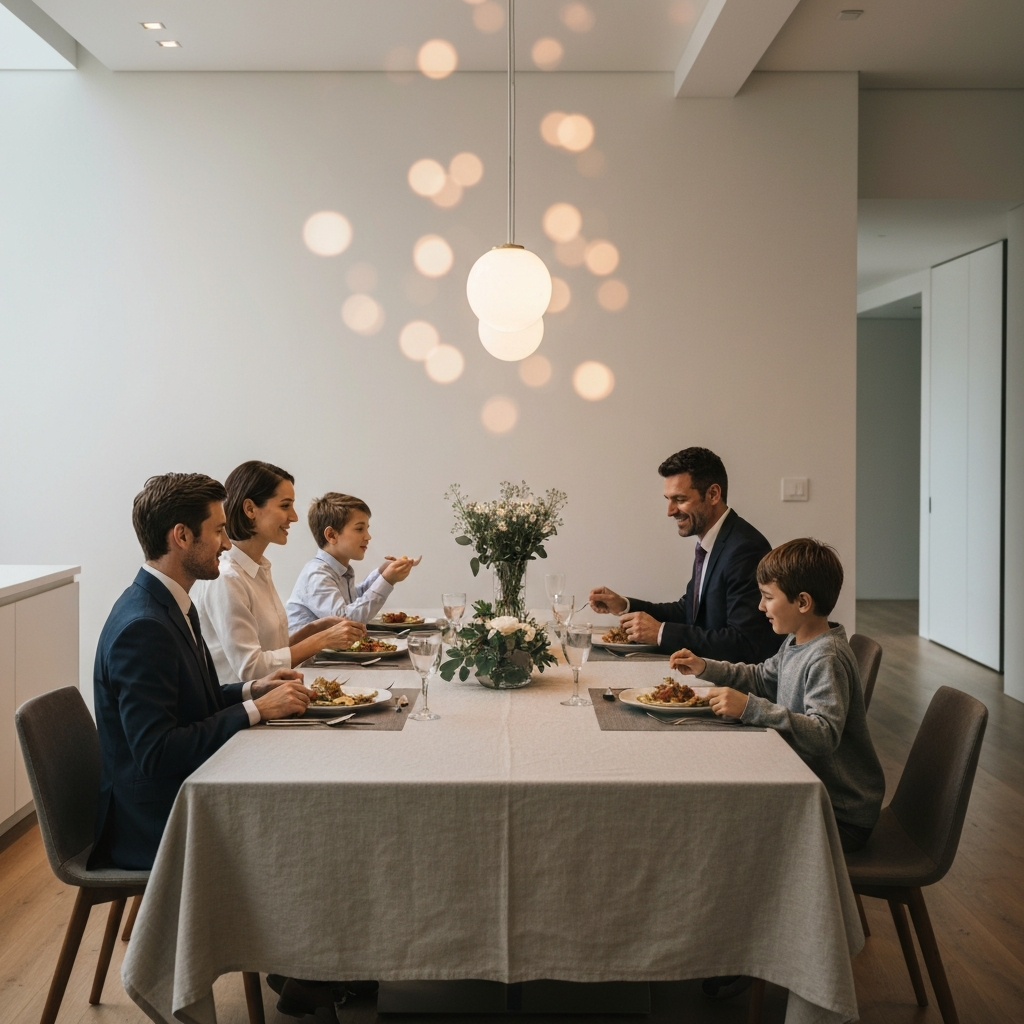
Meal planning can significantly reduce stress and chaos during mealtimes. Plan your meals for the week in advance, create a shopping list, and prepare as much as possible ahead of time. This will save you time and energy during the week and prevent last-minute scrambles. Consider involving your family members in the meal planning process to cater to their preferences and promote healthy eating habits.
Step 7: Establish Communication Norms
Clear and respectful communication is essential for a calm family environment. Establish ground rules for communication, such as active listening, respectful language, and conflict resolution strategies. Schedule regular family meetings to discuss issues, plan activities, and address concerns. Create a safe space where everyone feels comfortable expressing their thoughts and feelings.

Step 8: Practice Mindfulness and Self-Care
Creating a calm home starts with creating a calm mind. Practice mindfulness techniques such as meditation, deep breathing, or yoga to reduce stress and promote relaxation. Make time for self-care activities that nourish your mind, body, and spirit. This could include reading, taking a bath, spending time in nature, or pursuing a hobby. Prioritizing your well-being will enable you to better manage the demands of family life and create a more peaceful home environment.

Tools or Materials Required
* Storage bins and baskets * Labels and a labeling machine * Cleaning supplies * Decluttering boxes (keep, donate, sell, trash) * Whiteboard or calendar for routines and schedulesCommon Mistakes to Avoid
* Trying to do too much at once. Start small and focus on one area at a time. * Not involving your family in the process. Seek their input and cooperation. * Not having a plan for donations and discards. Ensure items leave your home quickly. * Neglecting maintenance. Regular decluttering and organization are essential for maintaining a calm home. * Forgetting to prioritize self-care. You can't pour from an empty cup.Safety Considerations
* When decluttering, be mindful of hazardous materials and dispose of them properly. * Ensure storage solutions are sturdy and secure to prevent accidents. * Store cleaning supplies out of reach of children and pets.Conclusion
Creating a calm home is an ongoing process, but the rewards are well worth the effort. By decluttering, establishing routines, implementing effective storage solutions, fostering clear communication, and prioritizing self-care, you can transform your living space into a haven of peace and tranquility. Remember to be patient with yourself and your family, celebrate small victories, and embrace the journey towards a calmer, more harmonious home life.