Family life, while often filled with joy and love, can also be a breeding ground for chaos. Between school schedules, work commitments, extracurricular activities, and the general demands of daily living, maintaining a sense of calm can feel like an impossible task. However, it is possible to create a more peaceful and harmonious home environment. The key is to implement strategies that address both the external factors contributing to the chaos and the internal factors affecting your ability to cope with stress.
This guide provides practical, actionable steps to help you regain control and cultivate calm within your family. We'll explore techniques for streamlining routines, fostering better communication, managing expectations, and creating a supportive environment where everyone feels valued and respected. It's about establishing healthy boundaries and fostering independence, so individual family members can thrive while strengthening the overall unit. Remember that progress takes time, consistency, and a willingness to adapt as your family's needs evolve.
Achieving a calm family life isn't about eliminating challenges entirely; it's about equipping yourself and your family with the tools to navigate those challenges effectively. It's about shifting from reactive to proactive, from overwhelmed to empowered. It's about creating a home where everyone feels safe, supported, and capable of contributing to a more peaceful and fulfilling life together.
Step 1: Identify the Sources of Chaos
Before you can address the chaos, you need to understand its root causes. Take some time to observe your family's daily routines and identify the specific areas where stress and disorganization are most prevalent. Are mornings particularly hectic? Are mealtimes a battleground? Is the clutter overwhelming? Identifying these pain points is the first step towards creating targeted solutions. Consider having an open family meeting to discuss these issues, allowing everyone to contribute their perspectives.

Step 2: Establish Clear and Consistent Routines
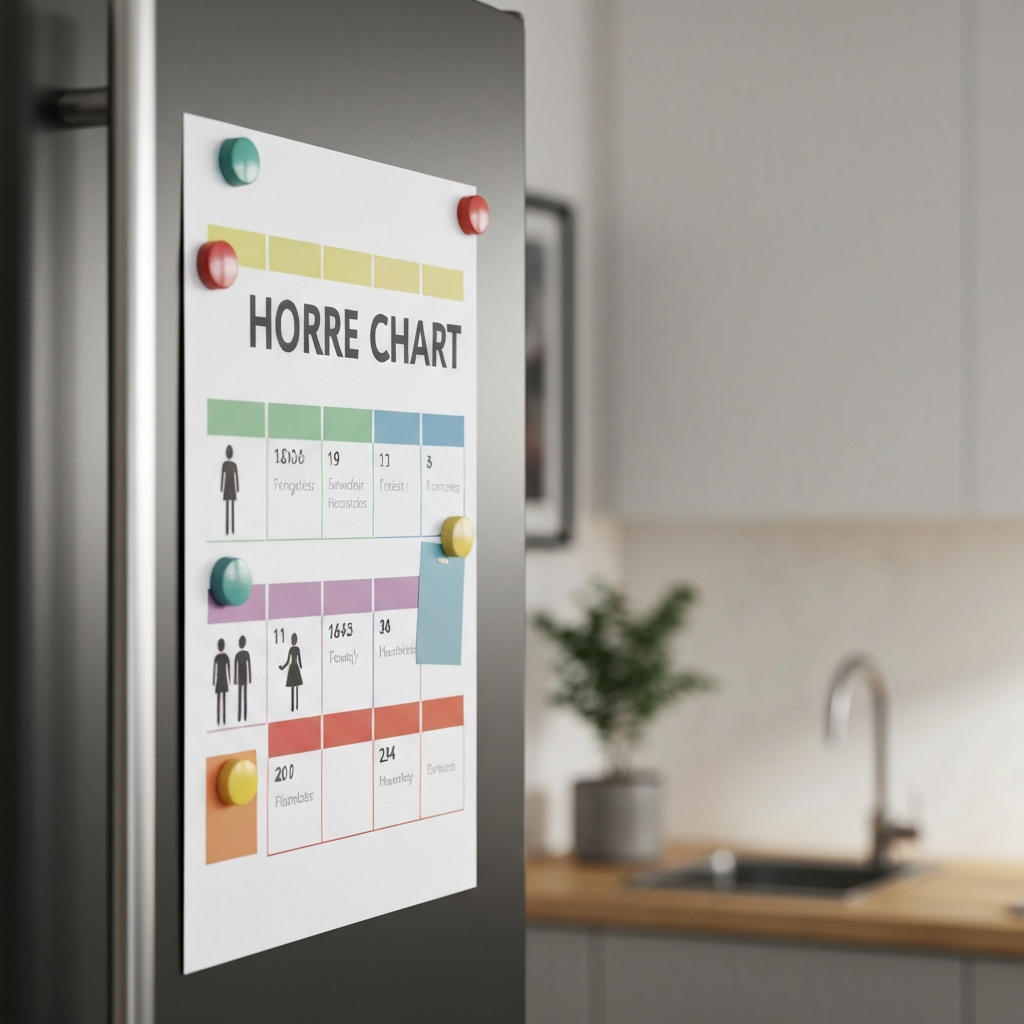
Routines provide structure and predictability, which can significantly reduce stress and anxiety for everyone in the family. Develop consistent routines for mornings, evenings, and weekends. These routines should include specific tasks, designated times, and clear expectations for each family member. Visual aids, such as chore charts or checklists, can be particularly helpful for younger children. Post these routines in a visible location and review them regularly with your family.
Practical Details: Start small and gradually introduce new elements into your routines. For example, begin with a simple morning routine that includes waking up, getting dressed, eating breakfast, and packing school bags. Once this routine is established, you can add additional tasks, such as making beds or doing a quick tidy-up. Make sure the routines are age appropriate. A toddler’s morning routine will look very different from a teenager’s.
Step 3: Simplify Your Schedules and Activities
Over-scheduling is a common culprit of family chaos. It's tempting to enroll children in numerous activities, but constantly rushing from one commitment to the next can lead to exhaustion, stress, and decreased family time. Evaluate your family's schedule and identify any activities that can be eliminated or reduced. Prioritize activities that are truly meaningful and enjoyable for everyone involved. Learn to say "no" to commitments that don't align with your family's values or contribute to its overall well-being.
Real-world Considerations: It can be difficult to cut back on activities, especially if your children are passionate about them. Involve your children in the decision-making process and explain the benefits of simplifying your schedule. Suggest alternative activities that are less time-consuming or stressful, such as playing games at home or spending time in nature. Consider also batching errands or appointments together on the same day to minimize travel time.

Step 4: Create a Designated "Calm Down" Space
Every family needs a designated space where members can retreat to de-stress and recharge. This space should be comfortable, quiet, and free from distractions. It could be a corner of a bedroom, a cozy reading nook, or even a designated area in the backyard. Equip the space with items that promote relaxation, such as soft blankets, comfortable cushions, books, calming music, or aromatherapy diffusers. Teach your family members how to use this space effectively when they feel overwhelmed or stressed.
Pro Tip: Model healthy coping mechanisms for your children by using the "calm down" space yourself when you're feeling stressed. This will demonstrate its value and encourage them to use it as well. Set guidelines for usage. For example, no electronic devices are allowed in the space, to encourage disconnection and mindfulness.

Step 5: Practice Active Listening and Empathetic Communication
Effective communication is essential for a calm and harmonious family life. Practice active listening, which involves paying attention to what others are saying, both verbally and nonverbally, and responding with empathy and understanding. Avoid interrupting, judging, or offering unsolicited advice. Instead, focus on validating their feelings and showing that you care. Create a safe space where everyone feels comfortable expressing their thoughts and emotions without fear of criticism or ridicule.
Common Mistakes to Avoid: Dismissing or minimizing someone's feelings ("Don't worry, it's not a big deal"). Giving advice before understanding the situation fully. Reacting defensively or becoming angry when someone expresses their feelings. Assuming you know what someone is thinking or feeling. Using sarcasm or passive-aggressive language.

Step 6: Delegate Responsibilities and Foster Independence
Overburdening yourself with too many responsibilities can lead to burnout and resentment. Delegate age-appropriate chores and tasks to other family members, fostering a sense of shared responsibility and independence. Even young children can contribute to household chores, such as setting the table or tidying up their toys. Clearly define each person's responsibilities and provide guidance and support as needed. Remember to offer praise and appreciation for their efforts.
Tools or Materials Required: Chore charts, checklists, age-appropriate cleaning supplies, organizational tools (bins, baskets, labels).

Step 7: Prioritize Quality Family Time
Amidst the chaos of daily life, it's crucial to prioritize quality time together as a family. Schedule regular activities that everyone enjoys, such as family dinners, game nights, movie nights, or outdoor adventures. Disconnect from technology and focus on being present in the moment. Use this time to connect, laugh, and create lasting memories. Even short bursts of focused attention can make a big difference.
Safety Considerations: When engaging in outdoor activities, ensure everyone is aware of safety precautions, such as wearing helmets when biking or using appropriate gear when hiking. Be mindful of potential hazards and take necessary steps to mitigate risks.

Step 8: Practice Mindfulness and Stress Reduction Techniques
Stress is inevitable, but learning to manage it effectively is crucial for maintaining a calm family life. Practice mindfulness techniques, such as meditation, deep breathing exercises, or yoga, to help reduce stress and improve your overall well-being. Encourage your family members to adopt these practices as well. Even a few minutes of daily mindfulness can make a significant difference. There are many apps and online resources that can guide you through these practices.

FAQ Section
Q: What if my family resists these changes?
A: Change can be challenging, so be patient and understanding. Involve your family in the decision-making process and explain the benefits of creating a calmer home environment. Start small and gradually introduce new strategies. Celebrate successes and acknowledge their efforts.
Q: How do I deal with sibling rivalry?
A: Sibling rivalry is common, but it can be managed effectively. Establish clear rules about respectful behavior and intervene promptly when conflicts arise. Encourage cooperation and empathy. Spend individual time with each child to address their unique needs and foster a strong parent-child bond.
Q: What if I'm a single parent?
A: Being a single parent can be challenging, but you can still create a calm and harmonious family life. Prioritize self-care and seek support from friends, family, or community resources. Delegate responsibilities to your children and involve them in decision-making. Focus on creating a strong parent-child bond and maintaining open communication.
Conclusion
Conquering family chaos and cultivating calm is an ongoing process that requires commitment, patience, and a willingness to adapt. By implementing the strategies outlined in this guide, you can create a more peaceful and harmonious home environment where everyone feels valued, supported, and empowered. Remember to prioritize self-care, foster open communication, and celebrate successes along the way. The goal isn't perfection, but rather progress toward a more balanced and fulfilling family life.