In our fast-paced world, it's easy for precious family memories to fade. Photos get lost on hard drives, stories are forgotten, and traditions slip away. But what if you could create a tangible, accessible repository of your family's history, values, and experiences? Building a family memory bank is about more than just archiving; it's about actively preserving and celebrating the unique story of your family for generations to come.
A well-curated family memory bank provides a powerful connection to the past, fosters a sense of belonging, and allows future generations to understand where they come from. It's a gift that grows in value with each passing year, offering comfort, inspiration, and a rich tapestry of shared experiences to draw upon. The key is to start small, be consistent, and make it a collaborative effort.
This guide will walk you through the steps of creating a lasting family memory bank, offering practical tips and creative ideas to ensure your family's legacy lives on. From physical collections to digital archives, we'll explore various methods to capture and preserve the moments that matter most.
Step 1: Define the Scope and Format
Before you start collecting memories, it's important to define the scope and format of your memory bank. Will it be a physical collection, a digital archive, or a combination of both? Will it focus on specific themes, such as holidays, travels, or milestones? Consider your family's preferences and the resources you have available.
Choosing a format early on will help you stay organized and focused. A physical memory bank could involve photo albums, scrapbooks, or a dedicated memory box. A digital memory bank could be a shared online folder, a private website, or even a curated social media account. Don't be afraid to experiment and find a format that works best for your family. One common mistake is trying to do too much at once; start with a manageable scope and expand over time.

Step 2: Gather Existing Materials
The next step is to gather existing materials from around the house. This includes old photos, letters, diaries, home videos, and any other items that hold sentimental value. Don't overlook seemingly insignificant items; even a ticket stub or a handwritten recipe can evoke powerful memories.
Take the time to carefully organize and label these materials. Sort photos by date or event, and transcribe handwritten notes or letters to ensure they are easily readable. For fragile items, consider scanning or photocopying them to preserve the originals. Proper preservation techniques are crucial for ensuring the longevity of your memory bank. Store physical items in acid-free containers and protect them from light, heat, and moisture.

Step 3: Capture New Memories Regularly
Building a memory bank is an ongoing process, so it's important to capture new memories regularly. This could involve taking photos and videos at family events, writing journal entries, or simply recording conversations. Make it a habit to document the everyday moments that often get overlooked.
Encourage family members to contribute their own perspectives and experiences. Interview older relatives about their childhoods, their values, and their memories of past generations. Ask children to share their thoughts and feelings about important events in their lives. Diversity of perspectives adds richness and depth to your memory bank. Use voice recording apps to capture stories during car rides or family gatherings.

Step 4: Digitize and Organize Digital Content
In today's digital age, many of our memories are stored on computers, smartphones, and other devices. It's important to digitize these memories and organize them in a way that is easily accessible and searchable. This could involve creating a shared online folder, a private website, or using cloud storage services.
Develop a consistent naming convention for files and folders to make it easier to find specific memories. Use keywords and tags to categorize photos, videos, and documents. Back up your digital files regularly to protect against data loss. Consider using a password-protected platform to ensure the privacy and security of your family's memories. Many families find success with cloud services specifically designed for photo and video storage.

Step 5: Create a Family Storytelling Tradition
A memory bank is more than just a collection of items; it's a catalyst for storytelling. Create a family tradition of sharing memories and stories around the dinner table, during holidays, or on special occasions. Encourage family members to bring out old photos, videos, or artifacts and share their associated stories.
This is a great way to pass down family values, traditions, and history to younger generations. It also fosters a sense of connection and belonging. Consider recording these storytelling sessions to preserve them for future generations. You might even create a family podcast or video series.

Step 6: Preserve Physical Items Properly
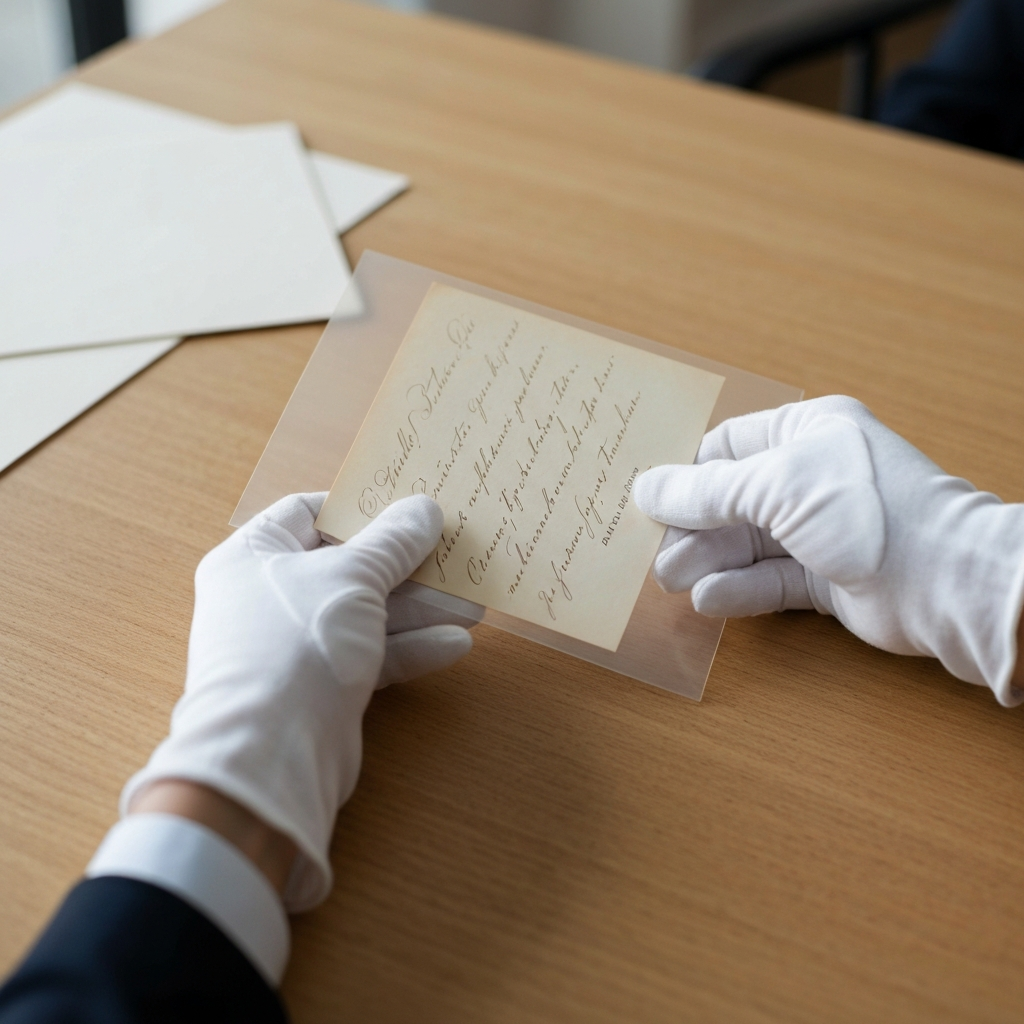
For physical items, proper preservation is essential for ensuring their longevity. Store photos, letters, and documents in acid-free containers and protect them from light, heat, and moisture. Consider using archival-quality sleeves or binders to protect individual items. For fragile items, consult with a professional archivist or conservator.
Avoid using adhesives or tapes that can damage photos or documents. Handle delicate items with clean hands or gloves to prevent the transfer of oils and dirt. Regularly inspect your physical memory bank for signs of deterioration, such as fading, discoloration, or mold.
Tools or Materials Required
- Acid-free photo albums and scrapbooks
- Archival-quality sleeves and binders
- Acid-free storage boxes
- Scanning software and hardware
- Cloud storage services
- Voice recording app
- Camera or smartphone
Common Mistakes to Avoid
- Failing to define the scope and format of your memory bank
- Neglecting to gather existing materials
- Forgetting to capture new memories regularly
- Failing to digitize and organize digital content
- Not creating a family storytelling tradition
- Improperly preserving physical items
FAQ Section
Q: How often should I add new memories to the memory bank?
A: Aim to add new memories at least once a month. Consistency is key to building a comprehensive and lasting memory bank.
Q: What if I don't have a lot of old photos or documents?
A: Don't worry! Focus on capturing new memories and documenting your family's current experiences. Even seemingly ordinary moments can become cherished memories in the future.
Q: How can I involve children in building the memory bank?
A: Ask children to draw pictures, write stories, or record their thoughts and feelings about important events. Let them help organize photos and create scrapbooks.
Conclusion
Building a family memory bank is a rewarding and enriching experience that will benefit your family for generations to come. By following these steps and incorporating your own creative ideas, you can create a tangible, accessible repository of your family's history, values, and experiences. Remember to start small, be consistent, and make it a collaborative effort. The memories you preserve today will become treasured heirlooms tomorrow.