Biohacking, often perceived as a domain of the wealthy, is fundamentally about optimizing your health and well-being through data-driven self-experimentation. The good news is, you don't need expensive gadgets or exotic supplements to tap into its power. Many effective biohacks are completely free or require minimal investment. This guide will show you how to implement practical, evidence-based strategies to improve your health without emptying your wallet.
The key to successful budget-friendly biohacking is prioritizing foundational elements: sleep, nutrition, stress management, and movement. By focusing on these core areas and employing clever, low-cost techniques, you can experience significant improvements in your energy levels, cognitive function, and overall health. Forget the hype; let's dive into the actionable steps you can take today.
Remember, biohacking is about personal discovery. What works for one person might not work for another. Listen to your body, track your progress, and adjust your approach as needed. Consistency and mindful observation are far more valuable than chasing the latest trends.
Step 1: Master Your Sleep Hygiene (Free)
The Foundation of Performance
Sleep is arguably the most powerful biohack available, and it's absolutely free. Poor sleep negatively impacts virtually every aspect of your health, from cognitive function and mood to immune response and hormone regulation. Prioritizing consistent, quality sleep is the cornerstone of any successful biohacking strategy. This involves establishing a regular sleep schedule, creating a relaxing bedtime routine, and optimizing your sleep environment.
Start by going to bed and waking up at the same time each day, even on weekends, to regulate your body's natural circadian rhythm. Create a relaxing pre-sleep routine, such as taking a warm bath, reading a book (a physical book, not a screen!), or practicing meditation. Ensure your bedroom is dark, quiet, and cool. Consider using blackout curtains, earplugs, or a white noise machine if necessary. Avoid caffeine and alcohol close to bedtime.

Step 2: Optimize Your Nutrition with Whole Foods (Budget-Friendly)
Fueling Your Body Right
You don't need expensive superfoods or restrictive diets to nourish your body effectively. Focus on consuming whole, unprocessed foods that are rich in nutrients. Base your diet on fruits, vegetables, lean protein, and healthy fats. Plan your meals in advance to avoid impulsive, unhealthy choices. Cook at home more often, and pack your own lunches to save money and control portion sizes.
Consider implementing simple strategies like intermittent fasting, which involves cycling between periods of eating and fasting. This can improve insulin sensitivity, promote weight loss, and enhance cellular repair. Experiment with different fasting windows to find what works best for you. Hydration is also crucial. Drink plenty of water throughout the day.

Step 3: Harness the Power of Exercise (Free to Low Cost)
Movement is Medicine
Regular physical activity is essential for both physical and mental health. You don't need a fancy gym membership to reap the benefits. Simple activities like walking, running, cycling, and bodyweight exercises can be incredibly effective. Find activities you enjoy, and incorporate them into your daily routine. Aim for at least 30 minutes of moderate-intensity exercise most days of the week.
Explore free resources like online workout videos, fitness apps, and local parks. Consider joining a free fitness group or finding an exercise buddy for motivation and accountability. Even small changes, like taking the stairs instead of the elevator or walking during your lunch break, can make a big difference.

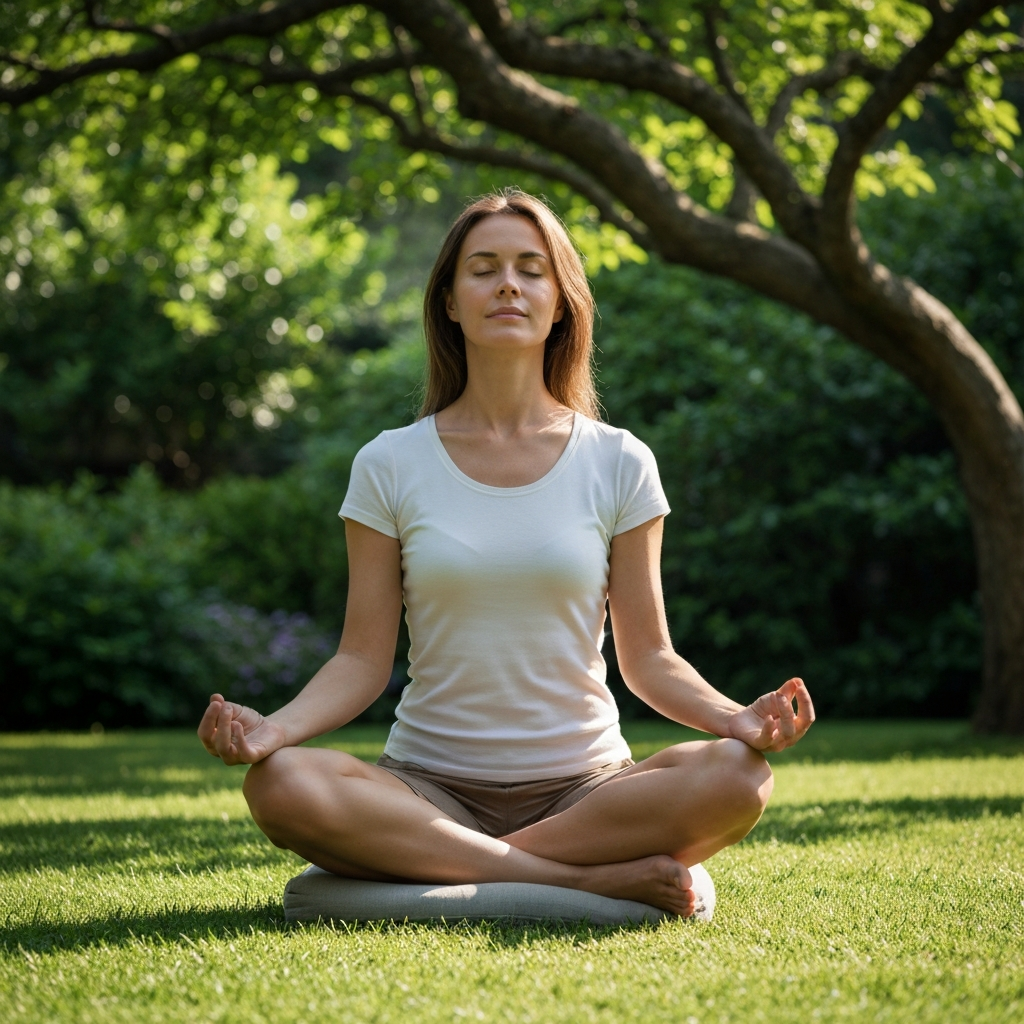
Step 4: Manage Stress with Mindfulness and Meditation (Free)
Calming the Mind
Chronic stress can wreak havoc on your health, leading to a range of problems from anxiety and depression to weakened immunity and increased risk of chronic disease. Learning to manage stress effectively is crucial for optimizing your well-being. Mindfulness and meditation are powerful tools that can help you calm your mind, reduce stress, and improve your overall mental health.
There are many free resources available to guide you through the process, including guided meditation apps, online courses, and mindfulness exercises. Start with just a few minutes of meditation each day, and gradually increase the duration as you become more comfortable. Practice deep breathing exercises throughout the day to calm your nervous system. Focus on the present moment and let go of anxious thoughts.
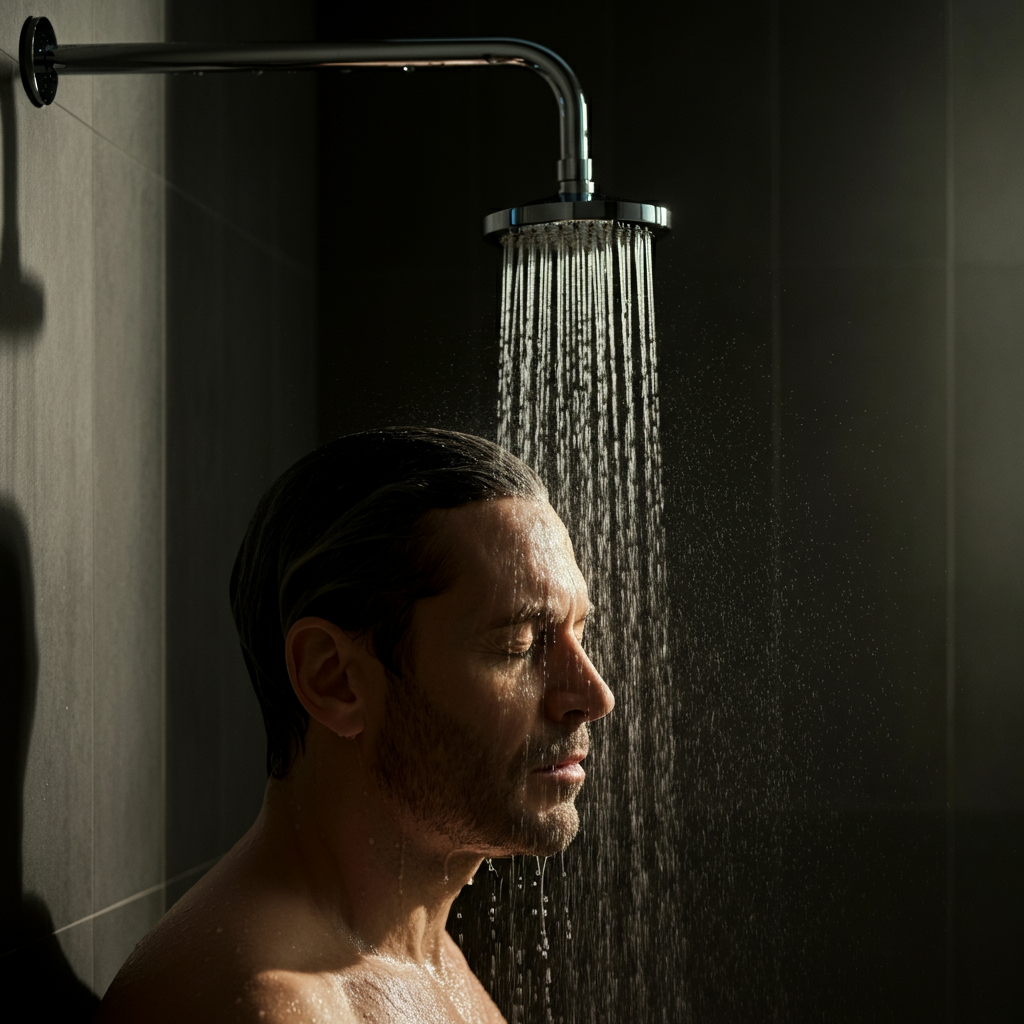
Step 5: Cold Exposure - The Free Energy Booster
Embrace the Chill
Deliberate cold exposure, such as taking cold showers or ice baths, can offer a surprising array of health benefits. It boosts energy, improves mood, reduces inflammation, and strengthens the immune system. Start slowly and gradually increase the duration and intensity of the cold exposure.
Begin with a short burst of cold water at the end of your shower, gradually decreasing the temperature and increasing the duration over time. The key is to breathe deeply and focus on relaxing your body. Listen to your body and stop if you feel uncomfortable. Never attempt cold exposure if you have underlying health conditions without consulting your doctor first.
Tools or Materials Required
- Blackout curtains (optional, but highly recommended for sleep optimization)
- Meditation app (free versions available)
- Comfortable clothing for exercise
- Basic cooking utensils
Safety Considerations
Always consult with your doctor before making significant changes to your diet or exercise routine, especially if you have any underlying health conditions. Start slowly and gradually increase the intensity and duration of any new biohacking techniques. Listen to your body and stop if you experience any discomfort or adverse effects. Never attempt cold exposure if you have cardiovascular issues without medical supervision.
Common Mistakes to Avoid
- Trying to do too much too soon. Focus on implementing one or two biohacks at a time and mastering them before moving on to others.
- Chasing the latest trends without understanding the science behind them. Do your research and prioritize evidence-based strategies.
- Ignoring your body's signals. Pay attention to how you feel and adjust your approach as needed.
- Being inconsistent. Consistency is key to seeing results.
Pro Tips
- Track your progress. Use a journal, spreadsheet, or app to monitor your sleep, diet, exercise, and stress levels. This will help you identify what's working and what's not.
- Join a biohacking community. Connect with other like-minded individuals to share ideas, ask questions, and support each other.
- Focus on small, sustainable changes. Don't try to overhaul your entire life overnight. Make gradual changes that you can stick with in the long run.
FAQ Section
Q: How long does it take to see results from biohacking?
A: The time it takes to see results varies depending on the individual and the specific biohacks you're implementing. Some people may experience noticeable improvements within a few weeks, while others may take longer. Consistency is key.
Q: Is biohacking safe?
A: Most biohacks are safe when implemented responsibly. However, it's important to do your research, listen to your body, and consult with your doctor before making any significant changes to your health routine.
Q: Do I need to buy expensive supplements to biohack?
A: No. Many effective biohacks are completely free or require minimal investment. Focus on foundational elements like sleep, nutrition, exercise, and stress management.
Conclusion
Biohacking your way to peak health doesn't require a fortune. By prioritizing foundational elements, employing clever low-cost techniques, and listening to your body, you can unlock significant improvements in your well-being. Focus on mastering sleep hygiene, optimizing your nutrition with whole foods, embracing regular exercise, and managing stress with mindfulness. Start small, be consistent, and enjoy the journey of self-discovery.