Sleep. It's that elusive state we all crave, yet often sacrifice at the altar of productivity. But what if I told you that optimizing your sleep isn't just about feeling rested – it's about unlocking a hidden superpower that can dramatically improve your cognitive function, physical health, and overall performance? It's time to shift your perspective from sleep as a luxury to sleep as a strategic advantage.
This isn't about just getting eight hours; it's about hacking your sleep architecture to maximize its restorative benefits. We'll delve into the science-backed strategies that go beyond conventional advice, empowering you to take control of your sleep and transform it into a powerful tool for achieving peak performance in every aspect of your life. Prepare to learn how to fine-tune your circadian rhythm, optimize your sleep environment, and leverage advanced techniques for deeper, more restful sleep.
Forget the generic advice; this is about crafting a personalized sleep strategy that works for *you*. We’ll explore various techniques, highlighting potential pitfalls and offering practical solutions to ensure your sleep journey is both effective and sustainable. Get ready to revolutionize your sleep and unlock your full potential.
Step 1: Understand Your Chronotype
Knowing your chronotype – your natural inclination to sleep and wake at certain times – is the foundation of effective sleep hacking. Are you a "lark" (early bird), an "owl" (night owl), or something in between? Identifying your chronotype allows you to align your sleep schedule with your body's internal clock, leading to more restful and productive sleep. Misalignment can lead to "social jetlag," disrupting your hormones and cognitive function.
To determine your chronotype, observe your natural sleep patterns on days when you're free from obligations. When do you naturally wake up feeling refreshed, without an alarm? When do you naturally feel tired in the evening? You can also take online chronotype quizzes, but real-world observation is usually more accurate. Remember: consistency is key! Once you know your chronotype, structure your day to align with your natural energy peaks and troughs for maximum performance.

Step 2: Optimize Your Sleep Environment
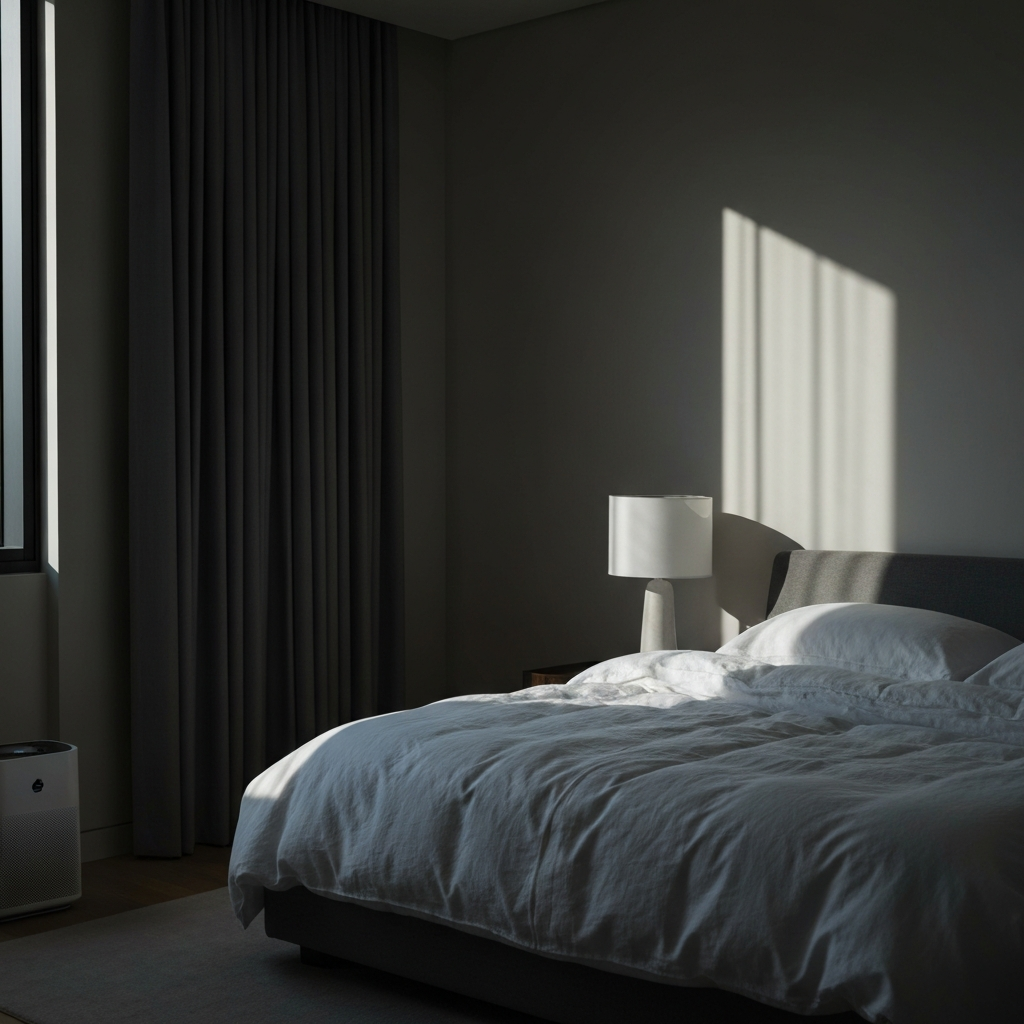
Your sleep environment plays a crucial role in the quality of your sleep. Think of your bedroom as a sanctuary – a place dedicated solely to rest and relaxation. Creating an optimal sleep environment involves controlling light, temperature, and noise. Darkness is paramount for melatonin production, so invest in blackout curtains or a sleep mask. The ideal sleep temperature is around 65 degrees Fahrenheit (18 degrees Celsius) – cooler temperatures promote deeper sleep. Reduce noise with earplugs, a white noise machine, or a fan.
Beyond the basics, consider the impact of your mattress, pillows, and bedding. A supportive mattress that conforms to your body can alleviate pressure points and improve sleep quality. Choose pillows that maintain proper neck alignment. Opt for breathable bedding made from natural fibers like cotton or linen. Pay attention to air quality as well. Use an air purifier to remove allergens and pollutants, ensuring a clean and healthy sleep environment.
Step 3: Master the Art of Sleep Hygiene
Sleep hygiene refers to a set of practices that promote healthy sleep habits. These practices are crucial for regulating your circadian rhythm and preparing your body for sleep. Establish a consistent sleep schedule, going to bed and waking up around the same time each day, even on weekends. This helps to reinforce your body's natural sleep-wake cycle.
Avoid caffeine and alcohol close to bedtime, as they can disrupt sleep architecture. Caffeine is a stimulant that can interfere with your ability to fall asleep, while alcohol can initially induce drowsiness but often leads to fragmented sleep later in the night. Create a relaxing bedtime routine to signal to your body that it's time to sleep. This could include taking a warm bath, reading a book (not on a screen!), or practicing relaxation techniques like meditation or deep breathing exercises.

Step 4: Leverage Technology Wisely
While excessive screen time before bed can be detrimental to sleep, technology can also be a valuable tool for optimizing your sleep. Sleep trackers, such as wearable devices or smartphone apps, can provide insights into your sleep patterns, including sleep duration, sleep stages, and sleep quality. Use this data to identify potential areas for improvement.
Be cautious about relying solely on sleep trackers, as they can sometimes be inaccurate. However, they can be useful for tracking trends and identifying correlations between your habits and your sleep quality. Experiment with blue light filters on your electronic devices or wear blue light blocking glasses in the evening. Blue light emitted from screens can suppress melatonin production and interfere with sleep. Consider using white noise apps or nature sound apps to mask distracting noises and promote relaxation.

Step 5: Optimize Your Diet for Better Sleep
What you eat can significantly impact your sleep quality. Avoid heavy meals and sugary snacks close to bedtime. These can disrupt sleep and lead to restless nights. Instead, opt for light, easily digestible snacks if you're hungry before bed. Foods rich in tryptophan, such as turkey, nuts, and seeds, can promote relaxation and sleepiness.
Consider incorporating sleep-promoting supplements into your diet, such as magnesium, melatonin, or L-theanine. However, it's essential to consult with a healthcare professional before taking any supplements, especially if you have underlying health conditions or are taking medications. Stay hydrated throughout the day, but limit fluid intake before bed to minimize nighttime awakenings. Be mindful of hidden sources of caffeine, such as chocolate and some teas.

Pro Tips
- Sunlight Exposure: Expose yourself to sunlight early in the morning to help regulate your circadian rhythm.
- Exercise Regularly: Regular physical activity can improve sleep quality, but avoid intense workouts close to bedtime.
- Stress Management: Practice stress-reducing techniques such as meditation, yoga, or deep breathing exercises.
- Napping Wisely: If you nap, keep it short (20-30 minutes) and avoid napping late in the day.
- Seek Professional Help: If you're struggling with chronic sleep problems, consult a sleep specialist or healthcare professional.
Common Mistakes to Avoid
- Inconsistent Sleep Schedule: Maintaining a consistent sleep schedule is crucial for regulating your circadian rhythm.
- Excessive Screen Time Before Bed: Blue light emitted from screens can interfere with sleep.
- Caffeine and Alcohol Consumption: Avoid these substances close to bedtime.
- Ignoring Sleep Disorders: If you suspect you have a sleep disorder, seek professional help.
- Over-reliance on Sleep Aids: Use sleep aids cautiously and under the guidance of a healthcare professional.
FAQ Section
- Q: How long does it take to establish a new sleep routine?
- A: It typically takes several weeks to establish a new sleep routine. Consistency is key.
- Q: Is it okay to sleep in on weekends?
- A: Sleeping in by an hour or two is generally fine, but avoid drastically altering your sleep schedule.
- Q: What if I can't fall asleep?
- A: Get out of bed and do something relaxing until you feel sleepy. Avoid looking at screens.
- Q: Are sleep trackers accurate?
- A: Sleep trackers can provide useful data, but they are not always 100% accurate. Use them as a guide, not a definitive measure.
Conclusion
Hacking your sleep for peak performance is an investment in your overall well-being and success. By understanding your chronotype, optimizing your sleep environment, mastering sleep hygiene, leveraging technology wisely, and optimizing your diet, you can transform your sleep from a passive activity into a powerful tool. Remember that consistency and personalization are key. Experiment with different strategies to find what works best for you, and don't be afraid to seek professional help if you're struggling with chronic sleep problems. Unlock the power of sleep, and unlock your full potential.