Growing up is a wild ride, and nobody hands you a manual. "Adulting" feels like a secret language, but it's really just a set of skills you can learn. This guide is designed to give you a head start, tackling the essential life skills that will empower you to navigate your teens and twenties with confidence. Forget the pressure of having it all figured out – this is about building a foundation for a fulfilling future, one step at a time.
We're talking about more than just paying bills (though we'll cover that too!). We'll explore crucial aspects of personal finance, emotional intelligence, practical skills like cooking and basic home maintenance, and how to build healthy relationships. The aim isn't to become a perfect adult overnight, but to equip yourself with the tools you need to learn and grow into the person you want to be. Think of this as your starter pack for independence.
This guide isn't just about surviving; it's about thriving. Learning these skills now will not only make your life easier in the present but will also set you up for long-term success and happiness. Let's jump in and unlock your potential!
Step 1: Mastering the Art of Budgeting
Creating a budget is the foundation of financial stability. It's about understanding where your money is going, making informed decisions, and reaching your financial goals. Start by tracking your income, whether it's from a part-time job, allowance, or gifts. Then, meticulously list your expenses. Use a budgeting app, a spreadsheet, or even a good old-fashioned notebook. The key is consistency and honesty with yourself. Categorize your spending into needs (housing, food, transportation) and wants (entertainment, eating out). This breakdown will reveal where you can potentially cut back and save more.
Consider allocating a portion of your budget to savings, even if it's just a small amount to start. The power of compound interest is incredible, and the earlier you start saving, the better. Distinguish between short-term goals (e.g., buying a new phone) and long-term goals (e.g., college fund, a down payment on a house). Having clear objectives will keep you motivated to stick to your budget.

Step 2: Cooking Simple, Healthy Meals
Knowing how to cook isn't just a practical skill; it's an investment in your health and well-being. Start with basic recipes that require minimal ingredients and cooking experience. Think pasta dishes, stir-fries, omelets, or simple salads. Focus on mastering a few core recipes before attempting elaborate meals. Learn about essential cooking techniques like sautéing, roasting, and grilling.
Plan your meals ahead of time and create a shopping list to avoid impulse buys and food waste. Familiarize yourself with common ingredients and their nutritional value. Prioritize whole, unprocessed foods like fruits, vegetables, lean proteins, and whole grains. Cooking at home is generally cheaper and healthier than eating out regularly. Pay attention to portion sizes to maintain a healthy weight. Don't be afraid to experiment with flavors and spices to make your meals more exciting.

Step 3: Building and Maintaining Healthy Relationships
Healthy relationships are essential for your emotional well-being. This includes friendships, romantic relationships, and family relationships. The cornerstone of any healthy relationship is communication. Learn to express your feelings clearly and respectfully, and actively listen to others. Practice empathy and try to understand different perspectives.
Set healthy boundaries in your relationships. This means knowing your limits and communicating them assertively. Don't be afraid to say "no" if you're uncomfortable with something. Surround yourself with people who support and uplift you, and distance yourself from those who are toxic or draining. Address conflicts constructively and learn to forgive. Be reliable and trustworthy – these are crucial qualities in any relationship.

Step 4: Mastering Time Management and Organization
Effectively managing your time and staying organized are crucial for academic success, work productivity, and overall well-being. Start by creating a schedule or to-do list. Prioritize tasks based on urgency and importance, using methods like the Eisenhower Matrix (urgent/important). Break down large tasks into smaller, more manageable steps.
Use tools like calendars, planners, or productivity apps to keep track of deadlines, appointments, and commitments. Learn to say "no" to commitments that overload your schedule or distract you from your priorities. Minimize distractions, especially when you're trying to focus. Set realistic goals and celebrate your accomplishments. Regularly declutter your physical and digital spaces to maintain a sense of order.

Step 5: Developing Emotional Intelligence
Emotional intelligence (EQ) is the ability to understand and manage your own emotions, as well as recognize and influence the emotions of others. This is fundamental for navigating social situations, building strong relationships, and achieving personal and professional success. Start by practicing self-awareness – pay attention to your feelings and identify the triggers that cause them.
Develop your self-regulation skills. Learn to manage your emotions effectively, especially in stressful situations. Practice empathy and try to understand the perspectives of others. Improve your social skills – this includes communication, active listening, and conflict resolution. Cultivate a positive attitude and practice gratitude. Seek feedback from trusted individuals on your emotional intelligence and identify areas for improvement.

Step 6: Practicing Basic Home Maintenance
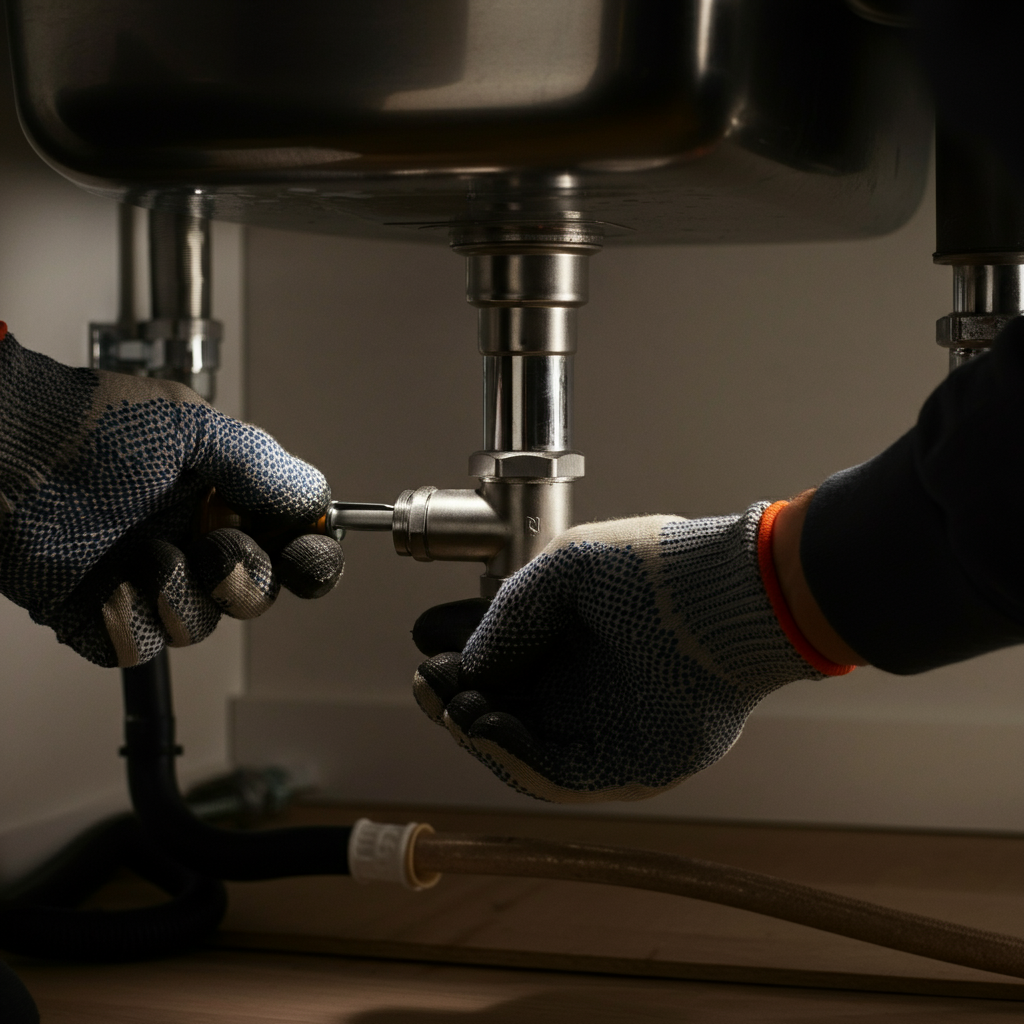
Knowing basic home maintenance skills can save you money and prevent costly repairs down the road. Learn how to unclog a drain, change a light bulb, and fix a leaky faucet. Familiarize yourself with basic tools like a screwdriver, wrench, and hammer. Learn how to identify and report potential hazards like gas leaks or electrical problems.
Understand how to properly clean and maintain appliances like refrigerators, ovens, and washing machines. Learn basic plumbing skills like shutting off the water supply in case of an emergency. Practice preventative maintenance by regularly checking for issues and addressing them promptly. Consider taking a basic home repair workshop to expand your knowledge and skills.
Step 7: Addressing Body Image Issues
Body image is how individuals assume others perceive their bodies. During youth and adolescence, children go through many physical changes that may make them uncomfortable. Much of what your child perceives about their body is influenced by societal pressures through media, friends, and loved ones. Those who are not satisfied with their bodies are at higher risk of developing depression, anxiety, eating disorders (95% are within ages 12 to 25 years), low self-esteem, early sexual activity, substance use, and suicidal thoughts. It's crucial to address teasing and bullying that may stem from these feelings. Remind yourself that what is happening is wrong and you don't deserve it.

Tools or Materials Required
- Budgeting App or Spreadsheet Software
- Basic Cooking Utensils (pots, pans, knives)
- Calendar or Planner
- Basic Tool Set (screwdriver, wrench, hammer)
- First Aid Kit
Common Mistakes to Avoid
- Ignoring your budget and overspending.
- Relying solely on takeout and processed foods.
- Neglecting your relationships.
- Procrastinating and missing deadlines.
- Suppressing your emotions instead of addressing them.
- Ignoring minor home repairs until they become major problems.
Safety Considerations
- Always follow safety precautions when using tools and appliances.
- Be aware of your surroundings and avoid risky situations.
- Trust your instincts and seek help if you feel unsafe.
- Protect your personal information online and offline.
- Prioritize your mental and physical health.
FAQ Section
- Q: What if I don't have any income to budget?
- A: Even if you don't have a regular income, you can still track your expenses and practice budgeting with hypothetical scenarios. This will prepare you for when you do have an income.
- Q: How do I handle conflicts in my relationships?
- A: Approach conflicts calmly and respectfully. Listen actively to the other person's perspective and try to find a compromise. If necessary, seek help from a neutral third party.
- Q: How can I improve my time management skills?
- A: Experiment with different time management techniques and find what works best for you. Set realistic goals and break down large tasks into smaller, more manageable steps.
- Q: Where can I learn more about basic home maintenance?
- A: There are many online resources, workshops, and books available on basic home maintenance. You can also ask experienced friends or family members for guidance.
Adulting is a journey, not a destination. Don't get discouraged if you don't master these skills overnight. Be patient with yourself, celebrate your progress, and keep learning and growing. By investing in these essential life skills, you'll be well-prepared to navigate the challenges and opportunities that lie ahead and build a fulfilling and independent life.