Adulthood: It's that mythical land promised in childhood, often arriving with a thud of responsibility and a side of existential dread. The bills pile up, the career ladder looms, and suddenly, remembering your dreams feels like a distant memory. But adulthood doesn't have to be a joyless slog. It's possible to navigate the responsibilities and expectations while still nurturing your passions and maintaining your sense of self. It's about finding the delicate balance between responsibility and authenticity.
The key is intentionality. Don't let life happen *to* you; create the life you want. This guide will equip you with practical strategies to manage the demands of adulthood while protecting your inner spark. We'll explore ways to cultivate meaningful connections, prioritize well-being, pursue your passions, and find purpose in your everyday life. It's a journey, not a destination, and it starts with a conscious decision to live a life that's both fulfilling and responsible.
Ultimately, adulting without losing your soul is about defining success on your own terms. It's about recognizing that your worth isn't tied to your job title or your bank account balance. It's about creating a life that's aligned with your values and that brings you joy, even amidst the challenges. Let's begin!
Step 1: Define Your Values
Understanding your core values is the foundation for making authentic choices. Your values are the principles that guide your decisions and actions. They're the things that are most important to you in life. Without a clear understanding of your values, you're more likely to be swayed by external pressures and societal expectations, which can lead to feeling lost and unfulfilled. Common values include integrity, creativity, compassion, freedom, security, and family.
To identify your values, take some time for self-reflection. Think about moments in your life when you felt most alive and engaged. What values were being honored in those moments? Conversely, think about times when you felt drained and disconnected. What values were being compromised? Once you have a list of potential values, prioritize them. Focus on the top 3-5 values that resonate most deeply with you. These will serve as your compass in navigating the complexities of adulthood. A potential mistake is trying to adopt values that don’t truly resonate with you, leading to a feeling of inauthenticity.

Step 2: Set Intentional Goals
Once you know your values, translate them into tangible goals. These goals should align with your values and contribute to a life that feels meaningful. Don't just focus on career or financial goals; consider goals related to your relationships, personal growth, health, and hobbies. The SMART framework (Specific, Measurable, Achievable, Relevant, Time-bound) can be incredibly helpful here. For example, instead of setting a vague goal like "be healthier," set a SMART goal like "exercise for 30 minutes, three times a week, for the next three months."
It's important to regularly review and adjust your goals as your circumstances and priorities change. Don't be afraid to let go of goals that no longer serve you. The point is not to rigidly adhere to a plan but to use goals as a tool for creating a life that's aligned with your values. Setting too many goals at once can be overwhelming and lead to burnout. Start small and gradually build momentum.

Step 3: Prioritize Self-Care
Self-care isn't selfish; it's essential. Taking care of your physical, mental, and emotional well-being is crucial for navigating the stresses of adulthood and preventing burnout. This includes getting enough sleep, eating nutritious foods, exercising regularly, spending time in nature, and engaging in activities that bring you joy. Don't view self-care as an optional extra; make it a non-negotiable part of your routine.
Experiment with different self-care practices to find what works best for you. Some people find relaxation through meditation, yoga, or journaling. Others prefer creative outlets like painting, writing, or playing music. The key is to find activities that help you de-stress, recharge, and connect with yourself. A common mistake is to only prioritize self-care when you're feeling overwhelmed. Make it a regular habit, even when you're feeling good, to prevent burnout and maintain your well-being.

Step 4: Cultivate Meaningful Connections
Humans are social creatures, and strong relationships are essential for well-being. Make an effort to cultivate meaningful connections with family, friends, and colleagues. This involves being present, actively listening, and showing genuine interest in others. Invest time and energy in nurturing your relationships, even when you're busy. Strong social support can buffer you from stress and provide a sense of belonging.
Don't be afraid to reach out to people and ask for help when you need it. Building a supportive network is crucial for navigating the challenges of adulthood. It's also important to set boundaries in your relationships and to distance yourself from toxic or draining people. Not all relationships are healthy, and sometimes it's necessary to prioritize your own well-being. Neglecting relationships in favor of work can lead to feelings of isolation and loneliness, undermining your overall well-being.

Step 5: Embrace Lifelong Learning
Learning shouldn't stop after graduation. Embrace lifelong learning by pursuing new interests, acquiring new skills, and expanding your knowledge. This can involve taking online courses, attending workshops, reading books, or simply engaging in conversations with people who have different perspectives. Lifelong learning keeps your mind sharp, expands your horizons, and provides a sense of purpose.
Don't be afraid to step outside your comfort zone and try new things. Learning new skills can boost your confidence and open up new opportunities. It's also a great way to meet new people and expand your social network. Sticking to familiar routines and avoiding new challenges can lead to stagnation and a feeling of being stuck. Embracing lifelong learning can help you stay engaged, adaptable, and fulfilled.

Step 6: Find Purpose Beyond Work
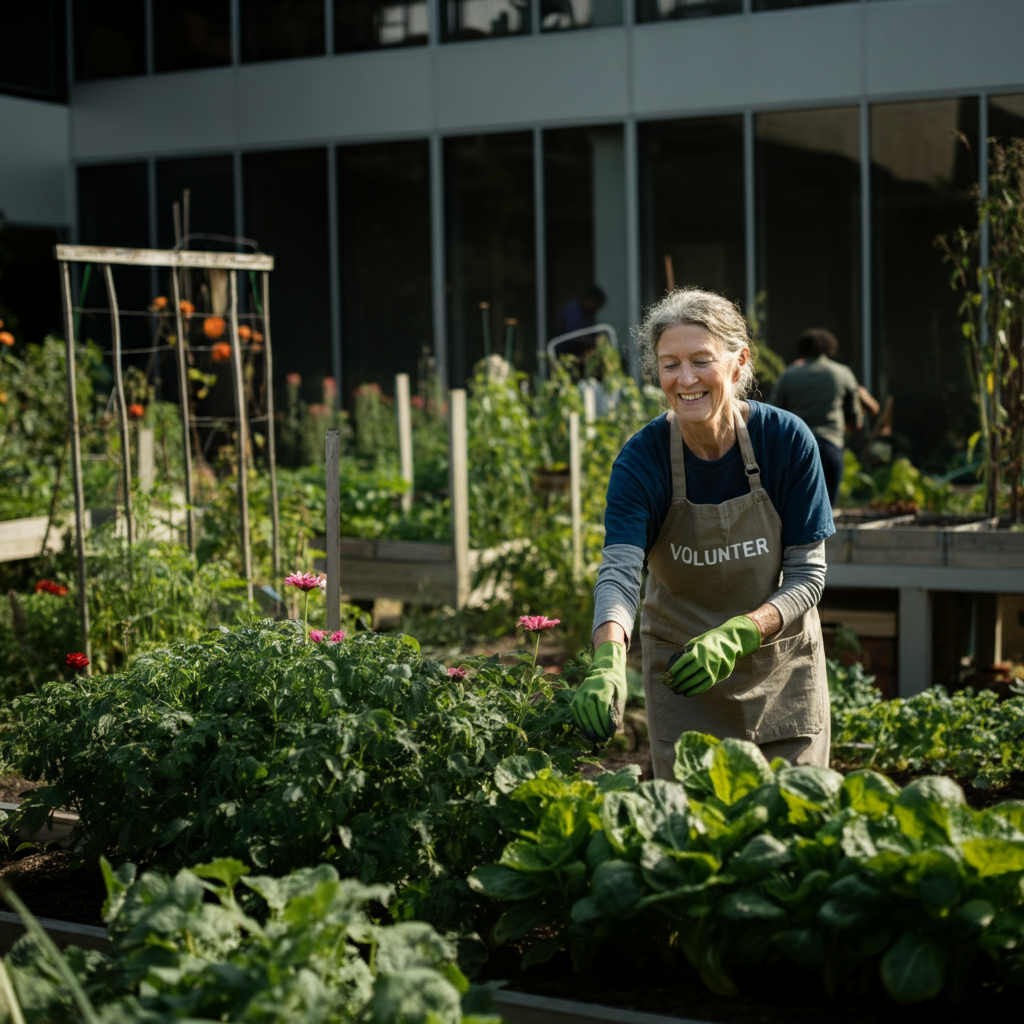
Your worth isn't tied to your job title or your salary. It's important to find purpose and meaning in activities outside of work. This can involve volunteering, pursuing a hobby, engaging in creative pursuits, or simply spending time with loved ones. Having a sense of purpose beyond work can provide a sense of fulfillment and prevent burnout. It also allows you to contribute to something larger than yourself.
Explore different activities to find what resonates with you. Don't be afraid to experiment and try new things. The key is to find something that you're passionate about and that makes you feel like you're making a difference. Relying solely on work for a sense of purpose can be risky. If you lose your job or experience setbacks in your career, it can lead to a loss of identity and a feeling of worthlessness. Having multiple sources of purpose can buffer you from these challenges.
Step 7: Practice Gratitude
Gratitude is a powerful antidote to negativity and dissatisfaction. Make a conscious effort to appreciate the good things in your life, both big and small. This can involve keeping a gratitude journal, expressing your appreciation to others, or simply taking a few moments each day to reflect on what you're grateful for. Practicing gratitude can improve your mood, reduce stress, and enhance your overall well-being.
Don't focus on what you lack; focus on what you have. Even in the midst of challenges, there are always things to be grateful for. The simple act of acknowledging these things can shift your perspective and make you feel more content. Neglecting to practice gratitude can lead to a sense of entitlement and a feeling that nothing is ever good enough. Regularly expressing gratitude can foster a more positive and appreciative outlook on life.

Tools or Materials Required
- Journal and Pen
- Calendar or Planner
- Vision Board Supplies (corkboard, images, quotes, markers)
- Books or Online Courses
Common Mistakes to Avoid
- Trying to please everyone.
- Comparing yourself to others.
- Neglecting your physical and mental health.
- Sacrificing your values for external validation.
- Forgetting to have fun.
FAQ Section
- Q: How do I find time for self-care when I'm already overwhelmed?
- A: Start small. Even 15 minutes of self-care a day can make a difference. Schedule it into your calendar like any other important appointment.
- Q: What if I don't know what my passions are?
- A: Experiment! Try different activities and see what sparks your interest. Don't be afraid to step outside your comfort zone.
- Q: How do I deal with negative people who drain my energy?
- A: Set boundaries. Limit your interactions with them or distance yourself altogether if necessary. Prioritize your own well-being.
Conclusion
Adulting without losing your soul is an ongoing process of self-discovery, intentionality, and balance. By defining your values, setting meaningful goals, prioritizing self-care, cultivating strong relationships, embracing lifelong learning, finding purpose beyond work, and practicing gratitude, you can navigate the challenges of adulthood while staying true to yourself. Remember, it's not about perfection; it's about progress. Embrace the journey, celebrate your successes, and learn from your setbacks. You have the power to create a life that's both fulfilling and responsible. Now go out there and live it!