The end of lockdown and the return to normal routines can be a challenging transition for our canine companions. After months of increased attention and constant companionship, dogs may experience anxiety and stress when left alone for longer periods. It's crucial to proactively prepare your dog for this shift to minimize potential separation anxiety and behavioral issues. This guide provides practical steps and expert advice to help your dog adjust smoothly.
This period requires patience and understanding. Remember that every dog is different, and some may adapt more quickly than others. By implementing these strategies gradually and consistently, you can help your furry friend feel secure and confident during this transition. The goal is to create a comfortable and positive experience for both you and your dog as you navigate the return to a more regular schedule.
The following steps will guide you through proven methods to support your dog's emotional well-being as life returns to its pre-lockdown state. By understanding your dog's needs and implementing these techniques, you can ensure a happy and well-adjusted companion.
Step 1: Gradual Reintroduction to Alone Time
Creating Short Periods of Separation
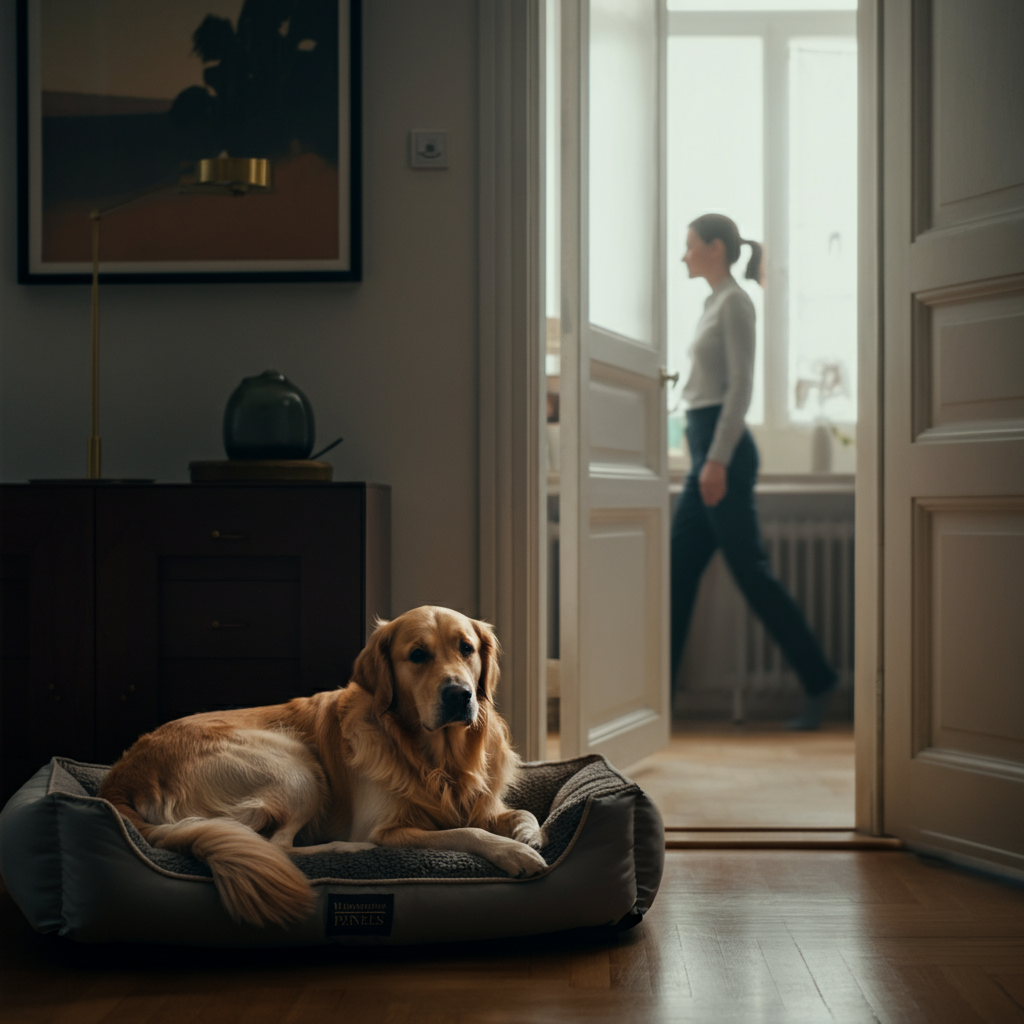
Start by gradually increasing the amount of time your dog spends alone. Begin with short intervals, such as 5-10 minutes, and slowly increase the duration over several days or weeks. This helps your dog adjust to being alone without feeling overwhelmed. You can leave the room, step outside for a brief moment, or even take a short walk around the block without them. The key is to make these periods of separation predictable and manageable for your dog.
Step 2: Independent Activities and Enrichment
Providing Engaging Alternatives
When you're not directly interacting with your dog, provide them with stimulating activities to keep them occupied and entertained. Puzzle toys, stuffed Kongs, or chew toys can provide mental stimulation and help alleviate boredom. Rotate these toys regularly to maintain your dog's interest. Ensure the activities are safe and appropriate for your dog's age and chewing habits. This encourages independence and reduces reliance on your constant presence.
Step 3: Establishing a Consistent Routine
Predictability and Structure
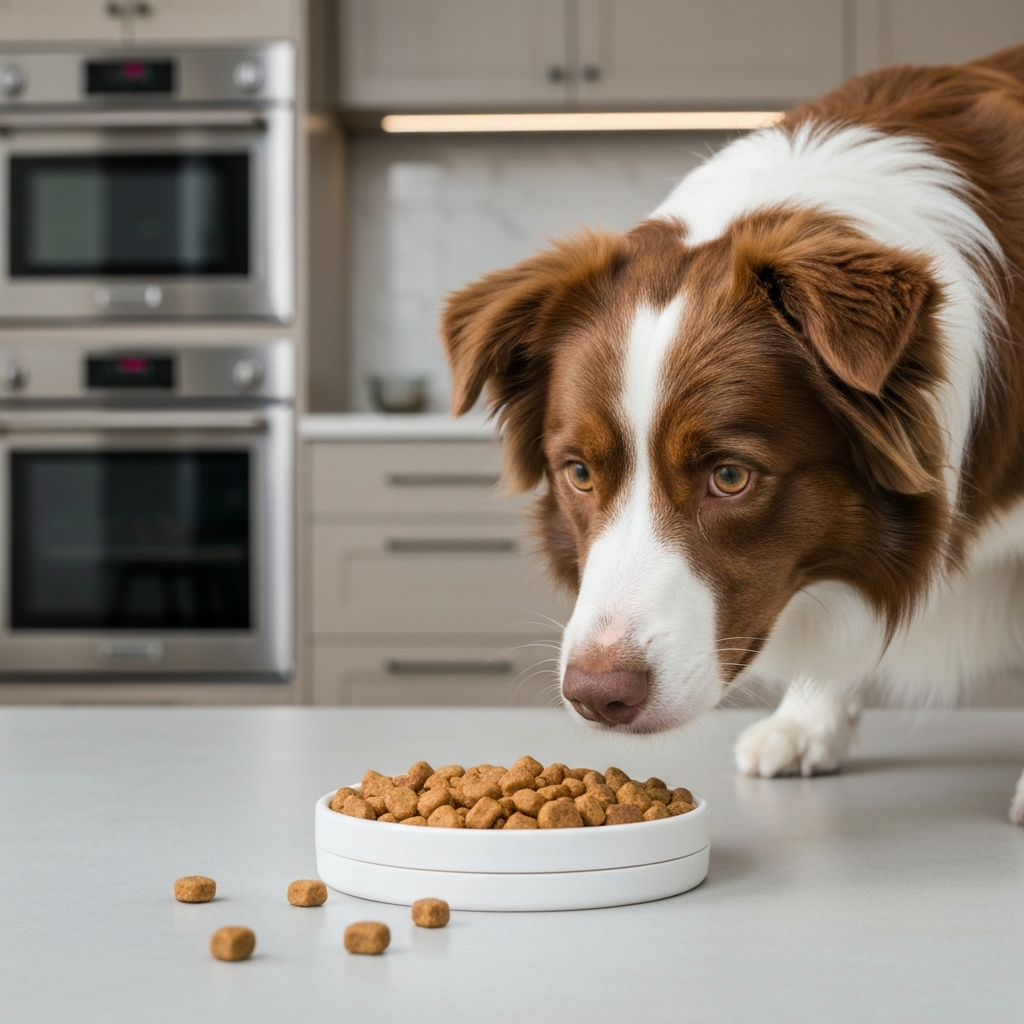
Dogs thrive on routine. Re-establish or maintain a consistent daily schedule that includes regular feeding times, walks, playtime, and rest periods. A predictable routine provides a sense of security and reduces anxiety, as your dog knows what to expect throughout the day. Mimic your future work schedule as much as possible, even when you're still at home. This will help your dog adjust more easily when you eventually return to work full-time.
Step 4: Ignoring Attention-Seeking Behaviors
Reinforcing Independence
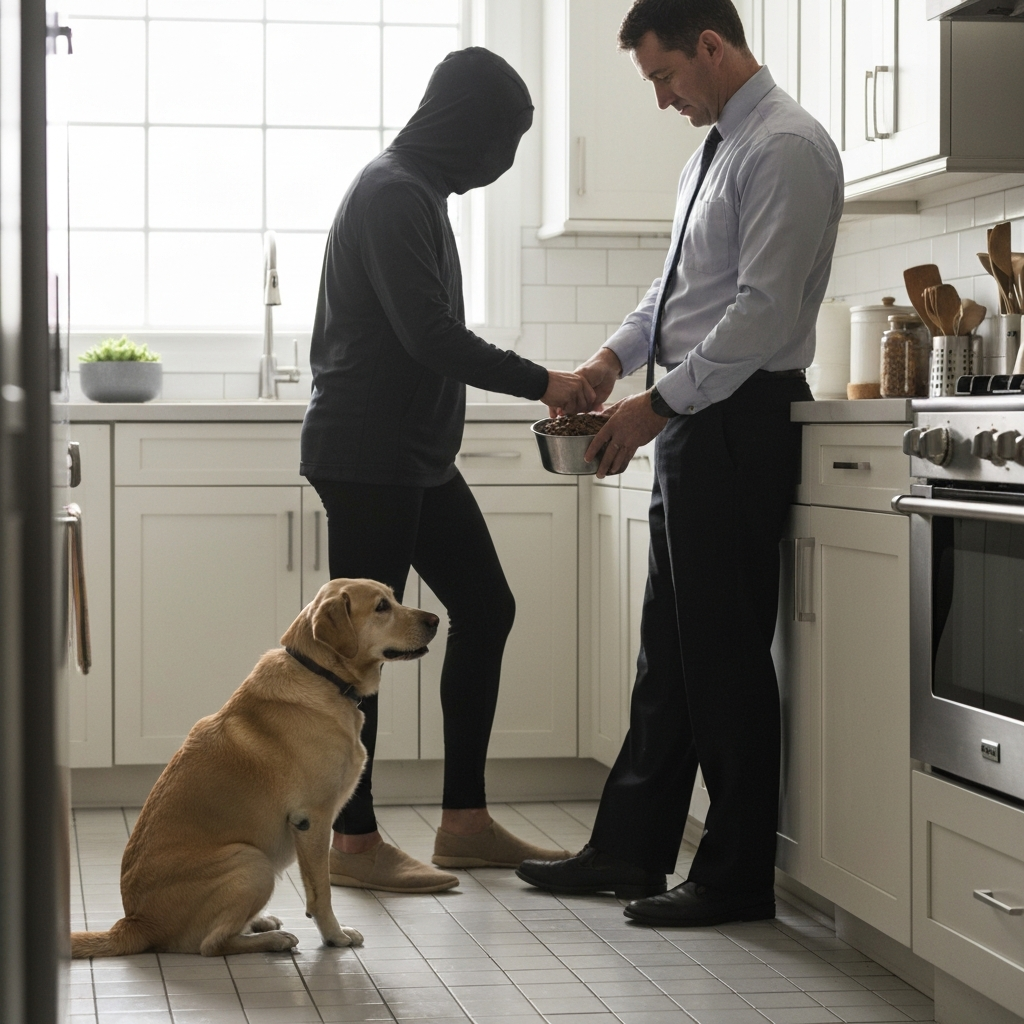
As lockdown eases, your dog may exhibit attention-seeking behaviors, such as barking, whining, or pawing, in an attempt to maintain constant interaction. It's important to avoid reinforcing these behaviors by ignoring them. Only provide attention when your dog is calm and relaxed. This teaches your dog that attention is not guaranteed and that they can be content and comfortable when alone. Don't punish them for these behaviors, simply ignore them until they stop.
Step 5: Desensitization to Departure Cues
Minimizing Anxiety Triggers
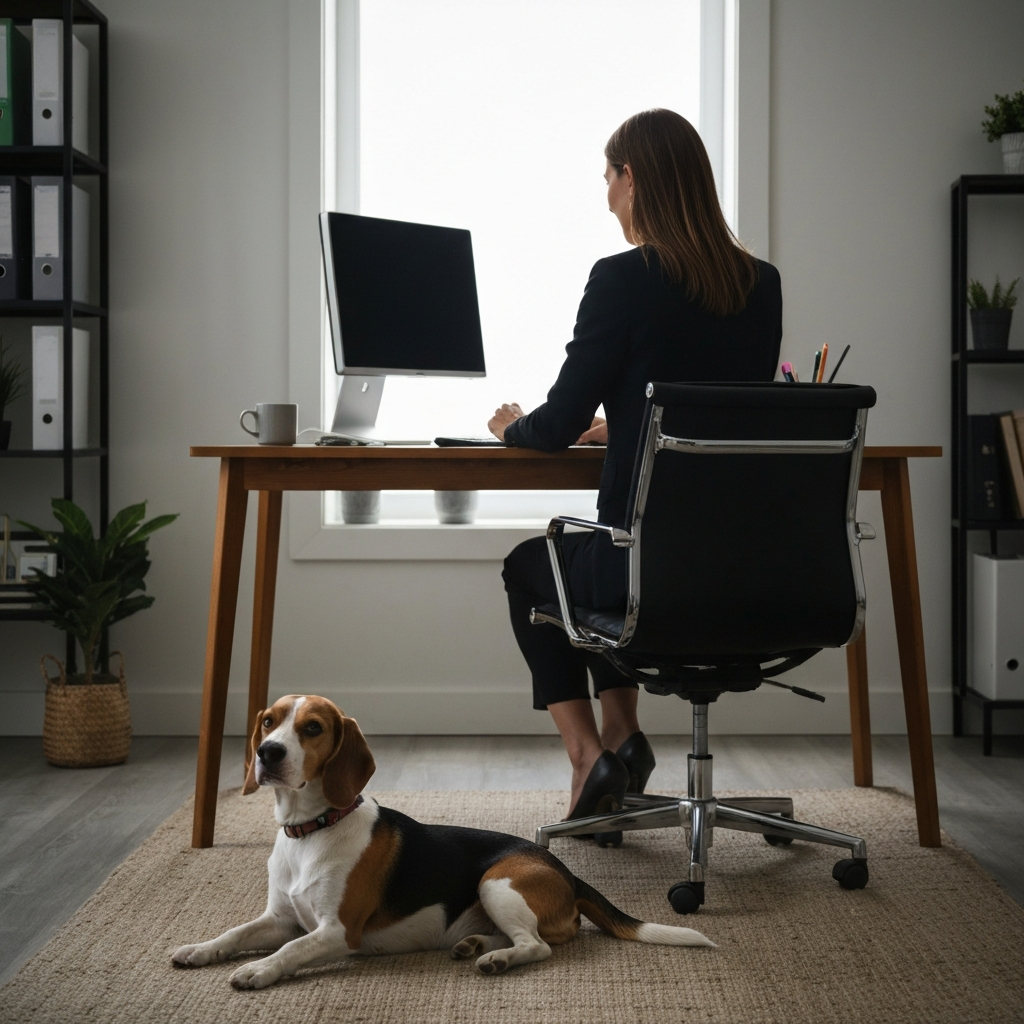
Dogs often associate certain cues, such as picking up keys, putting on shoes, or grabbing a bag, with your departure, which can trigger anxiety. To desensitize your dog to these cues, perform them randomly throughout the day without actually leaving. Pick up your keys and put them down, put on your shoes and then sit on the couch, or grab your bag and then stay home. This helps break the association between these cues and your departure, reducing anxiety.

Step 6: Create a Safe and Comfortable Space
The Importance of a Den-Like Environment
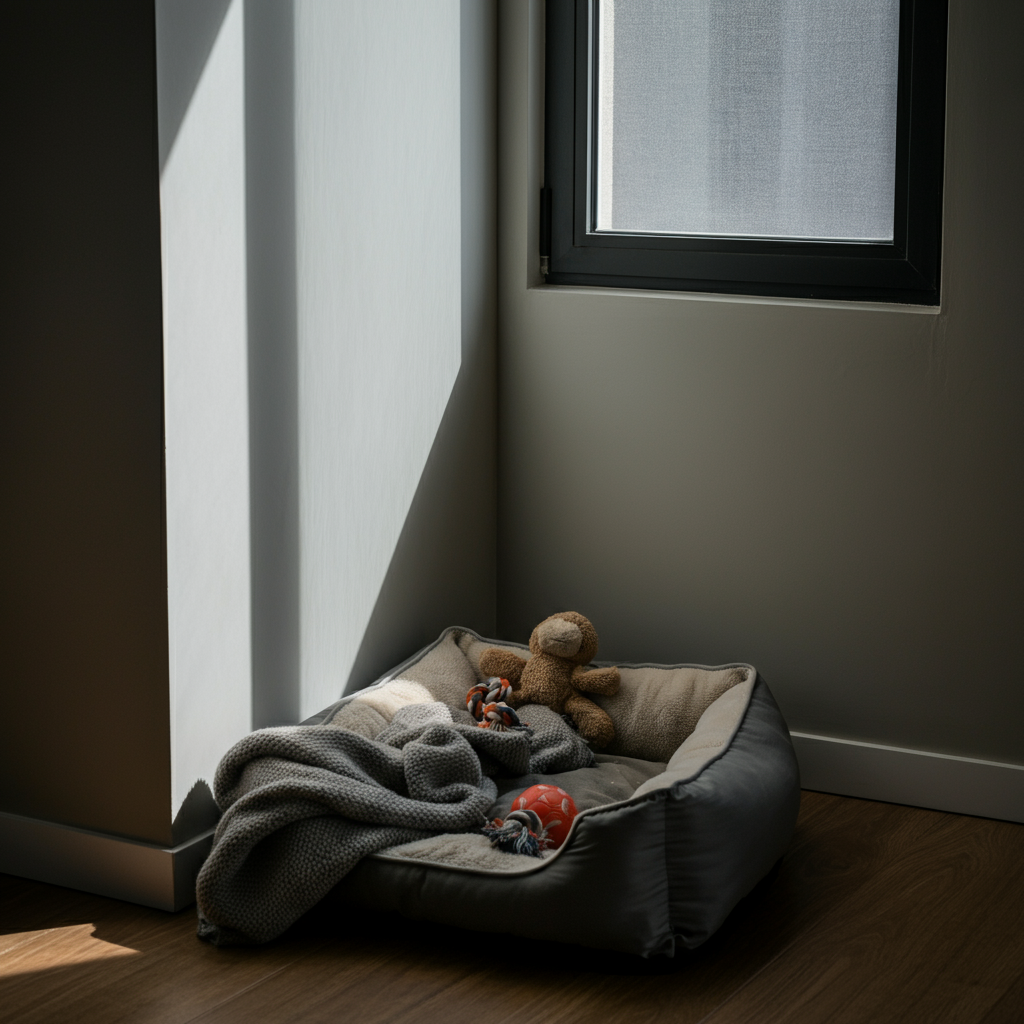
Ensure your dog has a comfortable and secure space where they can retreat when feeling anxious or overwhelmed. This could be a crate, a dog bed, or a quiet corner of a room. Make sure this space is associated with positive experiences, such as treats, toys, and comfortable bedding. Never use this space as punishment. This haven will provide your dog with a sense of security and control during times of change.
Pro Tips
- Consider using a calming pheromone diffuser or collar, such as Adaptil, to help reduce anxiety.
- Consult with a veterinarian or certified dog trainer if your dog exhibits severe separation anxiety or other behavioral issues.
- Avoid making a big fuss when leaving or returning home. Keep departures and arrivals calm and low-key.
- Practice leaving for short periods, even just stepping outside the door, multiple times throughout the day.
FAQ Section
Q: How long will it take for my dog to adjust?
A: Every dog is different, but with consistent training and patience, most dogs will adjust within a few weeks to a few months.
Q: What if my dog is already showing signs of separation anxiety?
A: Consult with a veterinarian or certified dog trainer for personalized guidance and treatment options.
Q: Should I get another dog to keep my dog company?
A: Introducing another dog can be beneficial for some dogs, but it's not a guaranteed solution and requires careful consideration and planning.
Conclusion
Helping your dog cope with the end of lockdown requires patience, understanding, and a proactive approach. By gradually reintroducing alone time, providing stimulating activities, establishing a consistent routine, and desensitizing them to departure cues, you can help your furry friend adjust smoothly and maintain a happy and well-balanced life. Remember to celebrate small victories and adjust your approach as needed to meet your dog's individual needs. With consistent effort, you can ensure a positive transition for both you and your canine companion.