Think you know your way around the animal kingdom? Playing "Guess the Animal" is a fantastic way to test and expand your knowledge, while also having a lot of fun. This guide will take you through the process of becoming a true animal identification expert, providing tips and strategies to help you excel at this engaging game.
Whether you're playing with friends, family, or challenging yourself online, understanding the key characteristics of different animals is crucial. From the largest land mammals to the smallest insects, each creature possesses unique features that can serve as clues. Prepare to sharpen your observational skills and delve into the fascinating world of zoology!
This guide isn't just about memorizing facts; it's about developing a strategic approach to identifying animals based on the information available to you. We'll cover everything from physical attributes to behavioral patterns and even common habitats. So, are you ready to embark on this exciting journey of discovery?
Step 1: Gathering Initial Clues
The first step in any "Guess the Animal" game is to gather as much information as possible. This might involve asking specific questions, carefully observing images, or listening to detailed descriptions. Focus on the obvious characteristics first: size, color, and any distinctive features like stripes, spots, or horns. Don't overlook seemingly insignificant details; they can often be the key to narrowing down your options. Pay attention to the environment the animal is supposedly found in, as this can heavily influence the possibilities.
Step 2: Identifying Habitat and Geographical Location
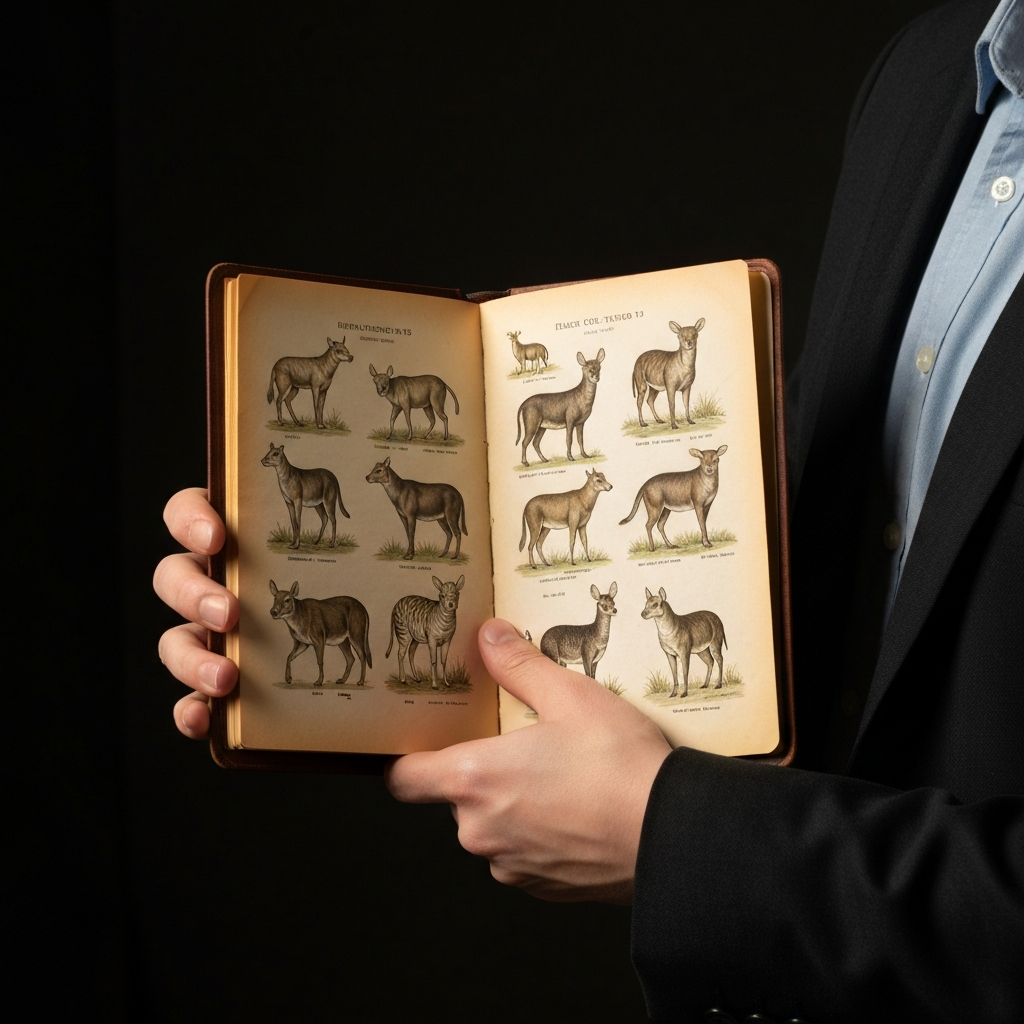
Where an animal lives is a crucial piece of the puzzle. Is it a creature of the Arctic, the Amazon rainforest, the African savanna, or somewhere else entirely? Consider the climate and terrain of the potential habitat. This information can immediately eliminate a large number of possibilities. For example, if you're told the animal lives in a cold, snowy environment, you can rule out animals that thrive in tropical climates. Be mindful of animals that have adapted to live in multiple regions, such as migratory birds.

Step 3: Analyzing Physical Characteristics
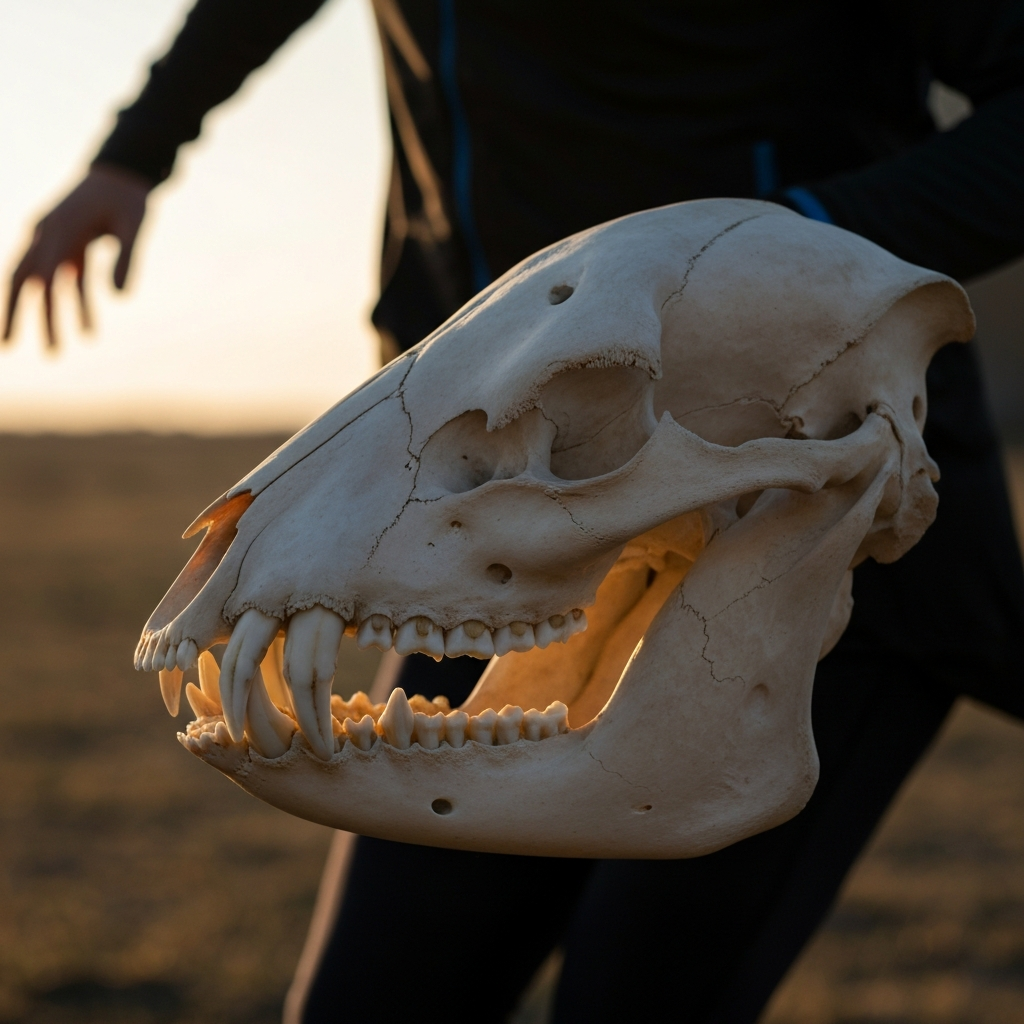
Once you have a general idea of the animal's habitat, focus on its physical traits. Consider its size, weight, and overall body shape. Does it have fur, feathers, scales, or skin? Are its limbs adapted for running, swimming, climbing, or flying? Pay close attention to the animal's teeth or beak, as these can indicate its diet. For instance, sharp teeth suggest a carnivorous diet, while a flat beak is common among herbivores. Also, note any unique physical adaptations, such as a long neck, a powerful tail, or specialized claws.
Step 4: Understanding Dietary Habits
An animal's diet is another critical clue to its identity. Is it a carnivore (meat-eater), herbivore (plant-eater), omnivore (eats both), or something more specialized like an insectivore (insect-eater)? Look for clues in its physical characteristics and behavior. Consider its hunting strategies, if any. Does it stalk its prey, ambush it, or filter feed? Knowing the animal's place in the food chain can greatly narrow down your options. For example, knowing an animal is an apex predator like a shark immediately reduces the possibilities to a specific subset of the animal kingdom.
Step 5: Deciphering Behavioral Patterns
Animal behavior can provide valuable insights into its identity. Is it nocturnal or diurnal? Does it live in groups or is it solitary? Consider its mating rituals, communication methods, and social structure. Certain behaviors are unique to specific species or groups of animals. For example, otters holding hands while sleeping is a distinctive behavior that can instantly point you to the correct answer. Dolphins using individual names for each other is another example of unique communication. Recognizing these patterns can be a game-changer.
Pro Tips
- Use Mnemonics: Create memory aids to remember key facts about different animals.
- Practice Regularly: The more you play "Guess the Animal," the better you'll become at recognizing patterns and characteristics.
- Consult Field Guides: Keep a field guide handy for quick reference.
- Watch Documentaries: Nature documentaries are a great way to learn about animal behavior and habitats.
- Expand Your Vocabulary: Learn zoological terms to better understand animal descriptions.
Common Mistakes to Avoid
- Relying on Stereotypes: Don't make assumptions based on popular beliefs or stereotypes about animals.
- Ignoring Small Details: Pay attention to every clue, no matter how insignificant it may seem.
- Jumping to Conclusions: Take your time to analyze all the available information before making a guess.
- Forgetting Basic Biology: A solid understanding of basic animal biology is essential.
FAQ Section
- What if I only have a vague description of the animal?
- Focus on the most general characteristics first, such as size and habitat, and then ask clarifying questions.
- How can I improve my knowledge of animal habitats?
- Study maps, read about different biomes, and watch nature documentaries that focus on specific regions.
- Where can I find reliable information about animal characteristics?
- Reputable sources include field guides, zoological websites, and educational nature documentaries.
Conclusion
Mastering "Guess the Animal" is about more than just knowing a lot of animal facts; it's about developing a strategic approach to identifying creatures based on available clues. By gathering initial information, analyzing habitat, physical characteristics, dietary habits, and behavioral patterns, you can significantly improve your chances of success. Remember to avoid common mistakes, utilize pro tips, and continuously expand your knowledge of the animal kingdom. With practice and dedication, you'll be well on your way to becoming a true "Guess the Animal" expert!