Many people are perceived as looking younger than their actual age due to having what's commonly referred to as a "babyface." This is often characterized by rounder cheeks and a higher proportion of facial fat, creating a more youthful appearance. While there's absolutely nothing wrong with having a babyface, some individuals may prefer a more mature or defined facial structure. If you're among those looking to achieve a less rounded, more sculpted look, this guide provides a range of techniques from lifestyle adjustments to cosmetic options.
It's important to remember that genetics play a significant role in facial structure and fat distribution. Therefore, realistic expectations are key. This guide offers suggestions to help you explore the possibilities, but results may vary. Remember to prioritize your overall health and well-being throughout this process.
This isn’t about drastically altering your appearance, but rather enhancing your natural features and achieving a look that aligns with your personal preferences. We'll delve into diet, exercise, styling tips, and professional procedures, providing you with the knowledge to make informed decisions.
Step 1: Implement Cardio into Your Routine
Cardiovascular Exercise for Overall Fat Reduction
While it's impossible to target fat loss in specific areas like the face, incorporating regular cardiovascular exercise into your routine can contribute to overall body fat reduction, which may lead to a slimmer-looking face. Cardio helps you burn calories and reduce overall body fat percentage. Activities like running, swimming, cycling, or brisk walking are excellent choices. Aim for at least 30 minutes of moderate-intensity cardio most days of the week.

Step 2: Adopt a Balanced Dietary Regimen
Nutritious Eating for Facial Definition
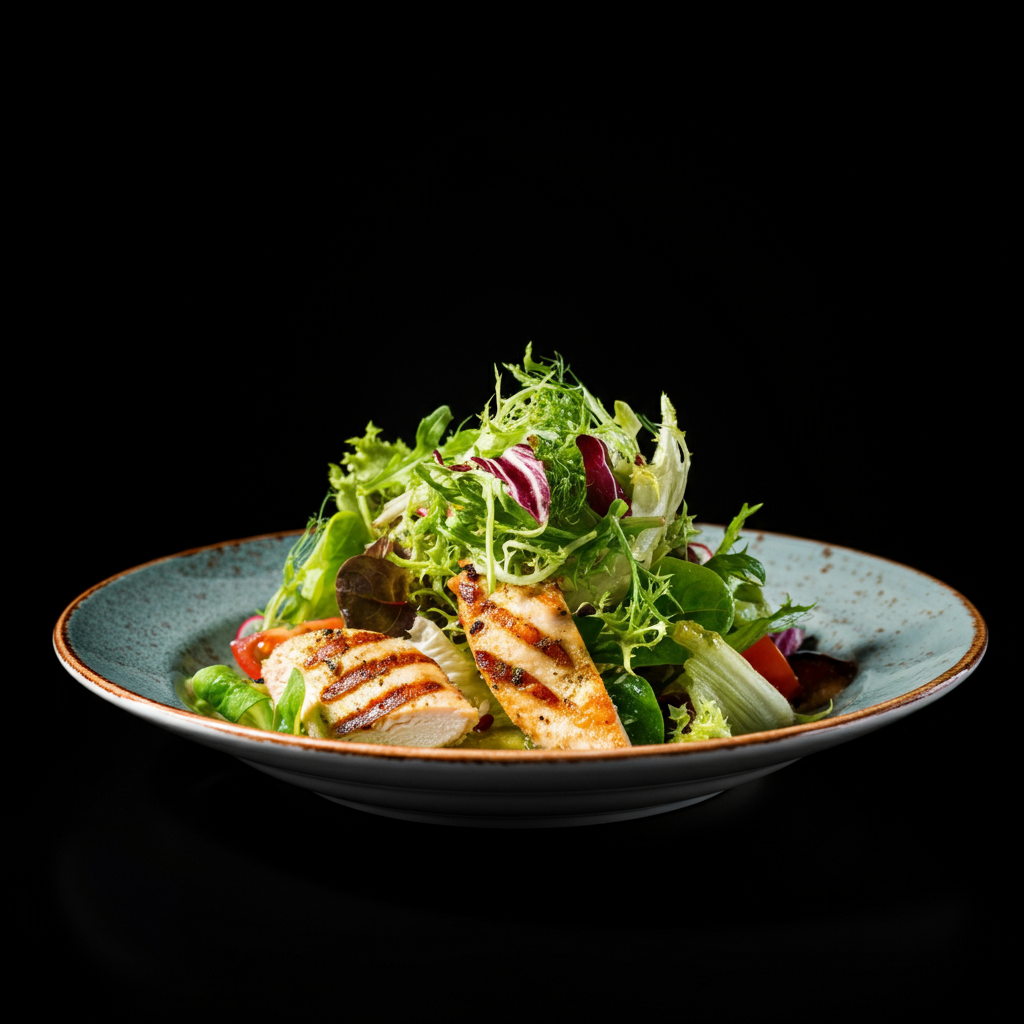
Diet plays a crucial role in overall weight management, which, in turn, can affect facial fat. Focus on consuming a balanced diet rich in fruits, vegetables, lean protein, and whole grains. Prioritize whole, unprocessed foods over refined sugars and unhealthy fats. Hydration is also key, so drink plenty of water throughout the day to help reduce water retention and bloating, which can contribute to a fuller face. Consider consulting a registered dietitian or nutritionist for personalized dietary advice.
Step 3: Reduce Alcohol Consumption
Limiting Alcohol for Reduced Puffiness
Alcohol consumption can lead to dehydration and inflammation, contributing to facial puffiness and water retention. Alcohol can also lead to overall weight gain. Cutting back on alcohol can help minimize these effects and promote a slimmer facial appearance. If you choose to drink alcohol, do so in moderation, and always stay hydrated by drinking plenty of water. Consider non-alcoholic alternatives to your favorite cocktails to maintain a social life without the bloat.

Step 4: Practice Facial Exercises
Toning Facial Muscles
While scientific evidence supporting the effectiveness of facial exercises for slimming the face is limited, anecdotal evidence suggests that they can improve facial muscle tone and definition. Try exercises that target your cheek muscles, jawline, and neck. A popular exercise involves smiling widely while pursing your lips and pressing your fingers into your cheekbones. Consistency is key with facial exercises; aim to perform them regularly.
Step 5: Perform Lymphatic Drainage Massage
Reducing Puffiness with Massage
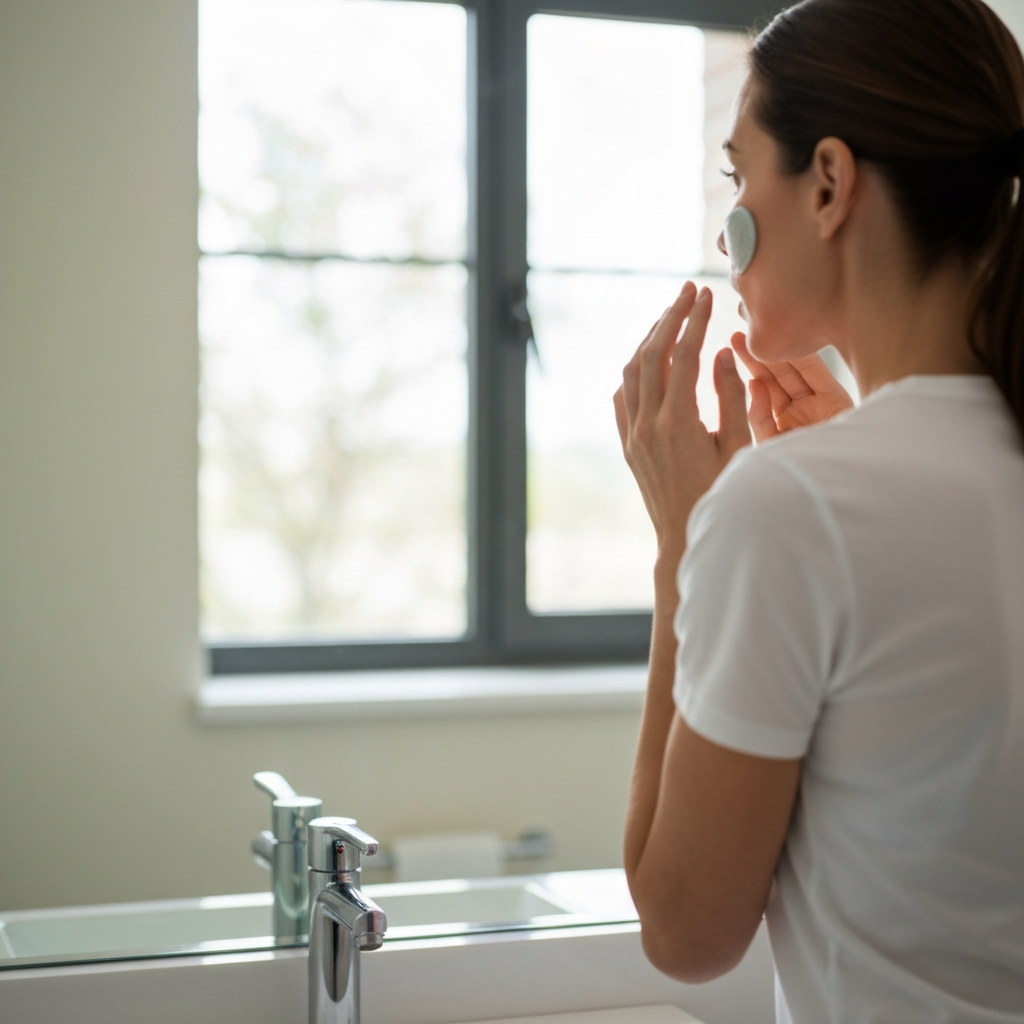
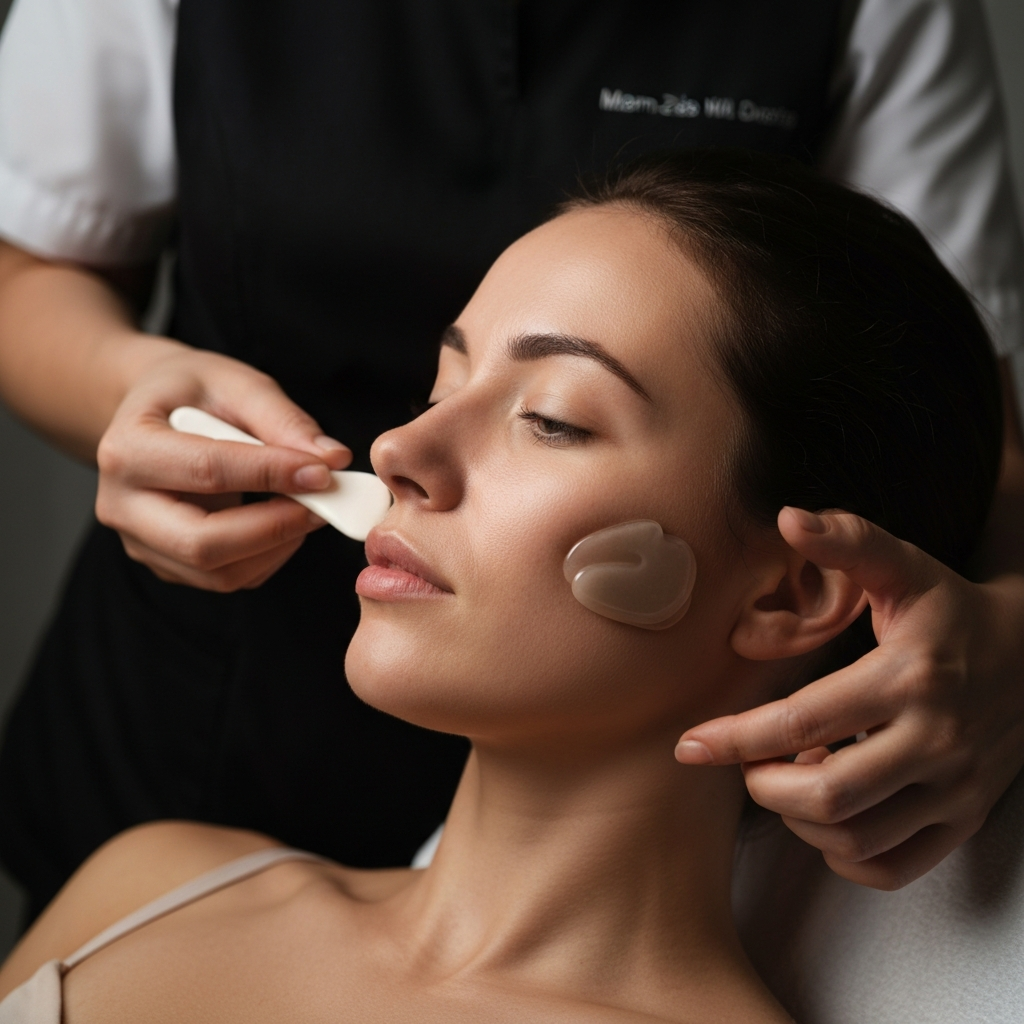
Lymphatic drainage massage is a gentle technique that can help reduce facial puffiness and promote fluid circulation. Using your fingertips or a gua sha tool, gently massage your face in upward and outward motions, following the natural contours of your face. Focus on the jawline, cheekbones, and neck. This can help drain excess fluid and temporarily improve facial definition. Always use a facial oil to provide lubrication during the massage.
Step 6: Contour with Makeup
Makeup Techniques for a Slimmer Face
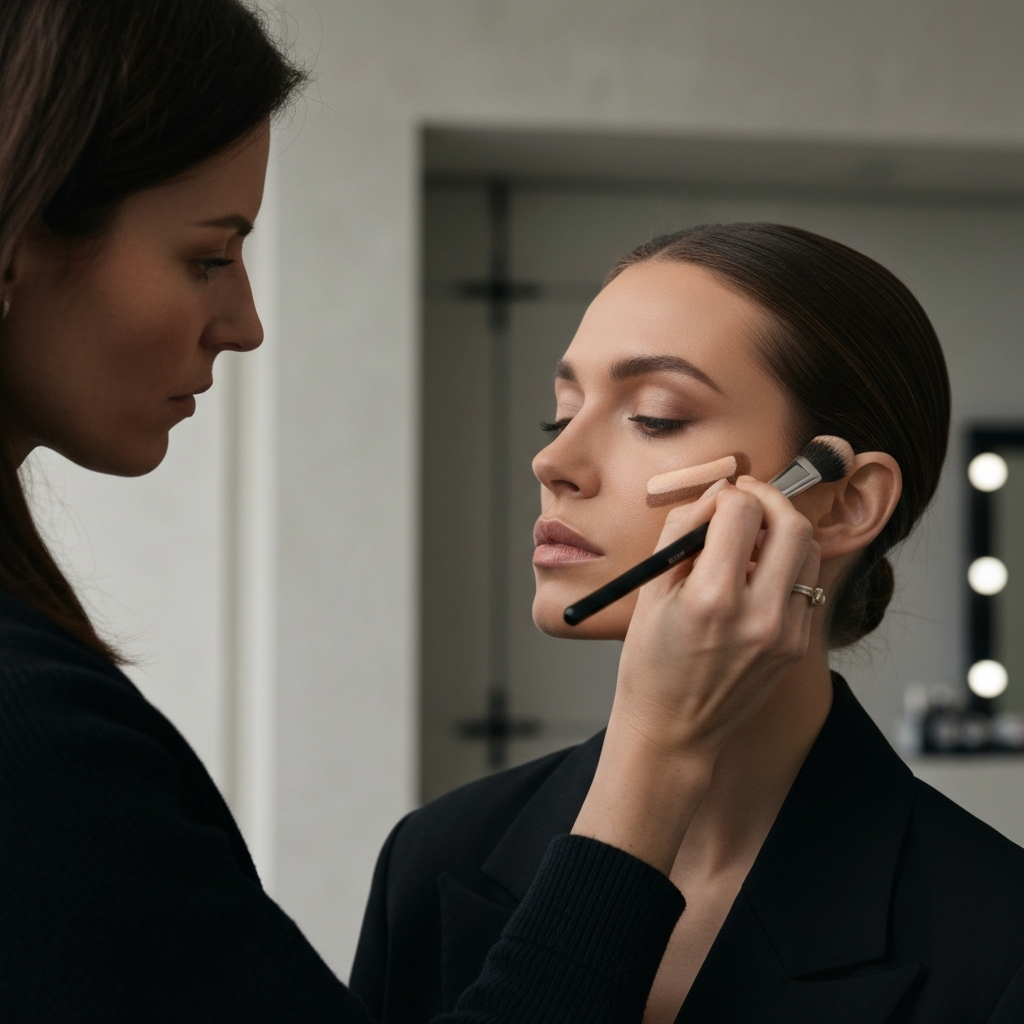
Contouring with makeup can create the illusion of a more sculpted and defined face. Use a contour shade (a few shades darker than your skin tone) to create shadows in areas like the hollows of your cheeks, along your jawline, and at your temples. Blend the contour shade well to avoid harsh lines. Highlight the high points of your face, such as your cheekbones and the bridge of your nose, to further enhance definition.
Step 7: Choose a Flattering Hairstyle
Hairstyles to Slim the Face
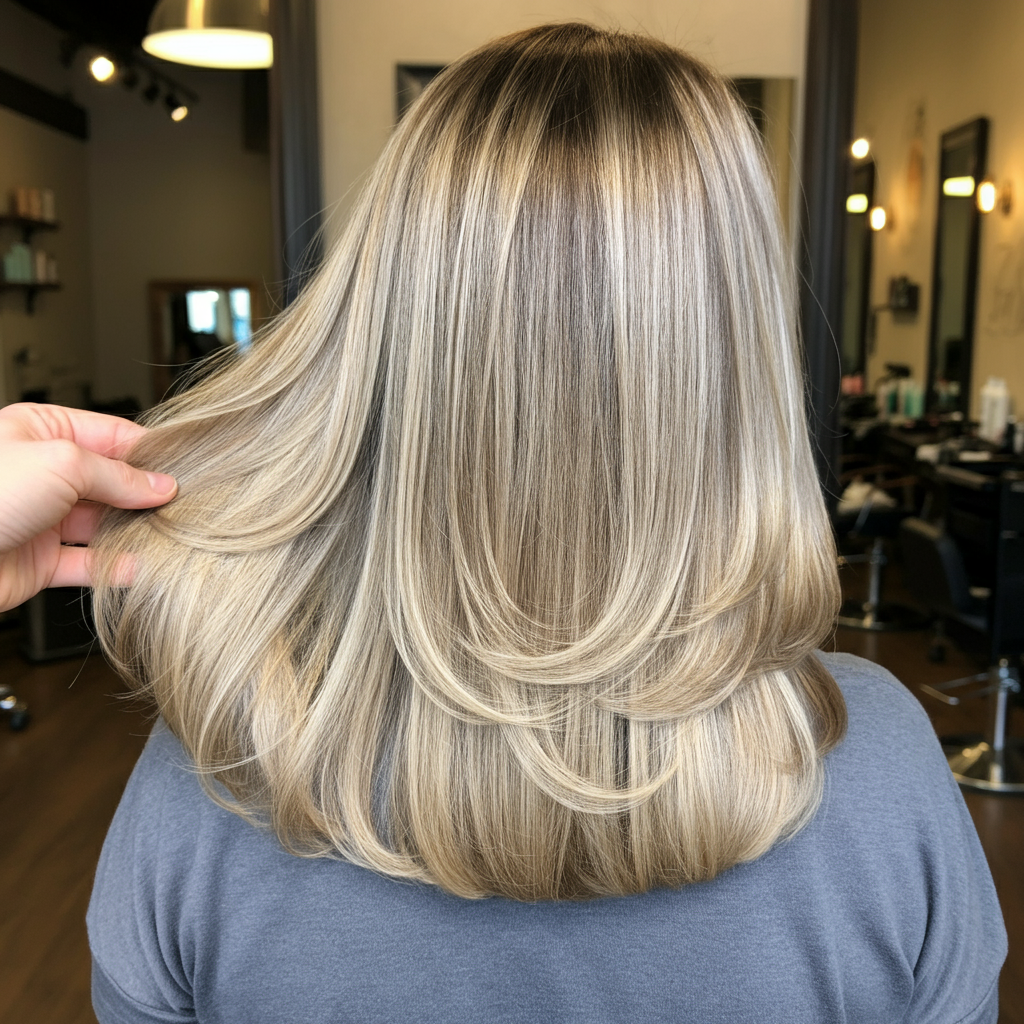
Your hairstyle can significantly impact the perceived shape of your face. Hairstyles with volume at the crown can help elongate the face, while face-framing layers can soften a rounder face. Avoid blunt cuts that end at the chin, as they can accentuate roundness. Consider highlights and lowlights to add dimension and create shadows that can slim the face. Consulting a stylist can help you find the perfect cut and color for your face shape.
Step 8: Consider Cosmetic Procedures
Professional Options for Facial Slimming
Several cosmetic procedures can alter facial fat and shape. Buccal fat removal involves surgically removing fat pads from the cheeks, creating a more sculpted appearance. Facial liposuction removes excess fat deposits. Non-surgical options like dermal fillers and Botox can be used to contour and define the face. It's crucial to consult with a qualified and experienced cosmetic surgeon to discuss the risks, benefits, and suitability of these procedures.

Step 9: Be Patient
Time and Natural Changes
Facial fat distribution and volume naturally change over time. As you age, you may notice a decrease in facial fullness and a more defined bone structure. Patience is key, and it's important to accept and appreciate your natural features at every stage of life. Remember that beauty is subjective, and what's considered attractive varies across cultures and time periods.
Tools or Materials Required
- Makeup brushes
- Contouring palette
- Highlighter
- Facial oil
- Gua sha tool (optional)
Common Mistakes to Avoid
- Over-contouring, which can look unnatural
- Dehydration, which can lead to puffiness
- Unrealistic expectations about facial fat loss
Pro Tips
- Focus on overall health and well-being rather than solely on facial appearance.
- Experiment with different makeup techniques to find what works best for your face shape.
- Consult with professionals, such as stylists and doctors, for personalized advice.
FAQ Section
- Can facial exercises really slim my face?
- While there's limited scientific evidence, many people find that facial exercises improve muscle tone, which can create a more defined look.
- How long does it take to see results from these methods?
- Results vary depending on the individual and the techniques used. Dietary and exercise changes can take several weeks or months to show noticeable effects. Makeup and hairstyling provide immediate, temporary changes.
- Are cosmetic procedures safe for facial slimming?
- Cosmetic procedures carry risks and potential side effects. It's essential to consult with a qualified and experienced surgeon to understand these risks and determine if a procedure is right for you.
Conclusion
While genetics play a significant role in determining your facial features, you can influence your appearance through a combination of lifestyle changes, makeup techniques, and, if desired, cosmetic procedures. Focus on adopting a healthy lifestyle, experimenting with flattering hairstyles and makeup, and setting realistic expectations. Remember that self-acceptance and confidence are the most important aspects of beauty.