The roar of the crowd, the weight of expectation, the adrenaline coursing through your veins – these are the sensations that define the moments before a big sports game. But harnessing that energy and channeling it into peak performance requires more than just natural talent. It demands a calculated approach to mental and physical preparation. This guide is your blueprint for transforming pre-game jitters into unbridled confidence and laser-like focus.
Many athletes underestimate the importance of pre-game rituals. They might rely on outdated routines, generic advice, or simply wing it. However, a personalized and well-executed pre-game strategy can be the difference between victory and defeat. We'll delve into proven techniques that cater to different personality types and sporting disciplines, ensuring you're primed for success from the first whistle.
From visualization exercises to strategic fueling, we'll cover every aspect of pre-game preparation. Get ready to unlock your full potential and dominate the competition.
Step 1: Understand Your Pre-Game Anxiety
Identify Your Triggers
The first step in conquering pre-game anxiety is understanding its source. What specific thoughts, situations, or stimuli trigger your nervousness? Is it the pressure of the crowd, the fear of failure, or the uncertainty of the opponent? Keeping a journal leading up to important games can help you identify these patterns. Write down your thoughts, feelings, and physical sensations in the hours before training sessions and competitions. This self-awareness is crucial for developing effective coping mechanisms.

Step 2: Master the Art of Visualization
Mental Rehearsal for Success
Visualization is a powerful tool that allows you to mentally rehearse successful performance. Before the game, find a quiet place where you can relax and focus. Close your eyes and imagine yourself executing your skills flawlessly. See yourself making the perfect pass, scoring the winning goal, or making a critical defensive play. Engage all your senses – feel the texture of the ball, hear the roar of the crowd, smell the scent of the field. The more realistic your visualization, the more effective it will be.

Step 3: Fuel Your Body Strategically
Nutrition for Peak Performance
Proper nutrition is essential for providing your body with the energy it needs to perform at its best. Avoid heavy, greasy foods in the hours leading up to the game. Instead, focus on complex carbohydrates like whole grains, fruits, and vegetables, which provide sustained energy release. Hydration is equally important – drink plenty of water or sports drinks to stay properly hydrated. Avoid sugary drinks, which can lead to energy crashes. Experiment with different pre-game meals and snacks to find what works best for your body.

Step 4: Create a Pre-Game Ritual
Establish a Consistent Routine
A consistent pre-game ritual can provide a sense of control and predictability, reducing anxiety and boosting confidence. This ritual can include a variety of elements, such as listening to music, stretching exercises, or reviewing game plans. The key is to find activities that help you focus your mind and prepare your body for the challenge ahead. Stick to your ritual consistently, regardless of the location or importance of the game.

Step 5: Control Your Breathing
Harness the Power of Breathwork
Deep, controlled breathing can help you calm your nerves and focus your attention. Before the game, practice simple breathing exercises, such as diaphragmatic breathing (belly breathing). Inhale slowly through your nose, allowing your abdomen to expand, and exhale slowly through your mouth. This technique can help lower your heart rate, reduce muscle tension, and improve mental clarity. You can also use breathing exercises during the game to manage stress and maintain composure.

Step 6: Embrace Positive Self-Talk
Challenge Negative Thoughts
Negative thoughts can undermine your confidence and hinder your performance. Challenge these thoughts by replacing them with positive affirmations. Remind yourself of your strengths, your accomplishments, and your preparation. Focus on what you can control, such as your effort and attitude, rather than dwelling on factors you can't control, such as the outcome of the game. Surround yourself with positive people who support your goals.

Step 7: Focus on the Process, Not the Outcome
Embrace the Journey
Obsessing over the outcome of the game can increase anxiety and pressure. Instead, focus on the process – the steps you need to take to achieve your goals. Concentrate on executing your skills to the best of your ability, making smart decisions, and working as a team. By focusing on the present moment, you can minimize distractions and maximize your performance. Remember that every game is an opportunity to learn and grow, regardless of the result.
Pro Tips
- Listen to Music: Curate a playlist of upbeat, motivational songs to energize you before the game.
- Stay Organized: Pack your gear well in advance to avoid last-minute stress.
- Arrive Early: Give yourself plenty of time to warm up and get mentally prepared.
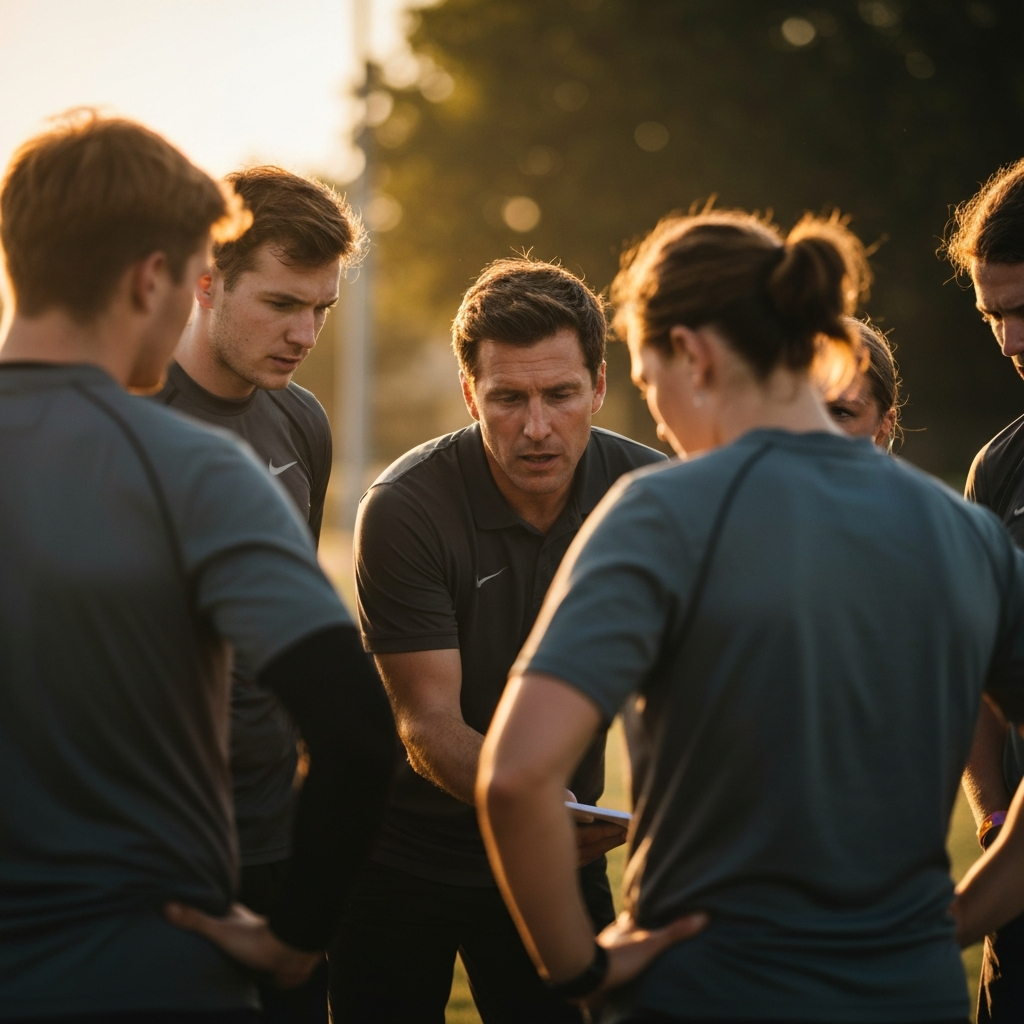
- Talk to Your Coach: Discuss any concerns or questions you have about the game plan.
FAQ Section
- Q: What if I still feel nervous even after trying these techniques?
- A: It's normal to feel nervous before a big game. The key is to manage your anxiety, not eliminate it completely. If your anxiety is overwhelming, consider seeking help from a sports psychologist.
- Q: How long before the game should I start my pre-game ritual?
- A: The ideal timing will vary depending on your individual needs and preferences. Experiment with different schedules to find what works best for you.
- Q: What if something unexpected happens before the game and throws off my routine?
- A: Try to remain flexible and adapt to the situation. Focus on what you can control and don't let unexpected events derail your mental preparation.
Conclusion
Getting pumped before a big sports game is a blend of mental fortitude, strategic preparation, and unwavering self-belief. By understanding your anxiety triggers, mastering visualization, fueling your body wisely, establishing a consistent routine, and embracing positive self-talk, you can transform pre-game jitters into unbridled confidence. Remember, the journey to victory begins long before the first whistle. Commit to these techniques, refine them to fit your unique needs, and unlock your full potential on the field.