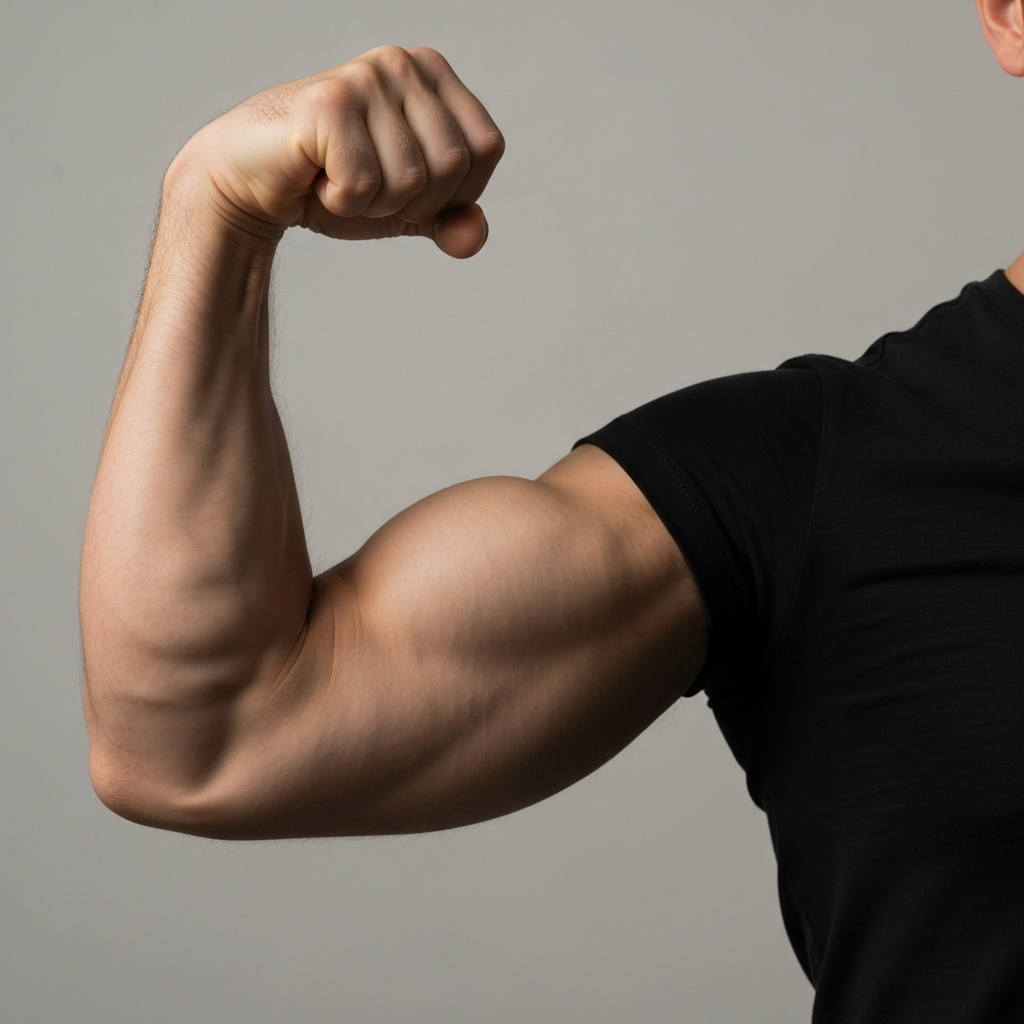
A muscle imbalance in your biceps occurs when one bicep is noticeably stronger or larger than the other. This is a common issue, often stemming from dominant-side usage or slight variations in training habits. While it might not always be visually apparent, a biceps imbalance can lead to discomfort, reduced performance in exercises, and potentially even injury if left unaddressed.
Fortunately, correcting a biceps imbalance is achievable through targeted exercises and mindful adjustments to your workout routine. This guide provides a step-by-step approach to identifying and fixing muscle imbalances in your biceps, allowing you to achieve symmetrical strength and optimal arm function. Remember to listen to your body and consult with a healthcare professional or certified trainer if you experience pain or have concerns.
The key to success lies in consistently applying the principles outlined below. With dedication and patience, you can overcome this imbalance and unlock your full potential. Let's get started!
Step 1: Identify the Weaker Bicep
The first step is to accurately identify which bicep is weaker. Don't rely solely on visual assessment, as size discrepancies can be deceiving. A more reliable method is to perform a series of unilateral bicep exercises, focusing on controlled movements and observing your performance. Pay close attention to which arm struggles to complete the full range of motion or reaches fatigue sooner. This arm is likely your weaker bicep and the primary target for corrective exercises.
Step 2: Prioritize Unilateral Exercises
Unilateral exercises are movements performed on one side of the body at a time. These are crucial for correcting muscle imbalances because they prevent the stronger side from compensating for the weaker side. By isolating each bicep, you force the weaker side to work independently and catch up in strength. Examples of effective unilateral bicep exercises include dumbbell concentration curls, hammer curls, and incline dumbbell curls.

Step 3: Start Sets with Your Weaker Arm
When performing your bicep exercises, always begin your sets with the weaker arm. This ensures that the weaker bicep receives the maximum amount of effort and attention before fatigue sets in. Perform as many repetitions as you can with good form on the weaker side, and then match that number of repetitions on the stronger side. Avoid pushing the stronger arm beyond the point where the weaker arm stopped; this will only exacerbate the imbalance.

Step 4: Choose an Appropriate Weight
Select a weight or resistance level that challenges your weaker bicep while allowing you to maintain proper form throughout the entire set. It's tempting to use a heavier weight on your stronger arm, but this defeats the purpose of correcting the imbalance. Ego should be left at the door; opt for a weight that your weaker arm can handle comfortably for the prescribed number of repetitions. As your weaker arm gains strength, you can gradually increase the weight accordingly.

Step 5: Incorporate Tricep Exercises
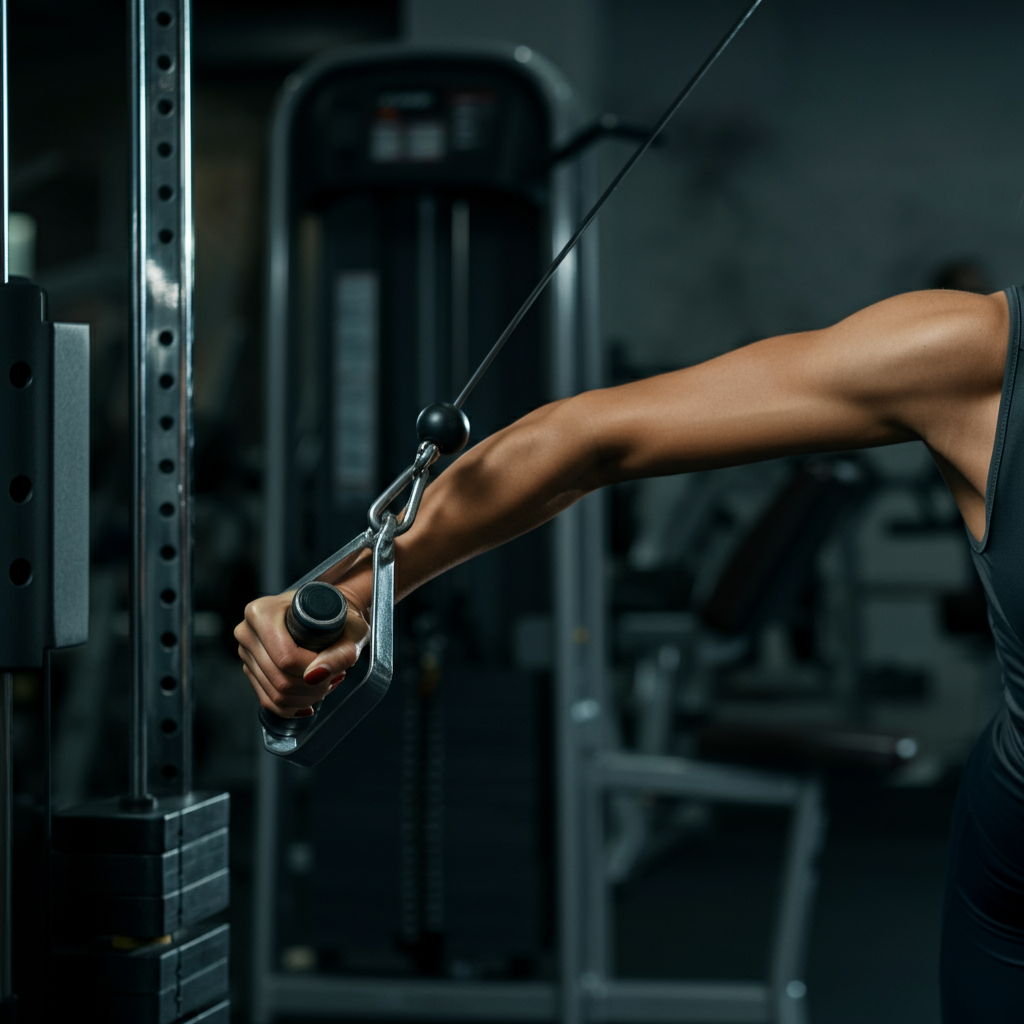
Biceps and triceps are antagonist muscle groups; they work in opposition to each other. A biceps imbalance can sometimes be linked to an imbalance in the triceps. Therefore, it's essential to incorporate tricep exercises into your routine to ensure balanced arm development. Exercises like close-grip bench press, overhead tricep extensions, and tricep pushdowns can contribute to overall arm strength and symmetry. A balanced workout promotes optimal joint health and reduces the risk of injury.
Step 6: Track Your Progress
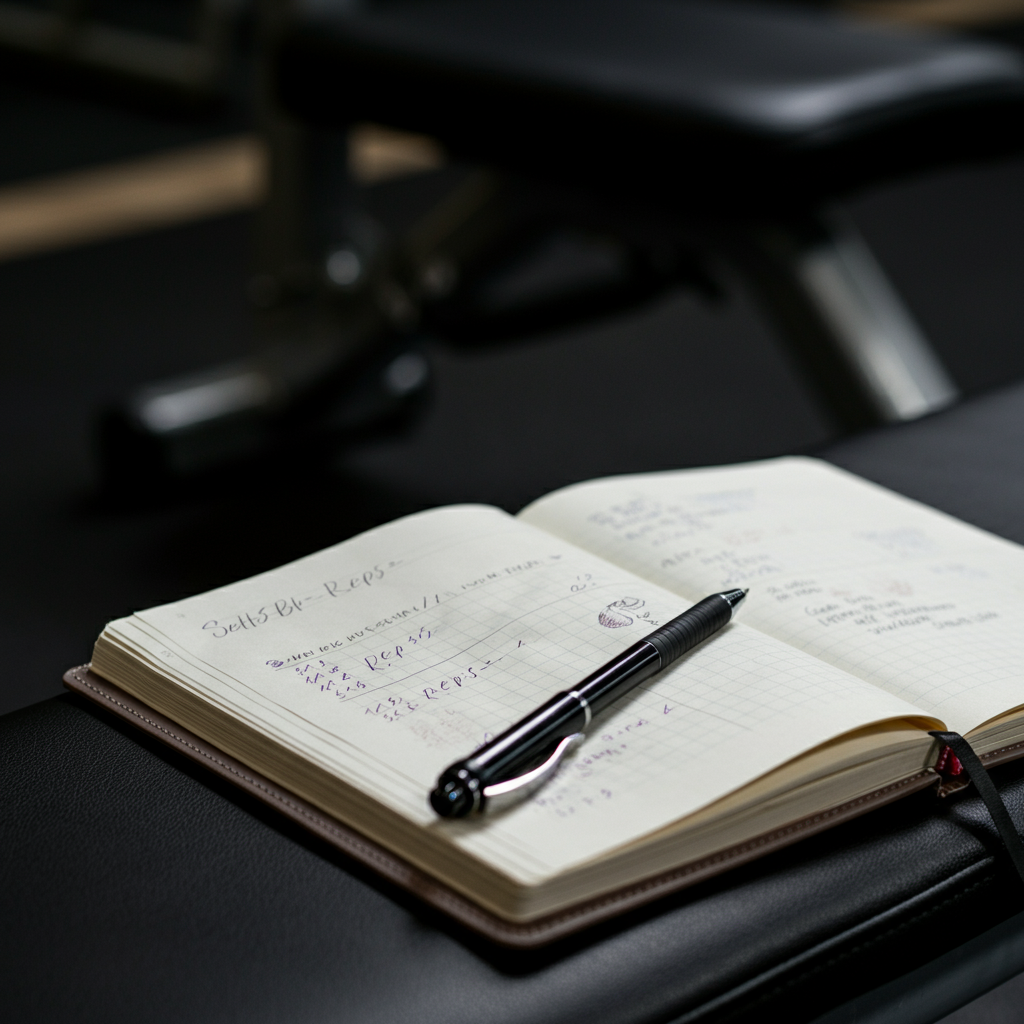
Regularly track your progress by recording the weight, repetitions, and sets you perform for each bicep exercise. This data will help you monitor improvements in strength and identify any plateaus or setbacks. Consider taking occasional measurements of your biceps circumference to objectively assess changes in muscle size. This detailed record-keeping will provide valuable insights into the effectiveness of your corrective training program.
Step 7: Mind-Muscle Connection
Focus intently on the muscle you are working during each repetition. Visualize the bicep contracting and extending as you perform the exercise. This mind-muscle connection enhances muscle activation and recruitment, leading to more effective workouts. A stronger mind-muscle connection is especially beneficial when targeting the weaker bicep, as it helps to maximize its potential for growth and strength gains.

Common Mistakes to Avoid
- Using momentum to swing the weight instead of controlling the movement.
- Performing too many repetitions on the stronger arm, further exacerbating the imbalance.
- Neglecting proper warm-up and cool-down routines.
- Using excessive weight before the weaker arm is ready.
- Ignoring pain signals and pushing through injuries.
FAQ Section
Q: How long will it take to fix my bicep imbalance?
A: The timeline varies depending on the severity of the imbalance and your consistency with the corrective exercises. It could take several weeks or months to see noticeable improvements.
Q: Can I still do bilateral exercises?
A: Yes, but prioritize unilateral exercises. Bilateral exercises can still be part of your routine, but ensure that unilateral exercises make up a significant portion of your bicep training.
Q: What if I'm not sure if I have an imbalance?
A: Consult with a personal trainer or physical therapist. They can assess your strength and identify any imbalances that may be present.
Conclusion
Correcting a muscle imbalance in your biceps requires patience, consistency, and a strategic approach. By prioritizing unilateral exercises, starting sets with your weaker arm, selecting appropriate weights, and focusing on the mind-muscle connection, you can gradually bridge the strength gap between your biceps. Remember to track your progress, avoid common mistakes, and seek professional guidance if needed. With dedication and perseverance, you can achieve symmetrical arm strength and optimize your overall fitness.