Football season is more than just touchdowns and tackles; it's about the energy, the camaraderie, and the unwavering support radiating from the sidelines. At the heart of this spirited atmosphere lies the powerful tradition of football cheers. These chants, yells, and calls ignite the crowd, motivate the team, and create an unforgettable game day experience. Whether you're a seasoned cheerleader, a dedicated fan, or a newcomer eager to jump into the excitement, mastering football cheers is essential for amplifying the game's thrill.
This guide dives deep into the world of football cheers, providing you with a comprehensive toolkit of classic, creative, and downright electrifying chants. We'll explore cheers for every game situation, from boosting the defense to celebrating offensive triumphs. By learning these cheers, you'll not only become a more engaged participant but also a vital part of the team's support system.
Get ready to unleash your inner spirit and discover the art of football cheering. Let's get started!
Step 1: Understanding the Basics of Football Cheers
Before diving into specific cheers, it's crucial to understand the core elements that make a cheer effective. A great football cheer should be concise, memorable, and easy for the crowd to pick up. It should also be relevant to the game situation, whether it's a defensive stand, an offensive drive, or simply building team spirit. Volume, enthusiasm, and coordinated movements (like claps, stomps, or arm motions) amplify the cheer's impact. Think about the rhythm and cadence – does it encourage participation? Is it catchy? These factors contribute to the overall effectiveness.
Step 2: Mastering Classic Football Cheers
Every football fan should know the classics. These are the tried-and-true cheers that have echoed through stadiums for generations. Knowing these will enable you to participate easily with any crowd, anywhere! Examples include "Go, Fight, Win," "Defense!" (accompanied by clapping), and the timeless "We Will Rock You" rhythm. When performing these classics, focus on clear pronunciation and synchronized movements. Encourage others around you to join in; the more voices, the better! Don't underestimate the power of these seemingly simple cheers; their familiarity brings people together and creates a sense of unity.
Step 3: Defense-Specific Cheers: The Wall of Sound
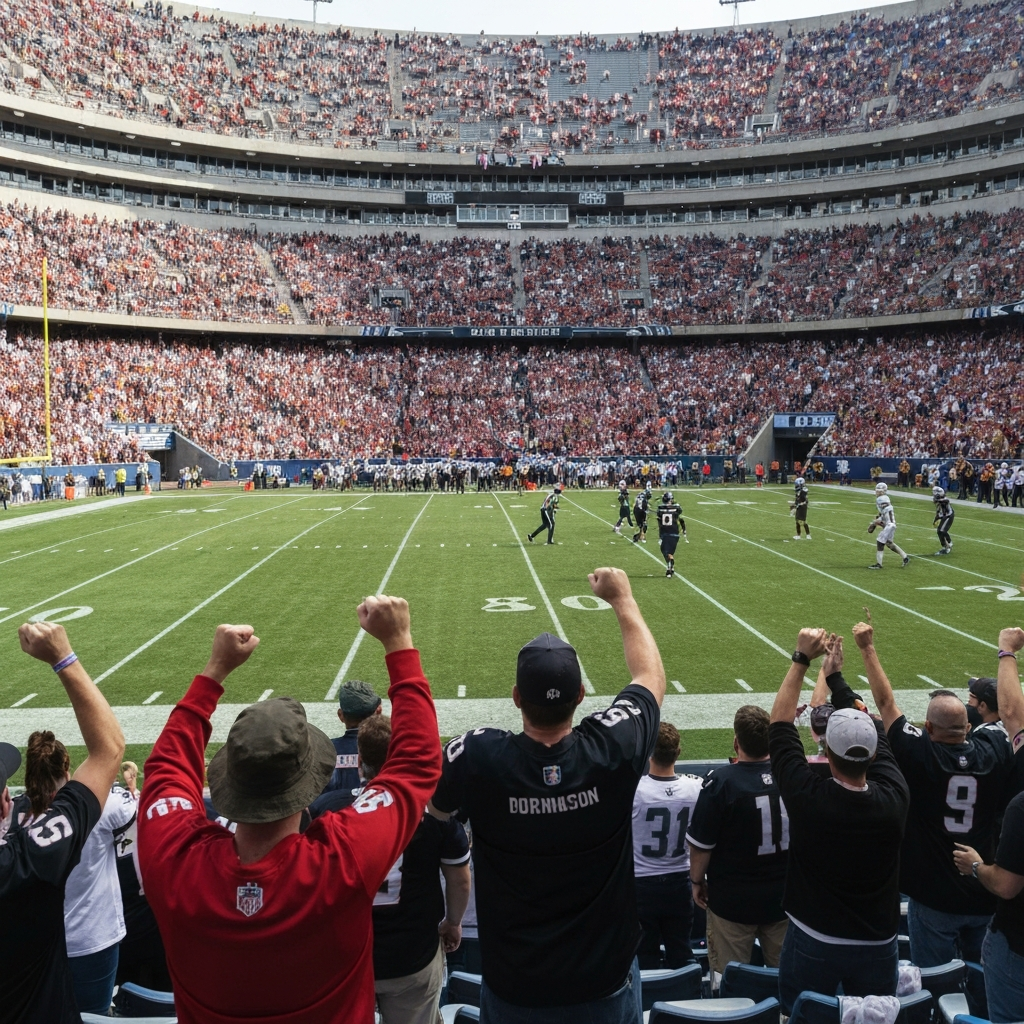
When your team is on defense, it's time to unleash the "wall of sound." These cheers are designed to intimidate the opposing offense and rally your team's defensive players. Effective defensive cheers include phrases like "Hold That Line!", "Block That Score!", and "Take That Ball Away!" Deliver these cheers with intensity and aggression. Stomping your feet or clapping loudly can further enhance the effect. The key is to create an atmosphere of unwavering support that empowers the defense to make crucial stops. Remember, timing is everything – unleash these cheers when the opposing team is approaching the red zone or facing a critical down.
Common Mistakes to Avoid
One common mistake is starting a defensive cheer at the wrong time, like when your team has just made a great defensive play. Save the cheer for when the opposing team is on offense and needs to feel the pressure.
Step 4: Offense-Specific Cheers: Fueling the Drive
Offensive cheers are all about encouragement and positive energy. When your team has the ball, these cheers can help them drive down the field and score. Examples include "Ten Yards!", "End Zone!", and "First and Ten!". Project optimism and belief in your team's ability to advance the ball. Consider adding claps or stomps to emphasize the rhythm and pace of the offensive drive. Visual cues, like pointing towards the end zone, can further enhance the message. Remember, offensive cheers should inspire confidence and create a sense of momentum.
Step 5: Easy and Short Cheers: Get Everyone Involved
Not every cheer needs to be complex or lengthy. In fact, short and easy cheers are often the most effective at getting the whole crowd involved. Simple phrases like "Let's Go Team!", "Fight!", or "Score!" are easy for anyone to pick up and repeat. Use these cheers frequently throughout the game, especially during lulls in the action or when you need to inject some energy into the crowd. Remember, participation is key – the more people who are cheering, the greater the impact on the team.
Step 6: Motivational Cheers: Inspiring Victory
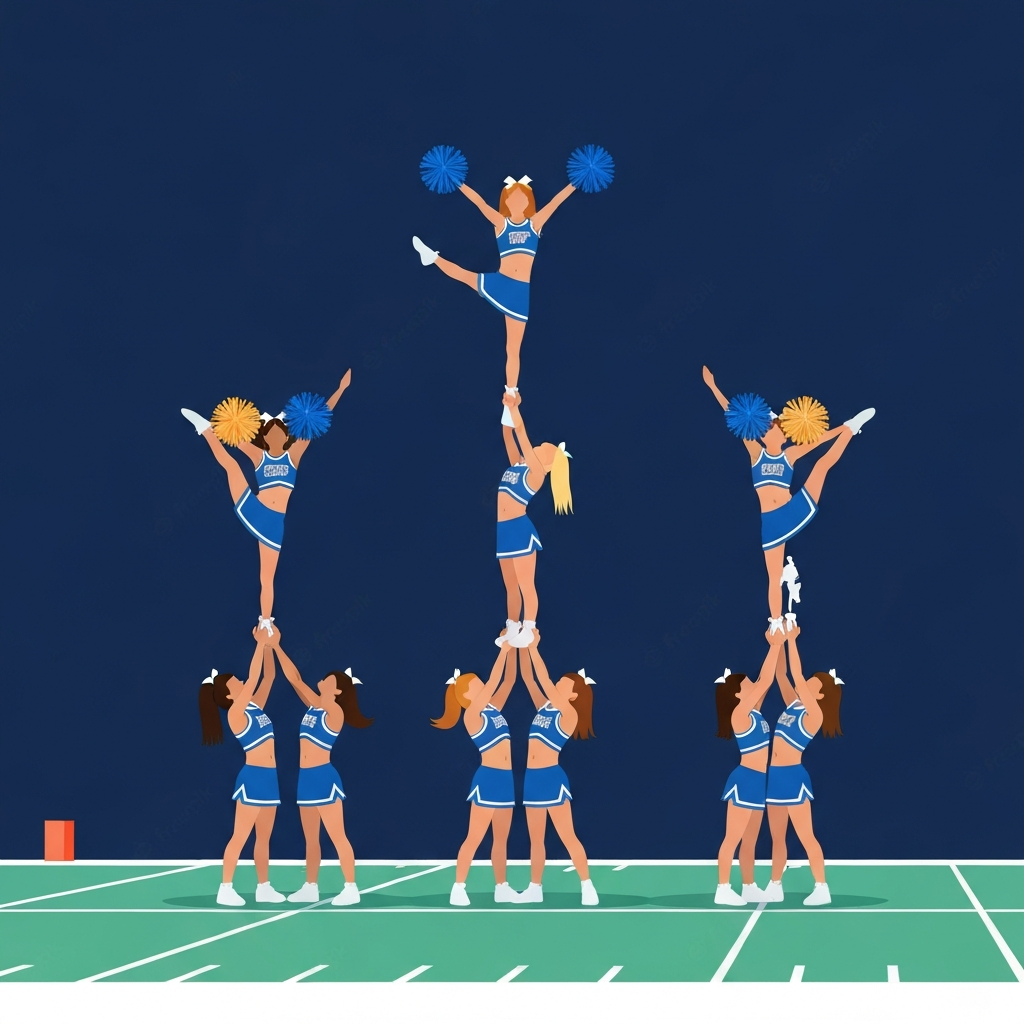
When the game is tight, and the team needs a boost, motivational cheers can make all the difference. These cheers focus on instilling confidence, determination, and a winning attitude. Consider using phrases like "We're the Best!", "Dedicated, Motivated!", or "Victory!" Deliver these cheers with passion and conviction. Believe in what you're saying, and let your enthusiasm be contagious. Motivational cheers can help the team overcome obstacles and push through to victory. A well-timed motivational cheer can completely shift the momentum of a game.
Pro Tips
To maximize the impact of motivational cheers, consider incorporating team slogans or quotes that resonate with the players and coaches.
Step 7: Funny Cheers: Lighten the Mood
Football is a serious game, but it's also meant to be fun! Injecting humor into your cheers can help lighten the mood, relieve tension, and keep everyone entertained. Examples include "Hold Up, Wait a Minute, Let Me Put Some Spirit In It!" or "Peanut Butter, Reese's Cup! You mess with us! We'll kick your butt!" Use these cheers sparingly and at appropriate times, such as during timeouts or when the game is not too intense. The goal is to bring a smile to people's faces and remind them that football is, ultimately, a source of enjoyment.
Step 8: Mastering Timing and Coordination
Knowing the right cheers is only half the battle; timing and coordination are equally important. Pay attention to the flow of the game and choose cheers that are relevant to the current situation. Work with your fellow fans to coordinate cheers, ensuring that everyone is saying the same thing at the same time. Use hand signals or verbal cues to start and stop cheers. The more synchronized your cheering efforts, the greater the impact on the team and the overall atmosphere of the game.
Tools or Materials Required
While not strictly required, having a megaphone can be helpful for leading cheers, especially in larger stadiums. Consider bringing team-colored banners or signs to visually enhance the cheering experience.
Step 9: Adapting Cheers to Your Team
While generic cheers are useful, adapting them to your specific team can make them even more effective. Replace generic terms like "[Team Name]" with your team's actual name or mascot. Incorporate team-specific traditions or inside jokes into your cheers. The more personalized your cheers, the more they will resonate with the players and fans. This also helps establish a unique identity and create a stronger sense of community.
Step 10: Practice and Repetition
Like any skill, mastering football cheers requires practice and repetition. Review the cheers regularly, either on your own or with a group of friends. Attend team practices or scrimmages to observe the game flow and identify opportunities to use specific cheers. The more you practice, the more natural and spontaneous your cheering will become. You'll also develop a better sense of timing and coordination, allowing you to lead cheers with confidence and authority.
Safety Considerations
When cheering, be mindful of your surroundings and avoid obstructing the view of other fans. Be respectful of opposing teams and their fans, and refrain from using offensive or disrespectful language. Stay hydrated, especially during hot weather, and take breaks as needed to avoid fatigue.
FAQ Section
Q: How can I get the whole crowd to participate?
A: Start with easy and familiar cheers, use clear and loud vocal projection, and encourage others around you to join in. Positive energy is contagious!
Q: What should I do if I forget the words to a cheer?
A: Don't panic! Just listen to what others are saying and try to pick up the rhythm. You can also improvise or simply clap along.
Q: Is it okay to cheer for the other team?
A: While friendly competition is encouraged, it's generally considered respectful to primarily support your own team. Avoid taunting or disrespectful behavior towards the opposing team or their fans.
Conclusion
Mastering football cheers is an art that combines enthusiasm, knowledge, and coordination. By understanding the basics, learning a variety of cheers, and practicing regularly, you can become a valuable asset to your team's support system. Remember to adapt cheers to your team, stay safe, and always maintain a positive and respectful attitude. So, get out there, unleash your spirit, and let your voice be heard! Your team is counting on you!