Discovering that your turtle, usually a voracious eater, is suddenly refusing food can be alarming. A turtle's appetite is a key indicator of its overall health, and a lack of it can signal a range of issues, from environmental problems to underlying illnesses. Understanding the potential causes and knowing how to respond is vital for any turtle owner.
This guide provides a step-by-step approach to identifying why your turtle might be refusing to eat and offers practical solutions to stimulate their appetite. We'll explore everything from adjusting their environment and altering their diet to recognizing when professional veterinary attention is necessary. Remember, early intervention is crucial to preventing more serious health complications.
With patience and careful observation, you can often coax your turtle back to their normal eating habits and ensure they remain a healthy and happy member of your family. Let’s dive in and explore the methods you can use to help your turtle regain its appetite and health.
Step 1: Evaluate the Environmental Conditions
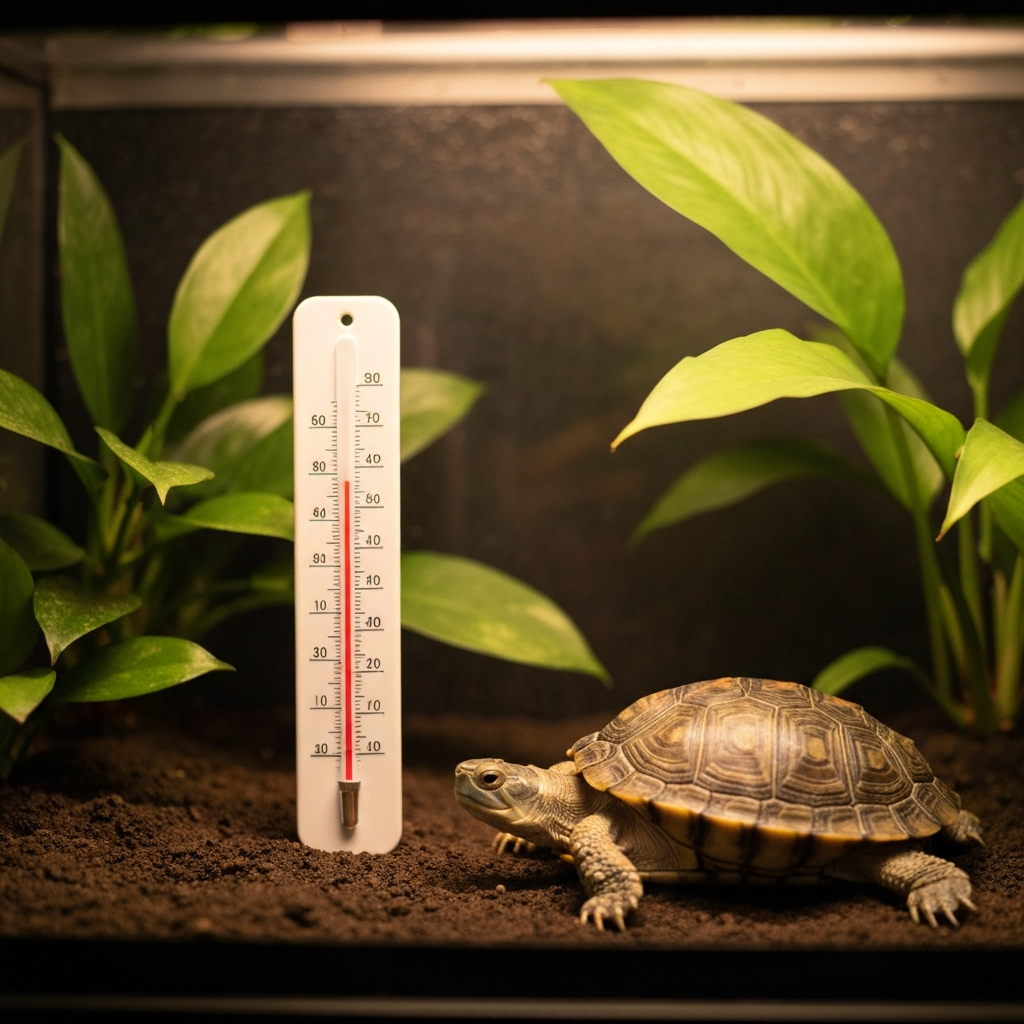
One of the most common reasons for a turtle refusing to eat is an improper environment. Turtles are cold-blooded and rely on external temperatures to regulate their body functions, including digestion. If their habitat is too cold, their metabolism slows down, and they lose their appetite. For aquatic turtles, the water temperature should ideally be around 78 degrees Fahrenheit (25.5 degrees Celsius), with a basking area reaching 80-85 degrees Fahrenheit (26.6-29 degrees Celsius). For terrestrial turtles, provide a thermal gradient with a warm area around 85 degrees Fahrenheit (28 degrees Celsius) and a cooler area between 68 and 72 degrees Fahrenheit (20-22 degrees Celsius). Regularly monitor the temperature with a reliable thermometer and adjust heating elements as needed.
Step 2: Adjust the Lighting
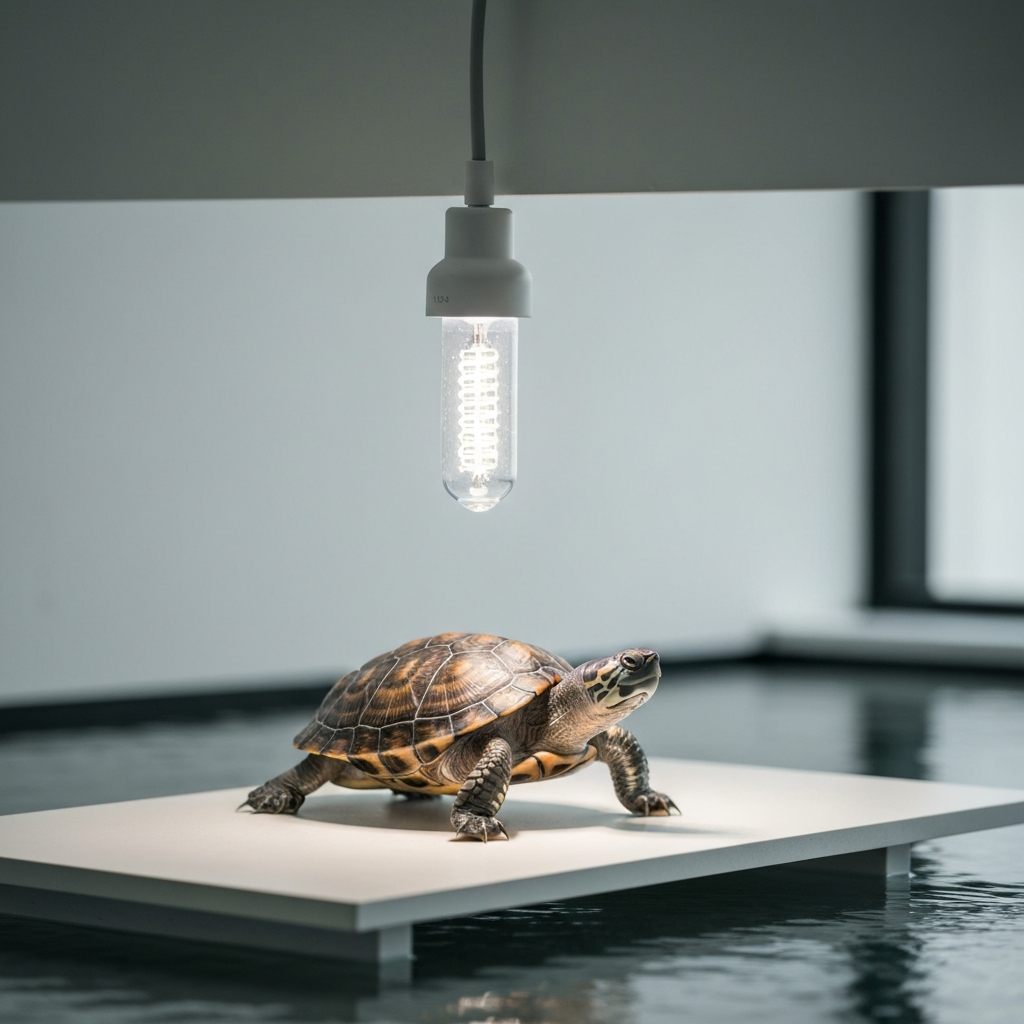
Proper lighting is just as crucial as temperature for a turtle's appetite and overall well-being. Turtles need both UVA and UVB light to synthesize Vitamin D3, which is essential for calcium absorption and bone health. Without adequate UVB light, turtles can develop metabolic bone disease, which can lead to a loss of appetite. Ensure your turtle has access to a UVB bulb for 12-14 hours a day, and replace the bulb every six months, as the UVB output diminishes over time even if the bulb still appears to be working. Additionally, a basking lamp providing UVA light can encourage basking behavior, which aids in digestion and appetite stimulation. If your turtle lives outdoors, be sure to supplement with artificial lighting during seasons with shorter daylight hours.
Step 3: Offer Live Food
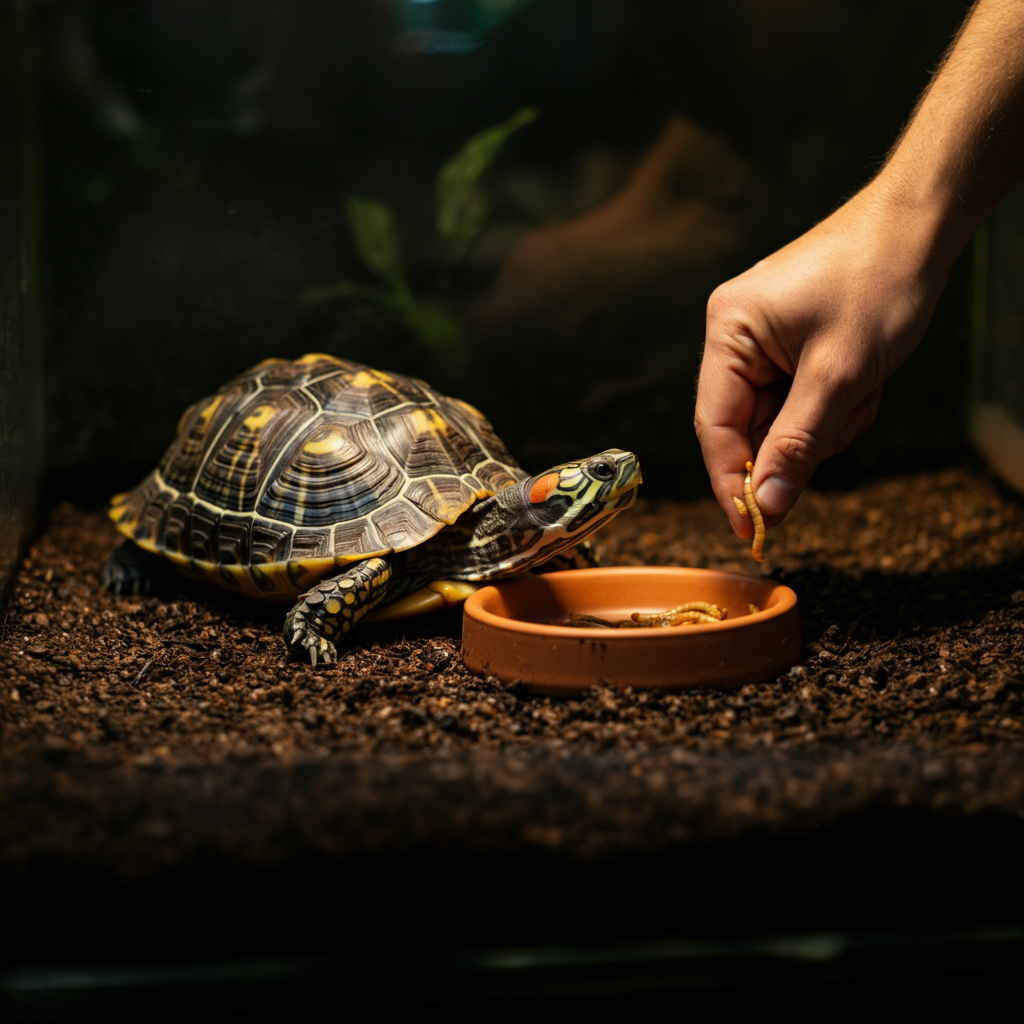
Sometimes, a turtle's refusal to eat stems from boredom with their current diet. Live food can be a highly effective way to entice them to eat, as the movement and natural odors trigger their hunting instincts. Crickets, mealworms, waxworms, earthworms, and small snails are all excellent options. When feeding live food, make sure the size is appropriate for your turtle to prevent choking hazards. You can also vary the types of live food offered to determine your turtle’s preferences. If using earthworms, only use earthworms from bait stores or safe sources, and avoid those from lawns that may have been treated with chemicals.
Step 4: Enhance the Palatability of Pellets
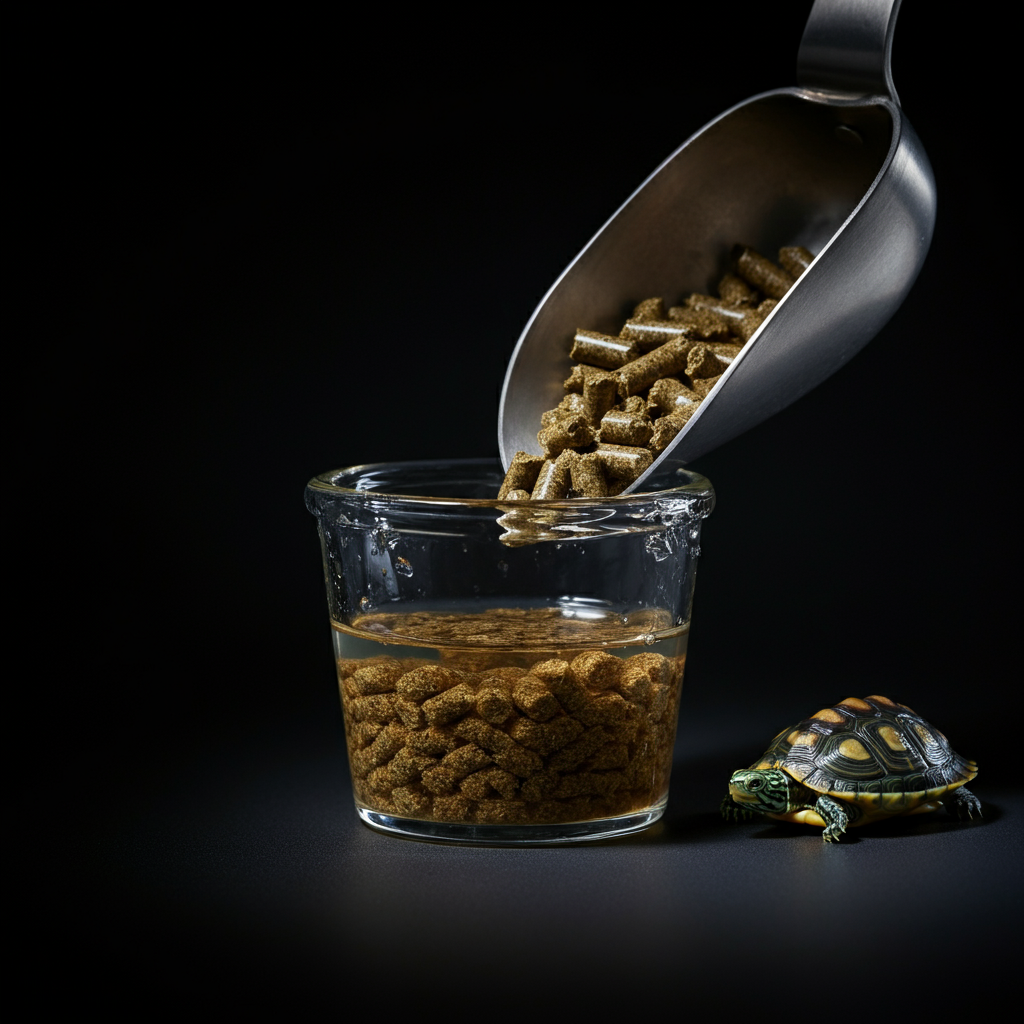
Turtle pellets are a good source of vitamins and minerals, and should be a staple in your turtle’s diet. However, some turtles can be picky about eating them. Try enhancing the palatability of the pellets by soaking them in enticing liquids like tuna water (from canned tuna), fruit juice, or even a non-caffeinated sports drink. The strong smell can attract your turtle and encourage them to eat. Avoid using liquids with high sugar content excessively, as this can lead to health issues. You can also try crushing the pellets and mixing them with small amounts of live food to make them more appealing.
Step 5: Introduce Brightly Colored Foods
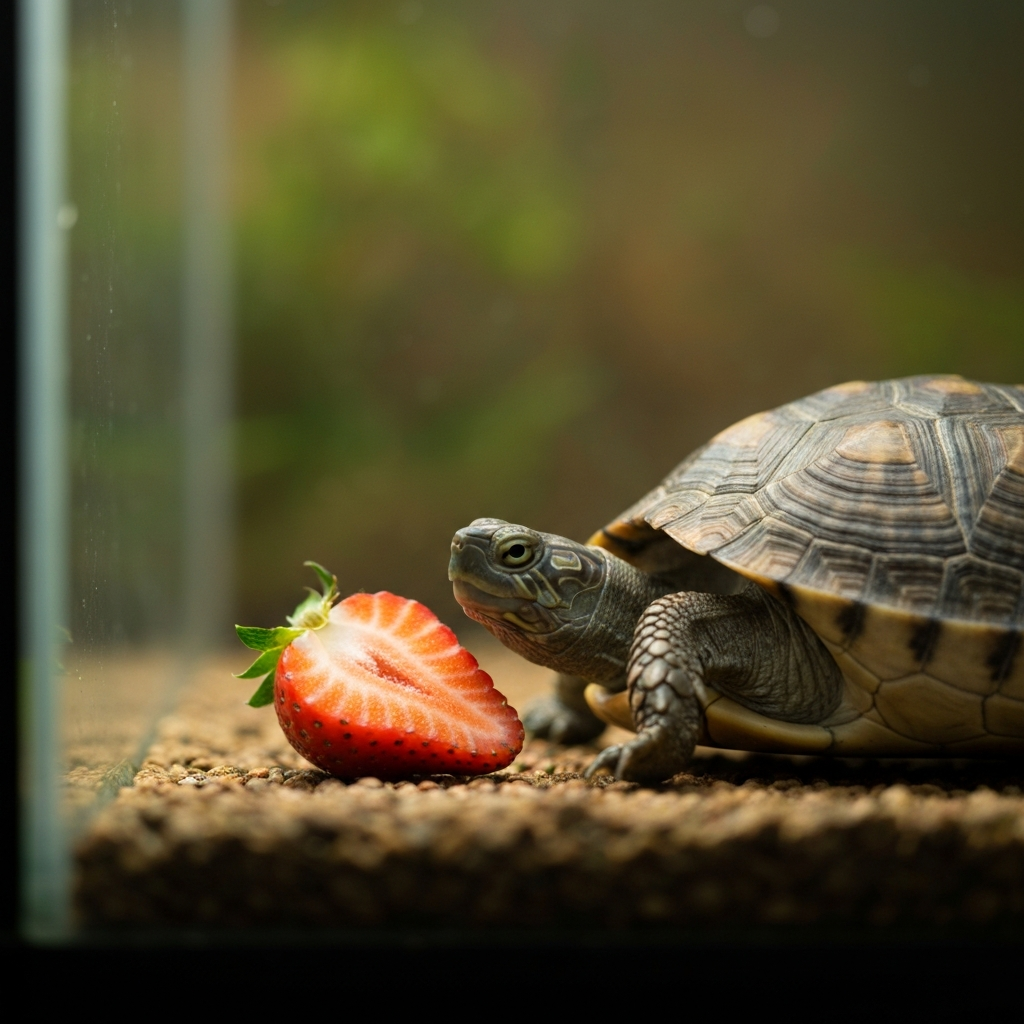
Turtles are often attracted to brightly colored foods. Incorporating colorful fruits and vegetables into their diet can stimulate their appetite. Strawberries, tomatoes, papaya, mango, watermelon, and rose petals are all good options. While fruit shouldn't be a staple, it can be used to entice a turtle to start eating. Vegetables are more important for their long-term health. Soaking vegetables in tuna water, like pellets, can also make them more appealing. Always ensure the food is properly sized and safe for consumption, avoiding any seeds or parts that may be toxic.
Step 6: Experiment with Feeding Times and Locations
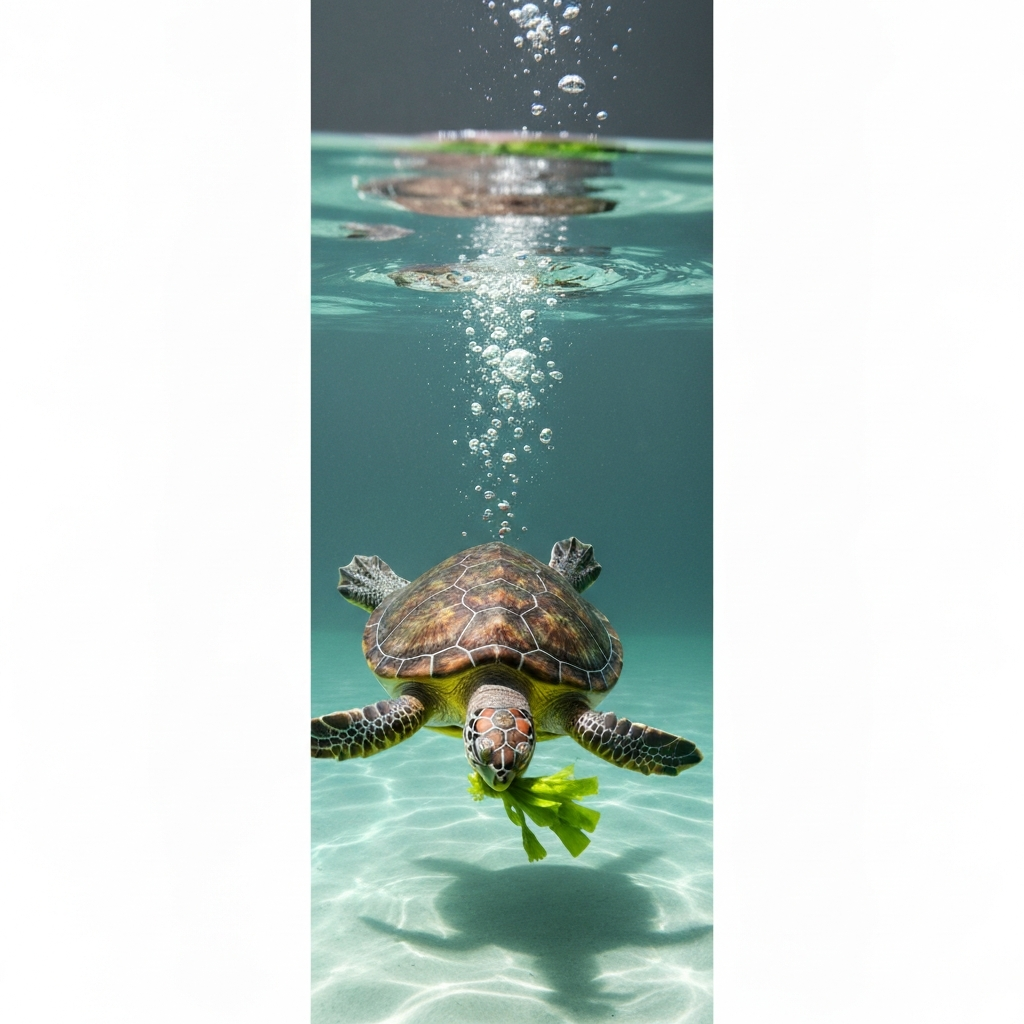
Turtles often have preferences regarding when and where they like to eat. Try feeding your turtle early in the morning, as they tend to be more active at this time. If you have an aquatic turtle, try offering food both in and out of the water to see which location they prefer. For terrestrial turtles, consider placing food in a shaded or secluded area. Keep a feeding diary to track your turtle's preferences and eating habits. This will help you identify patterns and adjust your feeding strategy accordingly. Consider if any recent changes to their enclosure or routine might be affecting their appetite.
Step 7: Rule Out Illness and Stress
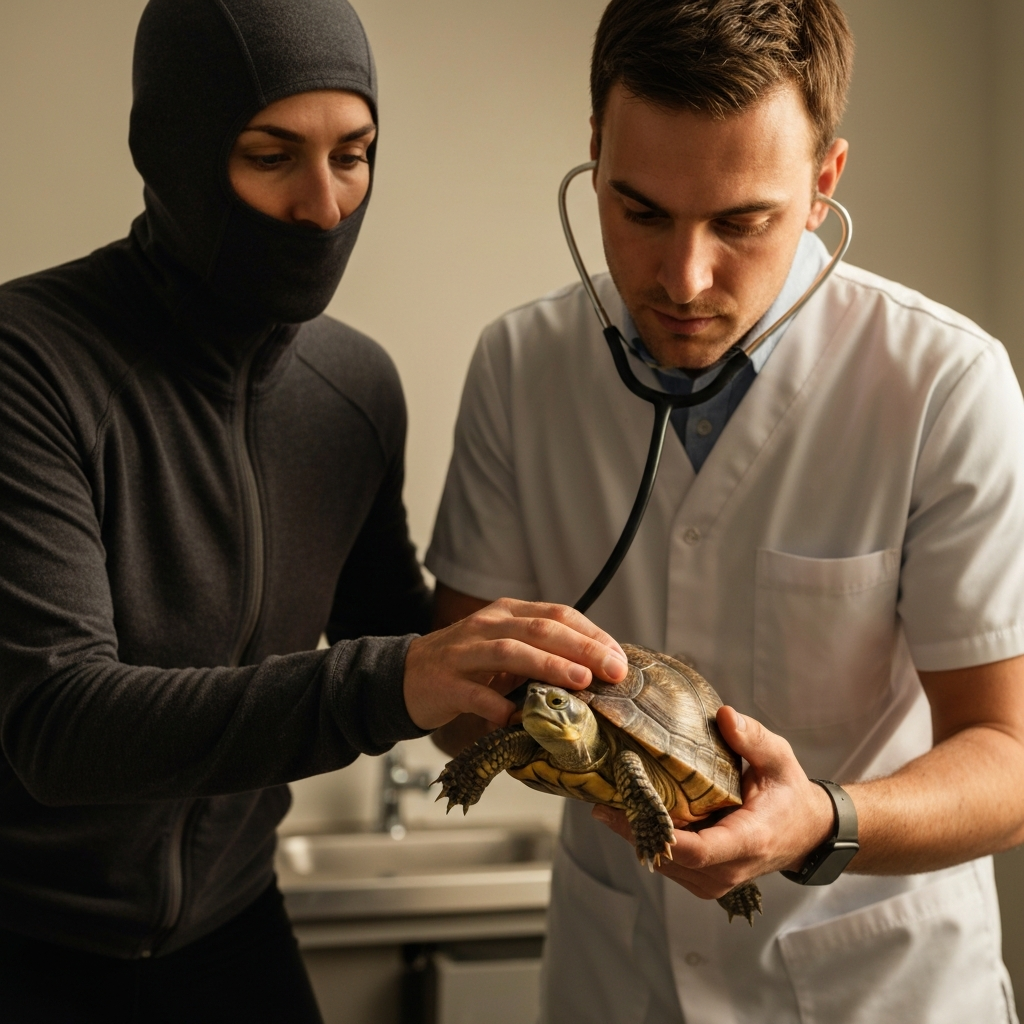
If you've addressed the environmental factors and tried various feeding strategies without success, it's essential to consider that your turtle may be sick or stressed. Signs of illness can include lethargy, wheezing, runny nose, swollen eyes, shell abnormalities, or difficulty breathing. Stress can be caused by a variety of factors, including overcrowding, bullying from other turtles, or a lack of hiding places. If you suspect your turtle is ill, consult a qualified reptile veterinarian (herp veterinarian) immediately. Early diagnosis and treatment can significantly improve your turtle's chances of recovery. Isolate the turtle from other turtles in case of contagious illness.
Step 8: Consider Hibernation
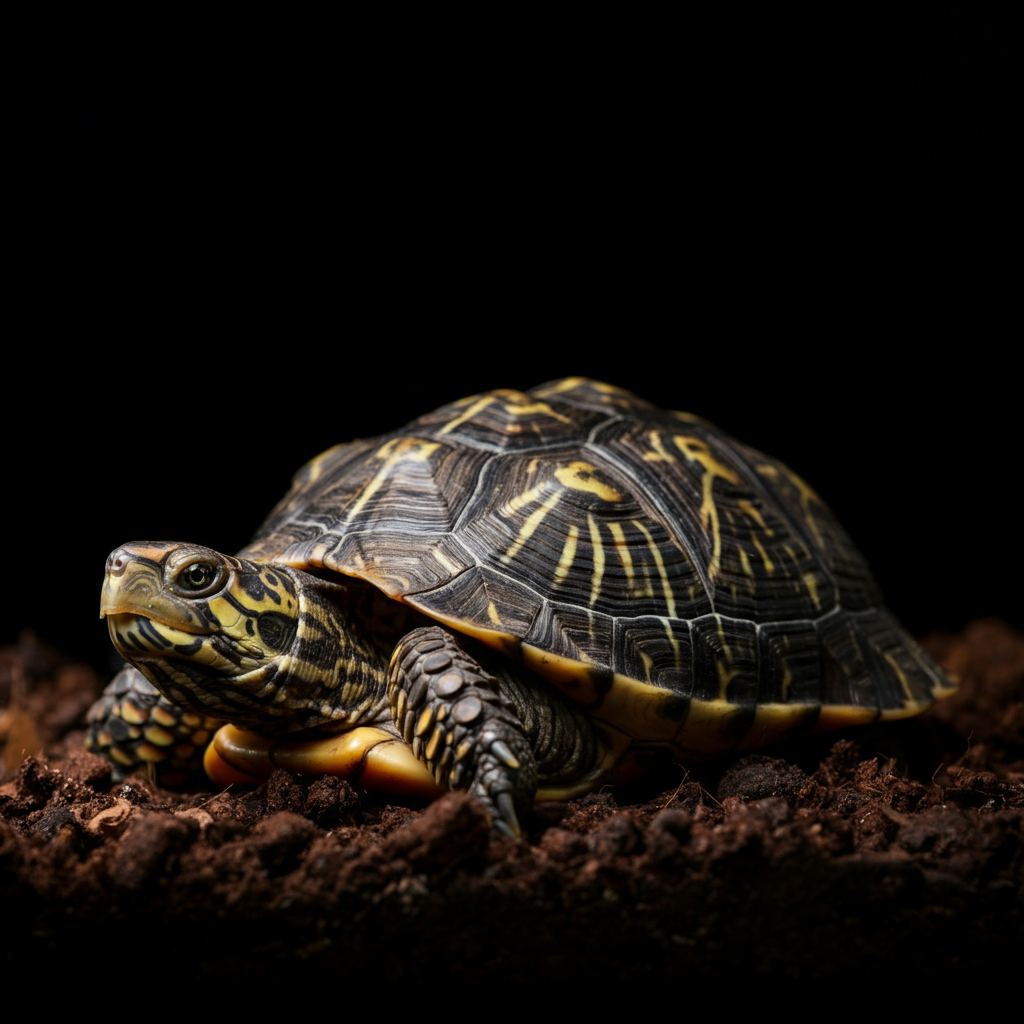
Some turtle species, particularly those from temperate climates, naturally hibernate during the winter months. If you've ruled out other potential causes and it's the appropriate time of year, your turtle may be trying to hibernate. Hibernation is a metabolically demanding process, and only healthy turtles should be allowed to hibernate. Consult with a veterinarian to determine if hibernation is appropriate for your turtle, and follow their guidance on how to prepare them for and manage the hibernation period safely. Premature or improper hibernation can be dangerous.
Safety Considerations
- Always wash your hands thoroughly after handling turtles or their food.
- Avoid feeding turtles food that has been treated with pesticides or herbicides.
- Supervise turtles closely when feeding live food to prevent choking.
- Consult with a veterinarian before making significant changes to your turtle's diet or environment.
FAQ Section
- Q: How often should I feed my turtle?
- A: The frequency of feeding depends on the turtle's age and species. Young turtles generally need to be fed daily, while adult turtles can be fed every other day or a few times a week.
- Q: Can I feed my turtle dog or cat food?
- A: No, dog and cat food are not suitable for turtles and can be harmful to their health.
- Q: What should I do if my turtle still refuses to eat after trying all of these methods?
- A: If your turtle continues to refuse food despite your best efforts, it's essential to seek professional veterinary care.
Conclusion
A turtle refusing to eat can be a stressful experience for any owner, but by systematically addressing potential causes and implementing the strategies outlined in this guide, you can often coax your turtle back to their normal eating habits. Remember to carefully evaluate their environment, experiment with different foods and feeding strategies, and promptly seek veterinary care if you suspect an underlying illness. With patience, observation, and proactive care, you can help your turtle regain its appetite and thrive.