The curtain hairstyle, characterized by a middle part and face-framing layers that resemble curtains, has seen a massive resurgence. From its origins in the 90s to its modern iterations, it's a versatile look adaptable to various hair types and lengths. However, achieving the perfect curtain hair requires more than just a middle part. It demands a strategic approach to cutting, styling, and maintenance. This guide provides expert insights to help you nail this iconic style.
Whether you're aiming for a relaxed, effortless vibe or a more polished, refined appearance, understanding the nuances of curtain hair is crucial. This isn't just about splitting your hair down the middle; it's about creating a harmonious balance between length, texture, and face shape. Prepare to delve into the techniques, tools, and products necessary to transform your hair into a stunning curtain masterpiece.
We'll cover everything from the initial cut to daily styling routines, ensuring you have all the information you need to confidently sport this trendy hairstyle. Let's unlock the secrets to achieving enviable curtain hair.
Step 1: Consulting with a Stylist
Before you even think about picking up scissors, a professional consultation is paramount. A skilled stylist can assess your hair type, face shape, and lifestyle to determine the most flattering variation of the curtain hairstyle for you. Discuss your desired length, the level of layering you're comfortable with, and any specific concerns you might have. Remember to bring reference photos to clearly communicate your vision.

Step 2: Getting the Right Cut
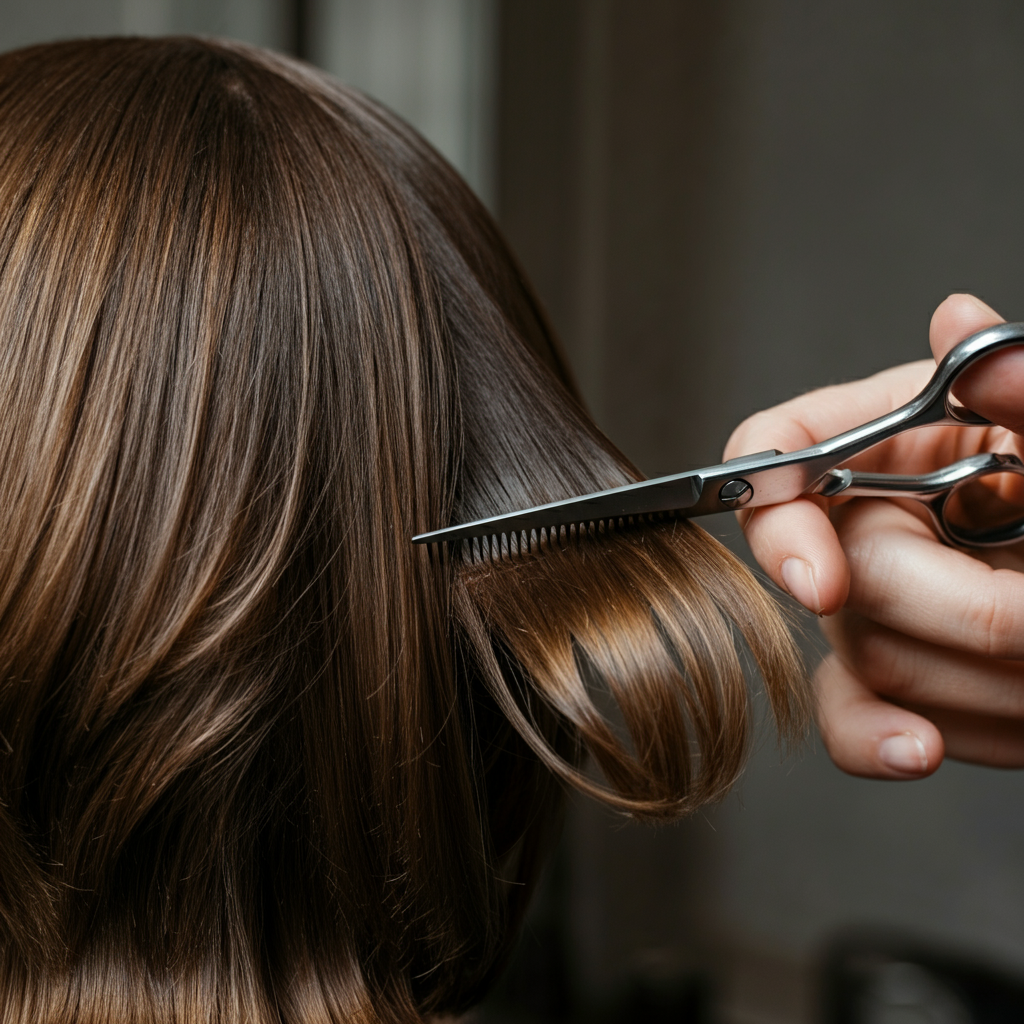
The haircut is the foundation of any great hairstyle, and curtain hair is no exception. The stylist will typically create face-framing layers that start around your cheekbones or jawline, depending on your face shape and desired effect. These layers should gradually blend into the rest of your hair, creating a soft, seamless transition. The length of the layers is crucial; too short, and they might look choppy; too long, and they might not frame your face effectively. For fine hair, ask for textured ends to add volume and movement. For thicker hair, more layers might be necessary to remove weight and prevent a bulky appearance.
Step 3: Mastering the Middle Part
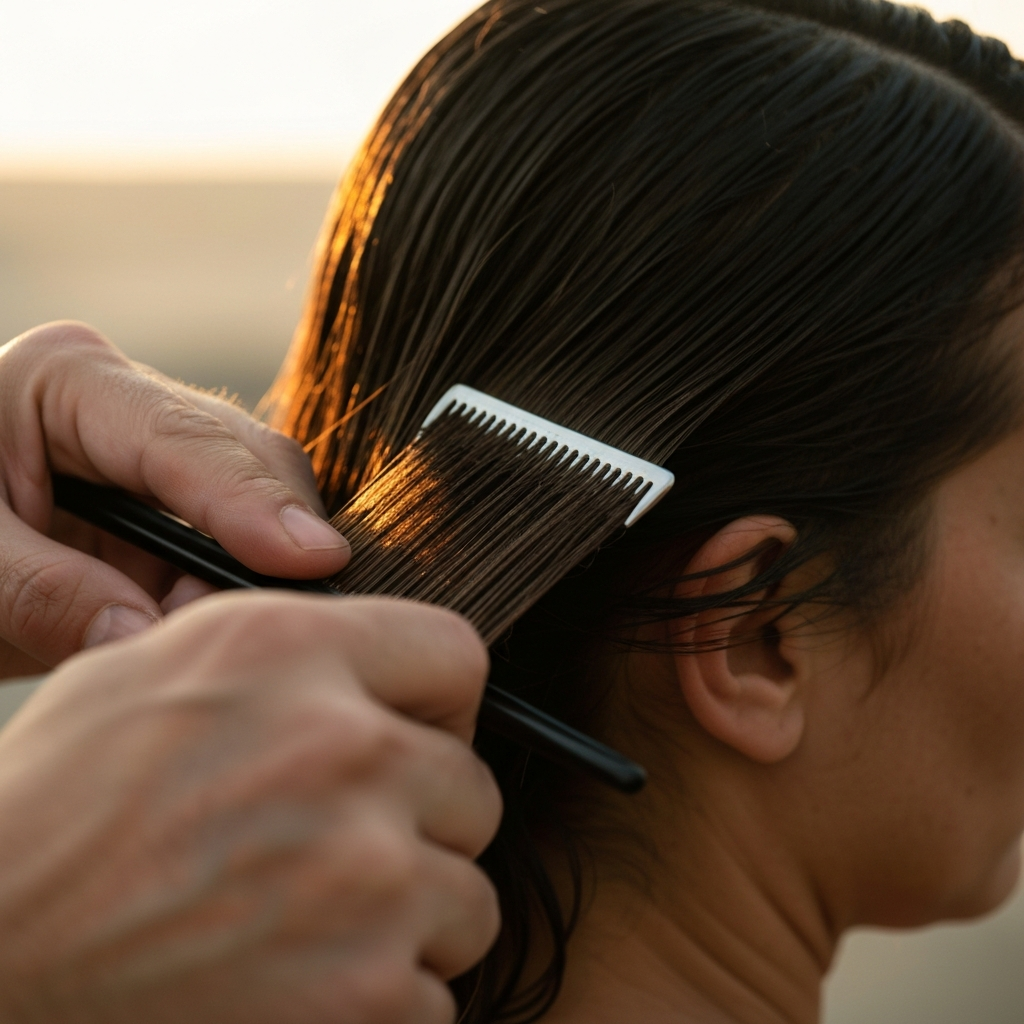
While it seems simple, achieving a perfect middle part is essential for the curtain hair look. Start with damp hair and use a comb to create a precise part that aligns with the center of your forehead and the back of your head. If your hair naturally falls to one side, you might need to train it over time. Use styling products like mousse or gel at the roots to encourage your hair to stay in place. Consider using a wide-tooth comb to avoid creating static and frizz.
Step 4: Styling with Heat (Optional)
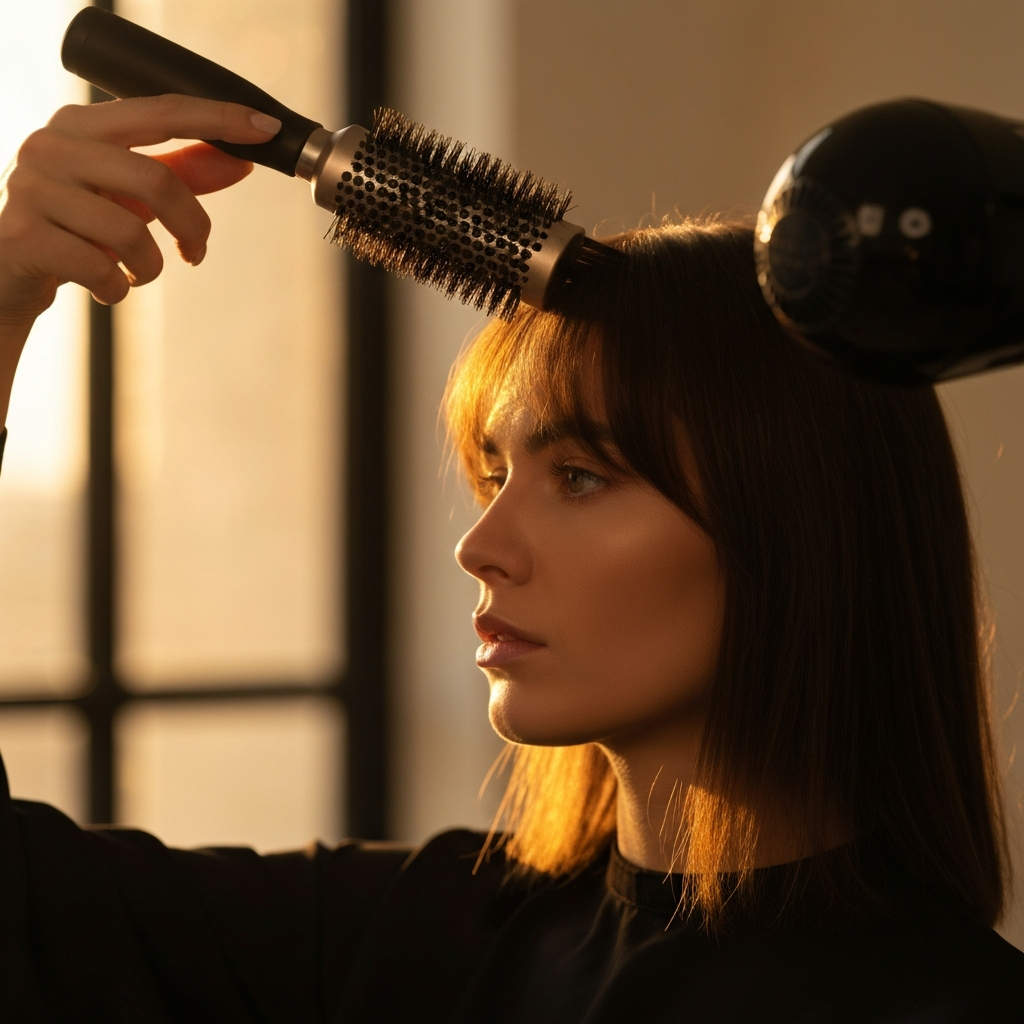
Heat styling can enhance the curtain effect, especially for those with straighter or finer hair. Use a round brush while blow-drying to create volume at the roots and a gentle curve to the face-framing layers. Alternatively, a curling iron or straightener can be used to create soft waves or flicks. Always use a heat protectant spray to minimize damage. Remember to avoid over-styling, as the goal is a relaxed, effortless look. Consider air-drying for a more natural, textured finish.
Step 5: Choosing the Right Products
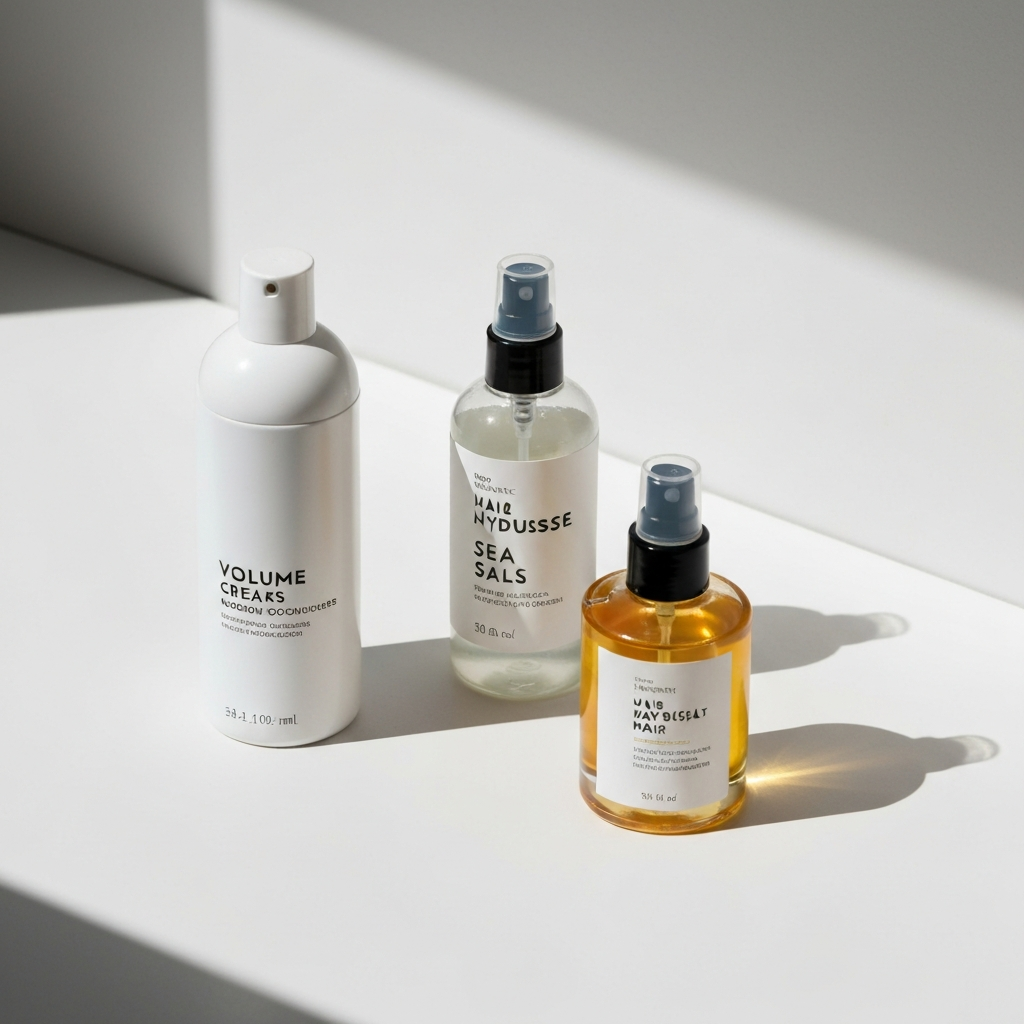
The right products can make all the difference in achieving and maintaining your curtain hair style. For volume, consider a root-lifting mousse or spray. For texture, a sea salt spray or texturizing cream can add definition and movement. To tame frizz and flyaways, a lightweight serum or oil can be applied to the ends of your hair. Avoid heavy products that can weigh your hair down and make it look greasy. Experiment to find the products that work best for your hair type and desired style.
Tools or Materials Required
- Hair Cutting Shears (for trimming)
- Comb
- Round Brush
- Hair Dryer
- Curling Iron or Straightener (optional)
- Heat Protectant Spray
- Styling Mousse or Gel
- Sea Salt Spray or Texturizing Cream
- Lightweight Hair Serum or Oil
Common Mistakes to Avoid
- Cutting the layers too short.
- Creating a part that's not centered.
- Using too much product.
- Over-styling with heat.
- Ignoring your hair type.
Pro Tips
- Regular trims (every 6-8 weeks) are crucial for maintaining the shape and preventing split ends.
- Experiment with different part placements to find what suits your face best.
- Use dry shampoo to refresh your hair between washes and add volume.
- Sleep on a silk pillowcase to reduce friction and prevent frizz.
FAQ Section
- How do I get my hair to part naturally in the middle?
- Train your hair by consistently parting it in the middle while damp. Use clips to hold it in place as it dries. Over time, your hair will naturally fall into the middle part.
- What if I have cowlicks?
- Cowlicks can make a middle part challenging. Consult with your stylist for strategies like strategically placed layers or styling techniques that work with your cowlick.
- Can I get curtain bangs with curly hair?
- Absolutely! Curtain bangs can look fantastic with curly hair. Just be sure to work with a stylist experienced in cutting curly hair, as the length and layering will need to be adjusted to accommodate your curl pattern.
In conclusion, achieving the perfect curtain hair is a journey that requires careful planning, skilled execution, and consistent maintenance. By consulting with a professional stylist, mastering the middle part, using the right products, and avoiding common mistakes, you can confidently rock this stylish and versatile hairstyle. Remember, the key is to find a variation that complements your face shape, hair type, and personal style. Now go forth and embrace the curtain hair trend!