Modesty is a core principle in Islam, and for many Muslim girls and women, it's reflected in the way they choose to dress. The concept of modesty, often referred to as hijab, encompasses more than just clothing; it represents a way of carrying oneself with grace, respect, and dignity. While the Quran provides guidance on modest dress, the interpretation and expression of it can vary widely among individuals and communities.
This guide offers practical advice and insights on how to navigate the world of modest fashion, blending personal style with Islamic values. It's designed to be a helpful resource for Muslim girls seeking to express their faith through their clothing choices, whether or not they choose to wear a headscarf. We aim to empower you to make informed decisions about your wardrobe, ensuring you feel comfortable, confident, and true to yourself while adhering to the principles of modesty.
Ultimately, dressing modestly is a personal journey. This guide provides a framework, but it's essential to understand your own interpretation of Islamic teachings and what feels right for you. Your individual level of comfort and understanding of modesty are paramount.
Step 1: Understanding the Principles of Modesty
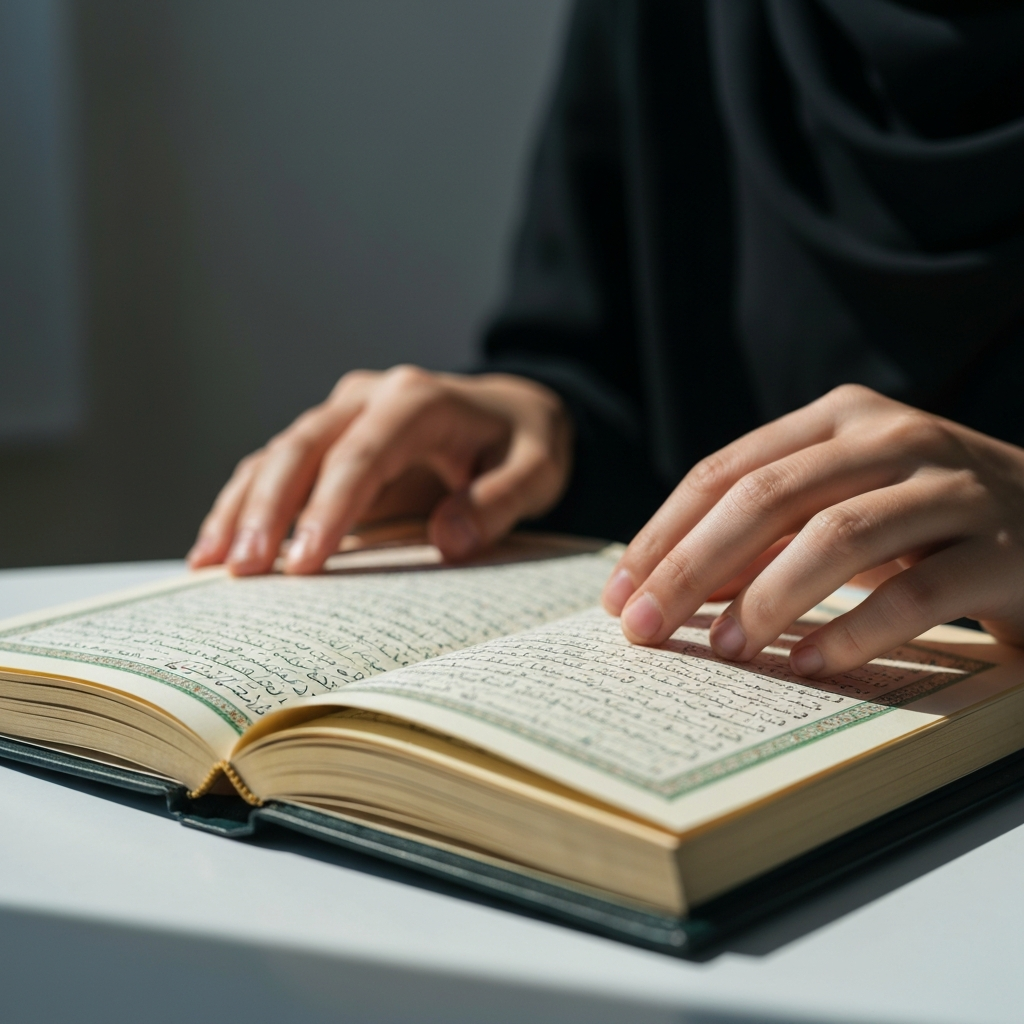
Before delving into specific clothing items and styles, it's crucial to grasp the fundamental principles of modesty in Islam. These principles emphasize covering the body in a way that doesn't draw undue attention or reveal too much. The specific interpretation of these principles can vary, but the core idea is to dress in a way that reflects dignity and respect for oneself and others. Understanding this foundation will help you make informed decisions about your clothing choices.
Step 2: Choosing Whether to Wear a Hijab
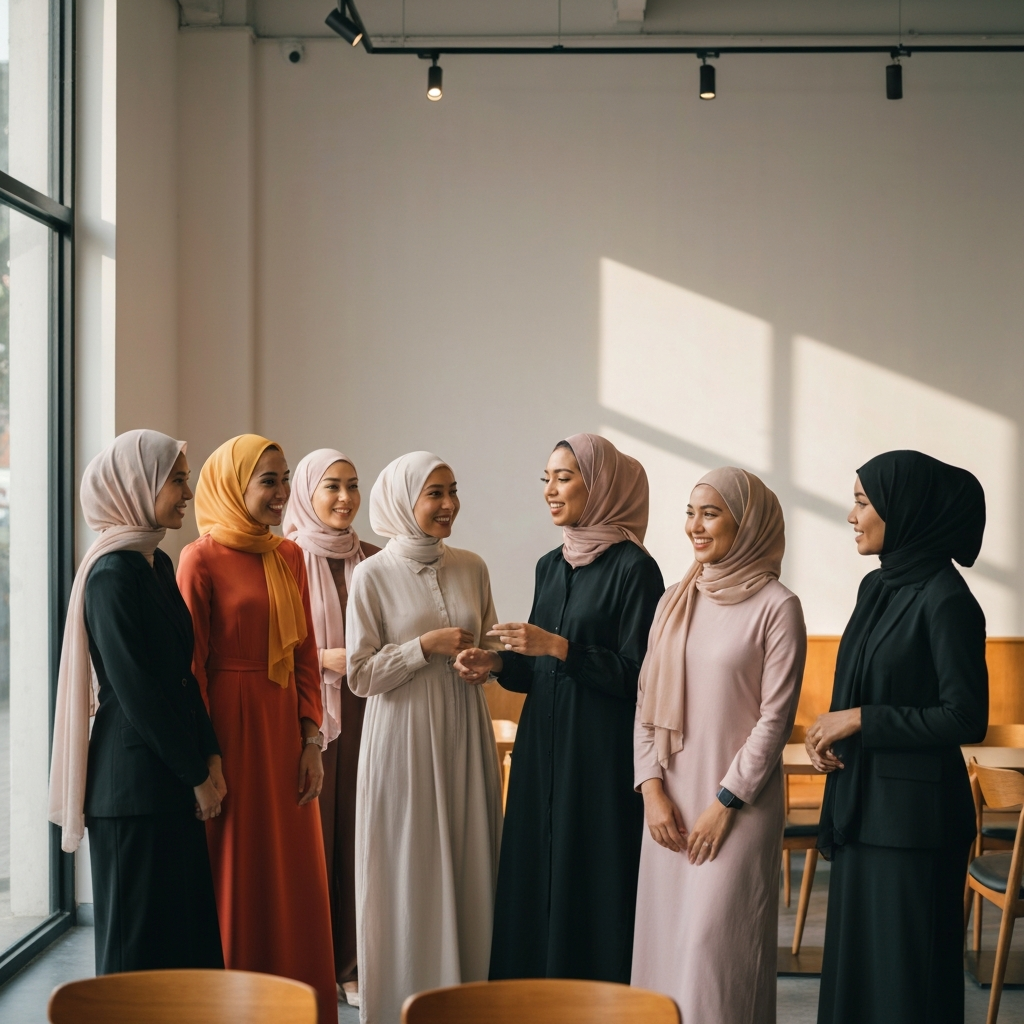
The decision to wear a hijab, or headscarf, is a personal one. Some Muslim women choose to wear it as a visible symbol of their faith and commitment to modesty, while others choose not to. There is no single "right" answer. If you choose to wear a hijab, there are many styles and materials to choose from, allowing you to express your individuality while adhering to the principles of covering the hair, neck, and chest. Consider trying different fabrics, colors, and wrapping techniques to find what suits you best. Remember, the hijab is a personal choice, and it's important to make it based on your own understanding and conviction.
Step 3: Selecting Loose-Fitting Clothing
A key aspect of modest dressing is wearing clothes that are loose-fitting rather than tight or figure-hugging. This helps to avoid drawing attention to the body's contours. Opt for garments that allow for comfortable movement and don't cling to the skin. Consider maxi skirts, wide-leg pants, long dresses, and abayas as staples in your modest wardrobe. When selecting tops, look for styles that provide adequate coverage and aren't too revealing. Remember that modesty is about more than just covering the body; it's about presenting oneself in a respectful and dignified manner. Sheer fabrics should be avoided unless layered with an opaque undergarment.
Step 4: Mastering the Art of Layering
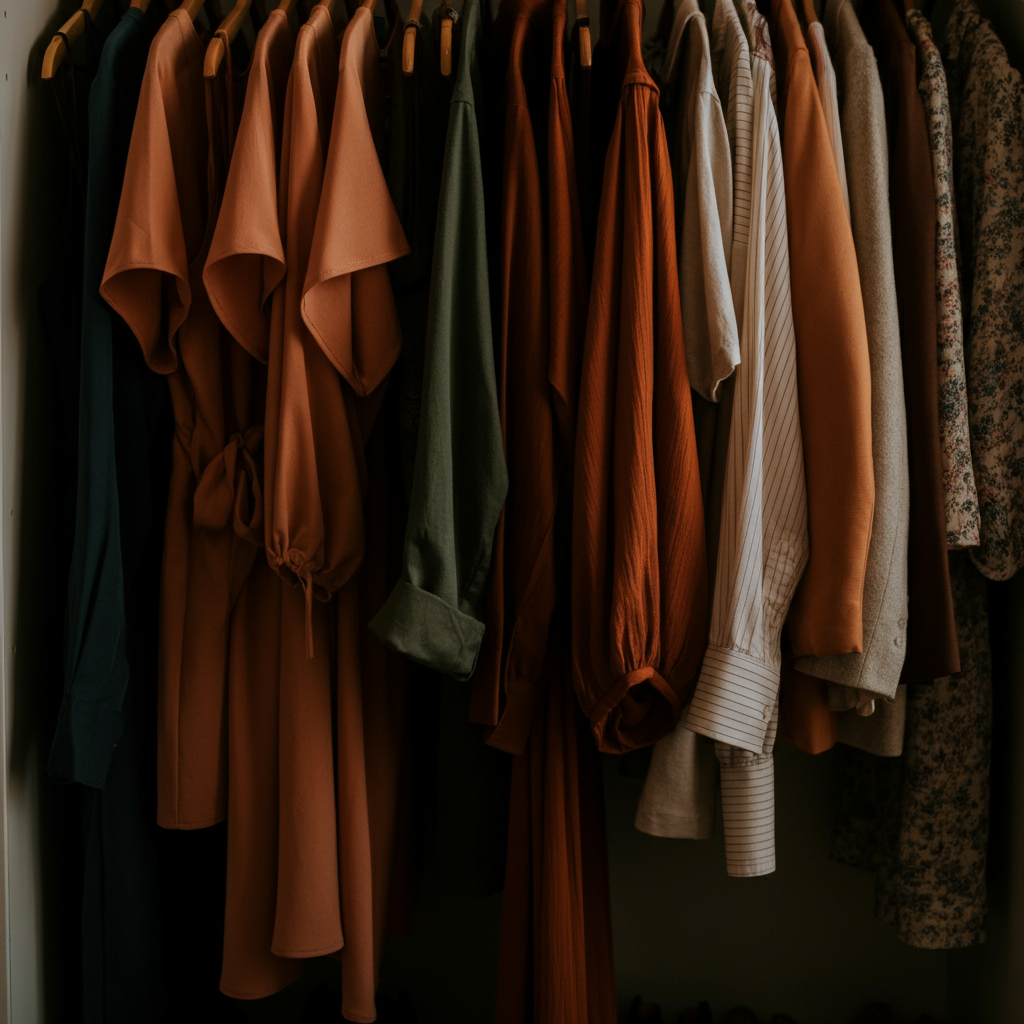
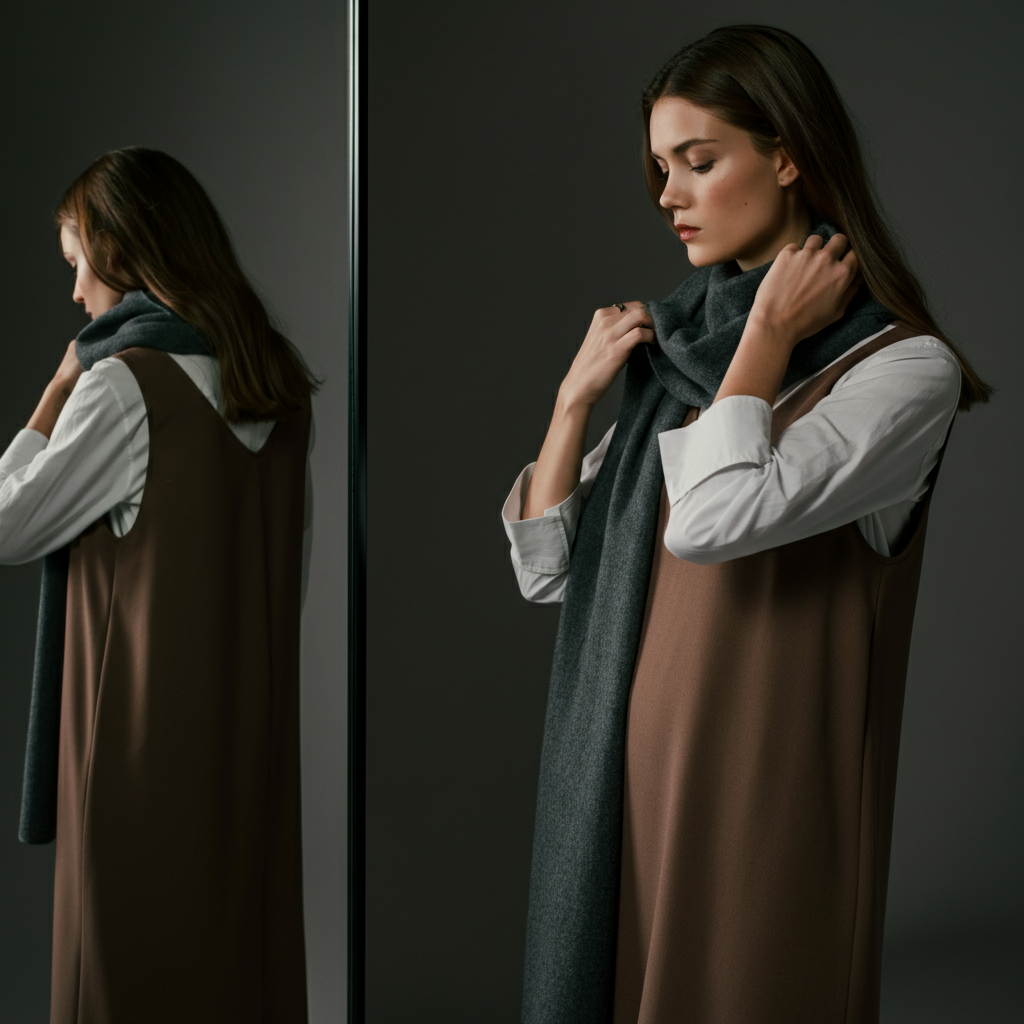
Layering is an excellent way to make existing items in your wardrobe more modest. If you have a low-cut top, consider wearing it over a blouse or long-sleeved t-shirt. Similarly, you can layer a long cardigan or jacket over a shorter dress or tunic to provide more coverage. Layering also allows you to experiment with different textures and colors, adding visual interest to your outfit while maintaining modesty. Don't be afraid to get creative with layering; it's a fantastic way to express your personal style while adhering to Islamic principles. A scarf can be a versatile layering piece, adding both coverage and a pop of color.
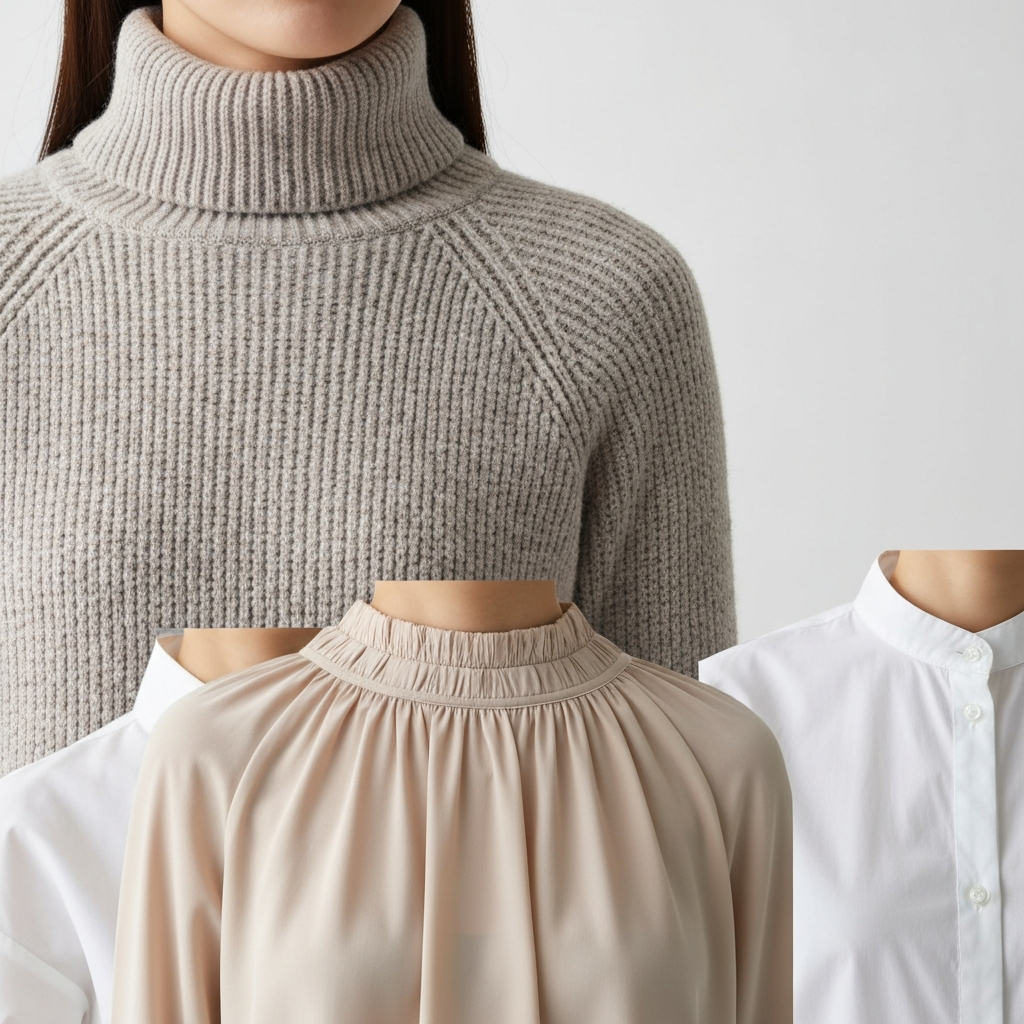
Step 5: Choosing Tops with High Necklines
The neckline of your top is an important consideration when dressing modestly. Opt for tops with higher necklines, such as turtlenecks, boatneck shirts, or blouses with mandarin collars. If you have a top with a lower neckline that you love, you can easily make it more modest by wearing a tank top with a high neckline underneath or by tying a scarf around your neck. Paying attention to neckline coverage is a simple yet effective way to ensure modesty in your outfit.
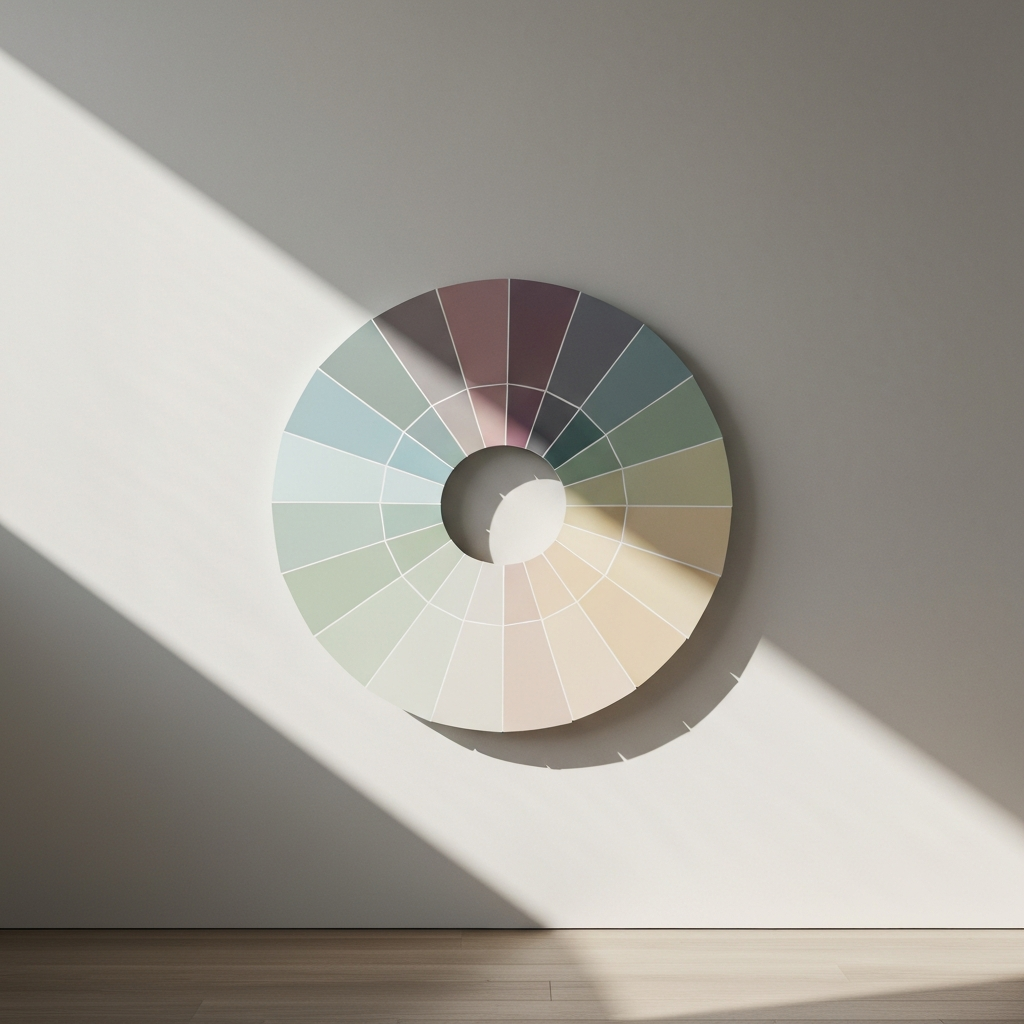
Step 6: Finding the Right Color Palette
While some may associate modest dressing with neutral colors, there's no need to shy away from color altogether. The key is to find a color palette that suits your skin tone and personal style while still maintaining a sense of modesty. Light pastels, jewel tones, and muted shades can all be excellent choices. Experiment with different colors to see what makes you feel confident and comfortable. Consider pairing complementary colors for a harmonious and stylish look. Patterns can also be incorporated tastefully, as long as they are not too loud or distracting.
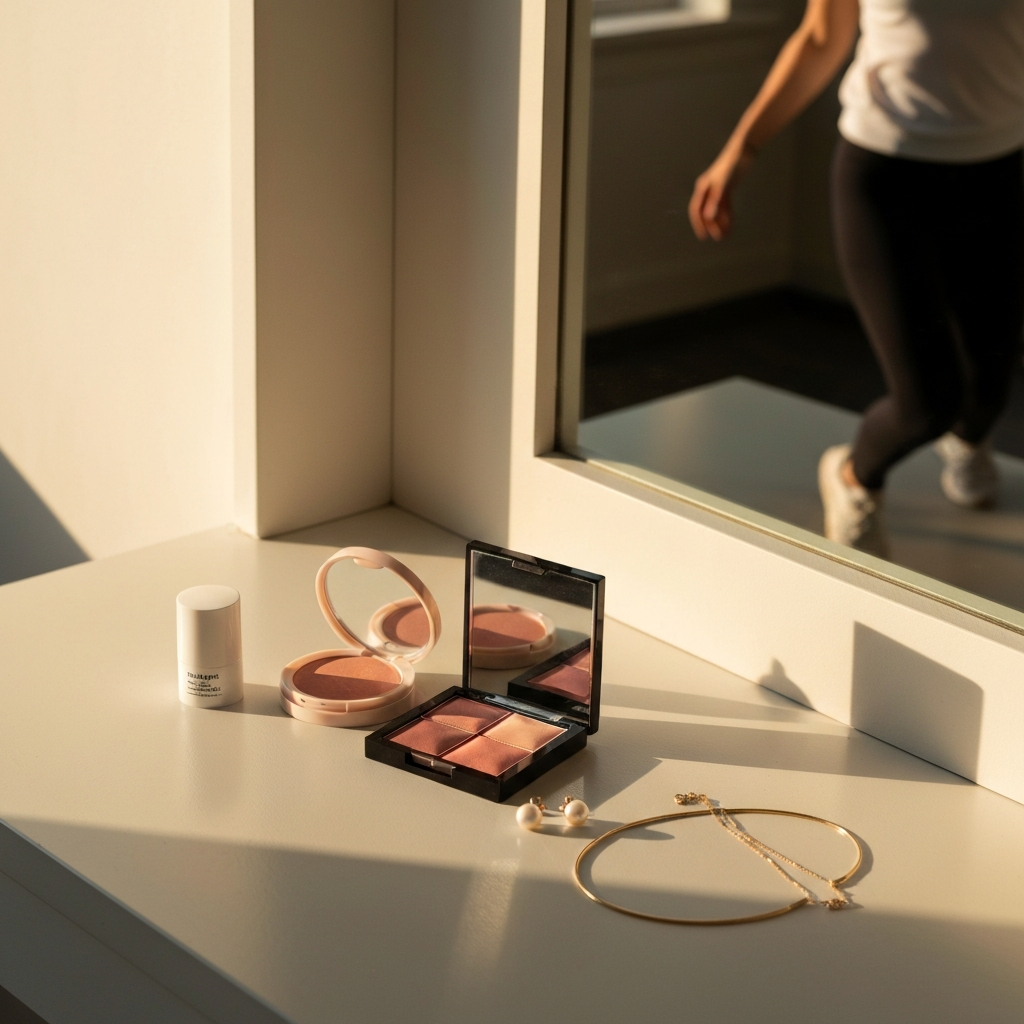
Step 7: Makeup and Jewelry Considerations
When it comes to makeup and jewelry, the focus should be on enhancing your natural beauty without being overly ostentatious. Opt for natural-looking makeup that enhances your features without being too heavy or dramatic. Less is often more when it comes to modest makeup. Choose small, dainty pieces of jewelry that can be easily tucked under your hijab or worn subtly with your outfit. Avoid chunky necklaces, statement earrings, and overly flashy accessories.
Step 8: The Mirror Test
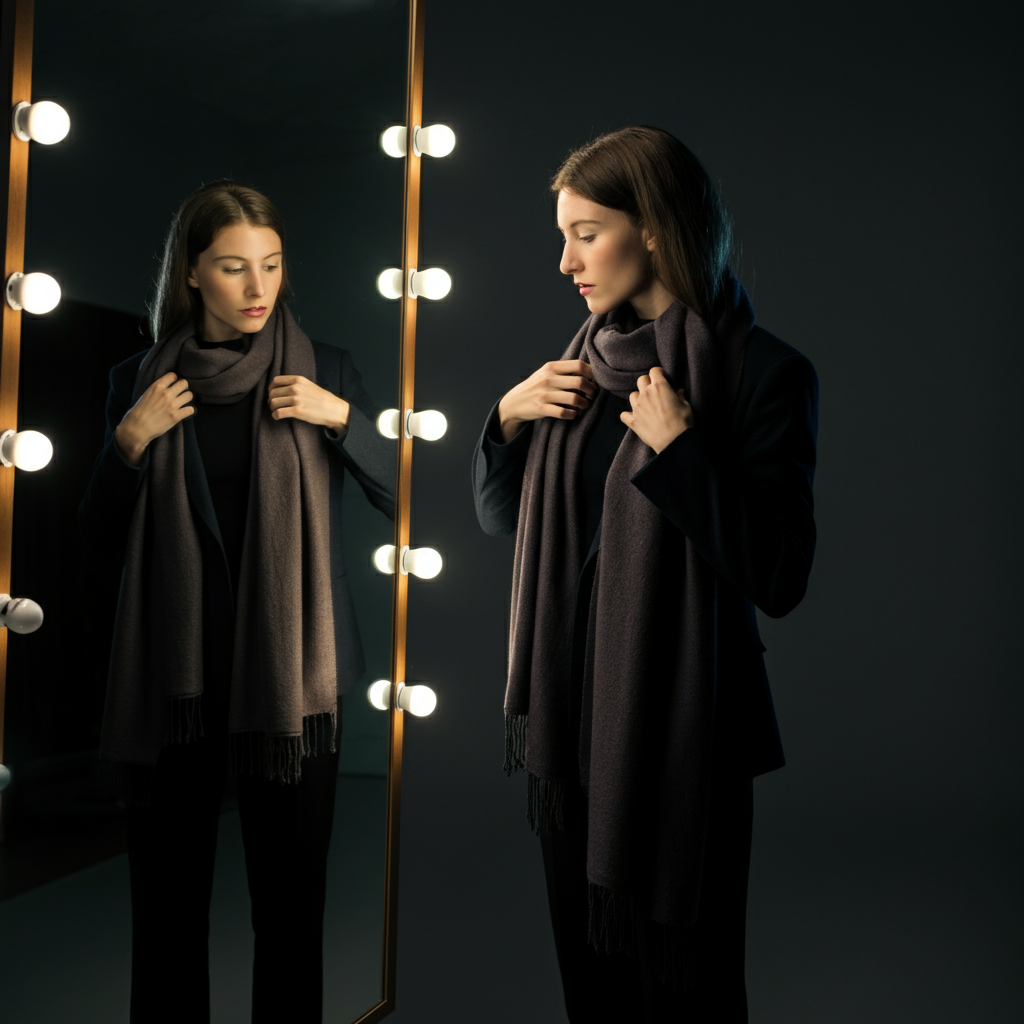
Before leaving the house, it's essential to do a "mirror test" to ensure that your outfit meets your personal standards of modesty. Stand in front of a full-length mirror and check your look from all angles. Bend over, sit down, and raise your arms to see if your clothing shifts in a way that reveals too much. This simple test can help you identify any potential issues and make necessary adjustments before you head out. It's also a good idea to ask a trusted friend or family member for their opinion.
Common Mistakes to Avoid
- Wearing clothes that are too tight or revealing.
- Choosing sheer fabrics without proper layering.
- Wearing overly flashy or attention-grabbing accessories.
- Neglecting to check your outfit in a full-length mirror before leaving the house.
Pro Tips
- Invest in versatile staple pieces that can be mixed and matched to create a variety of outfits.
- Experiment with different layering techniques to add visual interest to your look.
- Don't be afraid to incorporate color and patterns into your wardrobe.
- Find inspiration from other Muslim women who dress modestly and stylishly.
FAQ Section
Q: Is it necessary to wear a hijab to dress modestly?
A: No, dressing modestly is a personal choice that can be expressed with or without a hijab.
Q: Can I wear jeans and leggings while dressing modestly?
A: Yes, you can wear jeans and leggings as long as you pair them with a long top or dress that provides adequate coverage.
Q: Where can I find modest clothing?
A: Many retailers now offer modest clothing options, both online and in stores. You can also find unique and stylish pieces at thrift stores and vintage shops.
Conclusion
Dressing modestly as a Muslim girl is a journey of self-discovery and personal expression. It's about finding a balance between your faith, your style, and your comfort level. By understanding the principles of modesty, experimenting with different styles, and staying true to yourself, you can create a wardrobe that reflects your values and empowers you to feel confident and beautiful. Remember, modesty is not about hiding yourself; it's about presenting yourself with dignity and respect.